

Photo credit: Dariusz Banaszuk/Shutterstock.com
If you’ve hunted hogs for any amount of time, you know they aren’t like deer. They’re tougher, denser, and meaner, and when hit wrong, they don’t run—they charge or vanish into the brush with blood trails that go dry in ten yards. That’s why some calibers that look good on paper fall flat when the target grunts back. The problem isn’t accuracy—it’s penetration and energy. Light bullets break up too early, and small cases don’t carry enough weight to reach the vitals through thick hide, fat, and bone. Here are the calibers that might make holes, but not stops, even inside bow range.
.22 LR
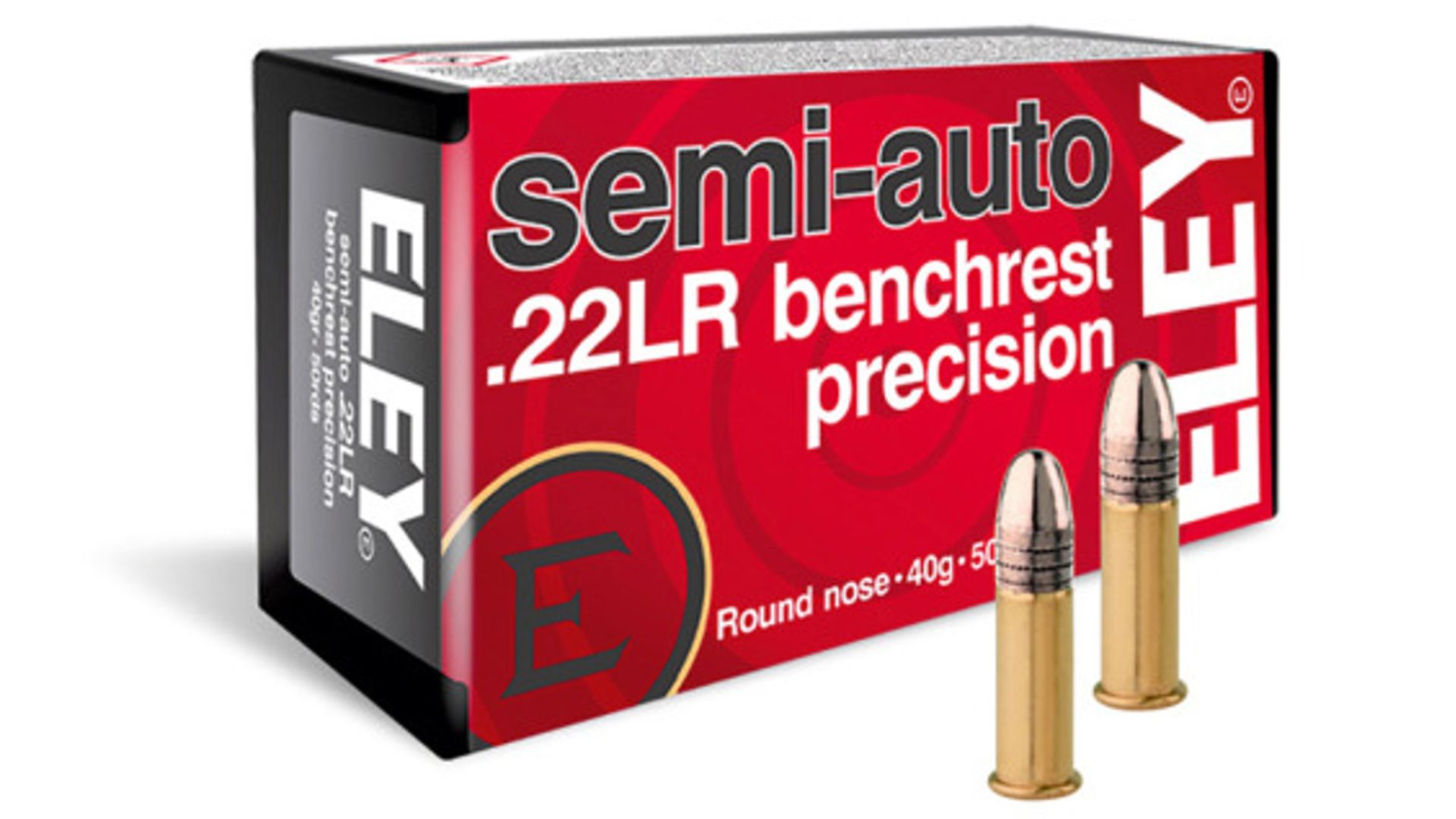
The .22 LR might drop varmints clean, but hogs aren’t varmints. Their thick shields and coarse hides soak up that tiny bullet like nothing happened. Even at 20 yards, a head or neck shot has to be perfectly placed to make a difference—and most hunters can’t bet on that in the field.
Plenty of folks have bragged about killing hogs with a .22, but the key word is “killing,” not “stopping.” It may eventually do the job, but a hog can travel a long way in those few seconds. If you care about ethical kills and safety, leave the rimfire for squirrels.
.22 Magnum

The .22 Mag adds speed but not enough muscle. It’s fine for raccoons, foxes, and small predators, but when a 200-pound boar steps out of the brush, that little bullet meets its match. Even with modern hollow points, you won’t get the penetration needed to break through a hog’s shoulder or shield.
At 75 yards, most of the .22 Mag’s velocity has already bled off. Expansion without depth means you’re barely scratching vitals. Some hunters swear by ear shots, but unless you’re shooting off sticks and under perfect light, that’s gambling with a wounded animal that won’t forgive a mistake.
.17 HMR

The .17 HMR might be a tack driver, but accuracy doesn’t replace energy. Those 17-grain bullets blow up on impact instead of pushing through. On a hog, that’s the difference between a surface wound and a clean kill.
At 75 yards, it simply lacks the mass to reach the vitals through the fat and cartilage guarding a boar’s chest. Even with precise shot placement, the odds of failure are high. If you’ve used it for varmints, you already know how explosive it is—and that same fragility is exactly why it has no place in hog country.
.204 Ruger

The .204 Ruger is an impressive varmint round, but it’s way too fragile for thick-skinned game. Its high velocity and light bullets create massive surface trauma but minimal penetration. On a coyote, that’s perfect. On a hog, it’s a recipe for tracking jobs that end with buzzards, not bacon.
A 32-grain pill moving at 4,000 feet per second sounds tough until it hits dense tissue. The bullet fragments instantly, dumping energy too early. At 75 yards, you’ll see explosive entry wounds and shallow damage—exactly what you don’t want when bone and gristle stand between you and the vitals.
.22 Hornet
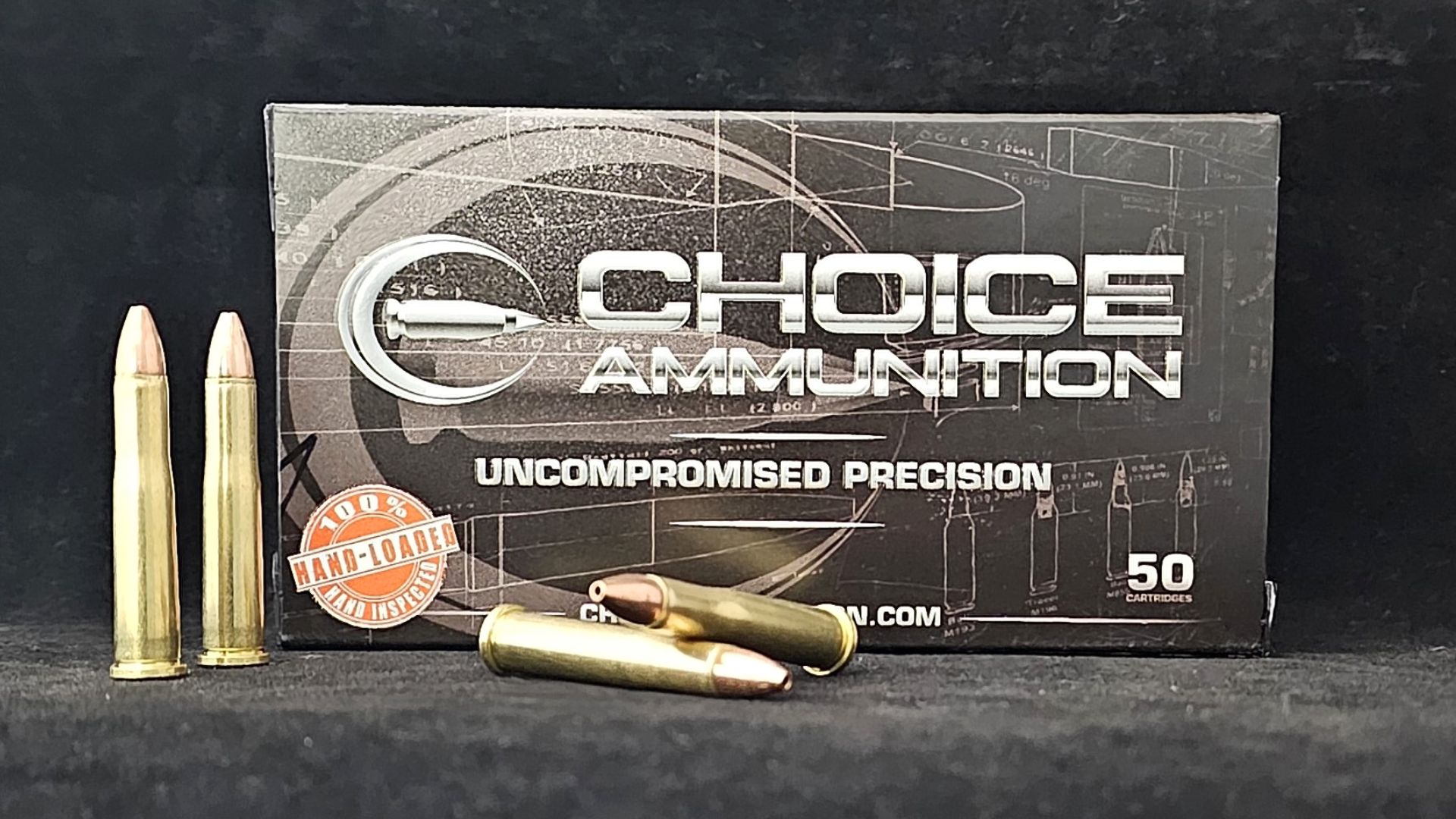
The .22 Hornet was never meant for hogs, but it finds its way into the hands of hunters who underestimate the animal. It’s an old-school small-game cartridge designed for foxes and turkeys. On a boar, it simply lacks both the weight and sectional density to drive deep enough.
Even with handloads, the Hornet drops off fast past 50 yards. Most bullets in this caliber were built to expand quickly, not punch through shields or shoulders. You might wound one, you might drop one, but odds are you’ll spend the next two hours tracking a hog that doesn’t bleed much.
.17 WSM
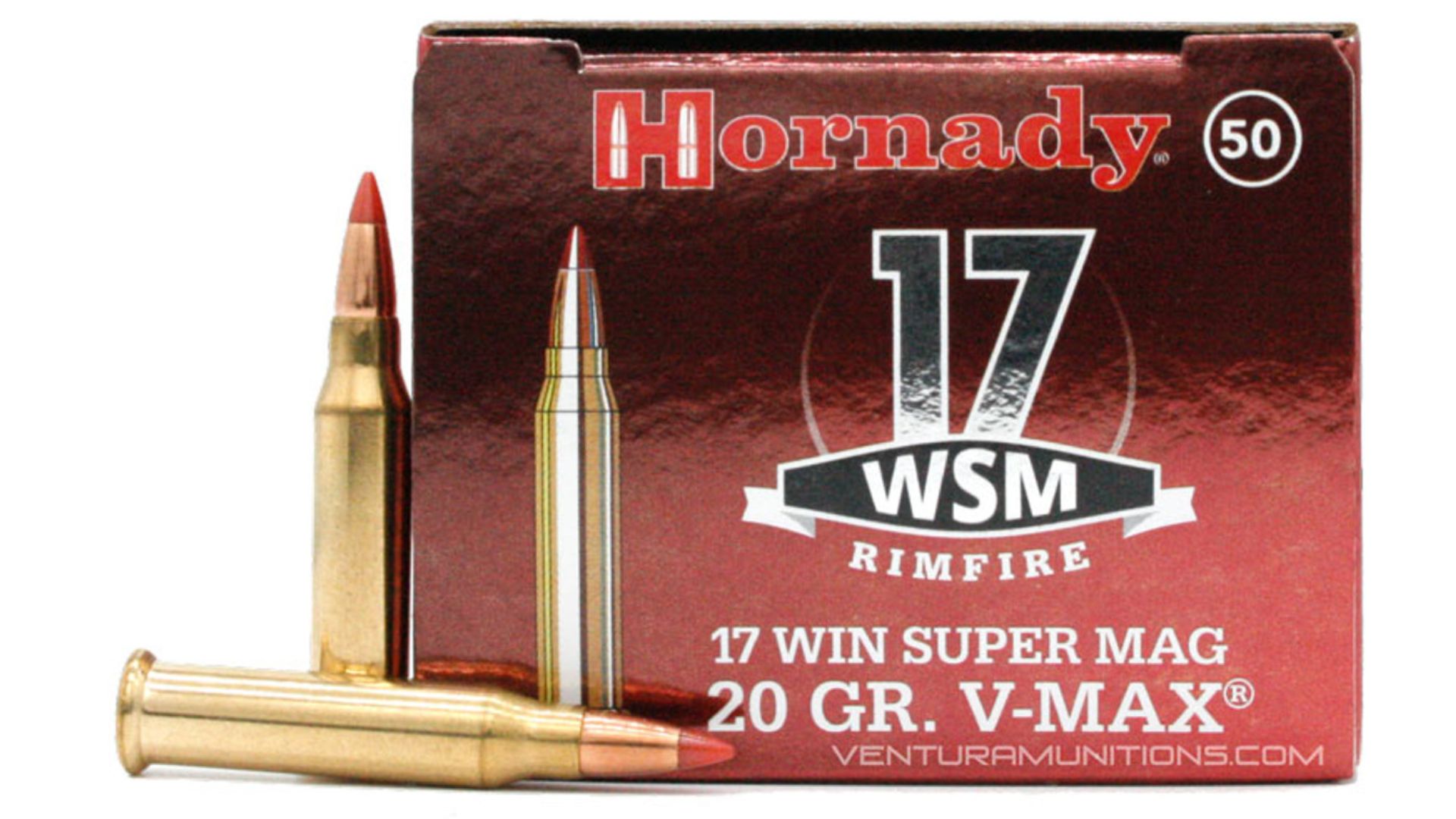
The .17 Winchester Super Magnum pushes rimfire performance to its limit, but it’s still a rimfire. Even with its 3,000-fps muzzle velocity, the 20-grain bullet can’t hold together against a hog’s armor. It was made for prairie dogs and marmots, not boars that can shrug off buckshot.
The .17 WSM gives a false sense of power because of its speed, but lightweight projectiles shed energy quickly. Inside 50 yards, you might get lucky with a perfect brain shot. Beyond that, you’re undergunned—and the margin for error is way too small when a wounded hog spins and charges.
.300 Blackout (Subsonic)

Subsonic .300 Blackout loads are popular for suppressor use, but that heavy, slow-moving bullet lacks the energy for clean kills on hogs unless you’re shooting precise headshots. At 75 yards, subsonic rounds act more like pistol cartridges than rifle loads.
A 220-grain bullet traveling under 1,000 feet per second will expand nicely—but not penetrate enough to reach vitals through bone or shield. The subsonic advantage of quiet shooting comes at the cost of lethality. If you’re going to use a .300 Blackout, stick with supersonic loads designed for hunting.
.30 Carbine
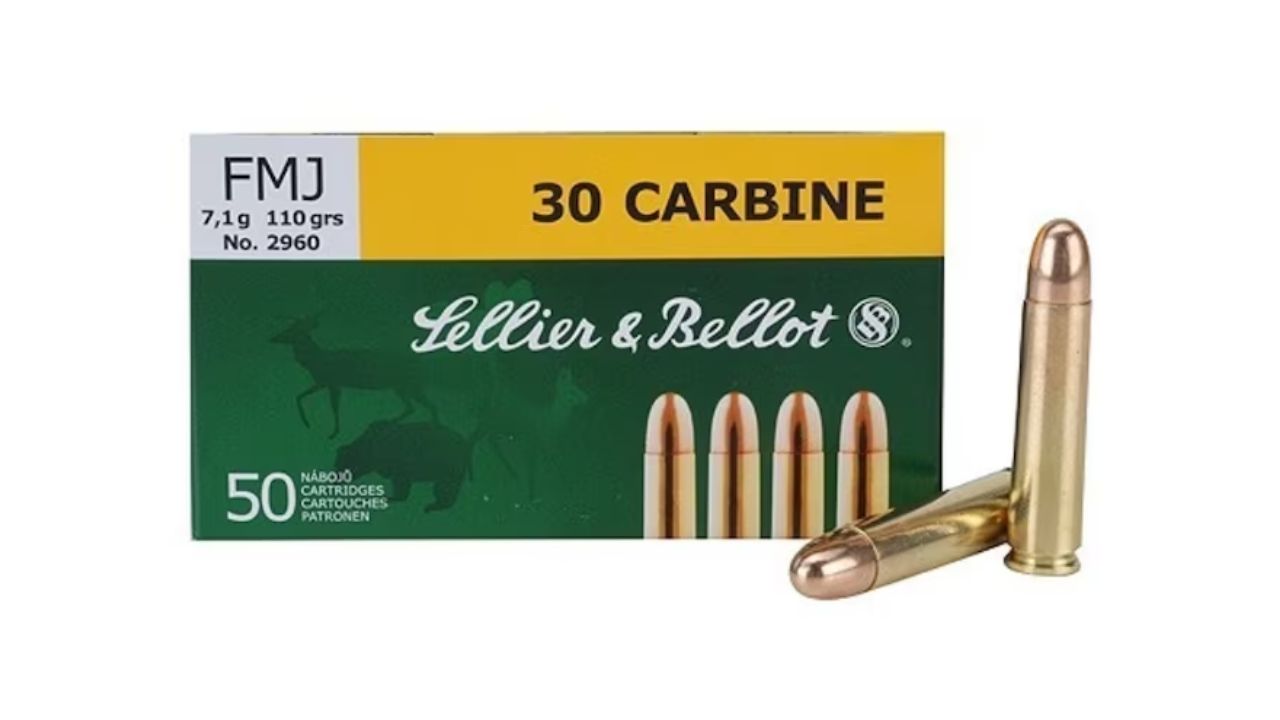
The .30 Carbine made its name in World War II, but on hogs, it’s not the powerhouse people imagine. Those 110-grain bullets look decent on paper, yet the velocity and energy fall short for thick-skinned animals. The round was designed for man-sized targets—not 250-pound feral tanks.
At 75 yards, most .30 Carbine loads don’t carry the penetration needed for consistent kills unless you’re hitting perfect broadside lung shots. Anything else risks a wounded animal and a long day in the brush. It’s a fun plinker but a poor choice for hogs.
.223 Remington
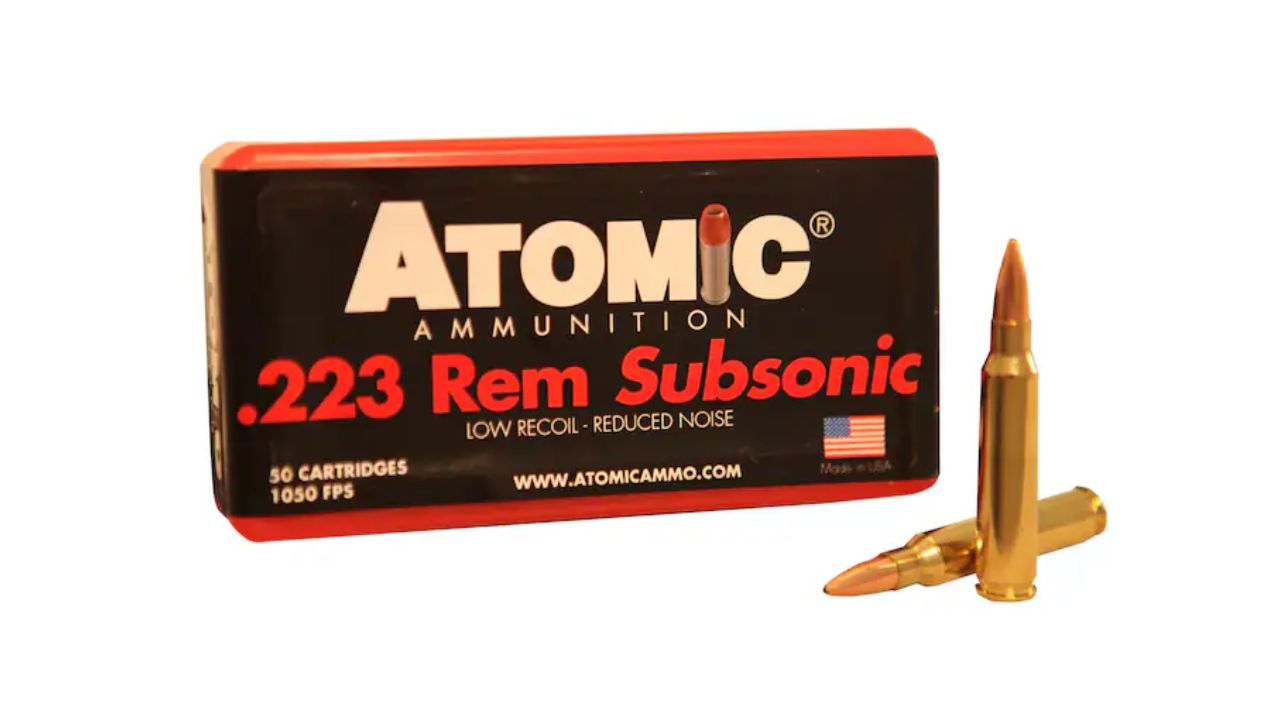
Yes, people kill hogs with .223 all the time—but that doesn’t make it ideal. Unless you’re shooting premium bonded bullets or solid copper rounds, you’ll often see poor penetration and unpredictable expansion. Many lightweight varmint loads explode too fast on impact.
At 75 yards, the .223 can work with careful ammo choice and shot placement, but too many hunters rely on military ball or cheap soft points. On big hogs, those rounds fail to reach the vitals, leading to wounded animals. If it’s all you’ve got, use it carefully—but don’t call it a hammer.
5.45×39
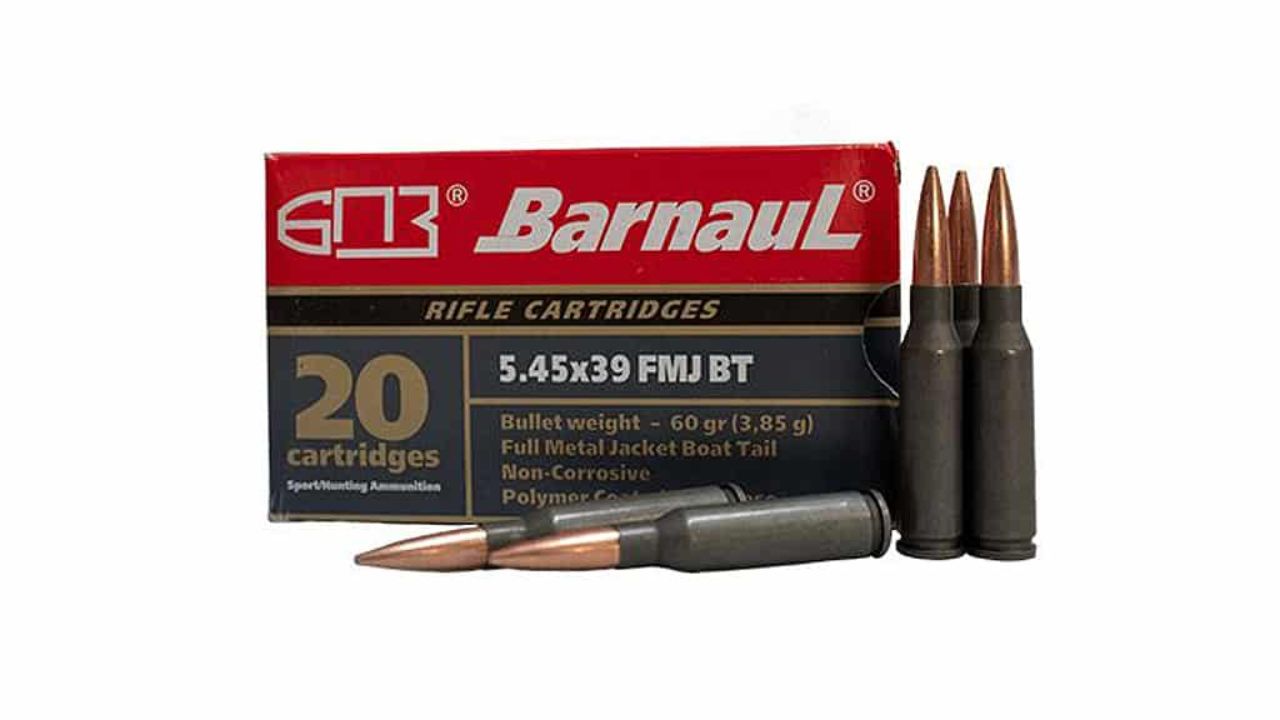
The 5.45×39 was built for human targets, not hogs. It’s a light, fast bullet with excellent stability, but its thin jacket and small core limit penetration. Against a boar’s armor plate, it’s simply not enough.
Even with modern loads, you’ll see fragmentation instead of punch-through. That’s great for soft targets, not ones layered in fat and cartilage. At close range, it might drop a small sow, but on a mature boar at 75 yards, it often fails to make it past the shoulder.
.25-20 Winchester
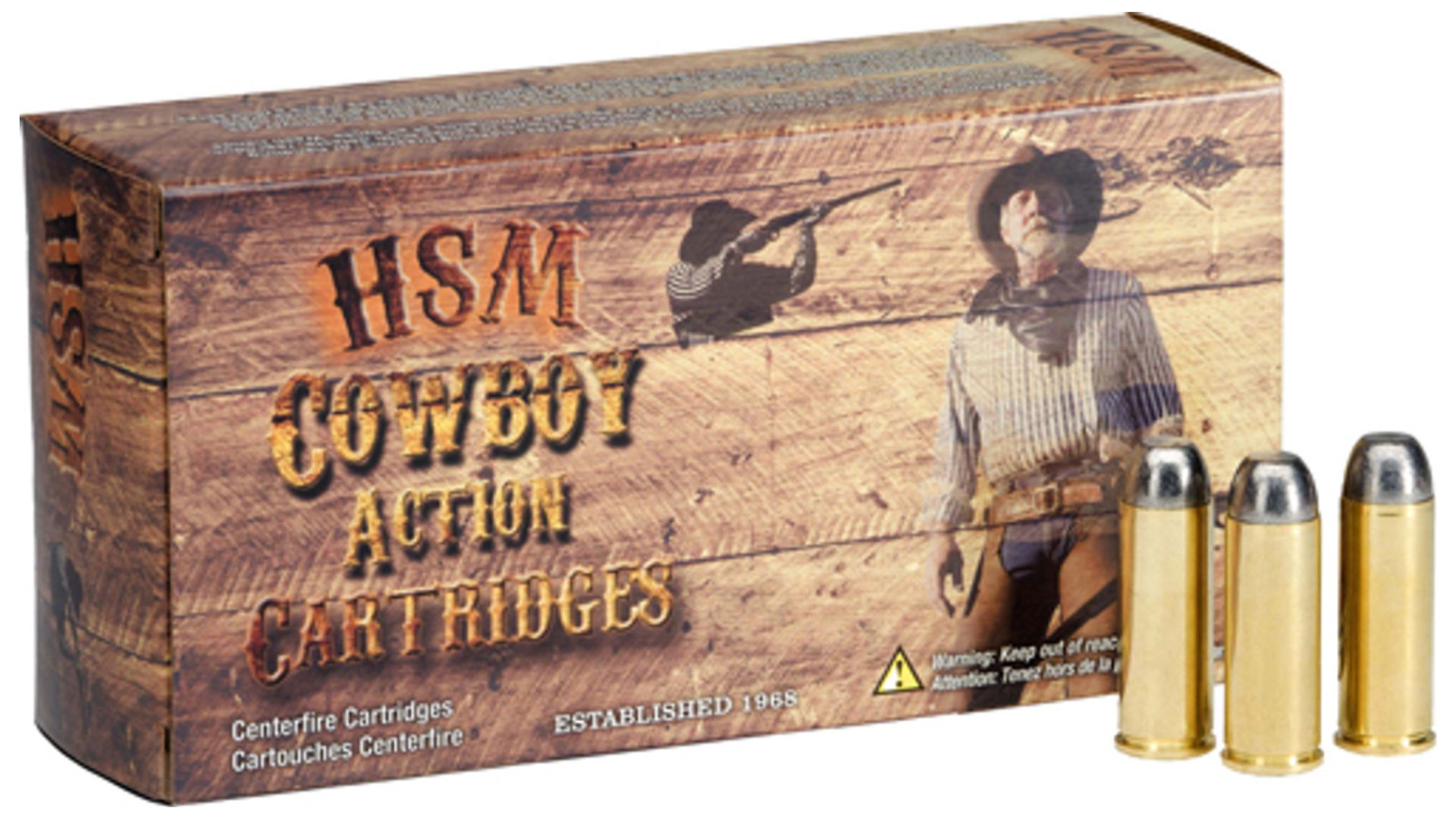
The .25-20 Winchester is one of those nostalgic rounds that’s fun on the range but dangerous on big game. Its slow velocity and light bullets crumble when asked to penetrate dense tissue. Hunters who try it on hogs are asking for disappointment—or worse, a wounded animal.
Even at its best, it delivers under 1,000 foot-pounds of energy. That’s marginal for deer, let alone a hog with two inches of gristle protecting its vitals. It’s a charming cartridge with no business in the swamp.
9mm Carbine

A 9mm carbine feels practical for close-range hog work, but ballistically, it’s a glorified pistol. Most rounds lack the velocity or bullet construction to break heavy bone or reach the lungs through thick hide.
With hollow points, expansion happens too early. With FMJs, you risk pass-through without much damage. At 75 yards, the energy has dropped off so far that even a perfect shot may not stop the charge. The 9mm is fine for defense, but it’s laughably light for serious hogs.
.357 Magnum (Carbine)

A .357 carbine packs decent punch for deer, but it struggles with the density of a hog’s body. Energy falls fast after 50 yards, and standard soft-point loads expand early and shallow. You’ll get better performance with hard-cast bullets, but even then, it’s marginal for thick boars.
The .357 shines in revolvers for short shots, but once you push distance, it loses authority fast. It’s a capable round in the right hands, but not the hammer most people imagine once the range stretches.
.410 Bore Slug

Plenty of new hunters love the light recoil of a .410, but on hogs, it’s borderline useless. Even with modern slugs, energy is minimal, and accuracy drops sharply past 50 yards. The projectile simply doesn’t carry enough mass to reach deep organs through that armor plate of fat.
A .410 might look appealing for youth hunters, but a tough animal deserves more gun. You’re better off stepping up to a 20-gauge or larger if you want to end the fight cleanly. The .410’s gentle kick comes with a steep performance penalty.
.22 TCM
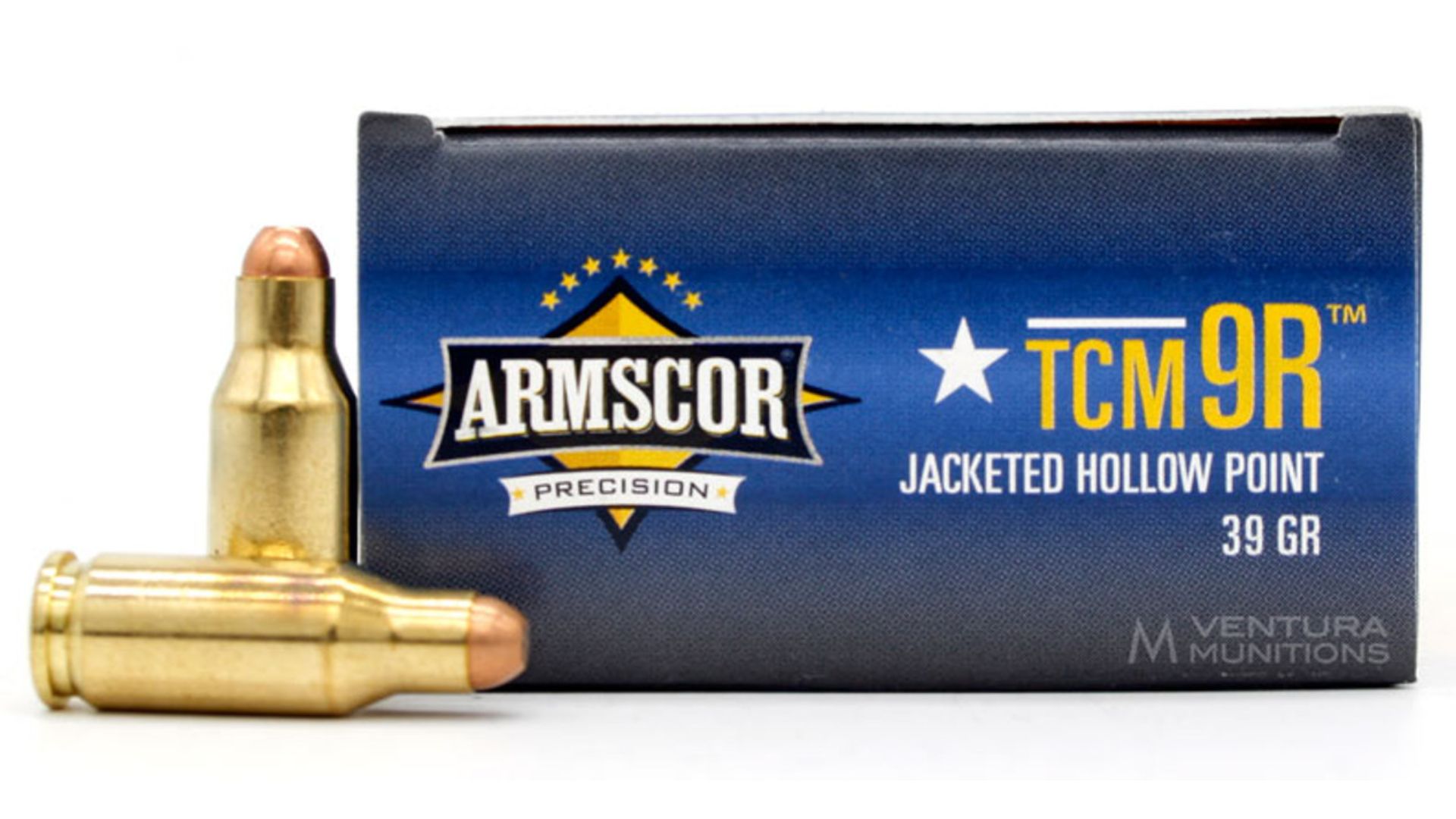
The .22 TCM is flashy and fast, but it’s a pistol cartridge trying to punch in the rifle class. Those lightweight bullets scream downrange but disintegrate on impact. On hogs, you need weight and sectional density—things the .22 TCM doesn’t have.
At 75 yards, the small bullet is already slowing and losing stability. It’ll rip up paper and varmints, but it won’t reach a hog’s vitals. It’s a fun round to shoot and talk about, but it’s no match for one of the toughest animals you’ll ever hunt.
Like The Avid Outdoorsman’s content? Be sure to follow us.
Here’s more from us:
The worst deer rifles money can buy
Sidearms That Belong in the Safe — Not Your Belt
*This article was developed with AI-powered tools and has been carefully reviewed by our editors.


