Walk into any gun shop and you’ll hear somebody talk like hunting cartridges have “aged out,” like anything older than the latest short mag is automatically obsolete. That’s not how the woods work. Deer, elk, and hogs haven’t gotten tougher, and physics hasn’t changed. What has changed is bullets. Modern construction—bonded cores, monolithic copper, better jacket design—lets a lot of older rounds hit harder than their reputation suggests, especially when you pick the right load for the job.
The other thing the old standbys still have going for them is practicality. They feed well, they shoot well in a wide range of rifles, and ammo isn’t a scavenger hunt. You can find them, afford them, and practice enough to actually shoot straight. These are “old” hunting rounds that still stack up against newer stuff because they’re honest performers, not marketing projects.
.30-06 Springfield

The .30-06 has been knocking down game for over a century, and it still covers more real hunting than most newer cartridges. It handles a wide range of bullet weights well, which lets you tailor it from whitetails to elk without changing rifles.
Modern bullets make the .30-06 even more relevant. Good bonded and copper loads tighten up the gap between it and newer magnums in practical hunting distances, and you don’t pay the recoil penalty that makes people shoot worse. It’s also one of the easiest cartridges to find anywhere. If you travel to hunt, that matters. The .30-06 keeps winning because it’s versatile, available, and effective without drama.
.270 Winchester
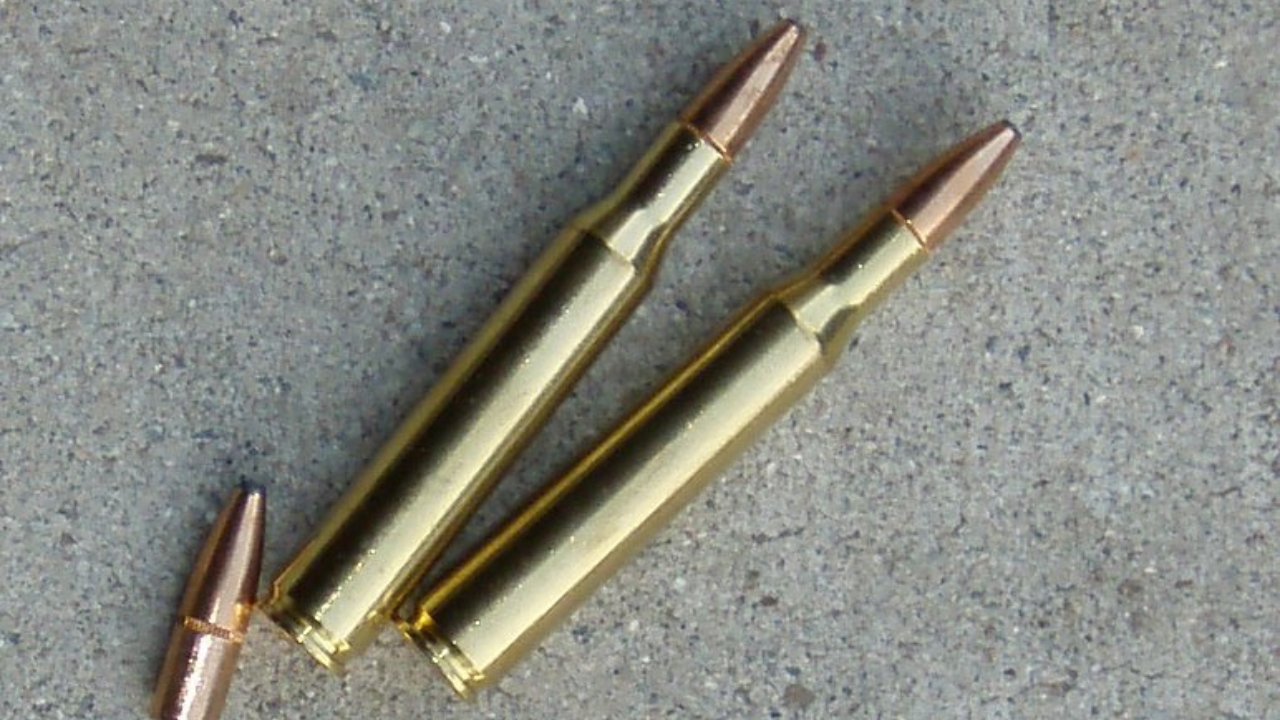
The .270 has been filling freezers since long before “flat shooting” became a buzzword, and it still does the job cleanly. With modern bullet designs, it’s not limited to thin-skinned deer like people love to claim. It’s a legitimate all-around cartridge when you choose bullets with penetration in mind.
It shoots easy, which is a big deal. A lot of hunters shoot a .270 better than they shoot a magnum, and that shows up on the animal. Ammo is common, rifles are everywhere, and the cartridge has a long track record in the field. Newer rounds might look cooler on paper, but the .270 keeps stacking up because it balances speed, recoil, and real-world results.
.308 Winchester

The .308 is old enough to be “classic” now, and it’s still one of the most practical hunting cartridges ever made. It’s efficient, accurate in a huge range of rifles, and it doesn’t need a long barrel to perform well. That makes it easy to carry and easy to shoot.
Modern bullets have helped the .308 punch above its stereotype as a short-range cartridge. It carries plenty of authority for deer and black bear, and it can handle elk with smart bullet selection and good shot placement. Another win is availability. When ammo shelves get thin, .308 is usually still around. It stacks up because it’s reliable, consistent, and forgiving in the rifles people actually hunt with.
.30-30 Winchester
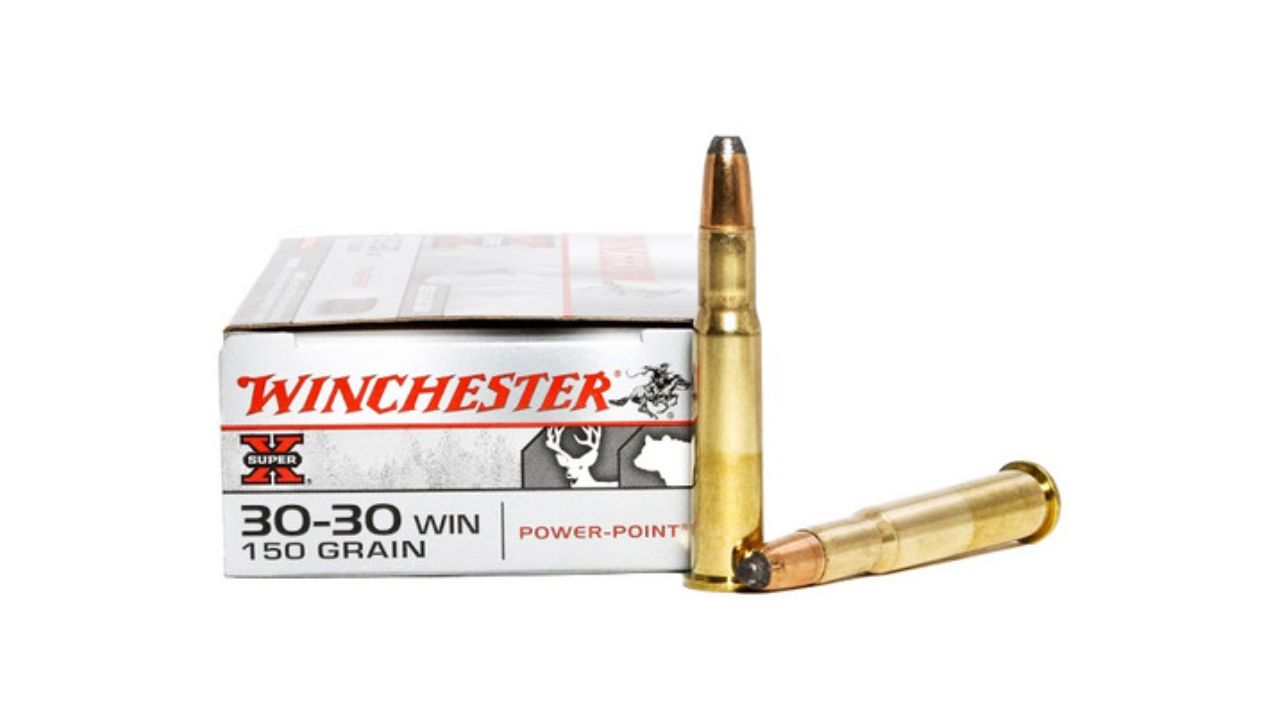
The .30-30 is the round people love to underestimate until they watch it work. In the woods, inside typical deer ranges, it does what it’s always done—quick kills and short tracking jobs. It’s not a mountain cartridge, but most whitetail hunting isn’t a mountain problem.
Modern ammo has pushed the .30-30 forward. Better bullets and improved loads have tightened groups and extended practical performance without turning it into something it isn’t. It’s also tied to rifles that carry like a dream. A lever gun with .30-30 is light, fast, and handy in thick cover. New cartridges come and go, but the .30-30 keeps earning its place because it matches how many people actually hunt.
.45-70 Government

The .45-70 has been around forever, and it’s still a serious hunting round—especially for woods hunting, big hogs, and anything you want to hit hard up close. Heavy bullets with modern construction make it a deep-penetrating, bone-breaking option that doesn’t rely on speed tricks.
A lot of newer “brush gun” cartridges chase the same purpose the .45-70 already fills. The difference is the .45-70 has proven performance and a huge range of loads, from mild to stout, depending on the rifle. It’s also common enough that you’re not stuck hunting for ammo online. When you want authority in a short, handy rifle, the .45-70 still stacks up because it delivers a kind of impact that the newer fast rounds can’t fake.
.243 Winchester

The .243 is often treated like a beginner round, but it’s been a serious deer cartridge for decades. With modern bullets, it can be both gentle to shoot and very effective. The big advantage is that you can practice with it without getting beat up, and that tends to produce better shot placement.
Where the .243 really shines is in making accurate shooting feel easy. Less recoil means less flinch, and less flinch means better hits. Bullet choice matters more than with bigger calibers, but that’s true of most things. With the right load, the .243 drops deer cleanly and keeps young and smaller-framed shooters confident. It stacks up because it solves the most common hunting problem: people not shooting as well as they think.
7mm Remington Magnum

The 7mm Rem Mag isn’t “new” anymore, but it still competes with modern 7mm cartridges because it does the same things hunters want: flat trajectory, good energy, and excellent bullet options. It’s been an elk and mule deer favorite for a reason.
Modern bullets have made it even more useful, especially in controlling expansion while still penetrating deep. The downside is recoil and blast in lighter rifles, and that’s where some shooters fall apart. But if you can handle it, the 7mm Rem Mag still gives you reach without needing the latest case design. It stacks up because it’s proven, it’s widely available, and it performs in real hunting conditions, not just in marketing copy.
.25-06 Remington

The .25-06 is one of those cartridges that quietly keeps working while everyone argues about the newest trends. It’s fast, accurate, and deadly on deer and pronghorn, especially when you pick bullets designed to hold together. It has enough speed to make distance feel easier without being a true magnum.
It also has a reputation for putting animals down quickly when the shot is placed right. The tradeoff is that it’s not as common on shelves as .270 or .30-06, but it’s still around. In the field, it performs like a modern cartridge because it essentially was ahead of its time. The .25-06 stacks up by combining flat shooting with manageable recoil and real-world effectiveness on the game people hunt most.
.257 Roberts

The .257 Roberts is an old-school round that never got the marketing push it deserved, but it has always been an excellent deer cartridge. It shoots softly, it’s accurate, and with modern bullets it can perform far better than its reputation suggests.
Its main drawback is availability compared to the big mainstream rounds, but for the hunter who already owns one, it’s hard to justify switching. The Roberts puts you in that sweet spot where recoil is low enough to keep you honest, yet performance is strong enough for real hunting. It stacks up because it does what newer “mild recoil” cartridges claim to do, without needing a brand-new label to make the point. It’s a practical cartridge for hunters who value clean hits more than bragging rights.
7×57 Mauser

The 7×57 has been taking game around the world for a long time, including animals much larger than whitetails. It’s not flashy, but it’s efficient and effective, and modern bullet options help it perform in a way that feels very current.
It carries enough authority for deer and elk when you’re realistic about distance and you pick a proper bullet. It’s also an easy cartridge to shoot well, which is why it earned its reputation in the first place. The 7×57 stacks up because it’s balanced—enough penetration, enough energy, and not so much recoil that you start making mistakes. The only real knock is that it isn’t as common in modern rifles and ammo shelves, but performance-wise it still belongs.
.35 Remington
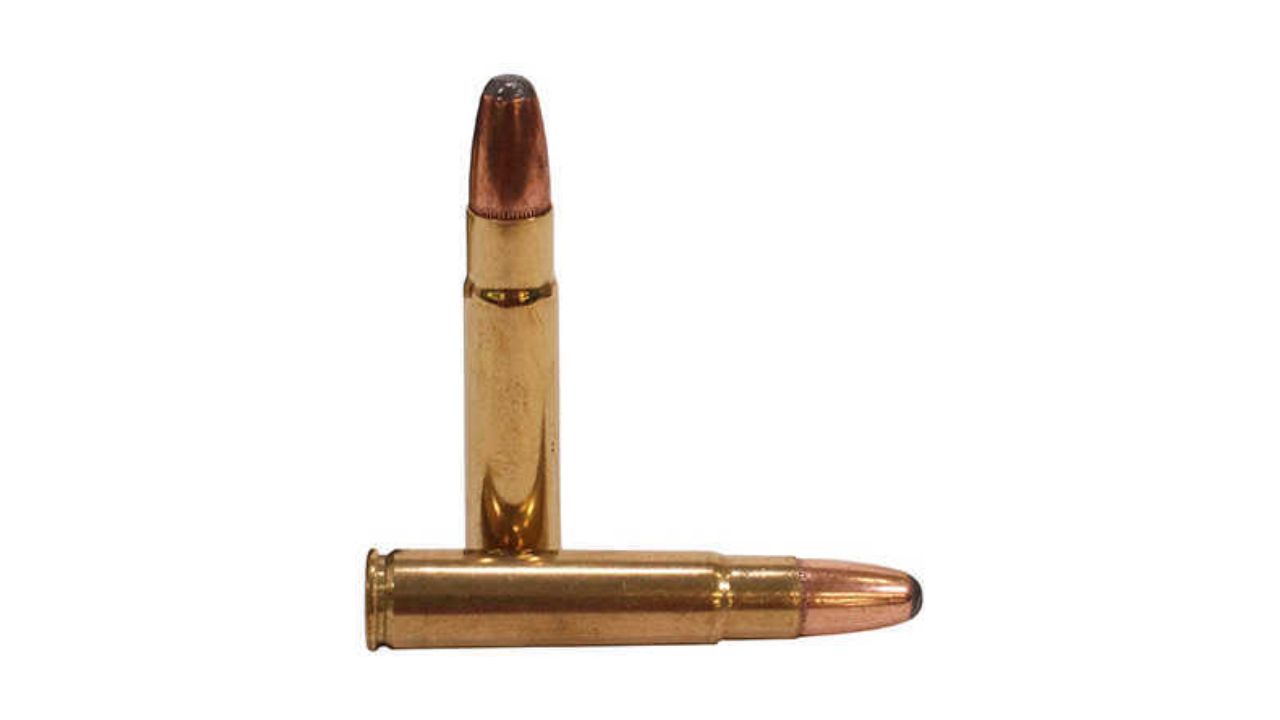
.35 Remington is one of those cartridges that feels like it was built specifically for woods hunting. It hits hard at typical ranges, penetrates well, and tends to leave a straightforward blood trail when the shot is where it should be.
It never needed magnum speed to be effective. Modern bullets only make it better, especially for keeping expansion controlled while still driving deep. The platform matters here too—many .35 Rem rifles are quick-handling woods guns, which fits the cartridge perfectly. The downside is that ammo can be spotty depending on where you live. But when you have it, it performs like a modern “brush” round because it already was one. It stacks up by doing the job cleanly without asking for perfect conditions.
.300 Winchester Magnum

The .300 Win Mag isn’t exactly subtle, but it’s old enough now to be considered a standard rather than a trend. And it still competes with newer magnums because it delivers a strong combination of reach, energy, and bullet selection for bigger game.
Modern bullets help it avoid the old problem of violent expansion at close range, and they help it penetrate when angles are tough. The tradeoff is recoil, and recoil is always the tax you pay for performance. If you can shoot it well, it’s a serious elk and moose cartridge that doesn’t need a rebrand. It stacks up because it’s everywhere, it works, and it’s supported by a mountain of proven loads. Newer cartridges can tweak the formula, but they don’t replace it.
.338 Winchester Magnum

The .338 Win Mag has been a respected big-game cartridge for decades, and it still fills a role that a lot of newer rounds try to imitate. It hits hard, penetrates deeply, and carries authority for elk, moose, and big bears when you want extra margin.
The recoil is real, and that’s what keeps it from being “for everyone.” But if you can handle it, it’s a practical tool for hunters who want decisive performance. Modern bullet choices help it do more than simply hit hard—they help it hit hard in a controlled, predictable way. It stacks up because it delivers the kind of straight-line penetration and impact you can’t fake with smaller calibers. It’s not trendy, it’s purposeful, and it’s still relevant.
.303 British

The .303 British gets dismissed because it’s tied to old military rifles, but it’s also a legitimate hunting cartridge that has taken a lot of game. With modern soft points, it can be a very effective deer and black bear round at sensible distances.
Its strengths are mild recoil and decent bullet weight for its bore size. It’s not a speed demon, but it doesn’t need to be. Where it can get tricky is rifle condition—many surplus rifles vary, and accuracy can depend heavily on the individual gun and ammo choice. Still, the cartridge itself stacks up because it sits in the same real-world performance neighborhood as other proven medium calibers. If you’ve got a good rifle and good ammo, .303 British remains a practical hunting option.
.32 Winchester Special

The .32 Special is one of those classic lever-gun rounds that never fully disappeared, and it still makes sense for the same reason the .30-30 does: woods hunting. It offers solid performance on deer at realistic ranges, with a bit more bullet diameter and a reputation for clean kills when you do your part.
It’s not better than the .30-30 in every way, and it’s definitely less common on shelves, but it’s still a capable hunting round that works with traditional rifles people love to carry. Modern bullets help it perform consistently, and the cartridge has always been practical rather than flashy. The .32 Special stacks up because it fills a real niche that hasn’t changed—close to moderate ranges, fast handling, and dependable performance on whitetails in thick cover.
Like The Avid Outdoorsman’s content? Be sure to follow us.
Here’s more from us: