Photo credit: SVF-LLC/GunBroker
There are some guns that make you shake your head the second you handle them.
Not because they’re old or abused—but because they left the factory that way. Whether it’s rough machining, junk internals, or parts that barely line up, these aren’t honest wear-and-tear problems. These are design and QC issues that should’ve gotten caught before the gun ever left the plant.
If you’ve ever pulled a new gun out of the box and immediately regretted it, you’re not alone. I’ve handled a lot of firearms that should’ve been rejected on the line. Some are notorious, some are just overlooked. But every one of these had no business being cleared for sale.
Remington R51
The second-gen R51 was supposed to redeem the mess of the first, but it was still a disaster. Remington rushed it back to market with promises of fixes. Instead, it showed up with reliability issues, sharp edges, and fitment problems right out of the box.
You could literally rack some of them and watch parts misalign. Magazines didn’t drop free. The slide would lock open mid-cycle. It’s a shame too, because the original Pedersen-based design had potential. But between poor QC and bad execution, the R51 never should’ve passed any inspection table.
Taurus Spectrum

This thing looked like it belonged on a keychain more than in a holster. The Taurus Spectrum was hyped for its aesthetics and “soft touch” inserts, but no one wanted to actually shoot it. Slide serrations were basically cosmetic. Trigger was inconsistent and heavy.
Worst of all, many of them struggled to cycle basic ammo cleanly. Magazine fitment was loose enough to cause feed issues. And there were reports of safety levers breaking. Taurus has made strides with newer guns, but the Spectrum felt like it was green-lit by someone who never fired it.
Century Arms C308
You’d think a roller-delayed blowback rifle based on the G3 would be a win, but the Century C308 proves that bad execution ruins good ideas. Welds on the receiver were often crooked or unfinished. The cocking tube would bind. Even the mag well was off-center on some.
You could tell these were slapped together from surplus parts with little concern for alignment. Some had fluted chambers that were unfinished or incorrectly cut, causing extraction failures. If you’ve ever had a rifle eject brass into your neighbor’s neck—or not eject it at all—you’ve probably met a C308.
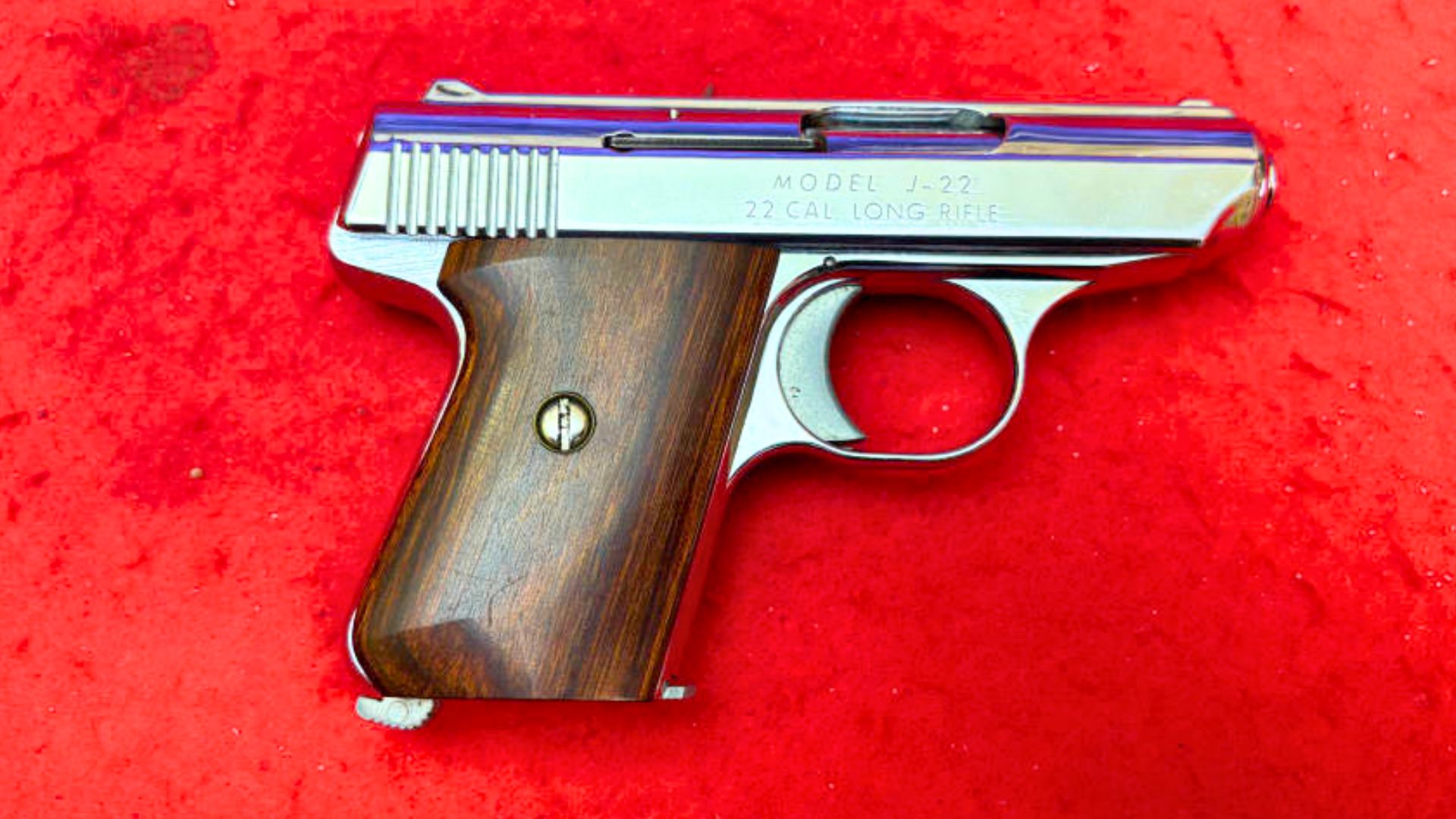
Jennings J-22

This little .22 was one of the original Saturday Night Specials, and it showed. Made by Jennings (part of the infamous Raven/JA/Bryco family), the J-22 was cheap, pot metal junk. It might go bang once, but that was often followed by a jam, misfeed, or failure to reset.
The safety mechanisms were practically a joke. Triggers felt like a toy cap gun. Even the sights weren’t aligned properly on many of them. If a modern QC team inspected one of these today, it wouldn’t leave the break room shelf, let alone pass a firing test.
Beretta APX Carry
Beretta usually gets things right, but the APX Carry feels like something that never should’ve cleared internal testing. The trigger has an odd, mushy wall that catches unpredictably. Recoil impulse is snappy for its size, and the grip texture does little to help.
But the real issue is reliability. Early models struggled with hollow-point feeding, and slide lockbacks weren’t consistent. Disassembly was awkward too—Beretta opted for a rotating takedown pin that confused even experienced shooters. It’s not dangerous, but for the price and brand, it’s underwhelming. It feels like a rushed product that needed another round of QA.
SIG Sauer Mosquito

On paper, the SIG Mosquito looked like a fun .22 trainer. In reality, it was a reliability nightmare. SIG contracted GSG to build it, and while the ergonomics felt decent, the function didn’t. It hated most bulk ammo, requiring high-velocity rounds just to run semi-reliably.
Even then, you’d get stove pipes, failures to fire, and slide lock problems. The safety and decocker were mushy. The trigger was stiff. For a company known for duty-ready sidearms, the Mosquito was a major miss. It might’ve been decent if you hand-fed it CCI Mini-Mags, but that’s a band-aid, not a fix.
KelTec Sub2000 (Gen 1)
This folding PCC had a great concept but spotty execution—especially the Gen 1 models. Poor mold finishes left sharp flashing on polymer parts. The charging handle was gritty. The stock locked up loose and rattled. Worst of all, the front sight was notoriously crooked from the factory.
Accuracy was inconsistent, even when using decent ammo. And if you actually folded the rifle for carry, odds were good the rear sight would shift or get knocked out of alignment. Later generations improved a bit, but the first run Sub2000s felt like prototypes that never should’ve seen full production.
Like The Avid Outdoorsman’s content? Be sure to follow us.
Here’s more from us:
The worst deer rifles money can buy
Sidearms That Belong in the Safe — Not Your Belt
*This article was developed with AI-powered tools and has been carefully reviewed by our editors.