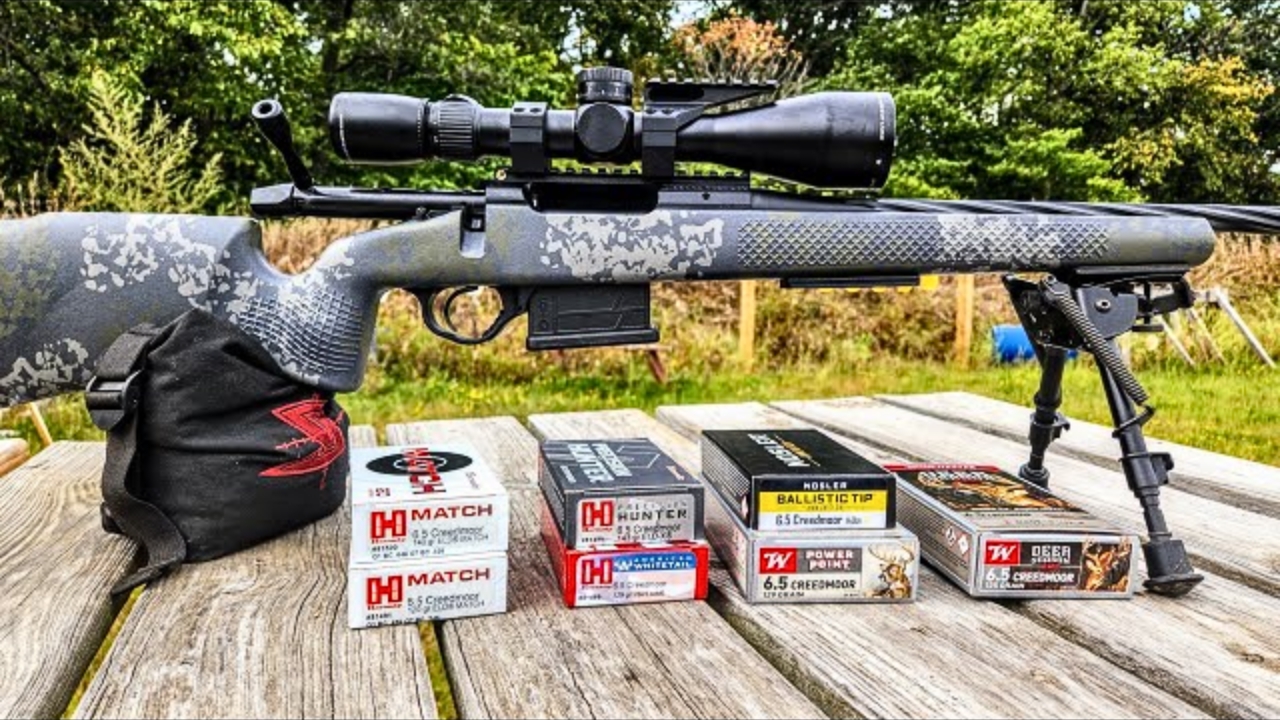
Photo credit: The Longgunner/YouTube
A hot barrel doesn’t care what you paid. It cares about steel, contour, how it’s bedded, how the stock handles heat, and how fast you’re sending rounds. A lot of “premium” hunting rifles are built to be carried a mile, fired once or twice, and carried another mile. That’s a real mission, and plenty of them do it well. The problem starts when you expect a featherweight mountain rifle to behave like a heavy-barreled range rig.
When a barrel gets warm, thin contours can start walking shots, opening groups, or shifting point of impact—sometimes enough to make you second-guess your scope, your mounts, or yourself. If you’re the kind of shooter who likes to confirm zero with a real string, or you practice from field positions every week, these are the rifles that can surprise you the wrong way unless you manage heat and cadence.
Christensen Arms Ridgeline

The Ridgeline gets bought as a “carry it anywhere” rifle, and it does that part well. Where people get frustrated is when they treat it like a range gun and start leaning on it with quick strings. A lighter hunting contour warms fast, and when it does, you can see groups open or impacts drift as the barrel and stock system settle into a new temperature.
You’re not imagining it, and it doesn’t mean the rifle is junk. It means the setup is optimized for cold-bore and warm-bore reality, not ten-round pace drills. If you own one, your best move is to confirm your cold-bore point of impact, shoot slower strings, and let the barrel cool between groups. It’ll usually reward you if you run it like a hunting rifle instead of a test bench.
Springfield Armory Model 2020 Waypoint
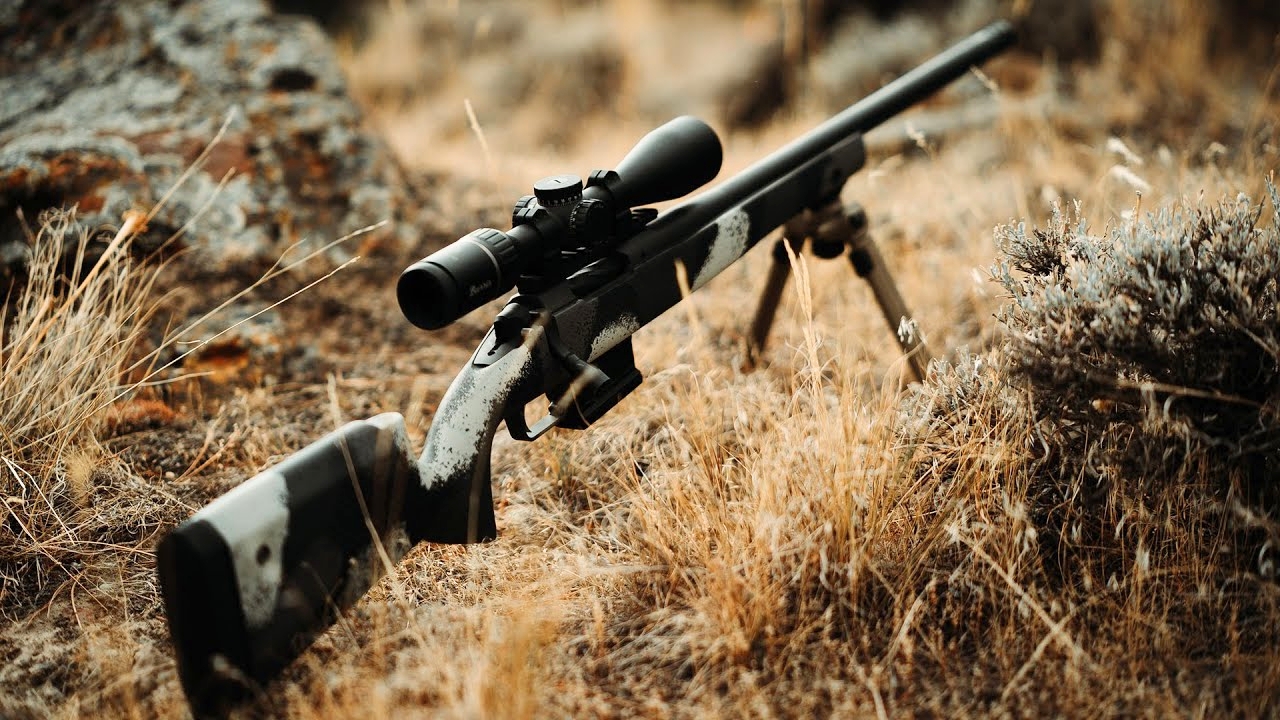
The Waypoint is marketed as a serious backcountry rifle, and it can shoot very well—especially early in a session. Where it can bite you is the same place most light rifles do: heat. If you get into a rhythm and keep sending rounds, that thin hunting profile can heat-soak quickly, and you’ll sometimes watch tight groups turn into a wider, less predictable pattern.
This is less about “accuracy” and more about repeatability once the barrel is hot. You’re buying a rifle that’s supposed to be light, not one that’s supposed to stay boring through a long string. If you want consistent practice without chasing impacts, slow your cadence, keep groups to three shots, and pay attention to the first shot out of a cool barrel. That’s the shot that matters in the mountains.
Kimber Mountain Ascent

The Mountain Ascent is built for ounces, and it feels like it the moment you carry it. The tradeoff shows up when you start shooting it like you’re trying to win a range day. A very light barrel can heat fast and start drifting, especially if you’re shooting from a stable rest and letting the rifle recoil the same way each time. The first couple shots can look great, then things start moving.
If you’ve ever watched a group “climb” or “string” as the barrel warms, you already know the feeling. It’s not always the rifle “losing accuracy.” It’s the system changing as it heats. With this kind of rifle, you get better results treating it like a hunting confirmation tool: cold shot, short groups, plenty of cool-down, and practice from field positions where your cadence is naturally slower.
Weatherby Mark V Backcountry (Ti / Carbon variants)

A Mark V Backcountry carries like a dream, and that’s why people pay for it. But once you start hammering strings, you’re back in the same reality: light barrels heat quickly, and point of impact can shift as temperature builds. With some rifles, the shift is small. With others, you’ll see enough movement to make you wonder if your scope is loose.
What makes it extra annoying is you expect a rifle in this price class to behave like a heavy, stable rig. But the design goal is weight savings, not sustained fire. If you own one, confirm your zero with a cool barrel, then do your practice in realistic chunks—three-shot groups, longer pauses, and a focus on the first shot and the first follow-up. That approach keeps you honest and keeps the rifle operating in its comfort zone.
Browning X-Bolt Pro

The X-Bolt Pro is a premium hunting rifle that often shoots impressively when it’s not heat-soaked. The frustration shows up when you settle in on bags, start sending quick groups, and watch the tight cluster loosen up. A lighter contour will do that, and it’s amplified when the rifle is very consistent in the first two or three shots—then starts acting like a different gun once the barrel warms.
You can chase that problem for months if you don’t recognize what it is. It’s usually not a “bad load” or a scope issue. It’s heat and barrel contour doing what heat and barrel contour do. The fix is boring but effective: slow down, keep strings short, and evaluate the rifle based on cold and lightly warmed performance. That’s how the rifle is meant to be used when it’s time to hunt.
Sako Finnlight (85 / 90 Finnlight)

A Finnlight feels refined, and it usually shoots like it—until you push it like a training rifle. The light profile that makes it so pleasant to carry can also make it sensitive to heat. If you’re shooting multiple groups back-to-back, the barrel temperature climbs fast, and you can see groups open or impacts drift as the steel expands and the system settles.
That’s not a knock on Sako’s quality. It’s a reminder that a lightweight hunting rifle isn’t built to stay laser-consistent through long strings. If you want to evaluate one properly, treat it like a field tool. Shoot a cold-bore shot, then a short three-shot group, then let it cool. Track where the first shot lands every session. That tells you far more about real-world performance than a hot-barrel marathon ever will.
Nosler Model 21

The Model 21 is the kind of rifle you buy when you want something light, sharp, and confidence-inspiring. It can absolutely shoot, but it’s still a lightweight hunting rifle at heart. If you run it hard with quick strings, you’re asking the barrel contour to do something it was never designed around. When it heats up, you can get vertical stringing or a slow point-of-impact walk that makes you feel like you’re chasing your tail.
The annoying part is how good it can look early on. That first group might be the kind you take a photo of. Then you try to “confirm” it with another fast group and the whole story changes. The smarter move is to practice with discipline: short strings, realistic pacing, and a hard focus on the first cold shot. That’s where rifles like this earn their reputation.
SIG Cross

The Cross is modern, light, and built around portability. It also has a lot of parts interacting—handguard, barrel, folding mechanism—so heat and pressure can show up in ways you don’t always expect when you start shooting faster. If the barrel heats and you’re loading the rifle differently on a bag or bipod, you can see changes that feel like the rifle is “walking.”
That doesn’t mean it can’t be accurate. It means it’s not a heavy, traditional target setup, and you have to shoot it consistently if you want consistent results. Keep your support pressure the same, don’t torque the gun differently shot to shot, and slow your cadence once the barrel warms. If you want to live in fast strings, you’ll usually be happier with a heavier contour. The Cross shines when you treat it like a carry rifle that gets measured, deliberate shooting.
Daniel Defense Delta 5 (lighter configurations)

The Delta 5 name makes you think “precision,” and in the right configuration it can be. But in lighter trims, you can still run into the hot-barrel reality—especially if you’re trying to stack multiple groups without a cool-down. As heat builds, you can see groups open and the rifle start feeling less predictable than it did in the first few shots.
A lot of shooters blame themselves first, and that’s understandable. But if your fundamentals are solid and the first group is tight, then the next group drifts with the same hold, heat is a likely suspect. The practical fix is to shoot it like a rifle you hunt or train with realistically: short strings, longer pauses, and careful attention to how the rifle is supported. That keeps your data clean and your confidence intact.
Bergara Premier Mountain

The Premier Mountain is a nice rifle, and it often shoots well enough to make you forget it’s built to be carried. Then you get into a longer session and remember what light hunting contours do when they’re warm. The pattern is familiar: the first group looks great, the next group grows, and the third group makes you start questioning everything from ammo to optics.
This is where expectations matter. You’re not buying a heavy, heat-tolerant barrel profile. You’re buying a rifle designed to be light in the hills. If you want repeatable performance during practice, you pace your shots and treat the barrel like a resource. Three-shot strings, longer rests, and a focus on the cold-bore hit will tell you more than a hot barrel ever will. In real hunting use, that discipline matches the way you actually shoot.
Proof Research Elevation

A Proof Elevation is a premium rifle with a premium barrel pedigree, and it can shoot extremely well. But even with a high-end barrel, a lightweight hunting contour still heats up fast, and heat still changes things. If you start running it like a semi-auto—fast groups, short breaks—you can see the rifle’s behavior shift as the barrel temperature climbs.
The mistake is thinking “expensive barrel” automatically means “endless consistency.” Steel and carbon-wrapped systems still obey physics, and a hot, thin barrel can still wander compared to a heavier profile. You get the most out of an Elevation by shooting it with purpose. Confirm the cold shot, keep your strings short, and let it cool when you’re gathering real data. That approach makes the rifle look honest instead of moody.
Fierce Firearms (light hunting models like Fury)

Fierce rifles often come with big accuracy claims and premium pricing, and plenty of them will shoot. The headache starts when you try to verify those claims with longer, faster strings. Many of the popular hunting configurations are light, and light barrels heat quickly. When they do, it’s common to see groups change shape or drift as temperature builds, especially if your rest pressure changes even a little.
That can feel like betrayal when you paid for “precision.” But again, precision and heat tolerance aren’t the same thing. A rifle can be very accurate for the first three shots and still be inconsistent when it’s hot. If you own one, test it the right way: cold-bore shot, short group, cool-down, repeat. You’ll get a clearer picture of what the rifle will do on an actual hunt.
Barrett Fieldcraft

The Fieldcraft is loved because it’s extremely easy to carry, and it points naturally. It can also shoot very well in its lane. Where it can frustrate you is the moment you ask it to behave like a heavier rifle through sustained fire. The barrel contour is built around weight savings, so it heats up quickly, and you can see vertical stringing or a slow drift if you keep shooting without breaks.
This is one of those rifles where discipline matters more than gear. You don’t “test” it with ten-round strings. You test it with realistic cadence and realistic goals. Shoot a cold shot, then a short group, then let it cool while you mark targets or log notes. If you want a rifle you can run hot without consequences, you’re shopping in a different category. The Fieldcraft is a carry rifle that rewards restraint.
Christensen Arms Mesa Titanium
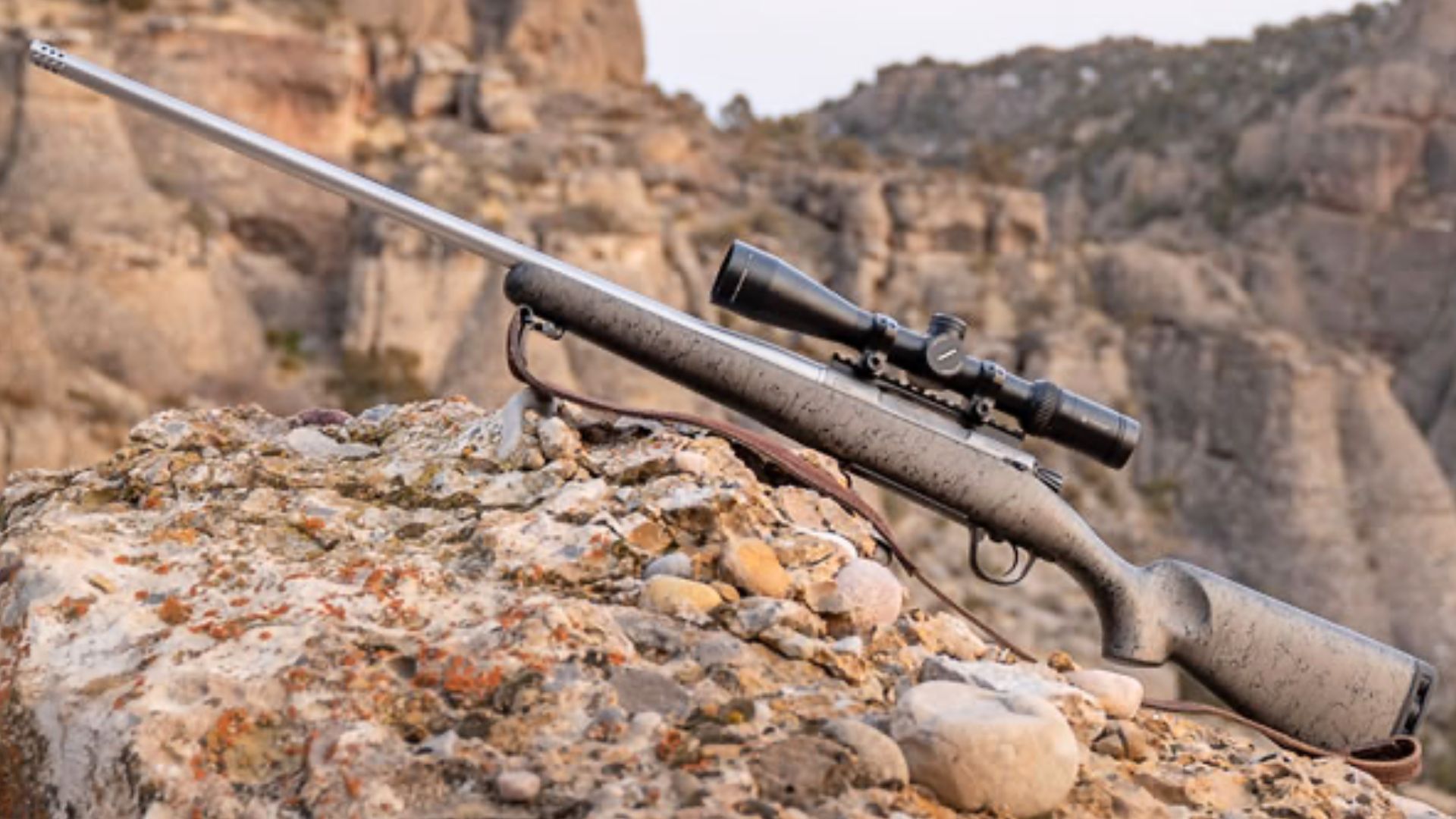
The Mesa Titanium is another rifle that tempts you to push it because it often shoots well early. Then the barrel warms and you start seeing the downside of lightweight design. If you’re stacking groups on bags with quick follow-ups, heat shows up fast, and the rifle can start opening groups or shifting point of impact enough to be noticeable.
The fix isn’t complicated, but it requires accepting the rifle for what it is. You’re buying light weight, not sustained strings. Confirm the zero cold, then practice in short bursts that mimic hunting. Pay attention to the first shot and the first follow-up, because those are the shots you’re most likely to take when it counts. If you do that, a Mesa Titanium can be a strong field rifle. If you insist on running it hot, you’ll keep thinking something is wrong.
Q The Fix

The Fix is premium, compact, and built around portability and modularity. It’s also a rifle that can show heat and handling sensitivity if you start pushing it hard. Between the lightweight concept and the way many people run it—bipods, bags, different support pressures—you can see shifts as the barrel warms and as your interface with the rifle changes.
That doesn’t mean it can’t shoot. It means you have to shoot it consistently, and you have to respect what a hot barrel does in a lightweight package. If you want repeatable groups, slow down and keep your support setup identical from shot to shot. If you’re trying to “prove” accuracy with long strings, you’re setting yourself up for frustration. The Fix is at its best when you treat it like a carry rifle that gets deliberate, measured shooting—not a rifle you cook until it finally misbehaves.
Seekins Havak Element

The Havak Element is built to be carried, and it feels like it. That usually means a lighter profile, and a lighter profile means heat becomes a factor sooner than you’d like during practice. You might see a tight first group, then a second group that opens up, then a third group that looks like you changed rifles. A lot of shooters start swapping ammo or chasing scope issues when the real issue is barrel temperature and cadence.
If you want to judge an Element fairly, run it like a hunting rifle. Keep strings short, let it cool, and track where the cold-bore shot lands every session. If the cold-bore and lightly warmed shots are consistent, the rifle is doing its job. If you want a rifle that stays steady through sustained fire, you’ll need more barrel and more mass. The Element is premium, but it’s still playing by the rules of physics.
Like The Avid Outdoorsman’s content? Subscribe to our newsletter so you never miss an article.
Here’s more from us: