Photo credit: Akifyeva S/Shutterstock.com
Every shooter hears about certain calibers that supposedly do it all—flat shooting, hard hitting, and perfectly versatile. On paper, they sound like the answer to every problem, but the field has a way of exposing weaknesses. Some cartridges get hyped in gun shops, forums, and marketing campaigns but fail to perform where it matters: consistent accuracy, terminal effect, and reliability across conditions. The reality is that reputation doesn’t always equal results. If you’ve carried these calibers into the field or downrange, you probably already know they don’t always measure up.
.17 HMR
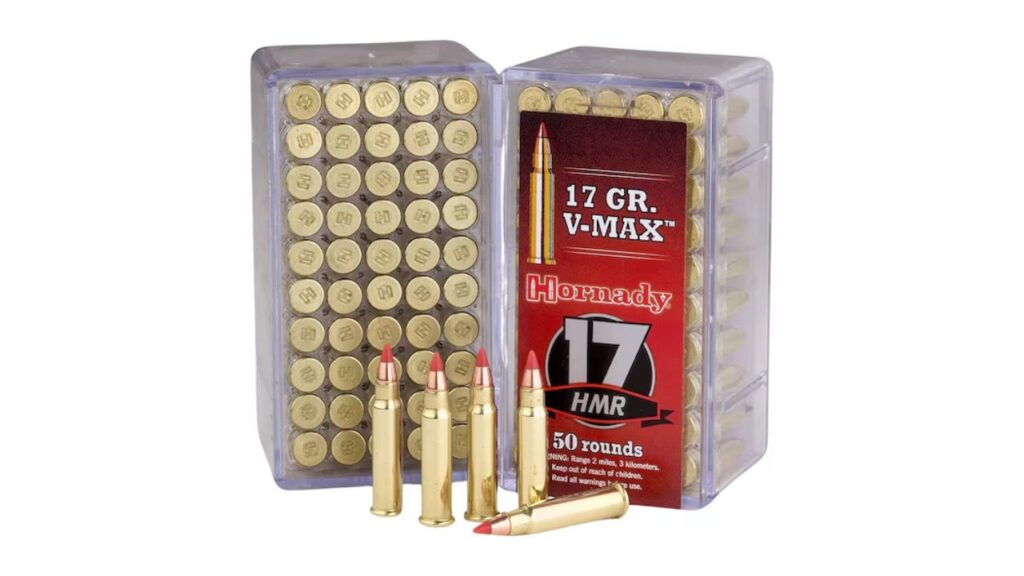
The .17 HMR is praised for its flat trajectory and blistering speed, but in practice it falls short when asked to do more than punch paper or drop very small varmints. Its light 17- or 20-grain bullets lose energy quickly, and even mild wind can push them well off target. Hunters who expected it to be a step up from .22 LR often learn the hard way that it’s not reliable on anything larger than ground squirrels.
The cartridge’s fragility also makes it less versatile than people assume. Yes, it’s accurate under controlled conditions, but it doesn’t translate well into real hunting scenarios where range, wind, and shot angles vary. For a round with such a glowing reputation, its actual usefulness is much narrower than the hype suggests.
.22 LR for Self-Defense
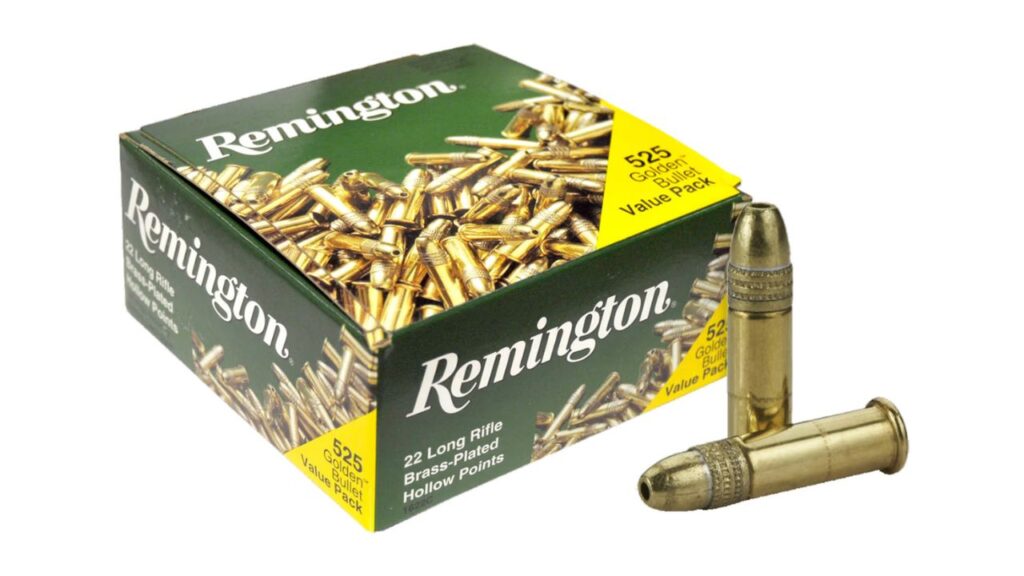
The .22 LR has been around forever and is loved for training and plinking, but its reputation in self-defense circles is wildly overstated. Some claim that modern hollow points make it “good enough,” but the reality is that .22 LR is unreliable in terms of penetration and stopping power. Rimfire priming also means misfires happen more often than most shooters are comfortable with in a defensive setting.
On the range, the .22 LR is an absolute blast, but when lives are on the line, its limitations show quickly. Penetration through bone or heavy clothing is questionable, and its ability to deliver immediate stopping effect just isn’t there. While it has a loyal following, especially among those who value low recoil, the reputation doesn’t match the caliber’s actual performance where it counts.
.300 Blackout Supersonic
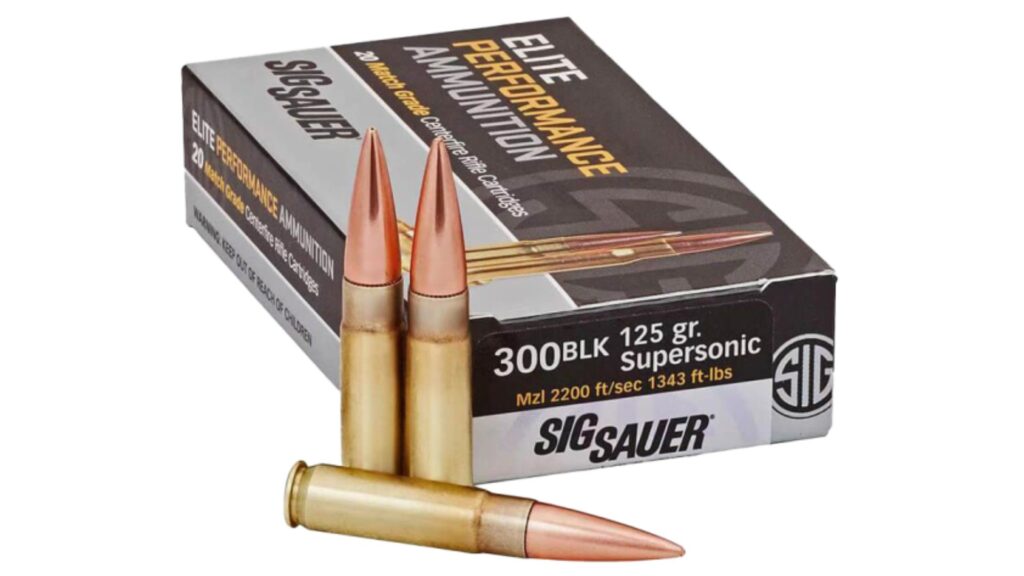
The .300 Blackout earned a big reputation as the ultimate do-it-all cartridge, especially in AR platforms. While it performs well with subsonic loads suppressed, the supersonic side doesn’t live up to the hype. Ballistically, it doesn’t hit harder than traditional intermediate cartridges like 7.62x39mm, and it has a limited effective range.
Hunters and shooters often expect the .300 Blackout to handle medium game or stretch past 200 yards, but it drops energy quickly compared to standard .308 or even 6.5 options. The caliber is versatile in theory but ends up being more of a niche tool for suppressed shooting. In the field, many find it lacks the punch or reach its reputation suggests.
6.5 Creedmoor

The 6.5 Creedmoor became a sensation in precision shooting circles, and while it’s accurate and efficient, its reputation as a hunting round is inflated. Yes, it performs well at long range on targets, but when it comes to large game, it doesn’t always deliver the stopping power people expect. Many hunters who tried it on elk or big-bodied deer found it lacking.
Wind drift is better than some calibers, but the Creedmoor isn’t immune to environmental conditions. The marketing made it sound like a ballistic miracle, but in reality, it’s a modest cartridge with limitations. If you’re shooting paper or steel, it’s fantastic. In the field on bigger game, the reputation oversells what it actually does.
.30 Carbine

The .30 Carbine built its reputation during WWII with the M1 Carbine, but in hunting and defensive use, it falls flat. Ballistically, it sits closer to a hot pistol round than a true rifle cartridge, and that shows in its performance. Penetration and terminal effect are limited, especially compared to modern intermediate rounds.
Many shooters assume the .30 Carbine bridges the gap between pistols and rifles, but it doesn’t do either job particularly well. For varmints or very small game, it works. For deer or defense, it struggles to live up to the stories that surround it. The reputation is more about nostalgia than performance.
.410 Bore for Defense
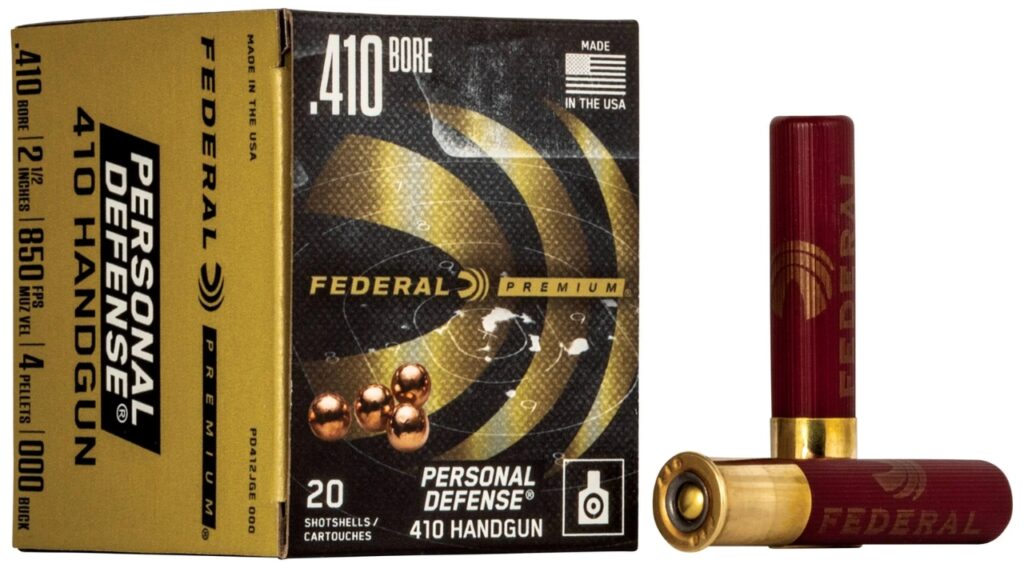
The .410 bore has become popular thanks to revolvers like the Taurus Judge and S&W Governor, but its defensive reputation is largely undeserved. At close range, some loads can be effective, but beyond that, it loses steam fast. The small payload and limited spread simply don’t compare to a standard 12-gauge or even 20-gauge shotgun.
Shooters often think of .410 as a versatile option, but in reality, it’s more of a specialty round. It can shine for small game or introducing new shooters to shotguns, but as a defensive caliber, it can’t live up to the reputation pushed by marketing campaigns.
.45 GAP

The .45 GAP was designed to replicate .45 ACP ballistics in a shorter case, fitting smaller pistol frames. While it technically works, the cartridge never lived up to the hype. Ammo availability is scarce, performance isn’t notably better than 9mm, and it lacks the wide adoption needed to stay relevant.
Shooters who bought into the idea found themselves with expensive, hard-to-find ammunition and no real advantage over tried-and-true options. On paper, it looked like a smart move. In practice, the reputation it tried to build never matched the reality of owning and shooting it.
5.7x28mm
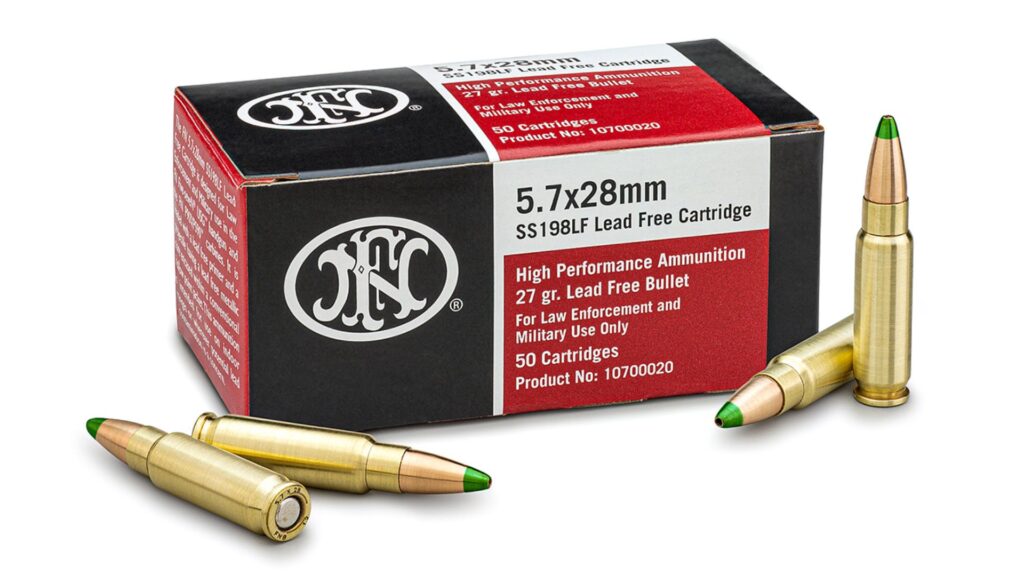
The 5.7x28mm earned a flashy reputation as a flat-shooting, armor-piercing wonder round. While it’s fast and accurate, its real-world performance on unarmored targets is underwhelming. The lightweight bullets often zip through without creating significant damage, leading many to question its stopping ability.
It does have a place in niche roles, but the hype surrounding it in civilian markets made it sound like a super caliber. In practice, it feels more like a high-speed .22 than a reliable defensive option. Its reputation was boosted by video games and marketing, but in the field, it struggles to justify the excitement.
.270 Winchester Short Magnum (WSM)

The .270 WSM promised to take the beloved .270 Winchester and give it more speed and energy. While it delivers on velocity, it also brings heavier recoil, barrel wear, and expensive ammunition. The reputation of being a “better .270” doesn’t really hold up in practice.
Hunters often find the performance gains minimal compared to the trade-offs. With limited rifle options and higher costs, the .270 WSM ends up being a harder sell in the long run. It sounds impressive in theory, but it doesn’t live up to the reputation of being the superior choice.
.32 ACP
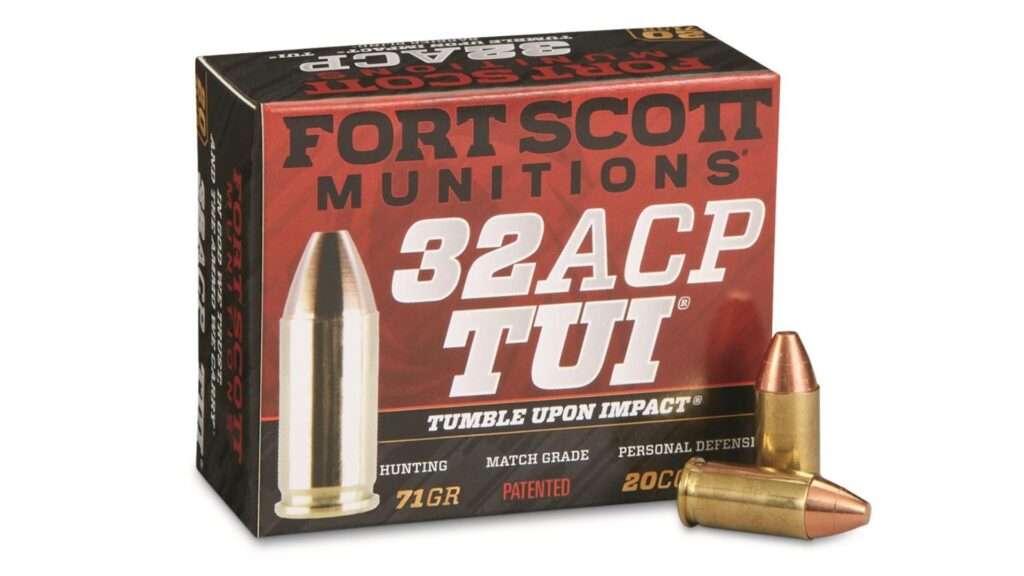
The .32 ACP built a reputation as a carry caliber in the early 20th century, but compared to modern options, it’s underpowered and limited. While it can be accurate in pocket pistols, its penetration and stopping ability are weak. In defensive use, it falls short of what people expect from a reliable cartridge.
Shooters who buy into its reputation for concealability and light recoil quickly realize that those benefits don’t outweigh the performance drawbacks. It may have been adequate in the past, but today, it simply doesn’t live up to its reputation as a dependable choice for defense.
8mm Mauser Surplus Loads
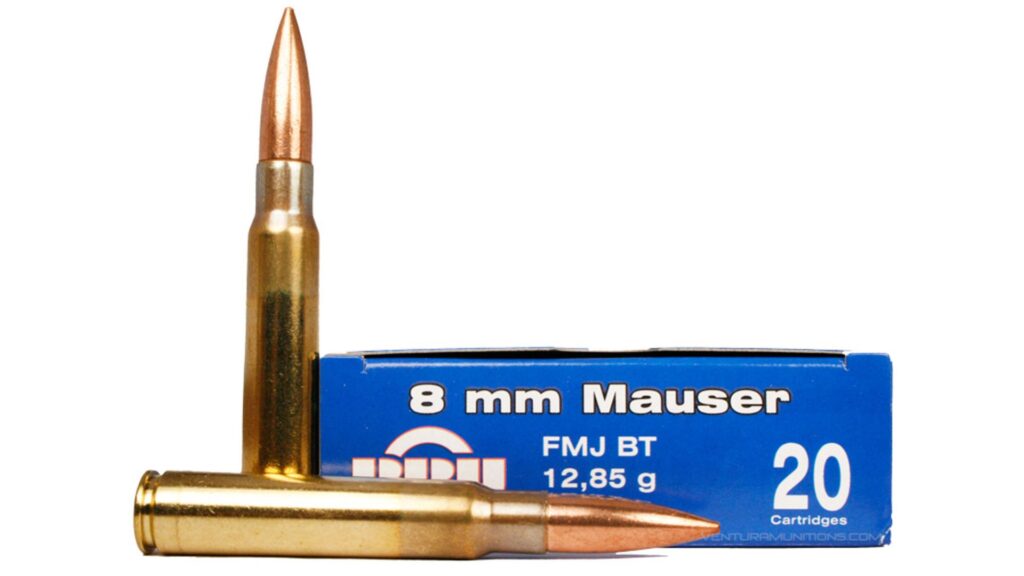
The 8mm Mauser itself is a solid cartridge, but much of its reputation suffers from the reality of surplus ammunition. Many shooters expect powerful performance but end up disappointed by underloaded or inconsistent surplus rounds that shoot softer than advertised. The reputation of “hard-hitting 8mm” doesn’t always match what you get in practice.
Hunters and collectors often discover that commercial loads tell a different story than the surplus that built its reputation. When compared to modern calibers like .30-06 or .308, the 8mm’s field performance feels less impressive than its legendary status suggests.
.41 Magnum

The .41 Magnum was marketed as the perfect balance between .357 Magnum and .44 Magnum, but in reality, it never quite delivered. The reputation of being the “best of both worlds” didn’t hold up once shooters realized ammo was harder to find, recoil was still stout, and the performance gains weren’t significant enough.
While it’s accurate and powerful, it never lived up to the reputation its designers hoped for. The .41 Magnum has loyal fans, but in the broader shooting world, it stands as an example of a cartridge that promised more than it delivered.
*This article was developed with AI-powered tools and has been carefully reviewed by our editors.