Photo credit: Lipik Stock Media/Shutterstock.com
There are rifles you want because they look right, sound right, and carry a reputation that feels bulletproof. They’re the ones you’ve seen in photos a thousand times, the ones your buddies talk about like they’re a rite of passage. Then you finally bring one home—and the reality shows up fast. Not because the rifle is “bad,” but because ownership forces you to deal with weight, recoil, maintenance, ammo cost, quirks, and the gap between what the rifle is built to do and what you actually do.
A lot of these rifles are great in the right lane. The problem is most people buy them for the idea of them. And when the idea meets real hunts, real range time, and real budgets, the honeymoon ends.
These are rifles everyone seems to want… until they own one.
Ruger Precision Rifle

The Ruger Precision Rifle is the classic “long-range dream” purchase. It looks the part, has adjustability everywhere, and it usually shoots well enough to make you feel like you’re entering a new level of rifleman. It gets recommended constantly because it offers a lot of features without a custom price tag.
Then you carry it. Or try to. The weight and bulk are the first reality check, especially if you thought it might double as a hunting rifle. The second reality check is how often you actually shoot at distance. If you don’t have regular access to long ranges, it becomes a heavy safe queen. It’s a solid rifle for its role. Most owners trade it because their lifestyle never matched that role.
Barrett M82 / M107

Everybody wants a .50 BMG at least once. The Barrett is iconic, and owning one feels like owning a piece of modern military history. It’s pure bucket-list energy. The rifle is impressive, the sound is unforgettable, and it turns every range trip into a crowd event.
Then you price the ammo and find a place to shoot it regularly. It’s big, heavy, and not exactly convenient to transport. You also learn quickly that it’s not a “go shoot a few rounds after work” rifle. It’s a planned outing with a budget and logistics. Plenty of owners realize they love the idea more than the reality. The Barrett is incredible at being a Barrett. It’s not incredible at being practical.
SIG Sauer Cross

The Cross looks like the do-it-all modern rifle: light enough to carry, compact enough to travel, and “precision” enough to make you think you’ll start ringing steel at distance every weekend. People want it because it feels like the future compared to traditional hunting rifles.
Then you live with the balance and the feel. Some shooters never bond with the chassis-style ergonomics for hunting. Others realize they don’t actually need a folding, compact setup, and they’d rather have a conventional rifle that points more naturally and carries quieter. It can be a capable rifle, but it’s easy to buy on concept alone. If the concept doesn’t match your hunts and your habits, it becomes one of those rifles you respect but don’t keep.
Christensen Arms Ridgeline

The Ridgeline is the classic “mountain rifle” fantasy: light, sleek, premium, and built for the guy who’s always chasing steep country. It gets praised because weight matters, and a lighter rifle feels like a smart upgrade when you’re staring at miles of elevation.
Then you shoot it like a normal person. Lightweight rifles are harder to shoot well from field positions, and recoil can feel sharper than you expect, especially in magnum chamberings. Some owners also don’t like how much movement they see in the sights compared to heavier rifles. The Ridgeline can be excellent, but it demands more discipline than most people admit. If your hunts are mostly stand hunts or short walks, you end up wondering why you paid for weight savings you never needed.
Marlin 1895 SBL
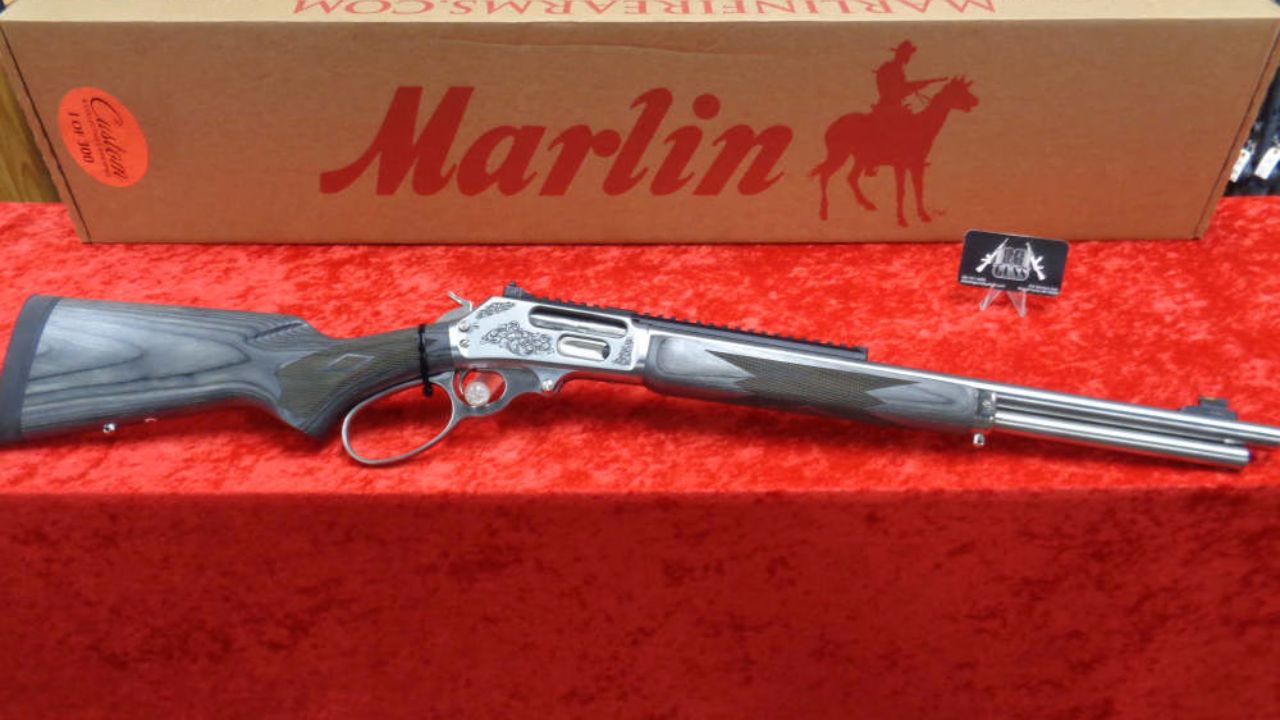
The 1895 SBL is one of the most wanted lever guns out there. Stainless and laminate look right, .45-70 carries serious authority, and the whole package feels like it belongs in a truck or a scabbard in thick timber. People want it because it’s cool, period.
Then the recoil and ammo cost shape how much you actually shoot it. Full-power .45-70 is not a casual plinking experience, and a lot of owners don’t practice with it the way they do with a .308 or .30-06. If you’re not hunting the kind of close cover where it shines, it becomes more of a vibe than a tool. It’s a great rifle in the right woods. Plenty of owners don’t live in those woods.
Henry Big Boy X Model
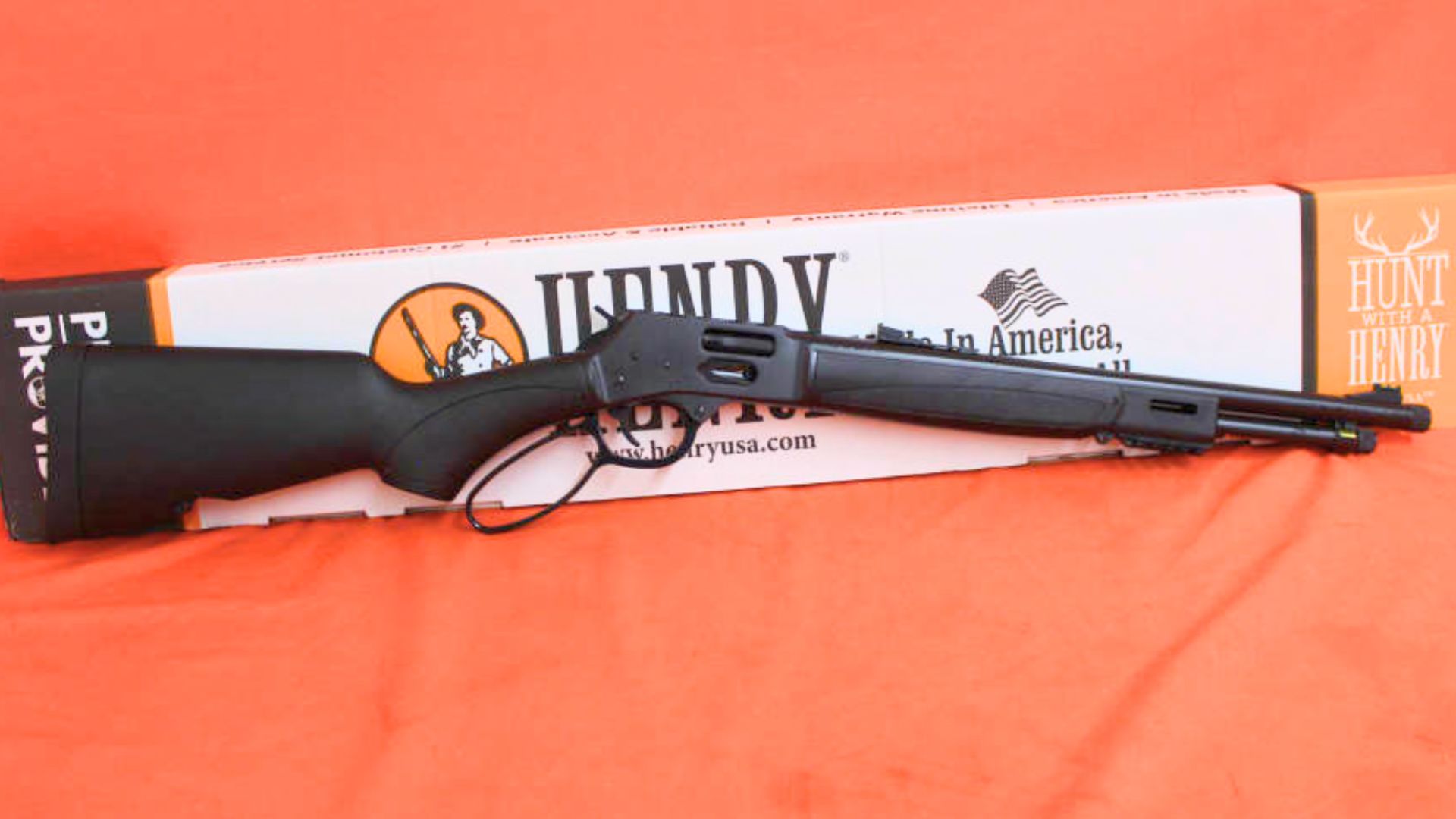
The Henry X Model gets bought because it looks like the modern lever gun everyone pictured—threaded muzzle, tough finish, and a style that feels ready for a red dot and a can. It’s fun, it photographs well, and it feels different than the usual bolt-gun world.
Then you realize lever guns are still lever guns. Reload speed, accessory weight, and the manual of arms don’t change because you added modern furniture. Some owners also find the rifle gets heavier and less handy once they start adding the stuff the marketing suggests. It’s great as a fun range rifle and a specific-use woods gun. It’s not the do-everything answer people convince themselves it is.
Daniel Defense DDM4 (high-end AR-15)
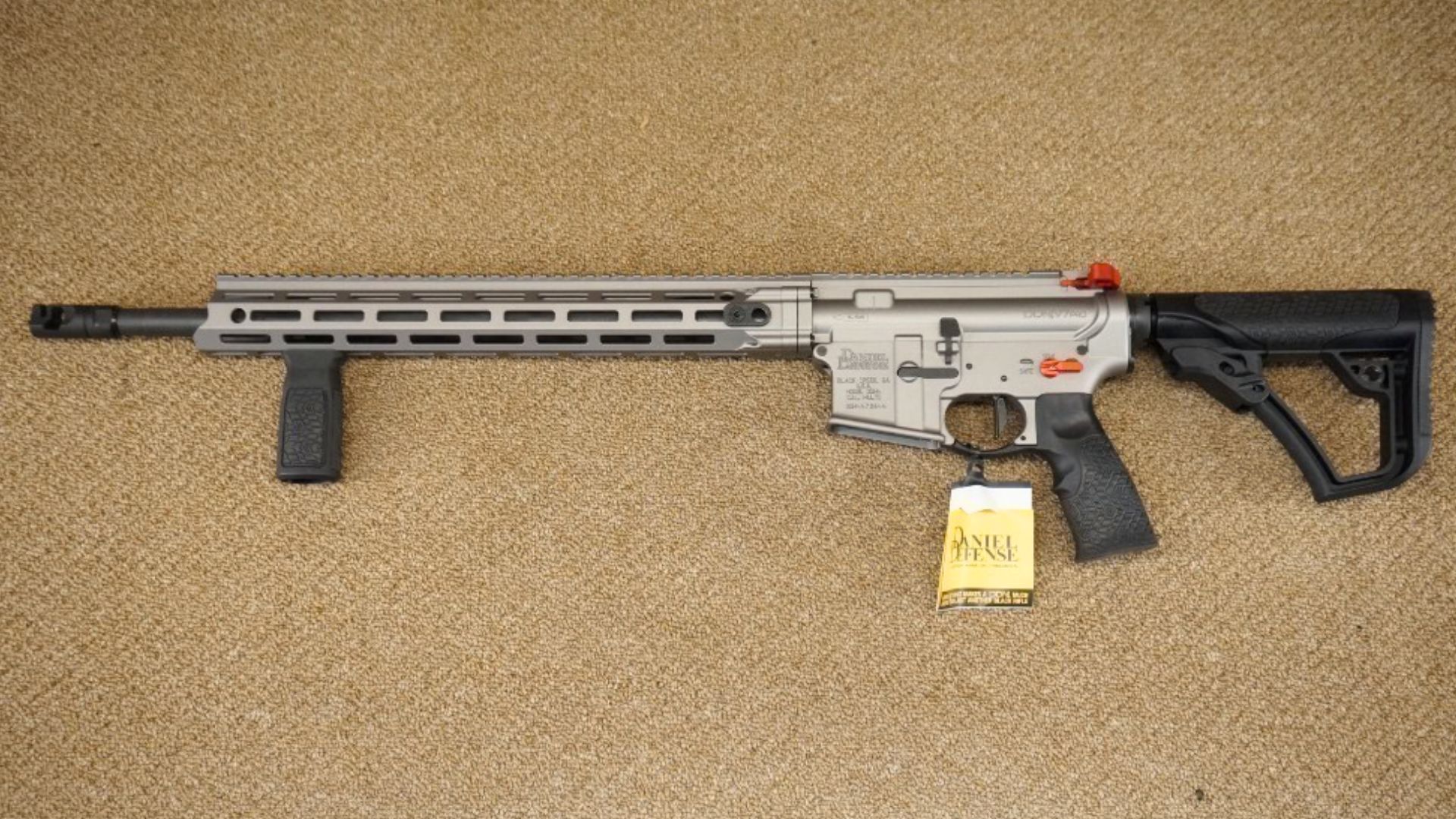
A Daniel Defense AR is the rifle many people want because it’s a premium name and it feels “done” right out of the box. Reviews praise the quality, and owners like knowing they bought something respected. It’s the rifle you buy when you want to stop wondering if your gear is the weak link.
Then you run headfirst into the truth: you paid premium money for a tool that still depends on training and ammo. Some owners also realize they didn’t need a top-tier AR for the kind of shooting they actually do, and the resale value becomes tempting when other expenses show up. The rifle isn’t the problem—it usually runs great. The problem is buying a high-end AR when your use case was “a few range trips a year.” That’s how great rifles get sold.
Springfield Armory M1A

The M1A pulls people in with looks and history. It feels like a serious rifle, and it carries that classic battle rifle appeal. A lot of shooters want one because it scratches an itch no AR ever will. It looks right, it balances differently, and it has a certain old-school charm.
Then you deal with optics mounting, weight, and cost. The platform can be less straightforward to modernize than people expect, and some owners find it less practical than a .308 AR for the same money. It can also be a rifle you admire more than you shoot, especially once you realize how much easier other platforms are to feed, mount, and maintain. The M1A can be great fun. It can also be a quick lesson in nostalgia versus practicality.
FN SCAR 17S
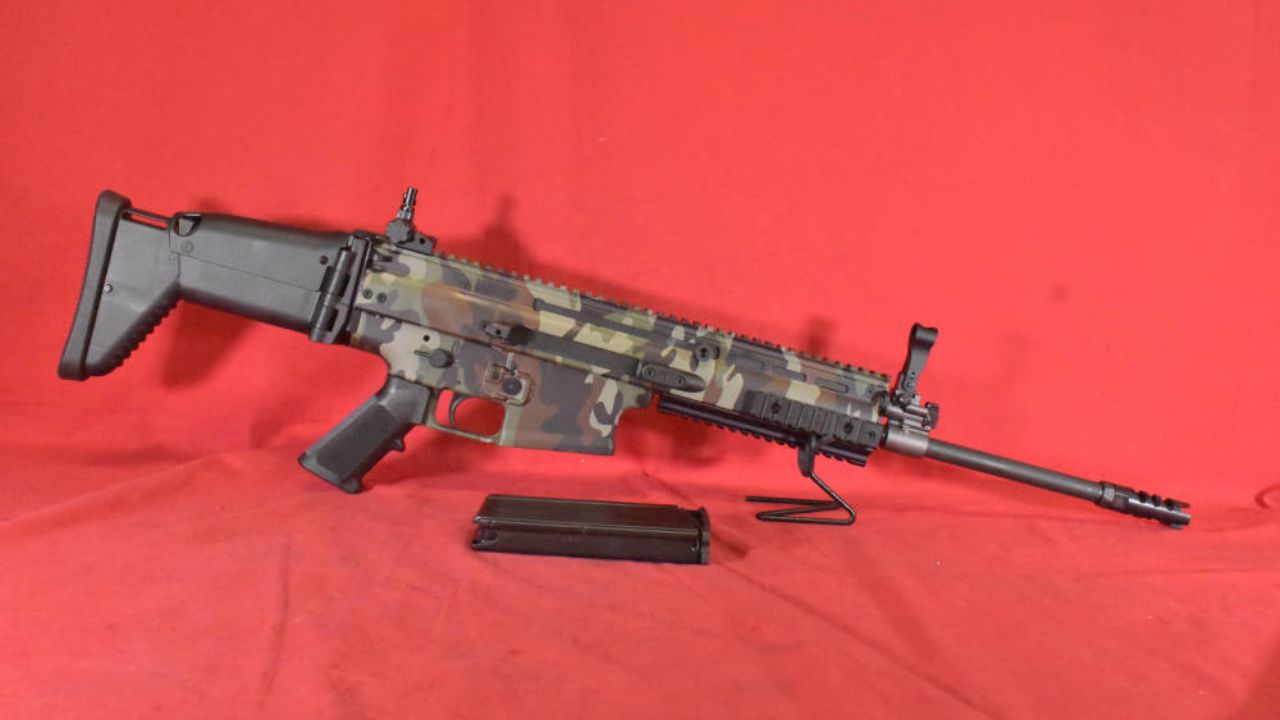
The SCAR 17S is a dream rifle for a lot of people because it’s iconic, lightweight for a .308, and carries serious reputation. It feels like the kind of rifle you buy once and never sell. Reviews praise it, and the name alone makes buyers feel like they’re stepping into the big leagues.
Then the ownership costs show up. The rifle and magazines are expensive, and it can be hard to justify when a lot of other .308 platforms shoot very well for less. Some owners also end up treating it like a collectible rather than a hard-use rifle because they don’t want to beat up a pricey purchase. The SCAR can be a great rifle. It’s also a rifle that gets sold when the owner decides the practical return doesn’t match the buy-in.
Ruger Mini-14

People want the Mini-14 because it looks right. It has that classic ranch rifle vibe, it feels handy, and it scratches the itch for an “AR alternative” that still shoots a common cartridge. Reviews often highlight the handling and the fun factor, and it’s hard not to like the concept.
Then you start trying to set it up like a modern rifle. Magazines and accessories can be more limiting compared to the AR world, and costs add up faster than expected. Some owners also find that once they start shooting more seriously, they want the modularity and ease of optics mounting that ARs offer. The Mini can be a great rifle for certain people. The problem is many buyers want it to be something it isn’t.
Desert Tech MDRX
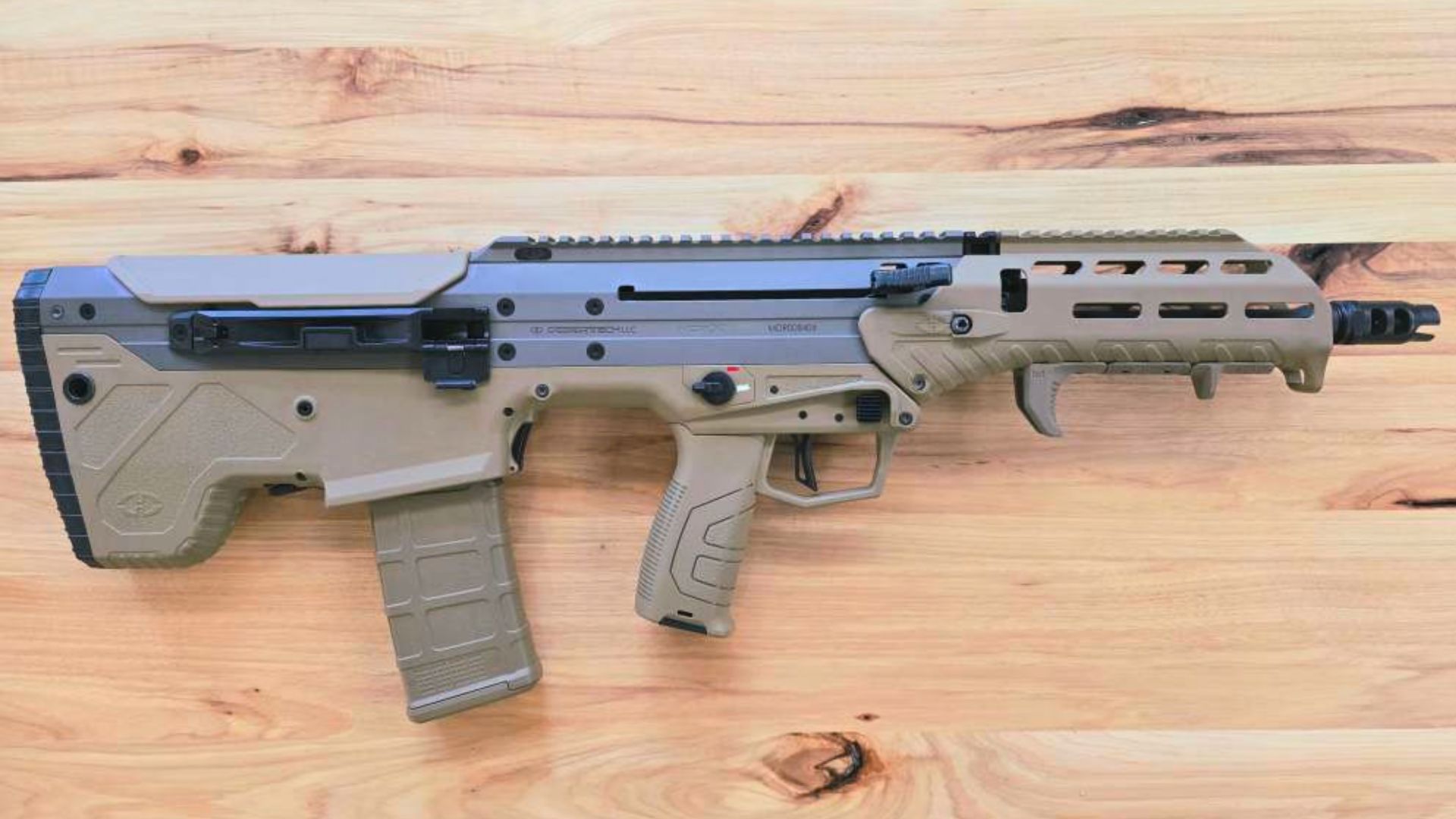
The MDRX gets attention because bullpups look futuristic and compact. People want it because it promises a short overall package with a full-length barrel and a cool factor that’s off the charts. Reviews tend to focus on the concept and how handy it feels in tight spaces.
Then you live with a bullpup. Triggers are different, balance is different, and maintenance can feel more involved than conventional rifles. Some owners also learn that “compact” doesn’t automatically mean “better” for their shooting. If you don’t have a real reason for the bullpup layout, the novelty wears off and you start missing the simplicity of a standard rifle. The MDRX can be interesting and capable. It can also be a quick trip through the trade rack for people who bought it for looks.
IWI Tavor X95
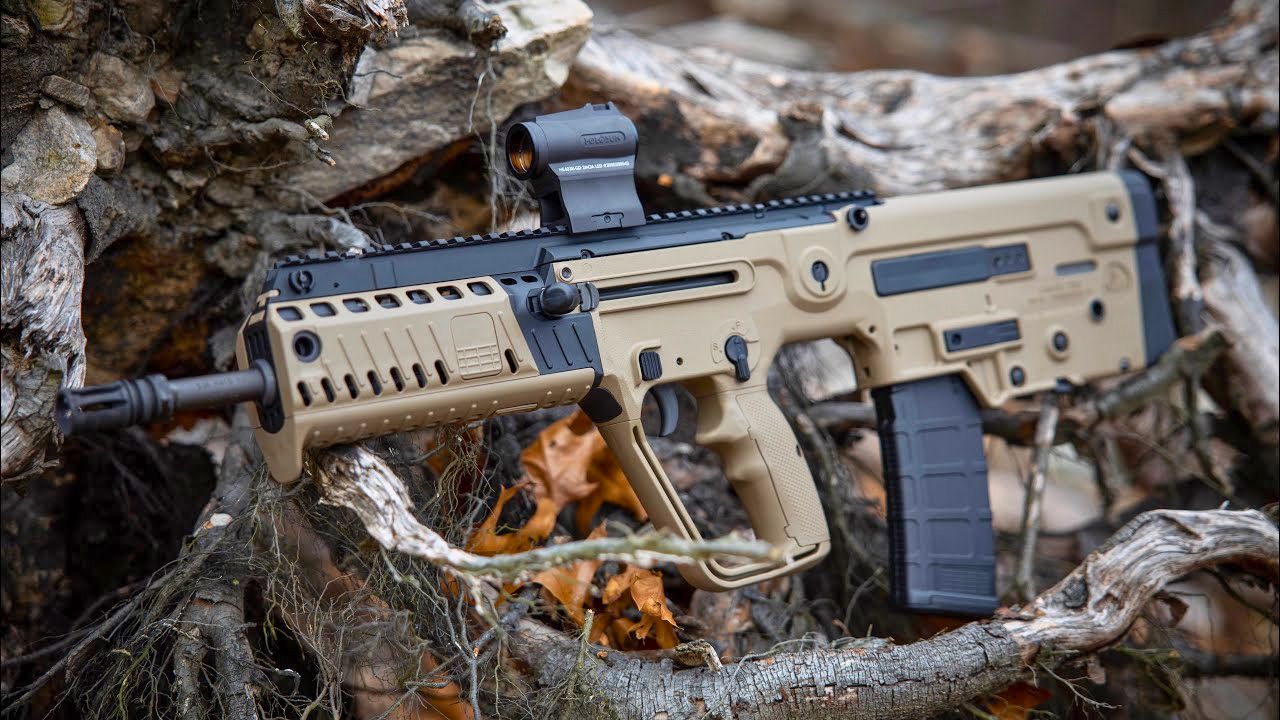
The X95 is another rifle people want because it looks cool and feels compact and tough. It has a strong reputation, and a lot of shooters buy it thinking it will be their ultimate home-defense rifle because it’s short and maneuverable.
Then the ergonomics and trigger reality show up. Some people adapt and love it. Others realize they shoot conventional rifles better, faster, and with less effort. Bullpups also push weight back, which can feel odd during longer sessions. If you don’t train enough to make the manual of arms second nature, you’ll always feel a step behind compared to an AR. The X95 can be a strong rifle. Many owners still trade it once they admit they wanted the concept more than the day-to-day experience.
Remington 700 (modern factory rifles)
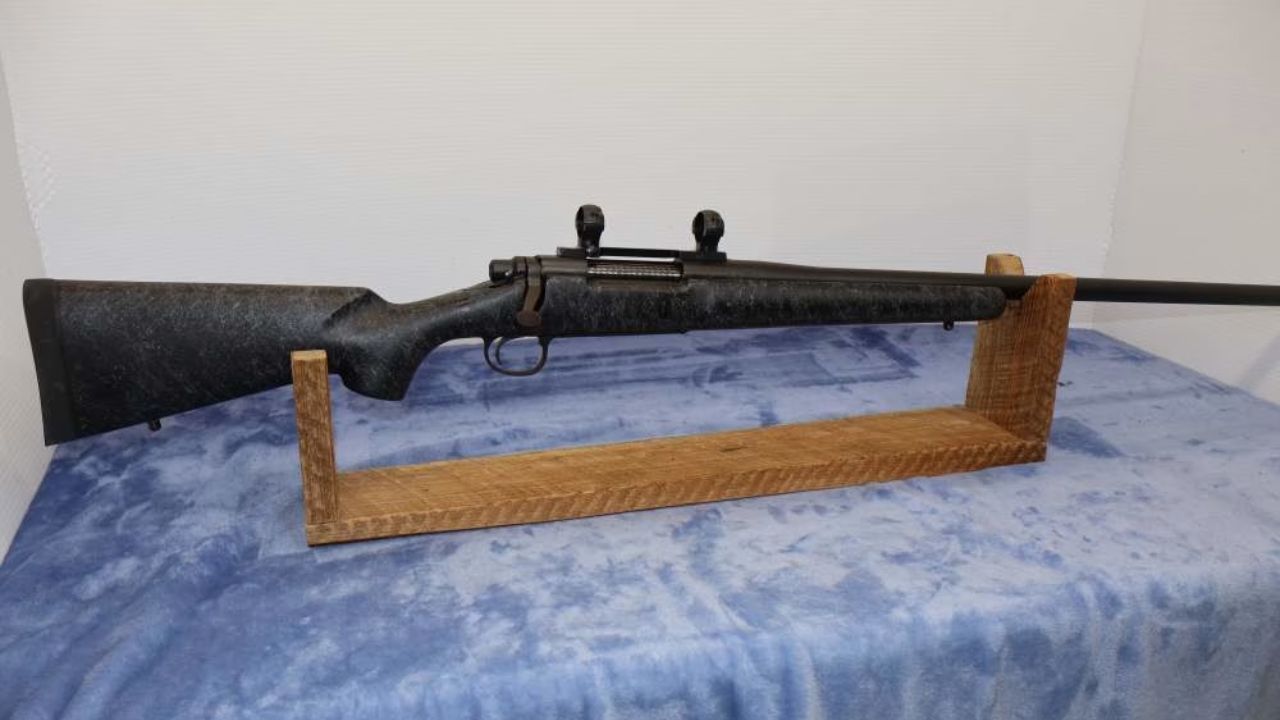
Everybody wants a Remington 700 because the name is everywhere. It’s the rifle you picture when you think “bolt-action hunting rifle,” and the platform’s history makes buyers confident. Reviews and internet talk often treat it like a default answer.
Then you find out the platform’s reputation and the factory rifle in your hands aren’t always the same thing. Many owners end up wanting a better stock, better trigger feel, or better out-of-the-box consistency than they got. The 700 can still be a great foundation, but “foundation” is the key word. If you wanted a finished rifle, you may get frustrated by what it takes to make it feel like one. That’s when a rifle with a legendary name gets traded surprisingly fast.
Lightweight carbon-barrel hunting rifles (specific: Browning X-Bolt Pro)

The X-Bolt Pro gets wanted because it looks like the ultimate mountain rifle: light, premium, and built to carry far. Reviews praise the weight savings and the upscale feel, and it’s easy to convince yourself it’ll make your hunting life better immediately.
Then you shoot it offhand in real wind, or from awkward positions, and you realize light rifles are less forgiving. A lighter rifle moves more, and recoil feels sharper than a heavier rig. Some owners also realize their hunts don’t demand a premium lightweight rifle, so the cost starts to bother them. The X-Bolt Pro can be excellent, but it’s built for a specific kind of hunting. If you don’t live that hunt, you end up owning a very expensive answer to a question you weren’t asking.
Like The Avid Outdoorsman’s content? Subscribe to our newsletter so you never miss an article.
Here’s more from us: