Photo credit: NRApubs/YouTube
Some guns build up a reputation they don’t deserve. Maybe it’s marketing, maybe it’s fanboys hyping them online—but once you actually put a few rounds through them, it’s clear they’re not all they’re cracked up to be. Whether it’s reliability issues, bad triggers, poor accuracy, or just a frustrating user experience, these guns show up with high expectations and end up disappointing. If you’re tired of wasting money on empty promises, here are 13 guns that talk big but don’t back it up where it counts.
Kimber Micro 9

The Micro 9 looks great and has that classic 1911 appeal, but it’s picky with ammo and not as reliable as you’d hope for a carry gun. Many shooters report feeding issues, especially with hollow points.
It’s marketed as premium, but the trigger is inconsistent and the controls feel cramped. For the price, you’re better off with something more dependable. The hype doesn’t match what it actually delivers when it counts.
Remington R51

This one came with a huge comeback story, but it flopped—hard. The R51 had major reliability problems right out of the gate, and even after updates, it never really recovered.
It’s got a strange feel, a weird recoil impulse, and controls that don’t make much sense. You’d think with all the buzz it got, it’d be a decent option. In reality, it’s a headache waiting to happen.
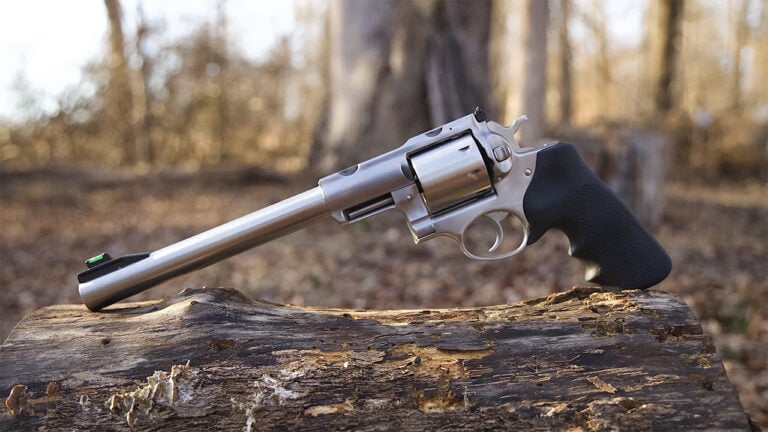
Desert Eagle .50 AE

Everyone knows it from movies and video games, but shooting it in real life is another story. It’s heavy, unwieldy, and way too impractical for most real-world use.
Sure, it turns heads at the range, but the recoil is punishing and follow-up shots are slow. It’s more of a novelty than anything serious. The hype is all flash—there’s not much substance once you start using it regularly.
FN Five-seveN
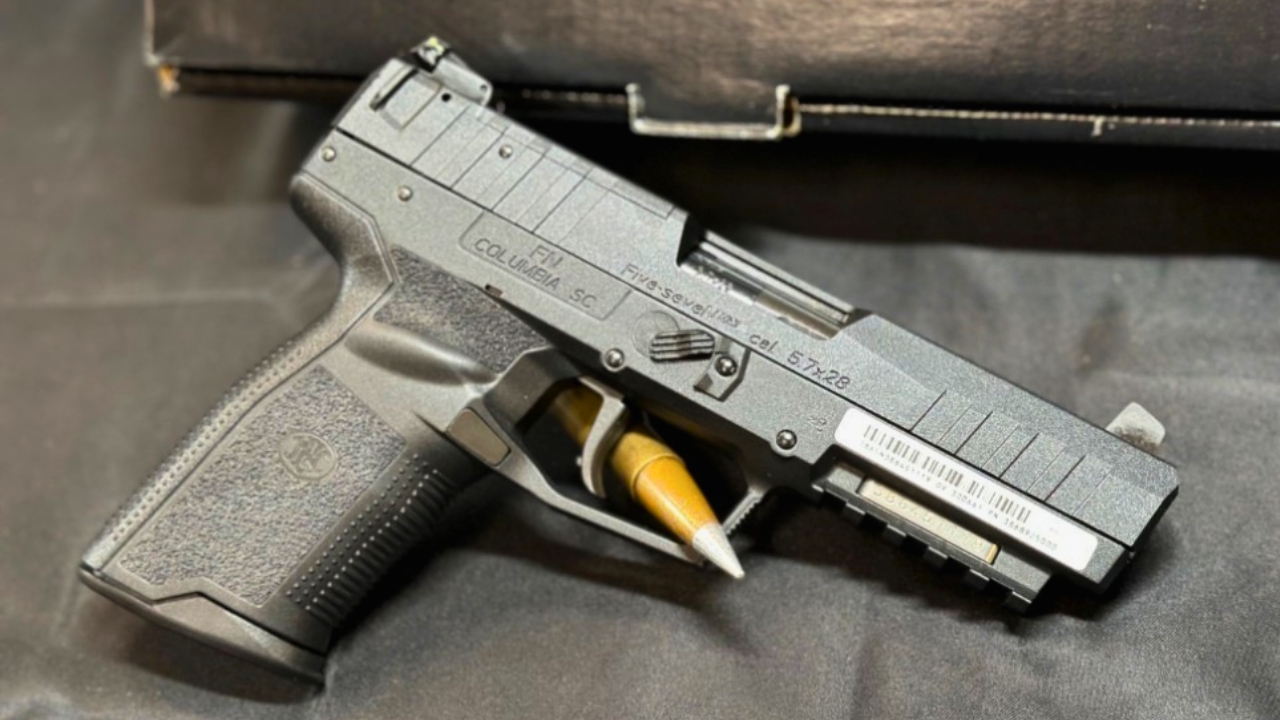
This one gets praised for its low recoil and high capacity, but most folks walk away underwhelmed. The trigger feels plasticky, the grip is awkward, and the ammo is expensive and hard to find.
Accuracy is decent, but it doesn’t feel like it matches the price tag. A lot of shooters end up wondering what they paid for—especially when there are better options at half the cost.
Kel-Tec Sub-2000

The folding design is neat, but that’s where the good stuff ends. The trigger is terrible, the sights are frustrating, and the whole gun feels more like a gimmick than a tool.
On paper, it looks like a great backpack rifle. In practice, it’s awkward to shoot and often needs a bunch of aftermarket parts to make it usable. It’s one of those guns that gets attention but rarely holds up.
Glock 44

Glock fans were excited to get a .22 version, but the 44 fell flat fast. Reliability was rough, with cycling issues right out of the box—even with decent ammo.
It feels like a training tool that wasn’t ready to leave the shop. For a company known for dependable pistols, this one misses the mark in more ways than one.
Sig Sauer P320 (Early Models)

Before the upgrades, early P320s had serious issues—including drop-fire concerns that made headlines. Even aside from that, the stock trigger wasn’t anything special, and some had inconsistent performance.
Sig fixed a lot in newer models, but those early runs burned a lot of trust. For something that got hyped as the next big thing, it didn’t live up to the praise when it first hit shelves.
Smith & Wesson Bodyguard 380
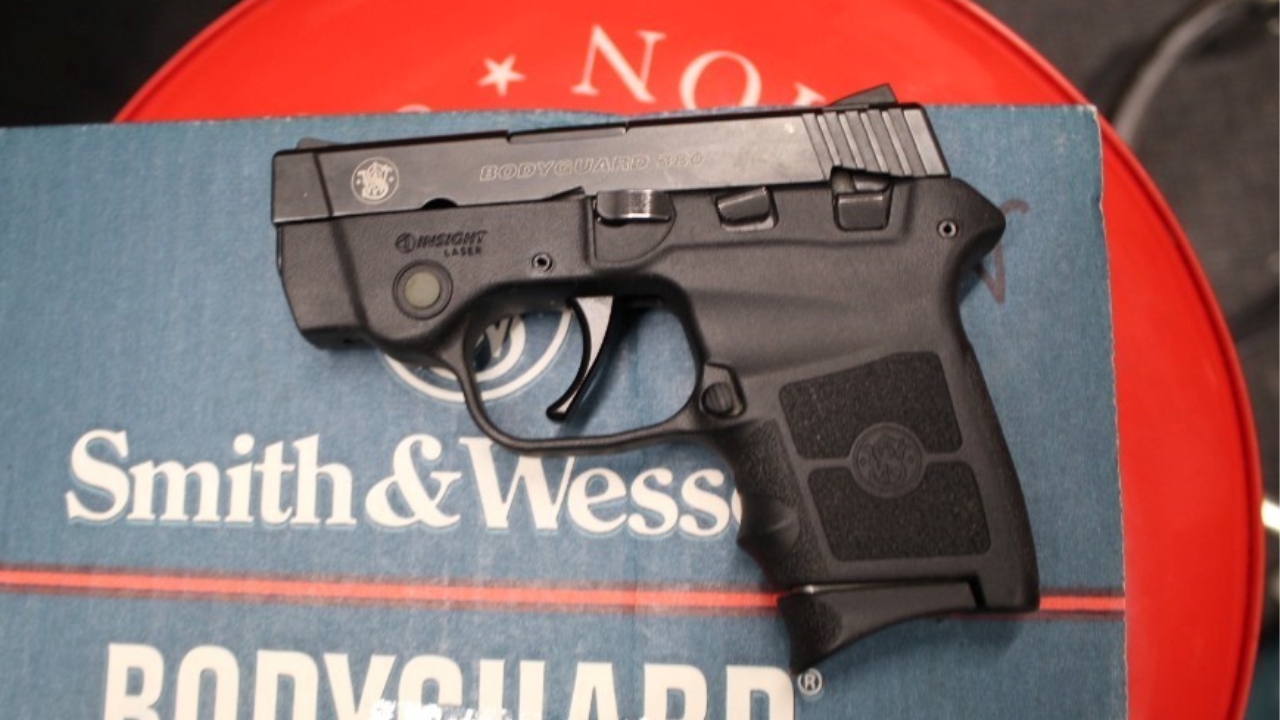
It’s compact and lightweight, but the trigger is incredibly long and heavy. That makes it hard to shoot well, especially under stress.
A lot of new shooters get drawn in by the size and price, only to find out it’s not much fun to train with—and even harder to get accurate shots. It’s not as practical as it claims to be.
Taurus Curve

The Curve was supposed to be the future of deep concealment. It had no sights, a strange shape, and claimed to contour to your body. In reality, it was tough to shoot, inaccurate, and not all that comfortable.
The concept was different, sure—but different doesn’t always mean better. This is one of those guns where the marketing outshined the actual performance by a mile.
HK VP70

It gets some love for being the first polymer-framed pistol, but the trigger is awful—heavy, mushy, and hard to master. It was ahead of its time in design, but definitely not in shootability.
Even collectors admit it’s more of a conversation piece than something you’d actually want to put rounds through. Cool history, but don’t expect it to shoot like a modern HK.
Walther CCP

The CCP has an unusual gas-delayed blowback system, but it brings problems along with it. Cleaning is tedious, disassembly is awkward, and the trigger has a gritty, disconnected feel.
Some users love it, but many others end up frustrated by reliability and function issues. Walther makes great pistols—this one just isn’t their best.
Chiappa Rhino

The Rhino gets tons of hype for its low bore axis and wild design, but the trigger is strange and not very consistent. Some models have timing issues or rough internals that need tuning.
It shoots differently than a standard revolver, and that takes time to get used to. Some folks swear by it—but most end up realizing it’s more about the look than the performance.
Mossberg MC1sc

Mossberg’s first crack at a handgun had people excited, but the MC1sc feels underwhelming in practice. The trigger is mediocre, the grip texture’s too slick, and reliability has been hit-or-miss.
For a company that knows shotguns inside and out, this one felt rushed. It got plenty of press, but most shooters moved on pretty fast once they actually got hands-on time.
*This article was developed with AI-powered tools and has been carefully reviewed by our editors.