Photo credit: Yevhen Voronetskyi/Shutterstock.com
Gun companies love selling the idea that newer automatically means better. New stock design, new finish, new optics cut, new materials, new marketing language, and suddenly buyers are supposed to believe the old guard has been left behind. Sometimes that is true. A lot of times it is not. There are plenty of older firearms that still do their job so well that newer competition ends up looking overpriced, overcomplicated, or simply less satisfying once the shooting starts.
That is what gives old-school guns their staying power. They were built around function first, and the good ones keep proving that solid design ages better than hype. Some of these firearms are smoother, tougher, more accurate, or just more trustworthy than the newer models trying to replace them. Here are 15 old-school firearms that still embarrass a lot of the newer competition.
Winchester Model 70

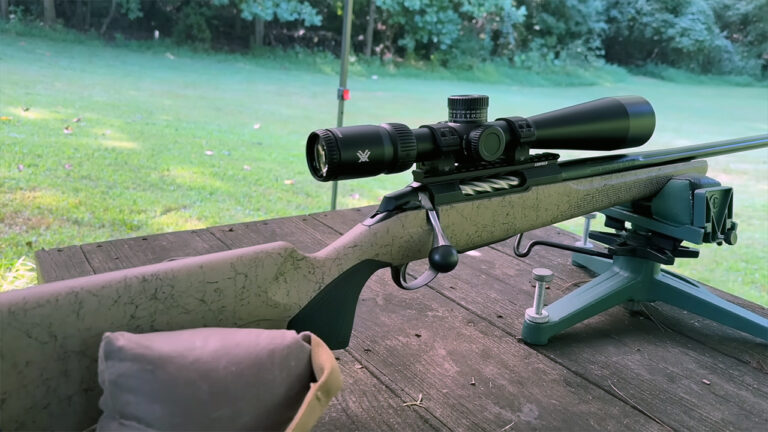
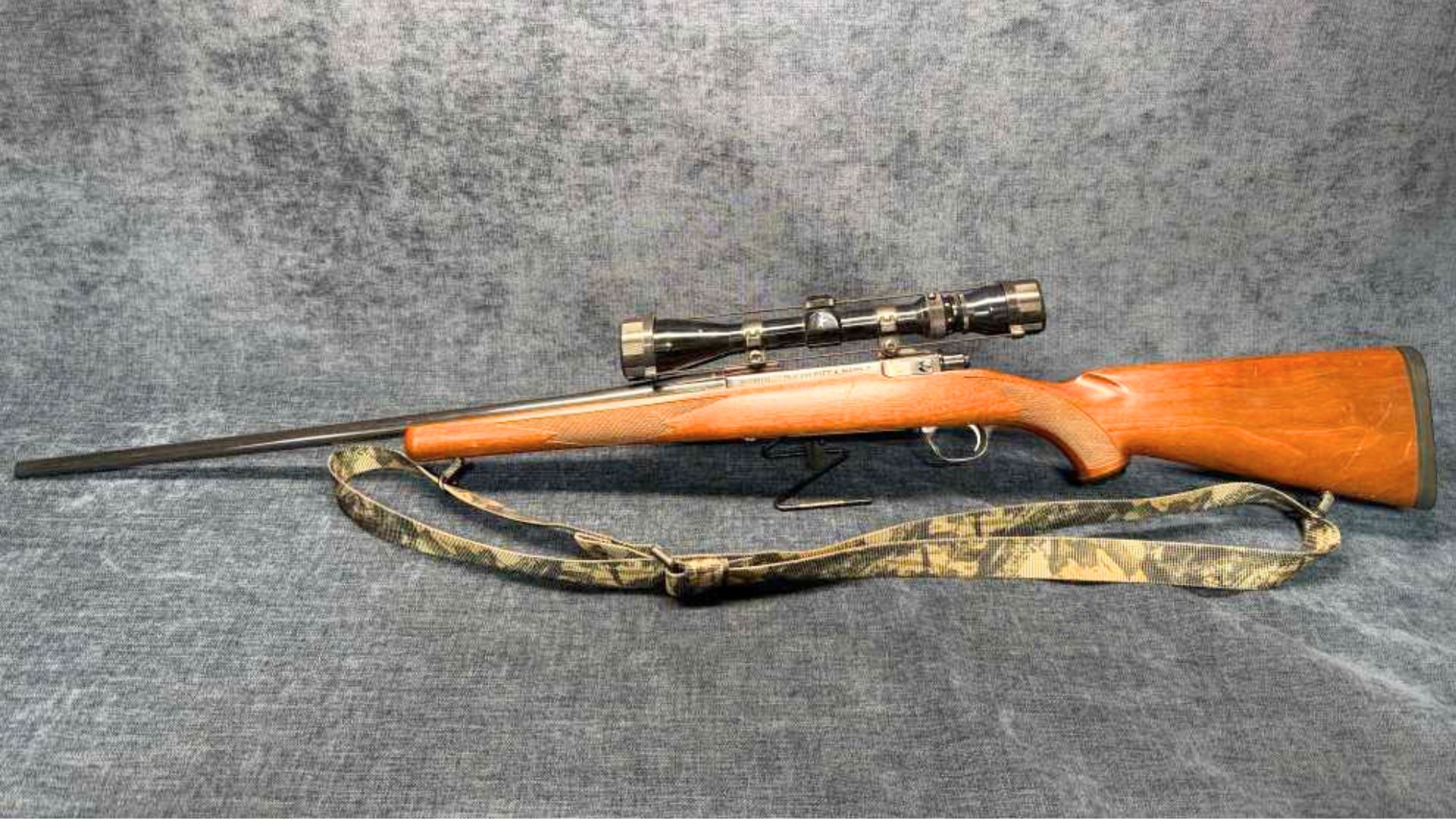
The Model 70 still embarrasses newer rifles because it feels like a real hunting rifle from the first time you pick it up. The action has a confidence to it, the balance feels natural, and the whole gun carries itself like it was built for the field instead of the sales floor. Plenty of newer rifles promise better ergonomics or more modern features, but they often end up feeling hollow next to a good Model 70.
What really keeps it ahead is how little nonsense comes with it. It does not need gimmicks to feel trustworthy. It shoulders cleanly, shoots well, and keeps proving why so many hunters still judge bolt guns against it whether they admit it or not. A lot of modern rifles try hard to look advanced. The Model 70 just keeps acting like a rifle should.
Browning Hi-Power
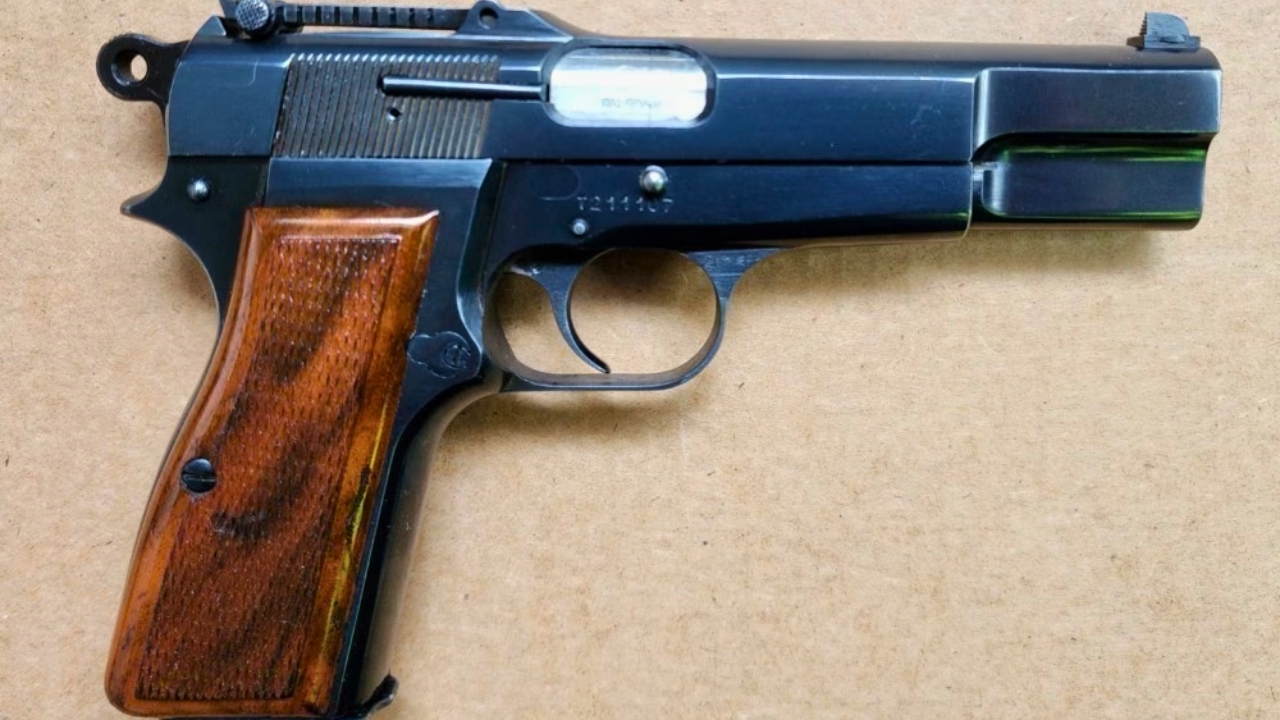
The Hi-Power still embarrasses newer pistols because it reminds shooters that a handgun can be elegant and useful at the same time. The grip shape, the balance, and the natural pointability are still hard to beat. A lot of newer pistols offer more capacity, more rails, more cuts, and more marketing buzz, but they do not necessarily feel better in the hand or shoot with more instinctive confidence.
That is where the Hi-Power keeps making people pause. It comes from an era when designers obsessed more over how a pistol actually felt than how many selling points could be crammed into a brochure. A good Hi-Power still has a way of making a lot of modern handguns feel clumsy, even when those newer guns are supposed to be more advanced.
Smith & Wesson Model 10
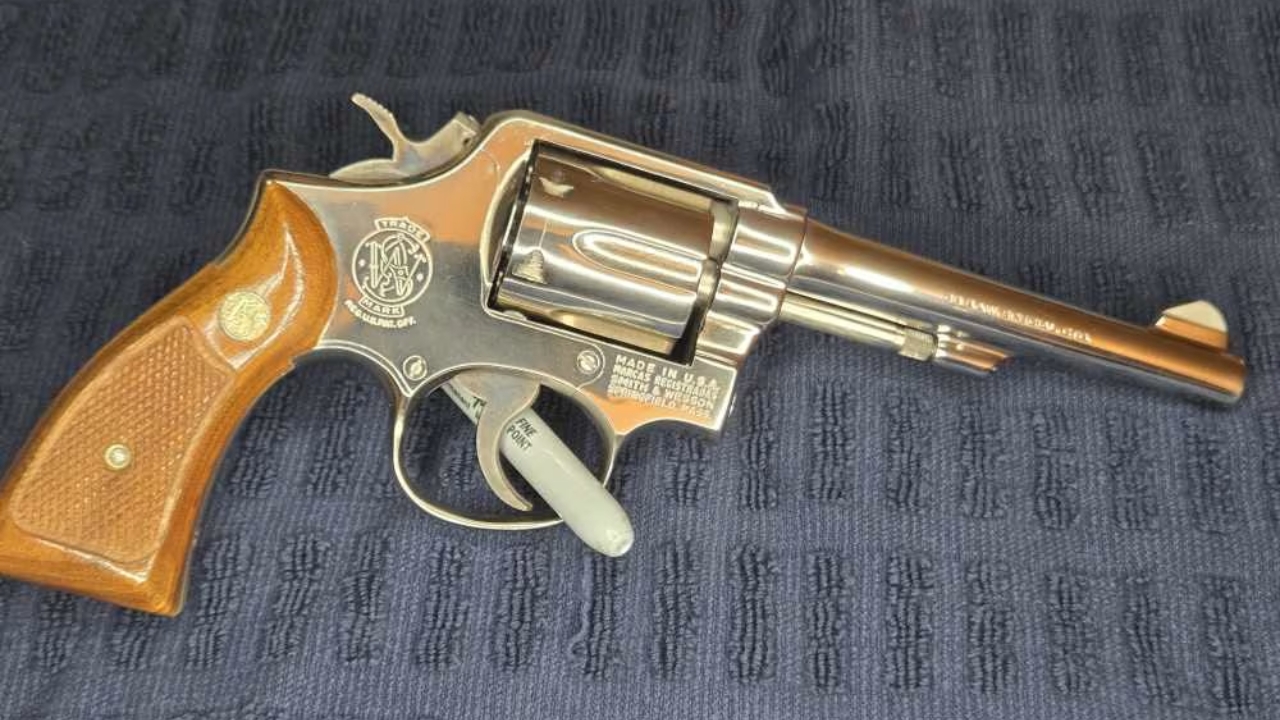
The Model 10 embarrasses newer competition because it proves how far simple competence can carry a firearm. This revolver does not have to sell itself with innovation or styling. It just handles well, points naturally, and delivers the kind of clean, dependable shooting experience that made it a working gun for generations.
A lot of newer handguns are marketed like they solved everything. Then you pick up a Model 10 and realize just how much practical shootability was already there decades ago. It is not flashy, and that is part of the point. It still makes some newer “defensive” handguns look overdesigned and underdeveloped by comparison.
Remington 870 Wingmaster

A good Wingmaster still embarrasses newer pump shotguns because it reminds people what smooth really feels like. The action on an older, well-kept Wingmaster has a kind of easy confidence that many new production pumps struggle to match. You can feel the difference immediately, and so can anyone pretending newer always means better.
That is why these older guns stay respected. They were built to be used hard and kept running, but they also carried a level of fit and finish that a lot of modern pump guns simply do not offer anymore. Newer shotguns may add coatings, rails, or tactical language. The old Wingmaster just cycles like it means it.
Colt Government Model 1911

A solid old-school Government Model still embarrasses newer pistols because the basic shooting experience remains so good. The trigger, the balance, and the way the gun tracks in recoil still make a lot of current handguns feel like they are trying to catch up in one area while ignoring three others. Plenty of companies have spent decades trying to outgrow the 1911, and many still end up borrowing from it instead.
That is what makes it so hard to replace honestly. A good 1911 does not feel dated once rounds start going downrange. It feels proven. The platform may not be the easiest route for every buyer, but in terms of pure shootability, it still embarrasses a lot of newer pistols that look more modern and perform with much less grace.
Marlin 336

The Marlin 336 still embarrasses newer hunting rifles because it does not need much room to prove itself. In the kind of woods hunting where quick handling matters, a 336 still feels alive in the hands while a lot of newer rifles feel like paperwork with a barrel. Light, handy, and honest is still a very hard combination to beat.
Modern rifles may offer more on paper, but paper is not where the 336 shines. It carries beautifully, comes to the shoulder quickly, and still does what a lot of hunters need a rifle to do without making a big production out of it. That kind of field usefulness is the exact reason older lever guns keep humbling newer designs that overpromise and underhandle.
Ruger Mark II
The Mark II embarrasses newer rimfire pistols because it shows how good a .22 handgun can feel when it is built to last and built to shoot. Plenty of newer rimfires try to win buyers with styling, tacticool touches, or just enough features to look updated. Then the Mark II shows up with rock-solid usefulness and makes a lot of them feel temporary.
It also embarrasses them by staying enjoyable. A rimfire pistol that is accurate, durable, and rewarding to shoot will always have a place, and the Mark II remains exactly that. A lot of newer .22 pistols look more current. Fewer feel like something you would still trust and still enjoy ten years later.
Browning A5

The A5 still embarrasses newer semiauto shotguns because it carries history without feeling slow or sentimental. A good A5 has a feel all its own, and once you spend time with one, it becomes a lot easier to understand why so many owners never stopped trusting them. The humpback profile gets attention, but the real story is how well the gun still works.
Newer shotguns may be softer shooting or easier to accessorize, but a classic A5 keeps reminding people that long-term field confidence matters more than trendiness. It points well, runs with authority, and feels like a shotgun built with purpose. That can make a lot of newer options feel pretty disposable in comparison.
CZ 75

The CZ 75 still embarrasses newer service pistols because it remains one of the easiest full-size handguns to shoot well. The ergonomics are excellent, the weight helps, and the overall feel of the gun still strikes a balance many newer pistols never quite manage. There are current designs with more modularity or more tactical appeal, but not all of them actually shoot better.
That is what keeps the CZ 75 relevant. It does not need constant reinvention to stay strong. It already figured out a lot of the things other pistols keep trying to solve. A lot of newer handguns look smarter on the shelf. The CZ 75 often feels smarter on the range, which is where it actually counts.
Winchester Model 94

The Model 94 still embarrasses newer rifles because it refuses to stop making sense. In the woods, on a property line, or in a truck, it still feels like one of the handiest rifles a person can carry. A lot of newer rifles offer better optics setups or better long-range numbers, but they often feel less natural and less useful in the conditions where many people actually hunt.
That simple field competence is a hard thing to outdo. The Model 94 stays light, quick, and proven, and that is enough to make a lot of newer rifles look like they were designed more for comparison charts than for real carry. When an older rifle still moves this well, newer competition starts looking a lot less impressive.
Smith & Wesson Model 19

The Model 19 still embarrasses newer revolvers because it hits the sweet spot in a way many of them miss. It is powerful enough to matter, manageable enough to shoot, and balanced enough to keep owners loyal for decades. A lot of newer revolvers either lean too hard into bulk or try too hard to feel modern. The Model 19 still feels like it got the balance right the first time.
That balance becomes obvious on the range. It handles .38s beautifully, makes .357s feel useful instead of theatrical, and carries with the kind of grace many heavier modern revolvers lost. Newer does not automatically mean better when an older wheelgun still feels this sorted out.
Browning BAR

The BAR still embarrasses newer semiauto hunting rifles because it behaves like a mature design. It does not feel like a compromise trying to look tactical. It feels like a real hunting rifle that just happens to autoload. That distinction matters, especially when so many modern autoloaders seem to chase image or category overlap before they chase genuine field utility.
A BAR still makes sense to hunters who want smooth shooting, quick follow-ups, and a rifle that feels serious in the field. Newer options may be lighter or cheaper or louder online, but they often do not carry the same quiet authority once hunting season starts. The BAR keeps earning respect because it never had to pretend to be something else.
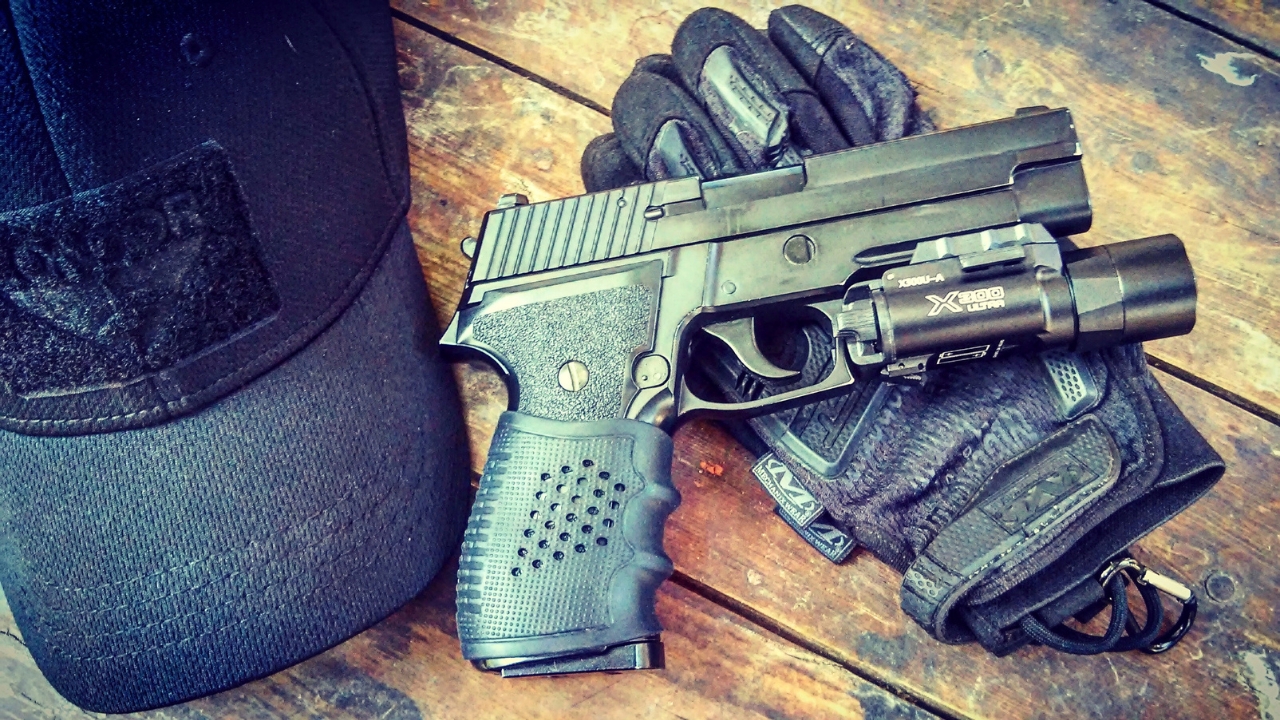
SIG Sauer P226
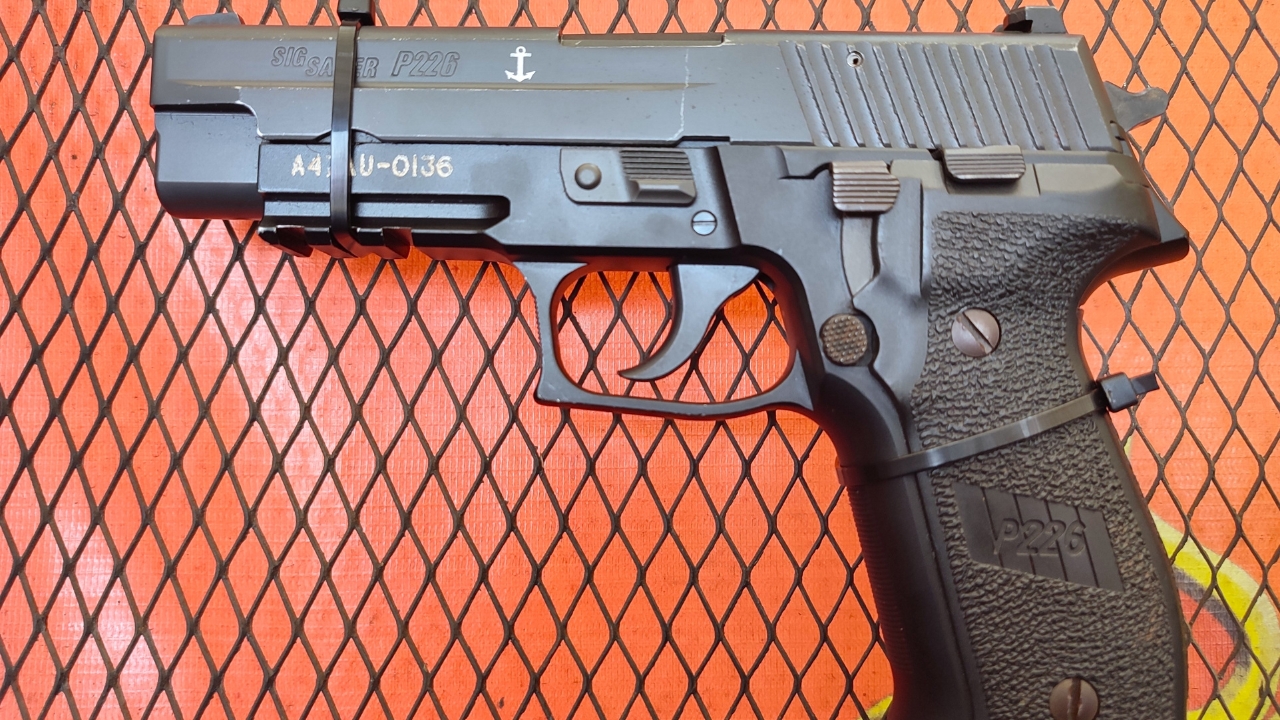
The P226 still embarrasses newer duty pistols because it proves that refinement and toughness can live in the same handgun. A lot of modern pistols lean hard on simplicity, which is fine, but the P226 still feels like a full-size service pistol that was built with confidence instead of cost-cutting in mind. That difference shows up when you shoot it.
It remains steady, easy to trust, and very hard to dismiss once you spend serious time with one. Newer pistols may be lighter, cheaper, or easier to modify, but they do not always feel better in actual use. The P226 still has a way of making supposedly improved handguns feel a little less complete.
Colt Detective Special

The Detective Special still embarrasses newer carry guns because it proves compact handguns were already useful long before the current carry market started congratulating itself. Six rounds in a compact revolver with real shootability was no small thing, and it still is not. A lot of newer pocket and deep-concealment pistols are lighter, sure, but they are not always easier or more satisfying to shoot well.
That is where the Detective Special keeps its edge. It offers old-school concealment with a level of handling that many tiny modern guns still cannot match. For a firearm that is supposed to be outdated, it has a way of making current carry trends look like they solved one problem by creating three new ones.
Ruger Blackhawk
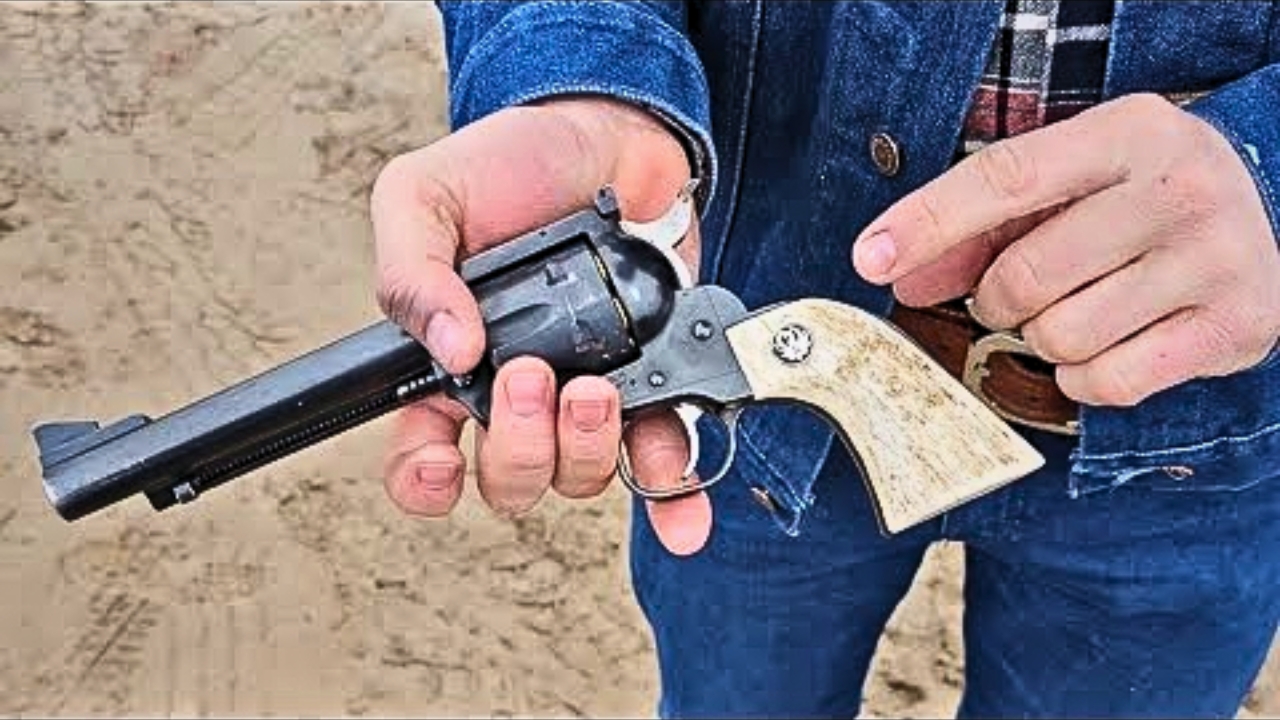
The Blackhawk still embarrasses newer handguns because it refuses to be rushed into irrelevance. Plenty of modern pistols and revolvers try to sell themselves as more practical, more advanced, or more capable, but the Blackhawk remains one of those firearms that makes experienced shooters smile once they spend time with it. It is strong, dependable, and still deeply satisfying in a way many newer guns never bother trying to be.
It also reminds people that not every firearm has to fit the current pace of the market to remain excellent. The Blackhawk still handles real power, still shoots honestly, and still feels like something built to stay useful rather than stay trendy. That kind of staying power embarrasses newer competition more than any ad campaign ever could.
Like The Avid Outdoorsman’s content? Subscribe to our newsletter so you never miss an article.
Here’s more from us: