Photo credit: Makhh/ShutterStock.com
When you shoot a steel-framed pistol, you notice something right away—the weight works in your favor. That extra heft takes the sting out of recoil and keeps the sights from bouncing off target. It’s why so many competitive shooters, law enforcement officers of the past, and serious handgun enthusiasts still trust all-steel pistols even in a world full of polymer frames. These guns aren’t always the easiest to carry all day, but when the goal is faster follow-up shots and tighter control, steel delivers. Some models stand out for the way they balance their weight, distribute recoil, and keep you locked on target through strings of fire.
Colt 1911 Government Model
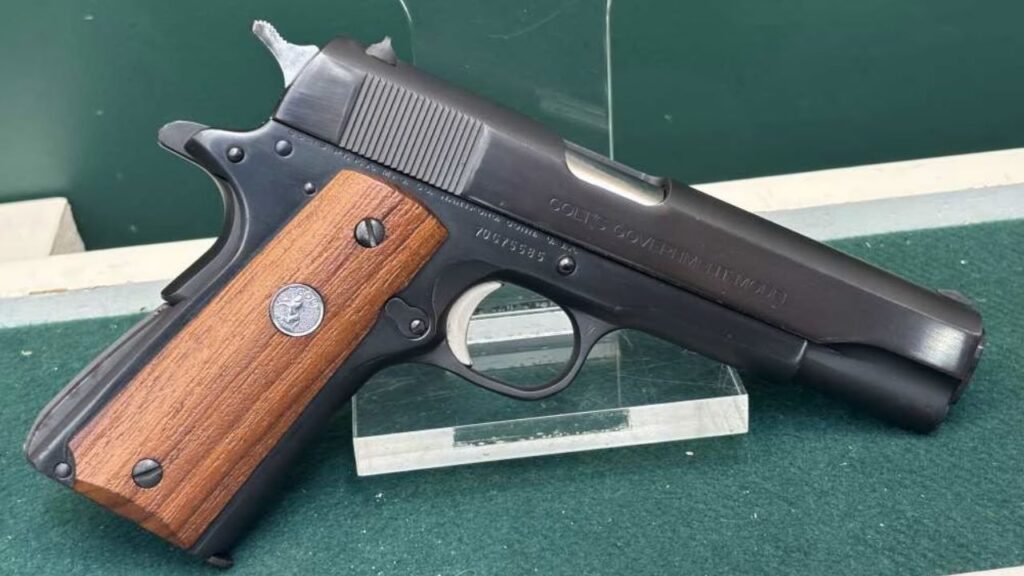
The classic Colt 1911 Government Model is one of the best examples of how steel tames recoil. Chambered in .45 ACP, a cartridge known for its push rather than snap, the pistol’s heavy frame soaks up much of the rearward force. Instead of fighting muzzle rise, you feel a steady roll that’s easy to control shot after shot.
Shooters have relied on this pistol for over a century, not only because of its durability but because its balance makes it easier to shoot accurately under pressure. Even in rapid fire, the front sight settles quickly, letting you stay on target. The all-steel design gives it a presence in the hand that lighter pistols struggle to match, and that confidence translates directly into better performance on the range or in the field.
CZ 75B

The CZ 75B has a reputation for being one of the smoothest shooting 9mm pistols around, thanks in large part to its steel frame. Its slide rides inside the frame rails, lowering the bore axis and reducing muzzle flip. Combine that with the pistol’s weight, and you get a handgun that feels planted from the first shot to the last.
Many shooters are surprised at how easily the CZ tracks back on target during strings of fire. The recoil impulse is muted, giving you more control and less need to fight the gun. Its ergonomics also help—it fills the hand naturally and spreads out recoil across a larger surface area. For anyone who values consistent accuracy and minimal muzzle rise, the CZ 75B shows how steel makes a real difference.
SIG Sauer P226 Elite Stainless
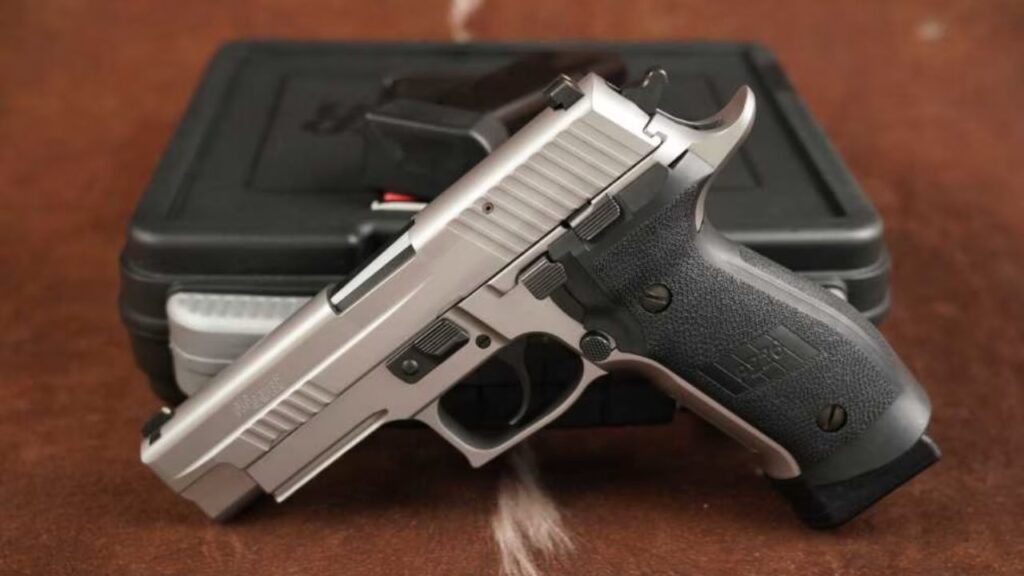
The P226 has been trusted by militaries and police forces worldwide, but the Elite Stainless version takes recoil control to another level. With its full stainless-steel frame and slide, the added mass dampens recoil significantly compared to lighter alloy or polymer models. The result is smoother operation and less sight disruption.
Chambered in 9mm or .40 S&W, the P226 Elite Stainless handles both calibers with confidence. Shooters appreciate how stable the pistol feels, especially during fast double-taps or controlled pairs. The consistent trigger and excellent balance pair well with the steel weight to give you an edge in accuracy. If you’ve ever shot a standard alloy-frame P226, picking up the Elite Stainless immediately shows why weight can be an advantage in managing recoil.
Browning Hi-Power

The Browning Hi-Power remains one of the most iconic steel-framed pistols in 9mm, and for good reason. Its all-steel construction makes recoil soft and predictable, while its grip design helps spread the force evenly into your hand. Even though it was introduced nearly a century ago, it still shoots flatter than many modern pistols.
Hunters, soldiers, and competitive shooters have praised the Hi-Power for its controllability in rapid fire. The combination of moderate recoil from the 9mm cartridge and the steel frame’s ability to absorb it keeps the pistol firmly on target. While newer materials and designs have come along, the Hi-Power’s staying power comes from how it makes you a steadier, more accurate shooter in real-world conditions.
Smith & Wesson Model 39-2
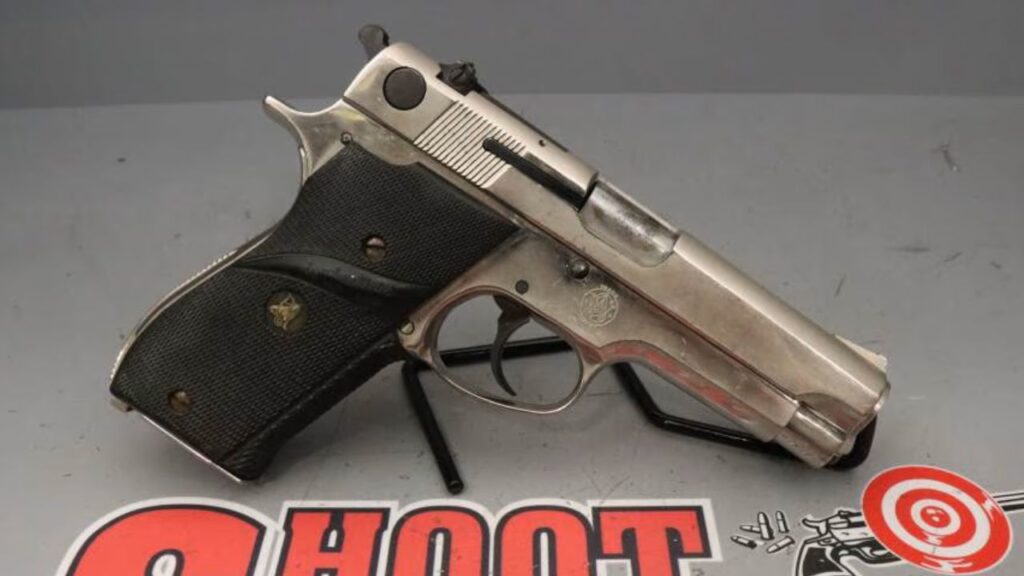
The S&W Model 39-2 is another steel-framed 9mm that earns its place on this list. Though it was lighter than some of its contemporaries, its steel construction still gave it enough mass to handle recoil better than alloy competitors. The pistol was widely adopted by law enforcement for its reliability and manageable shooting characteristics.
Shooters often notice how easily the front sight comes back after firing, a trait directly linked to the pistol’s weight and balance. It doesn’t snap in the hand like lighter frames sometimes do. For those who want a controllable 9mm with classic styling and proven durability, the Model 39-2 shows how steel framing delivers practical benefits where it counts—downrange accuracy and shooter comfort.
Beretta 92FS Inox
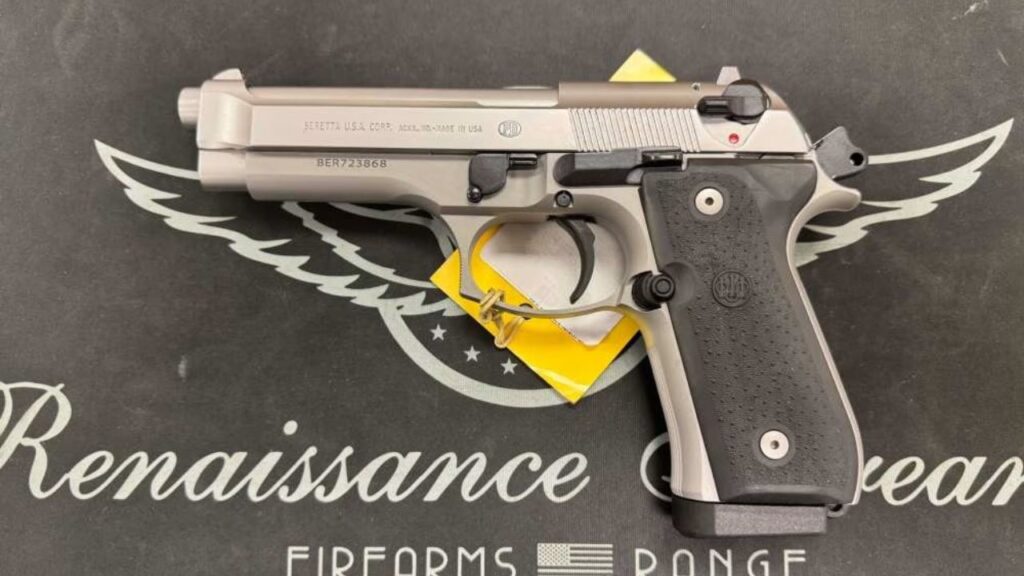
The Beretta 92FS Inox is a heavy, full-sized pistol that makes recoil feel like an afterthought. With its stainless-steel frame and large profile, it soaks up recoil energy that would make lighter pistols jump. Pair that with the open-slide design, and the cycling feels smooth and controlled, giving you quick sight recovery.
This is one reason the 92FS served as the U.S. military’s standard sidearm for decades. Soldiers needed a sidearm that could be managed under stress, and the steel weight gave it a steadiness in rapid fire. Whether you’re firing 9mm ball or hotter defensive loads, the pistol’s balance and mass make it easier to stay accurate, even for newer shooters.
SIG P210
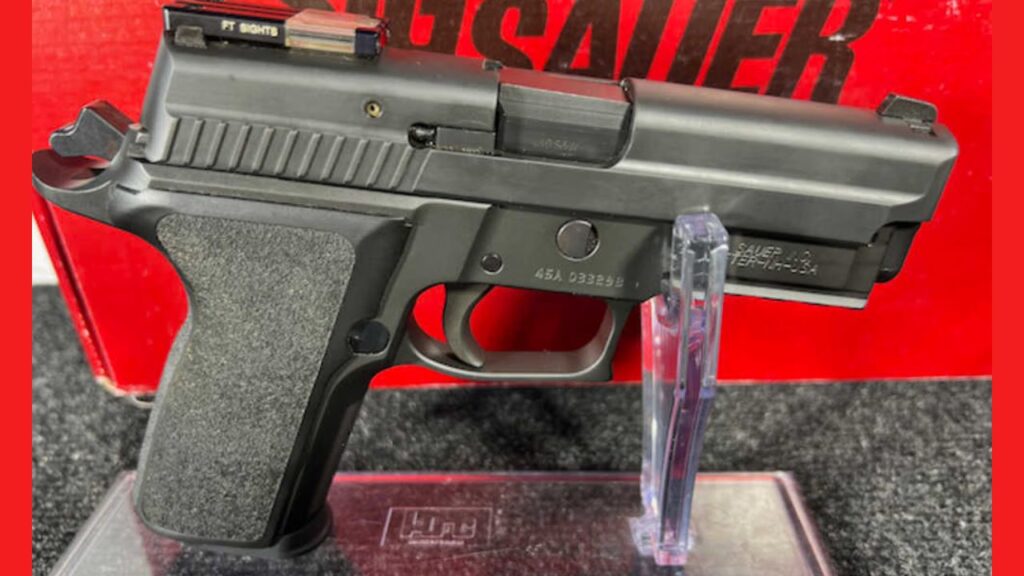
The SIG P210 has long been regarded as one of the most accurate service pistols ever built, and its all-steel construction plays a major role in that. Designed with precision in mind, the P210’s heavy frame and low bore axis keep recoil minimal, allowing shooters to maintain consistent sight alignment and trigger control.
When you shoot a P210, you notice how little effort it takes to stay locked on target. The slide cycles smoothly, and the added weight means your hands aren’t fighting against muzzle rise. That makes it easier to string accurate shots together quickly. It’s a pistol that rewards careful shooting but also forgives recoil management errors because of how steady it feels in hand.
Walther P88
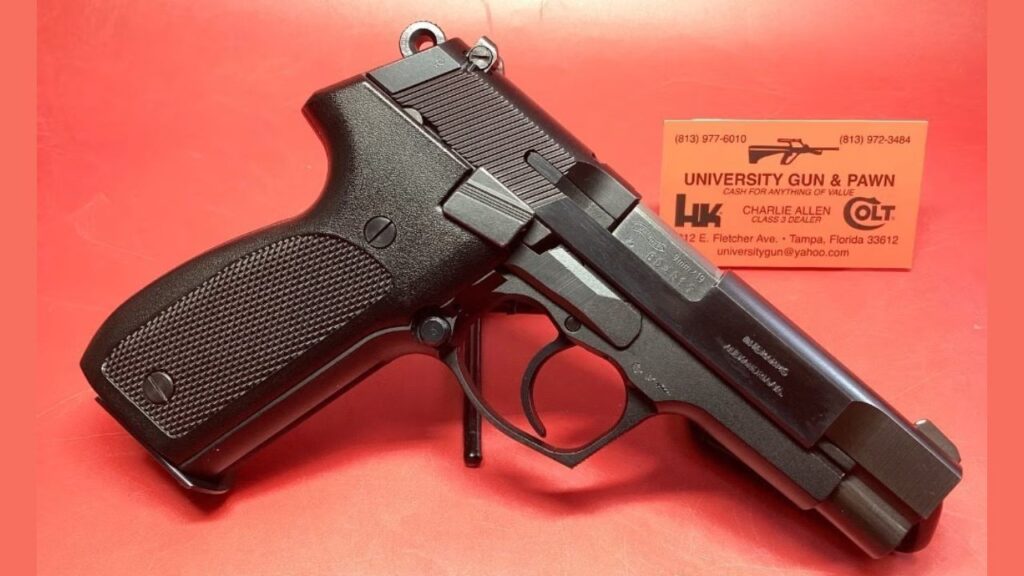
The Walther P88 is an underrated steel pistol that never gained the same fame as the P38 or P99, but its shooting characteristics are excellent. With its full steel frame, it carries more weight than many 9mm pistols of its era, and that extra mass translates directly into reduced felt recoil and improved stability.
Shooters who’ve used the P88 often mention how naturally it tracks back onto target. The recoil impulse feels smooth, and the sights don’t jump around as much as you’d expect. Even with faster strings of fire, it’s easy to stay accurate. Though it was only produced for a limited time, the P88 proves how well a heavy steel frame can make even hot 9mm loads manageable.
Tanfoglio Witness Steel Frame
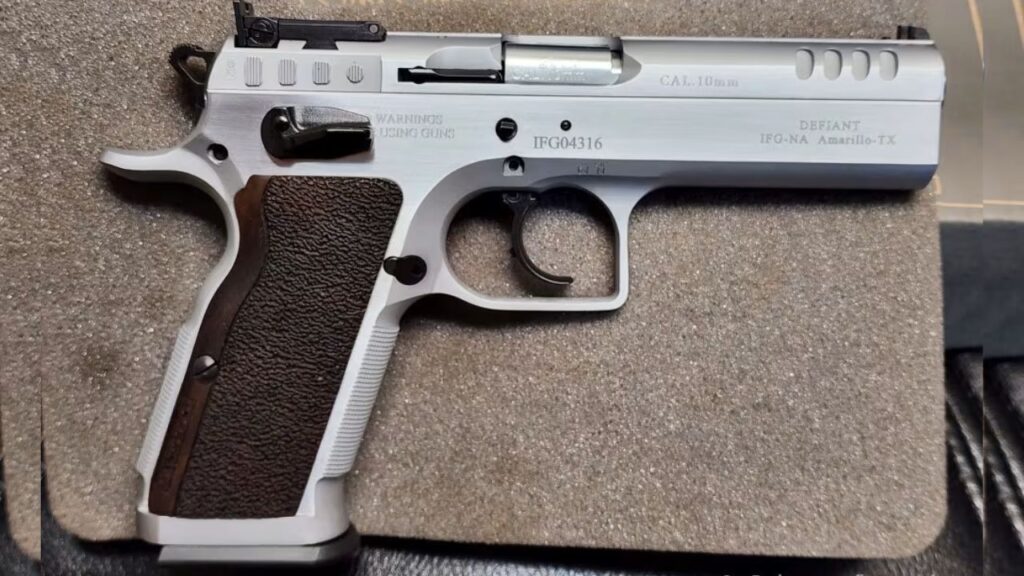
The Tanfoglio Witness Steel Frame pistols have a strong following among competitive shooters, and their recoil-handling ability is a big reason why. Based on the CZ 75 design, they use the same internal slide rails and low bore axis, paired with a heavy steel frame. That combination makes them excellent for recoil management.
With calibers ranging from 9mm to 10mm Auto, the Witness line shows how steel framing can tame even harder-hitting cartridges. Shooters find that the added weight not only reduces recoil but also helps them return to target faster. In competition or defensive training, that means tighter groups and faster times. It’s a practical demonstration of how much steel contributes to performance.
Colt Python (Semi-Auto Conversion Reference)
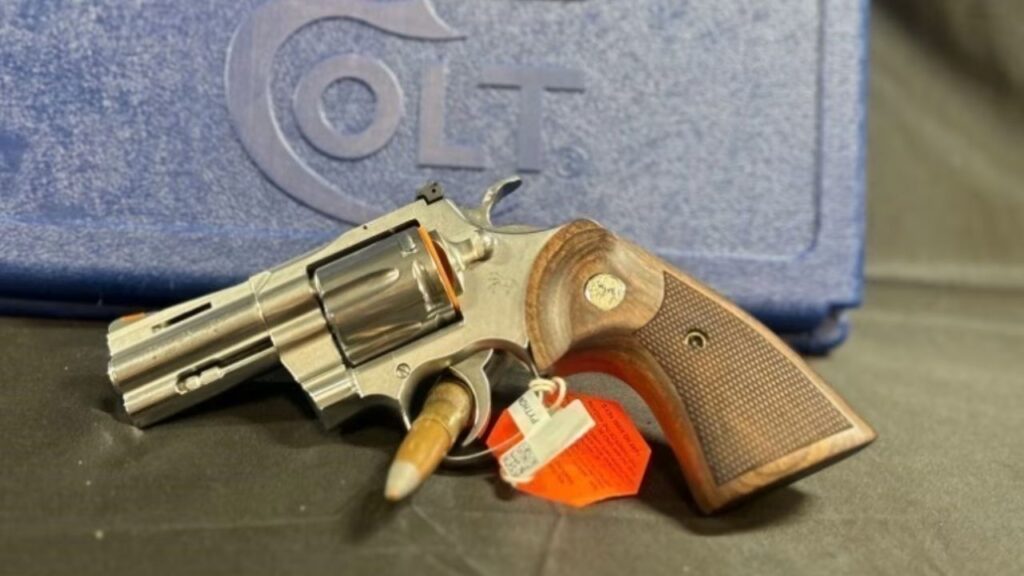
Though the Colt Python is known as a revolver, certain semi-auto conversions and comparisons highlight how steel construction translates to recoil control. When you hold and shoot a heavy-framed handgun like this, you immediately understand why shooters value mass. The heft steadies the gun, absorbs recoil, and makes quick, accurate shooting easier.
In discussions of steel pistols, the Python serves as a useful benchmark. If a revolver with heavy steel can make .357 Magnum controllable, then an all-steel semi-auto chambered in milder calibers can do even more to keep you on target. It’s not a traditional example, but it underlines why shooters consistently favor steel when recoil control matters most.
Star Model B

The Star Model B is another old-school steel-framed pistol that demonstrates how weight can work for you. Modeled closely on the 1911 but chambered in 9mm, it offers excellent balance and recoil control in a more compact package. Shooters often remark on how comfortable it is to fire, even with hotter loads.
Because it’s all steel, the Star doesn’t whip around or climb excessively. Instead, it feels planted, letting you get back on target without effort. For those who’ve handled lighter alloy pistols from the same era, the difference is immediately obvious. While it’s no longer a mainstream choice, the Star Model B proves that all-steel construction makes handguns more forgiving and accurate in practical use.
*This article was developed with AI-powered tools and has been carefully reviewed by our editors.