Photo credit: carlos110/Shutterstock.com
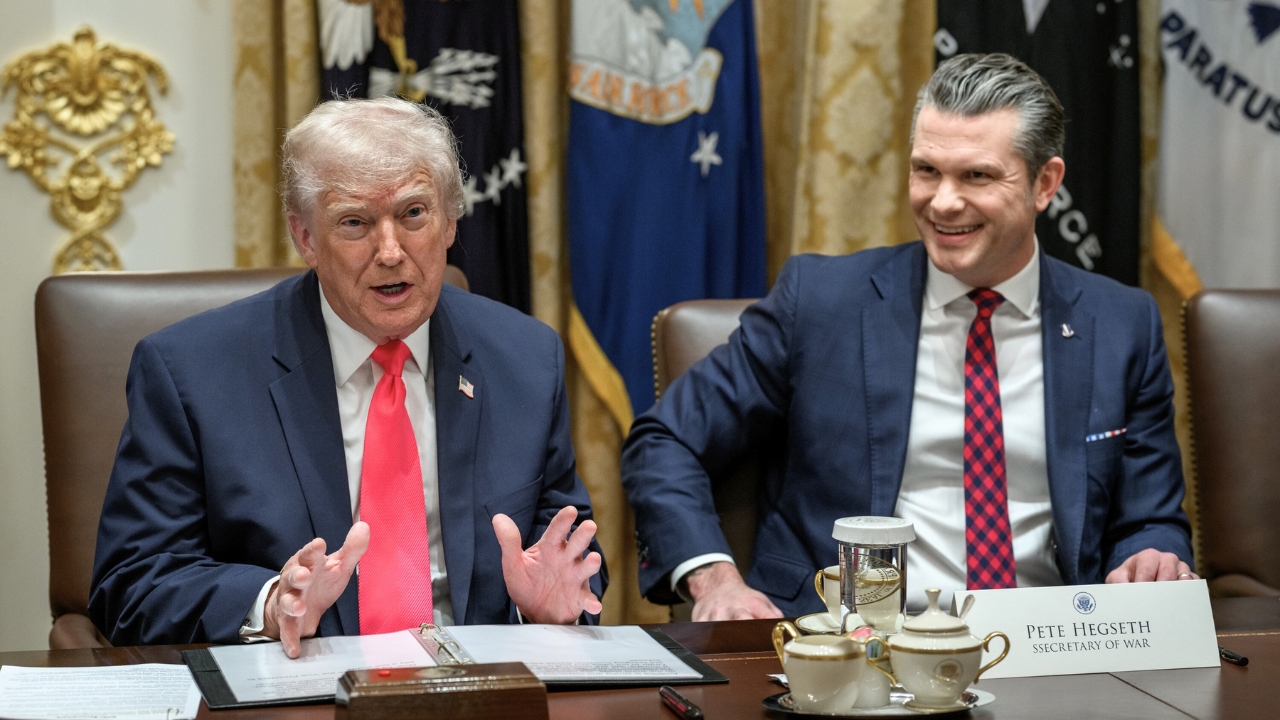
A new watchdog report is putting fresh attention on Pentagon spending after claiming the Department of Defense logged a record-breaking $93 billion in outlays during a single month under Defense Secretary Pete Hegseth. According to an Inquisitr summary of an Open the Books analysis, the spending occurred in September 2025 and marked the highest monthly Pentagon expense total since 2008. The report is now drawing criticism because it pairs that enormous overall figure with a list of eye-catching purchases that critics say look hard to defend during a period when Washington was also talking publicly about cutting waste.
What made the report take off online was not only the size of the total, but the details attached to it. Inquisitr said the Open the Books review pointed to about $6.9 million spent on lobster tail, another $2 million on Alaskan king crab, roughly $15.1 million on ribeye steak, $124,000 on ice cream machines, and more than $139,000 on doughnut purchases in the same month. The piece also said the Defense Department spent nearly $100,000 on a Steinway grand piano for the Air Force chief of staff’s residence and about $5.3 million on Apple products, including iPads.
The report also highlighted non-food spending that critics say makes the overall picture look even worse. According to the Inquisitr article, Pentagon furniture spending reached about $225.6 million, while one fruit basket purchase totaled $12,540 and premium recliners from Herman Miller accounted for more than $60,000. Those line items helped turn the story from a dry budget argument into a viral political talking point, especially once social media users began circulating the most unusual examples as proof of waste.
That said, the story needs careful framing. A big monthly Pentagon outlay does not automatically mean every dollar was discretionary or newly ordered by Hegseth personally. The reporting available here summarizes a watchdog analysis of September 2025 spending and says the total was logged “under” Hegseth, but it does not establish from primary budget documents in the article itself that he personally signed off on each purchase or that all of the spending was improper. The stronger, safer version is that a watchdog report is accusing the Pentagon of wasteful spending during Hegseth’s tenure and that the claim is now fueling political backlash.
The report also revived older scrutiny around Hegseth’s public image and spending choices. Inquisitr tied the new budget criticism to earlier controversy over reports that a room near the Pentagon briefing area was upgraded for use as a makeup studio, something Hegseth publicly denied at the time. By linking those stories together, critics have tried to build a broader narrative that the Pentagon is spending heavily on image, comfort, and luxury while leaders insist they are focused on discipline and warfighting.
For now, the political damage may matter as much as the accounting debate itself. Once a report mixes a huge headline number with items like king crab, lobster tail, recliners, and a grand piano, it becomes easy material for opponents looking to argue that Pentagon priorities are out of sync with taxpayers. Whether the department eventually disputes parts of the watchdog analysis or explains the spending in more detail, the optics of a $93 billion month are already doing the work politically. That final sentence is an inference based on the report’s public reaction and the way the cited purchases have been framed.