Photo credit: Volodymyr TVERDOKHLIB/Shutterstock.com
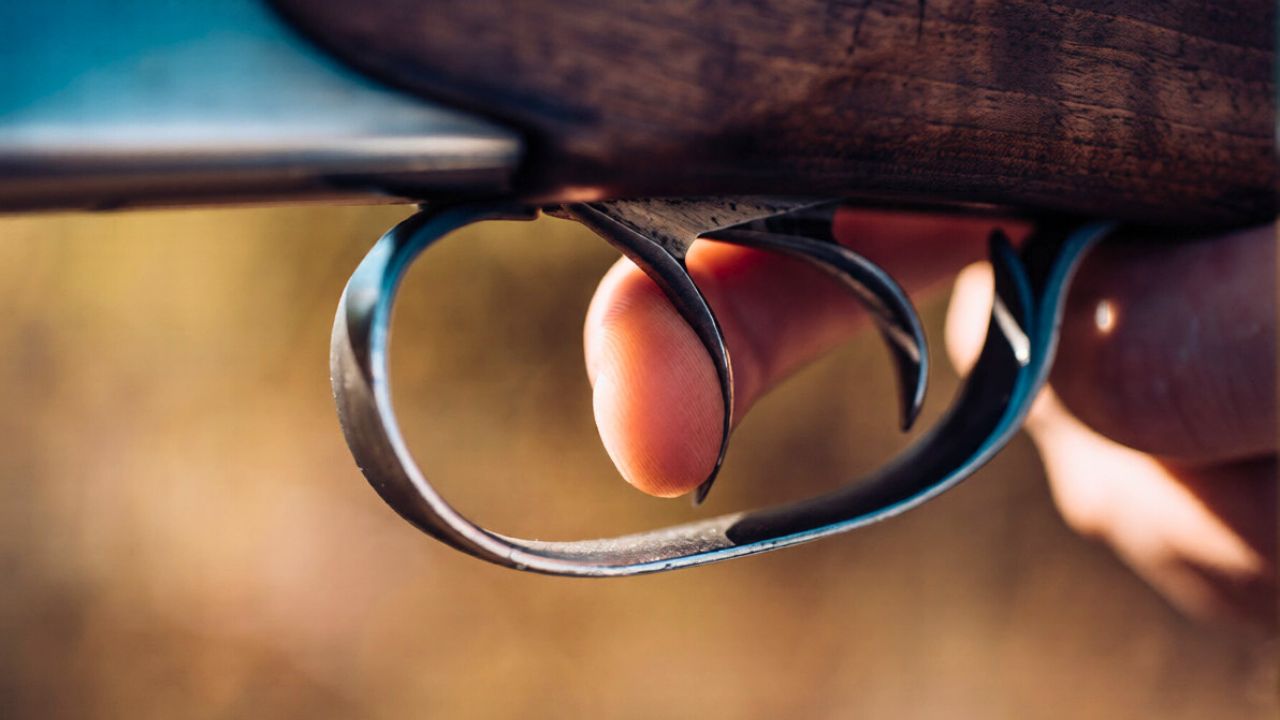
For a long time, I told myself the factory trigger was perfectly fine. It broke, the gun went off, and I was hitting what I aimed at most of the time. That felt like enough. I didn’t see the point in changing it, and I definitely didn’t think it was holding me back in any meaningful way. That opinion lasted right up until I spent some time behind a rifle with a properly tuned trigger. It didn’t take long to notice the difference. The break was cleaner, the take-up was predictable, and the whole shot process felt more controlled. It wasn’t dramatic or flashy. It was just better in a way that made my old setup feel rough by comparison. That’s when I realized I hadn’t been evaluating my trigger honestly. I had just gotten used to it.
You don’t notice a bad trigger until you feel a good one
That’s the trap a lot of people fall into. If the only thing you’ve ever used is a factory trigger, you don’t really have a baseline for comparison. You adapt to the creep, the weight, and the inconsistency without realizing how much it’s affecting your shooting. I was doing exactly that. I had learned to work around it. I’d pull through the break, compensate for the feel, and accept the occasional inconsistency as part of the deal. Once I shot something better, all of that stood out immediately. The difference wasn’t just comfort. It was control. A clean trigger lets you focus on the shot instead of fighting through it. That matters more than I gave it credit for.
It wasn’t about making the rifle fancy
One thing I got wrong early on was assuming trigger upgrades were mostly about making a rifle feel more high-end. I thought it was a preference thing, not a performance thing. After spending time with a better setup, that thinking didn’t hold up. A good trigger doesn’t just feel nice. It helps you shoot more consistently. It reduces the amount of disturbance you introduce when the shot breaks. It makes follow-through easier. All of that adds up, especially when the shot matters. I’m not saying a factory trigger can’t work. Plenty of people shoot well with them. But once you understand what a clean, predictable break feels like, it’s hard to ignore how much easier it makes everything.
My groups told the story before I admitted it
I didn’t want to admit it right away, but the results made it obvious. My groups tightened up with the better trigger, not because I suddenly became a better shooter overnight, but because I wasn’t fighting the rifle as much. The shot broke when I expected it to, not somewhere in a vague window of pressure. That kind of predictability builds confidence fast. It also exposes how much you were compensating before. I realized I had been managing the trigger instead of focusing on the fundamentals. Once that layer of frustration was gone, everything felt more straightforward.
Not every upgrade matters, but this one did
There’s a lot of gear out there that promises improvement and doesn’t deliver much. This wasn’t one of those cases. A trigger upgrade is one of the few changes that directly affects every shot you take. That’s hard to ignore once you see it. Companies like Timney and other well-known makers, including options you’ll find through places like Bass Pro, have built reputations around this for a reason. The difference is real when it’s done right. The key is choosing something reliable and appropriate for how you actually use the rifle, not just what sounds good on paper.
I stopped settling once I knew better
After that experience, I stopped telling myself “good enough” when it came to triggers. That doesn’t mean every rifle needs to be modified, but it does mean I pay closer attention now. If the trigger is holding me back or making the shot harder than it needs to be, I’m not going to ignore it out of habit. There’s a difference between being practical and being stubborn. I had been leaning toward stubborn. Once I corrected that, my setups improved without adding unnecessary complexity.
It changed how I evaluate rifles moving forward
Now, when I pick up a rifle, the trigger is one of the first things I pay attention to. It tells me a lot about how the gun is going to feel in real use. I’m not chasing perfection, but I’m also not ignoring something that plays such a direct role in performance. That shift didn’t come from reading specs or watching reviews. It came from feeling the difference for myself. Sometimes that’s what it takes. You don’t know what you’re missing until you actually experience it. After that, it’s hard to go back to pretending the old way was just as good.
Like The Avid Outdoorsman’s content? Subscribe to our newsletter so you never miss an article.
Here’s more from us: