Photo credit: Phil Mistry/Shutterstock.com
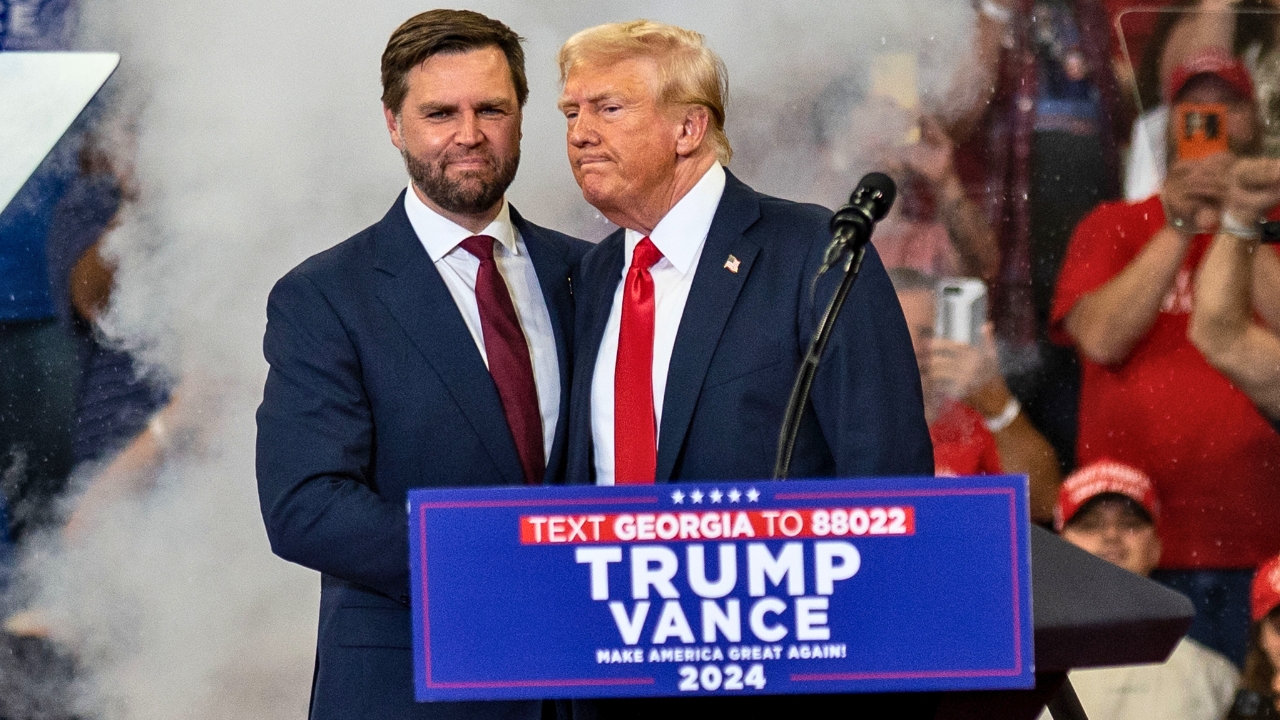
Vice President JD Vance is publicly rejecting the idea that he and President Donald Trump are at odds over the ongoing war with Iran, even as questions about his past anti-intervention stance continue to follow him. During a March 16 appearance, Vance dismissed talk of a “wedge” between the two men and said he trusted Trump’s judgment on how to handle the conflict. Coverage of the exchange said Vance argued his opposition to foreign wars was aimed at what he called “dumb” presidents, not Trump.
The pushback comes at a time when Vance has been under growing pressure to explain how a politician once known for skepticism toward foreign entanglements is now defending one of the administration’s most controversial military decisions. The Washington Post reported that Vance has tried to project total public unity with Trump even while the war has created political risks for him, especially with anti-war conservatives who once saw him as one of their own.
That tension is a big reason the “rift” story has gotten traction. Even if Vance is denying any real break with Trump, the broader reporting suggests there is unease inside parts of the administration and among some of Trump’s supporters. Associated Press reported that former counterterrorism chief Joe Kent resigned over the Iran war and said dissenting views were not being allowed to reach Trump fully, adding to the sense that the conflict is exposing deeper divisions on the right.
At the same time, Vance has been doing more than simply defending the military action. He has also been sent out to deal with one of the war’s most visible domestic consequences: rising fuel prices. Reuters reported that Vance acknowledged a “rough road ahead” for Americans as gas prices climbed sharply during the conflict, while stressing that the administration believes the pain will be temporary and that relief efforts are underway.
That leaves Vance in a difficult political spot. He is trying to reassure voters, stay aligned with Trump, and avoid looking like he abandoned his earlier worldview overnight. The Washington Post described him as being in a bind, publicly loyal while navigating a war that could carry real political costs if it drags on or worsens. That makes his denial of a rift believable on the surface, but it also explains why people keep asking the question in the first place. This final sentence is an inference based on the reported political pressure and Vance’s public comments.