Photo credit: nathanmcc/Shutterstock.com
Some rifles feel like a great idea when you buy them. They might shoulder well, carry light, or promise more performance than you’ve had before. But one season in, they’ve either let you down at the range or failed when it counted. And once a hunting rifle has burned your confidence, it usually doesn’t come back out of the safe. Maybe it missed a shot you knew you should’ve made. Maybe it couldn’t stay zeroed, or it chewed through ammo without ever delivering groups that held together past 100 yards. Whatever the reason, the rifle ends up as a trade-in or a backup that collects dust. If you’ve been around long enough, you’ve probably owned one of these. Here’s a list of specific guns that too often get retired after a single season in the field — and why.
Remington 770

The Remington 770 was marketed as an affordable way to get new hunters in the field, but its limitations show fast. You get a rough bolt, a squishy trigger, and inconsistent accuracy from barrel to barrel. First season, it might seem passable — maybe even decent with the right ammo. But by midseason, you’ll be wrestling with sticky cycling and poor grouping beyond 150 yards.
The plastic stock doesn’t inspire much confidence, especially when it flexes during sling carry or shifts point-of-impact with temperature swings. And once that factory scope starts to lose zero after a bump or two, most hunters move on. It’s not that the 770 is unusable — it’s that it doesn’t build trust. A rifle that makes you second-guess your zero isn’t one that sees a second season. For many, the 770 becomes the loaner gun or a mistake they don’t repeat.
Mossberg Patriot Walnut
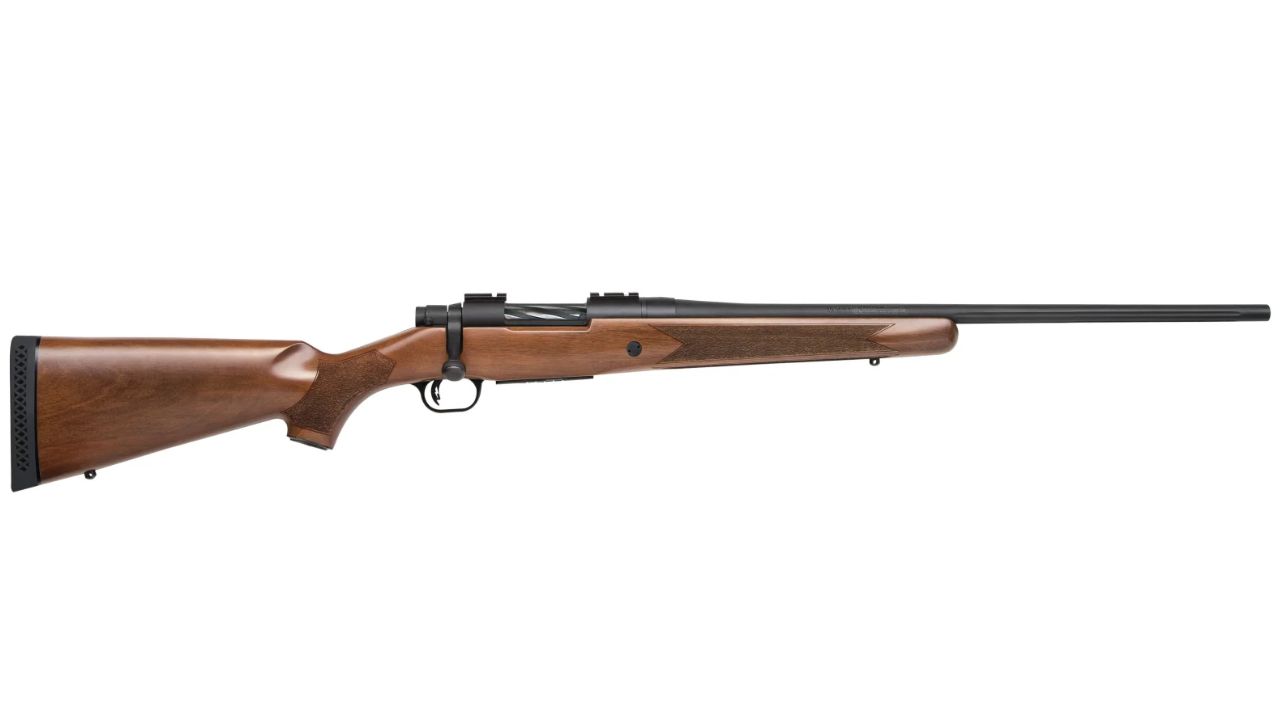
The Mossberg Patriot in walnut looks better than it shoots in a lot of cases. It’s light, handy, and comes at a price that makes it easy to say yes. But after a season, the accuracy starts to disappoint. That lightweight barrel heats up fast, especially when you’re checking groups or dialing in at the range. Once warm, POI starts to wander.
The factory trigger is serviceable, but not crisp. And the scope mounts, unless replaced right away, are known to shift after mild abuse. When you’re chasing deer at 200+ yards, that’s not a compromise you can live with. First-time buyers often hang on for a few hunts, but once they miss or lose confidence in the zero, the Patriot gets replaced. It’s not a terrible rifle — but too many of them get traded for something more consistent before season two rolls around.
Ruger American Ranch (5.56 NATO)

The Ruger American Ranch in 5.56 NATO is quiet, compact, and pairs easily with cheap ammo. It sounds like a good deal for predators or even light whitetail duty. But once you try to stretch it past 100 yards or take it into heavier brush, you’ll start running into its limitations. Accuracy with bulk 55-grain ammo is spotty, and even with match-grade loads, it doesn’t always deliver the kind of precision you need for ethical kills.
Magazine fitment is often sloppy with AR mags, and the short bolt throw sometimes binds under speed. A lot of folks enjoy it at the range or for small-game work, but it’s not built for serious hunting performance. After one season of watching coyotes escape or needing to track longer than expected, many hunters leave the 5.56 Ranch in the safe and take something with more punch. It’s fun — it’s just not field-proven for most big-game roles.
Remington R25 GII

The Remington R25 GII promised AR-style performance in a hunting package, but real-world use has shown too many reliability issues. Feeding problems, inconsistent bolt lockup, and magazine compatibility complaints pop up frequently. It’ll often run fine in a clean, dry environment. But introduce cold, moisture, or dirt — and now you’ve got a rifle that’s choking when your season’s on the line.
The weight is another problem. It carries heavy, especially when topped with a decent optic. And if you plan to hike in steep terrain, that bulk turns into a burden. Hunters often give it a try because they like the idea of fast follow-up shots and semi-auto firepower. But after one season of babying it, cleaning it mid-hunt, or missing out because it jammed again, most folks shelf it for good. You don’t trust a rifle that needs perfect conditions to perform.
Browning AB3

The Browning AB3 is meant to be a more affordable entry into Browning’s bolt-action world. And while it shares some features with the X-Bolt, it doesn’t share the same consistency. Accuracy out of the box can vary widely from one rifle to another. Some shoot great. Others scatter shots, even with match ammo. The molded plastic stock also flexes noticeably and can mess with your point of impact if you use a bipod or a tight sling.
The trigger is workable, but often heavy and inconsistent. If the rifle groups tight on day one, great — but too many AB3s don’t. By the end of a tough season, you’re either blaming the ammo, the scope, or the rifle itself. And that creeping doubt is usually enough to keep it in the back of the safe next fall. For many hunters, it’s a one-and-done rifle that gets replaced with something more proven.
Savage Axis XP (Scoped Combo)

The Savage Axis XP combo is one of the most common first rifles around. It’s cheap, comes scoped, and gets people into the woods fast. But that factory scope? It’s not built for real field abuse. After a few drops, bumps, or cold mornings, it starts to lose zero or fog up. And the Axis trigger, especially on early models, leaves a lot to be desired.
You might get lucky and have one that groups well, but many start to open up quickly. The tupperware stock flexes, which affects accuracy, and the action can feel gritty. Most hunters take it out for one year, get frustrated by the inconsistencies, and move on. If they keep the gun, it usually becomes a backup or truck rifle. You learn real quick that while it’s a good starter, it’s rarely a finisher — and almost never the one that goes into season two.
Remington 710

The 710 never really had a good reputation to begin with, and its field record doesn’t do it any favors. That molded bolt sleeve is prone to cracking, and the action feels like it’s running through sand. The factory scope mount is integral to the plastic receiver insert, which can shift over time or under recoil — meaning zero doesn’t stay put.
For a budget rifle, you expect trade-offs. But when those trade-offs start affecting basic function, the gun’s days are numbered. Accuracy is hit-or-miss, and the cheap stock doesn’t help with consistency. The 710 is one of those rifles that might work okay during sight-in, but starts falling apart in the field. A lot of hunters gave it one season to prove itself. Most didn’t give it a second.
Ruger Mini-30 (older models)

The Ruger Mini-30 makes sense in theory — semi-auto, light recoil, and more power than a .223. But older models have a hard time running steel-case ammo, which is what 7.62×39 is mostly available in. You’ll get through a few mags, then start seeing failures to extract, stovepipes, and double feeds.
Accuracy is another issue. While it’s fine for plinking or short-range hog work, a lot of Mini-30s struggle to hold groups tighter than 3-4 MOA. That’s not ideal when you’re trying to drop a deer at 150+ yards. Add in the cost of optics and a heavy trigger, and most hunters realize there are better platforms out there. The Mini-30 gets its chance — but after a season of fiddling with mags and ammo, it often goes back in the cabinet and stays there.
Weatherby Vanguard S2 Synthetic (.243 Win)

The Weatherby Vanguard is typically a solid rifle, but the .243 Win version in the lightweight synthetic stock sometimes struggles with consistency. The recoil is mild, but so is the barrel profile — and once it heats up, groups can spread fast. Many users report excellent cold-bore accuracy that deteriorates once the rifle warms up. That can mess with your zero, especially if you sight in with a hot barrel and hunt with a cold one.
Some factory loads don’t shoot well in these rifles, and with fewer .243 options out there now, ammo testing gets expensive. After one season of chasing groups, and another few weeks of second-guessing shots, a lot of folks move on. The Vanguard S2 platform isn’t the issue — it’s the pairing. Other calibers in this rifle perform better. But the .243 version often ends up retired early, especially among hunters who demand tighter performance.
Remington 742 Woodsmaster

The Remington 742 Woodsmaster was once a go-to semi-auto deer rifle, but as the years go on, so does the wear. These guns run okay when clean and lubed perfectly—but throw in cold weather, some dirt, or a magazine that’s been knocked around, and things get ugly. Failures to eject and feed become common, and the dreaded “jam-o-matic” label isn’t far behind.
Many hunters hang onto them because of nostalgia or family hand-me-down status, but in the field they start to disappoint fast. Add in a reputation for soft locking lugs that wear unevenly and turn the bolt into a paperweight, and you’ve got a gun that might finish one season—barely. After that, it often becomes wall art or safe filler. Most guys who gave the 742 one last chance usually meant it when they said it’d be the last.
CVA Hunter Single Shot

The CVA Hunter series gives budget-minded hunters a clean, simple way to get into the game. Break-action, single-shot, lightweight—there’s not much to go wrong. But the lack of follow-up shot capability makes it tough in real hunting conditions. That short sight radius and light barrel mean you’re dealing with snappy recoil and tough shot placement if you don’t practice a lot.
The triggers aren’t great, and in some calibers like .35 Rem or .44 Mag, the recoil can be downright unpleasant. While it might seem like a great truck gun or youth trainer, it’s often a letdown once you realize how limiting it is in the field. Miss your first shot, and you don’t have a quick second chance. After a single season, many owners shelf it in favor of something with a faster follow-up and better balance.
Savage 110 Engage Hunter XP Combo

This scoped combo setup sounds good on paper — proven Savage action, decent barrel, and an included Bushnell scope. But in the field, it often fails to inspire confidence. The included optic doesn’t hold up well to bumps, the rings aren’t torqued well from the factory, and point-of-impact shifts are common. On top of that, the stock can flex near the forend, which affects accuracy on bipods or shooting sticks.
The action is generally solid, but the overall package feels a little undercooked. After a season of chasing groups at the range and guessing windage in the field, a lot of hunters strip the scope and either rebuild the rifle or replace it altogether. For a “buy-it-and-go” package, it’s hard to beat—but for a rifle you trust into year two? Most folks move on.
Rossi R92 (.44 Mag)

The Rossi R92 lever-action in .44 Magnum is light, fast, and compact — and it hits hard out to about 75 yards. But loading can be rough, and extraction issues pop up often in some of the newer production runs. If you get one that’s slicked up and cycles clean, great. But too many of them choke with longer flat-nose bullets or bind when dirty.
The buckhorn sights also aren’t great for fast or low-light shooting, and scope mounting is awkward. It’s a rifle that sounds better than it performs unless you’re willing to put in the time to smooth things out. For many hunters, it’s a novelty that never becomes a true go-to. After one season of frustration and missed chances, most folks hang it up and grab a bolt gun instead.
Thompson/Center Venture

The T/C Venture had potential, but it suffered from inconsistent production and a few safety recalls that rattled confidence. The bolt throw isn’t the smoothest, and the stock bedding can vary from one rifle to the next. Many rifles shoot well cold, but when the barrel warms up, groups tend to wander. If your scope shifts zero from a tap or your bolt gets sticky after a little dust, you start losing trust.
And once a hunting rifle loses your trust, it rarely gets pulled back out. You only need one bad tracking job or one missed shot on a buck you’ve been scouting all season. The Venture might run fine for range work, but it’s not a rifle that many hunters end up keeping around into season two.
Remington Model Seven Synthetic

The Remington Model Seven Synthetic was a neat idea—lightweight, compact, and ideal for tight-woods hunting. But the shortened barrel and light frame meant sharp recoil and jumpy follow-through, especially in calibers like .308 or 7mm-08. Accuracy wasn’t bad, but it wasn’t consistent either. Add in a factory trigger that never felt quite right and cheap plastic furniture that didn’t inspire confidence, and you’ve got a rifle that starts to feel compromised.
Plenty of folks carried one into their first season expecting a nimble killer but came out frustrated by how hard it was to shoot well under pressure. The rifle’s weight works against it once the adrenaline kicks in. For hunters who value precision and follow-through, the Model Seven often got replaced before the second season ever started.
*This article was developed with AI-powered tools and has been carefully reviewed by our editors.