
A pistol can feel great in the hand and still make you look bad on paper. Sometimes it’s the gun (short sight radius, loose lockup, tiny sights). Sometimes it’s the setup (cheap optic, bad trigger, bad grip fit). And sometimes it’s the hard truth: the pistol is so small or so unpleasant that you don’t practice enough to shoot it well.
These are pistols that often lose people’s confidence once they see what their groups look like at realistic distances—especially when the pace picks up.
Ruger LCP (original)
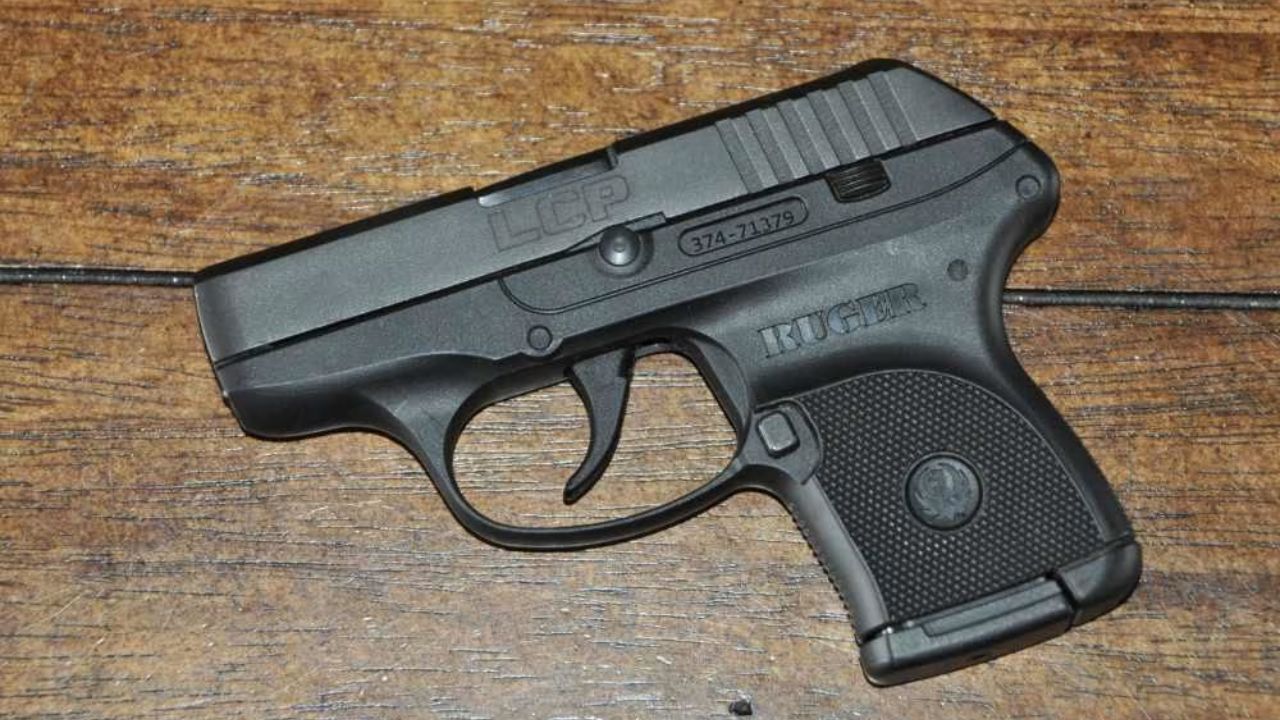
The original LCP is famous for being easy to carry and hard to shoot well. The sights are minimal, the grip is tiny, and the whole gun wants to shift in your hand under recoil. On paper, a lot of shooters see groups that look more like patterns, especially once they move past “close and slow.”
The reason trust fades is that you can’t fake hits. People buy it for deep concealment, then they actually test it and realize they’re not placing rounds where they thought they would. The LCP can absolutely work inside its lane, but it humbles shooters fast, and that’s why so many owners stop trusting it as their only option.
Smith & Wesson Bodyguard .380 (original)

The original Bodyguard .380 is another one that often surprises people in a bad way when the targets come out. The trigger can feel long and heavy, the sights aren’t generous, and the gun is small enough that grip consistency becomes a full-time job. When your grip changes slightly, your groups change a lot.
Plenty of folks carry it successfully, but many also walk away from the range thinking, “I’m not confident with this.” That’s the key. A carry gun doesn’t need to be a bullseye pistol, but it does need to be predictable. When a gun feels unpredictable in your hands, trust disappears fast.
Kel-Tec P-3AT

The P-3AT is a classic pocket gun that proved you can carry a gun anywhere. It also proved you might not like shooting it. Small frame, basic sights, and a snappy feel make it easy for shooters to throw shots. A lot of owners discover that their groups open up fast when they try to shoot with any speed.
That’s where confidence fades. If you can’t keep rounds in a tight zone at realistic distances, you start treating the pistol as a “last-ditch” tool instead of a primary carry gun. The P-3AT earns respect for being tiny, but it also earns doubt when targets start showing what tiny really means.
Kel-Tec PF-9

The PF-9 is thin and light, and that’s why people buy it. The downside is that light guns amplify shooter mistakes. The recoil can feel sharp, the grip can be harder to lock down, and a lot of shooters see their groups grow when they try to shoot faster than slow-fire. It’s not always mechanical accuracy—it’s practical accuracy under control.
Many PF-9 owners realize they don’t enjoy training with it, and that matters. A gun you don’t practice with becomes a gun you don’t trust. The PF-9 can carry well, but on paper it often shows people they need a more shootable platform if they want real confidence.
Ruger LC9 (original hammer-fired)

The original LC9 was built to be slim and easy to carry, and it did that job. But the trigger and overall shootability often left people underwhelmed once they started shooting groups. The long pull can make clean breaks hard, especially for newer shooters, and small sights plus a slim grip can make the whole experience feel less consistent.
A lot of owners end up shooting it “okay” at close range and then feeling disappointed when they move the target out a bit or add time pressure. That disappointment turns into doubt. The LC9 can still be carried responsibly, but it’s one of those pistols that makes many shooters realize they want a carry gun that’s easier to shoot well.
SCCY CPX-2

The CPX-2 gets bought because it’s affordable and it looks like a normal carry pistol. Then people shoot it and see groups they don’t love. The trigger feel is a common complaint, and the gun’s overall refinement can make it harder for some shooters to be consistent. Even if it runs, a gun that shoots wide makes people uneasy fast.
Confidence is everything in carry. When a pistol makes you work too hard for acceptable groups, you start questioning it. A lot of CPX-2 owners end up treating it as a “better than nothing” option instead of a pistol they truly trust, and that’s a tough place to be with a defensive gun.
Hi-Point C9
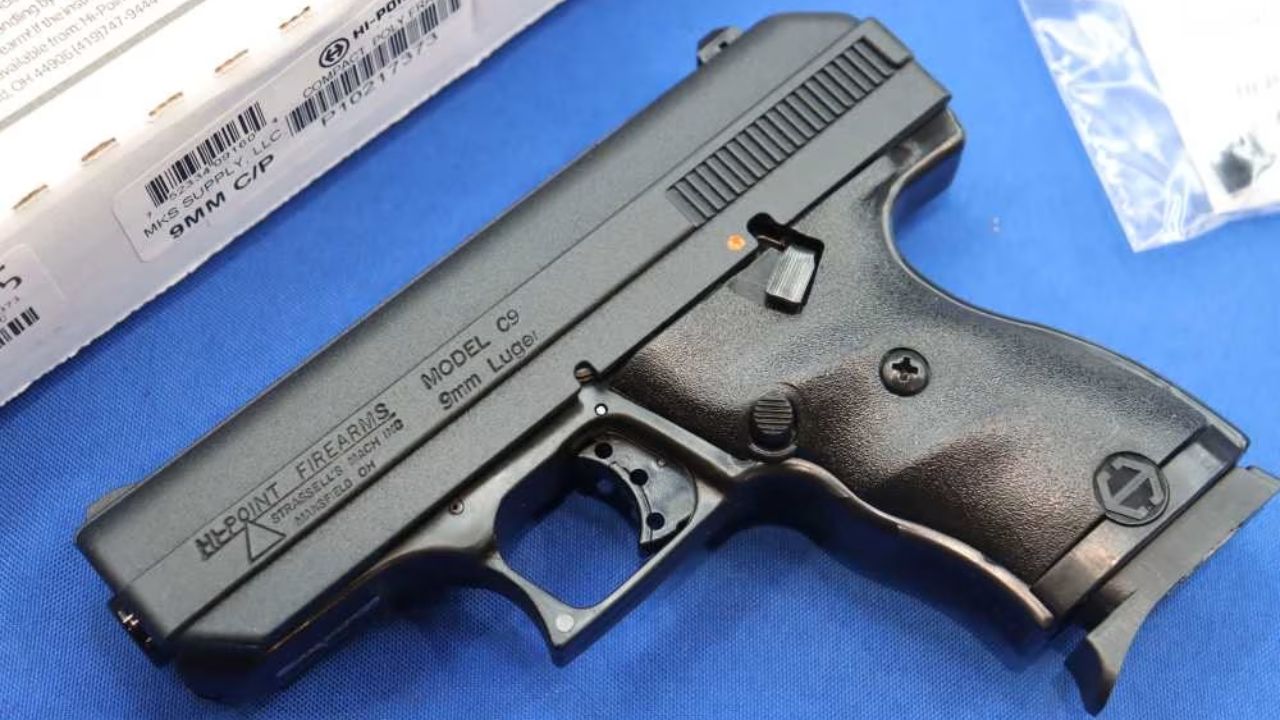
The Hi-Point feels like a brick and sometimes shoots like one too—meaning it’s heavy and awkward for many hands, and the controls and ergonomics don’t help most people shoot clean. Some examples can be surprisingly decent, but many shooters struggle to get consistent groups because the whole gun fights them.
The trust issue usually isn’t one bad target. It’s the pattern of “I can’t shoot this like I can shoot other pistols.” When you see wide groups, you start thinking about what happens under stress. If the gun is hard to shoot on a calm range day, it’s hard to trust as a defensive tool.
Taurus PT-111 Millennium G2

The PT-111 has plenty of fans, but it also has plenty of owners who shoot it and then quietly decide they don’t trust it. Sometimes it’s trigger feel. Sometimes it’s inconsistency. Sometimes it’s simply that the shooter expected “compact equals easy,” then learned compacts still require fundamentals. On paper, it can expose all of that quickly.
When a gun’s reputation is mixed, targets become the truth serum. If your groups are mediocre and your confidence isn’t high, you start looking at other platforms. That’s why PT-111s often show up in trade counters with very little explanation. People don’t always hate them—they just don’t trust them.
Taurus G2C

The G2C gets recommended a lot as a budget carry pistol, and some people do fine with it. But it’s also common to see shooters fire their first targets and realize they’re not getting the consistency they expected. The gun is small enough that grip matters, and the trigger can make clean presses harder for newer shooters.
A lot of G2C owners end up moving to something that feels more predictable. That’s not always because the gun is “inaccurate.” It’s because it doesn’t help the shooter be accurate. In the carry world, anything that makes you doubt your ability to place rounds is going to get swapped out sooner or later.
Glock 27 (.40 S&W)

The Glock 27 in .40 is a classic “looks fine until you shoot groups fast” pistol. The recoil impulse in a subcompact .40 can be sharp, and it can make shooters snatch the trigger or lose their grip between shots. On paper, you’ll often see vertical stringing and wider groups than the shooter gets with a similar 9mm.
That’s where trust fades: it doesn’t feel controllable for many people, so they don’t feel consistent. A G27 can run hard with a skilled shooter, but for a lot of carriers it becomes a lesson that controllability beats caliber ego. If your groups improve instantly when you switch to a 9mm, that tells you the story.
Springfield XD-S .45

Small .45s can look like a power move, and then the target tells you it’s a control problem. The XD-S .45 has enough recoil and movement that many shooters struggle to keep tight groups, especially if they try to shoot at a realistic pace. A lot of people shoot one magazine and realize they don’t want to practice with it.
That lack of practice becomes the real problem. A carry gun you avoid is a carry gun you don’t trust. The XD-S .45 can be reliable for some owners, but for many, the groups and the recoil experience make them move to a more controllable platform pretty quickly.
Beretta Nano

The Nano was built for deep concealment, and that usually means compromises. It’s small, the grip can be minimal for larger hands, and the shootability depends on how well the gun fits you. A lot of owners see their groups open up because they can’t get a consistent hold, and the sight picture isn’t as forgiving as larger pistols.
The Nano can be carried easily, but it often teaches the same lesson as many small guns: concealment is not the same as shootability. When targets show wide groups, people start wondering if they made the right choice for the role. That doubt is why the Nano ends up being traded fairly often.
Remington RM380

The RM380 is one of those pistols that looks like a classy little carry gun and then disappoints some shooters on paper. The sights and the small size can make it hard to shoot tight groups, and the overall feel doesn’t always encourage fast, clean shooting for the average carrier. Some owners do fine. Many don’t.
When a pistol is a little heavier and still doesn’t shoot the way you hoped, it becomes a confidence problem. A lot of people buy a .380 thinking it’ll be easy. Then the targets show them they need more grip, better sights, or a different trigger feel to shoot well.
Bond Arms Backup (double-barrel derringer)

Derringers are the ultimate “looks simple” trap. On paper, they often make people lose confidence fast because they’re hard to aim precisely, hard to hold steady, and easy to flinch with—especially in stronger calibers. The sight picture is basic and the grip is small, so it’s not surprising when groups look rough.
The bigger issue is that your margin is tiny: limited capacity, slow reload, and hard shooting. If the target groups aren’t reassuring, most people stop trusting the concept quickly. Derringers can fill a last-ditch niche, but the target usually makes that niche feel very narrow.
North American Arms Guardian .380

The Guardian is compact and built like a tank for its size, but small heavy pistols can still be hard to shoot well. The grip and sights aren’t generous, and a lot of shooters see their groups widen because they can’t get a clean, repeatable hold. It’s not always about mechanical accuracy—it’s about practical accuracy when the gun is tiny.
Owners often buy the Guardian for deep concealment, then realize they don’t shoot it enough to be confident. Targets don’t lie. If the gun doesn’t encourage practice and the groups aren’t good, it becomes a pocket gun people carry “just in case,” not a pistol they truly trust as a primary.
Like The Avid Outdoorsman’s content? Be sure to follow us.
Here’s more from us:


