Photo credit: Lutsenko_Oleksandr/Shutterstock.com
Gun shows promise deals you will not see in a glass case at your local shop, but the same crowded aisles that hide bargains also hide bad buys. If you want to move quickly without getting burned, you need a mental checklist that lets you size up a table, a seller, and a firearm in seconds. The fastest way to avoid a bad gun show deal is to recognize the red flags before your cash ever leaves your wallet.
Know how gun show pricing really works
Your first protection against a bad deal is understanding that there is no universal price tag at a gun show. Every table is its own little market, and two vendors can be hundreds of dollars apart on the same model because each is working from different overhead, inventory pressure, and ideas about demand. When you remember that there is no single standard, you stop assuming a price is fair just because it is written on a fluorescent tag and start comparing it to what you know about current retail and online listings.
Once you accept that reality, you can move faster on the floor because you know what normal looks like and what does not. If a vendor will not explain why a gun is far above or below market, that lack of transparency is itself a warning sign. A seller who can walk you through condition, upgrades, and how they arrived at the number is usually pricing in good faith, while someone who shrugs or gets defensive when you ask about value is signaling that you should keep walking.
Use “Used Guns 101” thinking instead of chasing the lowest tag
At most shows, the real land mines are not the new-in-box pistols but the used racks that promise savings if you know what you are looking at. Treat every secondhand firearm as a mini course in Used Guns 101, where your job is to understand value, not just price. A slightly higher sticker on a well cared for revolver with a clean bore and tight lockup can be a smarter buy than a bargain bin semi auto that has been abused, modified poorly, or shot to the edge of reliability.
Instead of fixating on the cheapest number you see, train yourself to weigh condition, included accessories, and how the gun fits your actual needs. Guidance on Used Guns makes the point that you should be willing to take a closer look or simply walk away if something about the deal does not line up with the asking price. When you think in terms of Understanding Value instead of chasing the lowest tag, you are far less likely to get stuck with a “cheap” gun that turns expensive once you factor in repairs or replacement.
Read the seller before you ever touch the gun
Long before you pick up a firearm, you can learn a lot from how the person behind the table behaves. A calm seller who answers questions directly, invites you to inspect the gun, and respects your pace is usually more interested in a fair transaction than a quick score. In contrast, a Vendor who is Too Pushy, crowding you, rushing your decision, or insisting that “this price is only good for the next five minutes” is waving a bright red flag that something about the deal will not stand up to scrutiny.
Some counterfeit and problem gear is moved precisely by leaning on that pressure, because the Vendor could be hoping you will not notice details that just are not quite right. Advice on How to Spot Common Counterfeits notes that Every overly aggressive pitch is a cue to slow down, not speed up. When you feel that hard sell, your quick way to avoid a bad deal is simple: step back, thank them, and move on to the next table where the conversation feels more like a consultation than a countdown.
Ask questions like a buyer, not a fan
Once you decide a table is worth your time, your next filter is how the seller handles basic questions. You are not there to gush about how cool a particular AR build looks, you are there to Ask Questions that protect your money and your safety. Start with straightforward prompts about round count, ownership history, any known issues, and whether the gun has had gunsmith work or aftermarket parts installed, then pay attention to whether the answers are specific or vague.
Guidance framed as Your responsibility as a buyer is clear that a used gun is an investment and you should treat it that way. If the seller cannot tell you basic facts, gets irritated when you probe, or tries to change the subject to how “rare” or “tactical” the gun is, that is your cue that the story behind the firearm may not match the price on the tag. A good deal survives tough questions, a bad one falls apart as soon as you start asking them.
Insist on a full, safe inspection every time
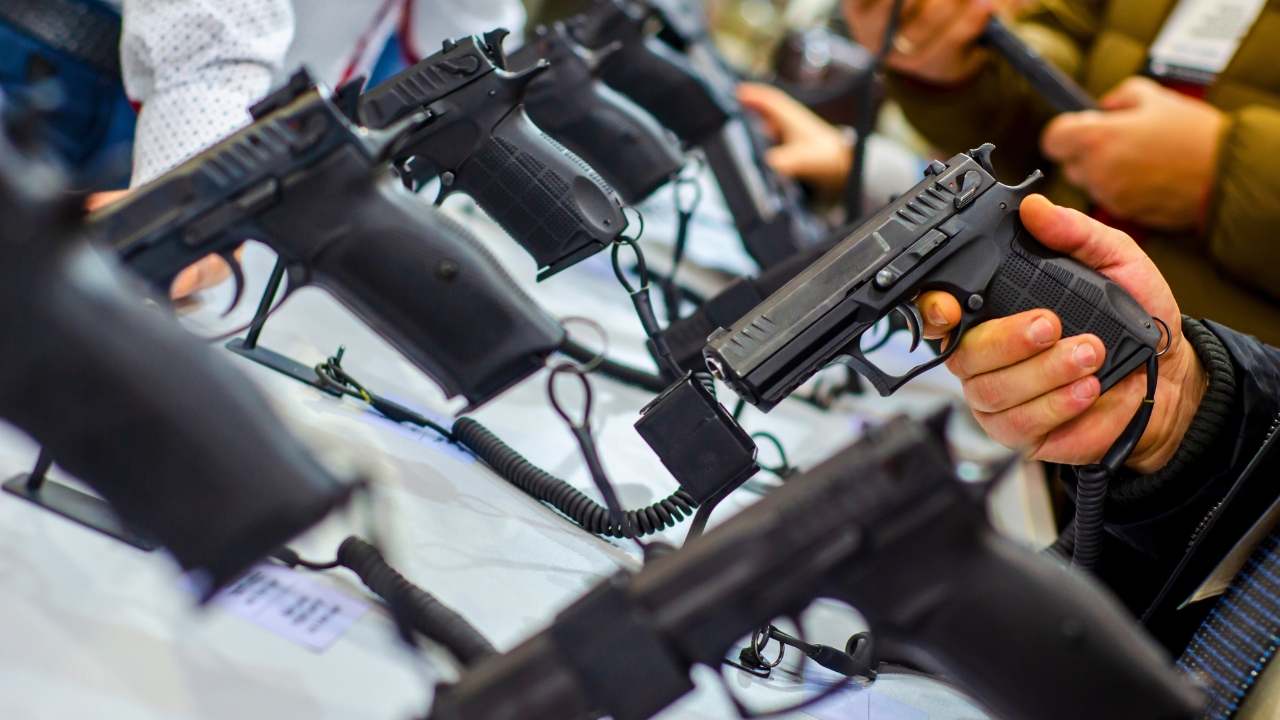
No matter how busy the aisle is, you should never skip a methodical inspection of any firearm you are thinking about buying. The first step is non negotiable: Make Sure The Gun Is Unloaded, visually and physically checking the chamber for the round yourself instead of trusting that someone else cleared it earlier. Responsible show operators, including Eagle Shows, emphasize that no loaded weapons are allowed on the floor, but you still treat every gun as if it is loaded until you personally verify otherwise.
Once you know it is safe, examine the firearm like a technician, not a tourist. Look for cracks, rust, pitting, mismatched serial numbers, and signs of amateur gunsmithing such as chewed screw heads or tool marks. Advice that tells you to Inspect It Like a Pro also suggests checking the bottom of the magazine, the feed ramp, and the crown of the barrel, then using any flaws you find as leverage to help you and the dealer find a middle ground on price. If a seller resists a basic safety check or tries to stop you from looking closely at wear points, that resistance is your signal to walk away before you ever reach for your wallet.
Spot mechanical and cosmetic warning signs fast
Even if someone else has cleared the gun, you still treat it as loaded until you have personally confirmed the condition and the action. After your safety check, cycle the slide or bolt, test the safety, and dry fire only if the seller agrees, listening and feeling for anything that seems gritty, sluggish, or inconsistent. A firearm that feels rough, binds partway through its travel, or shows inconsistent trigger break is telling you that it may have hidden mechanical issues that will cost you later.
On the cosmetic side, you are not just looking for pretty finish, you are looking for clues about how the gun has been treated. Detailed guidance urges you to Examine the pins, screws, bushings, and other small parts for damage or signs of repeated disassembly. When those little components are chewed up or replaced with off brand pieces that do not quite match, you may be looking at a gun that has been pushed hard or tinkered with by someone who did not know what they were doing, which should push you either to negotiate aggressively or move on.
Recognize counterfeit and “too good to be true” gear
Bad gun show deals are not limited to the firearms themselves, they also lurk in the accessories that promise big performance at tiny prices. Counterfeit optics, magazines, and branded parts can look convincing at first glance, especially when they are laid out under harsh convention center lighting. Your job is to slow down enough to compare logos, fonts, machining, and packaging to what you know from reputable retailers, and to be suspicious when a supposedly premium item is priced like a knockoff.
Guidance on how to Spot Common Counterfeits notes that the vendor could be hoping you will not notice that the details just are not quite right. That might mean a misspelled brand name on a red dot sight, a finish that looks slightly off compared to the real thing, or packaging that feels cheap and generic. When you see a combination of a pushy sales pitch, a deep discount, and small inconsistencies in the product itself, the quick way to avoid a bad deal is to assume the gear is fake until proven otherwise and keep your cash in your pocket.
Avoid the classic negotiation traps
Even when the gun and the gear are legitimate, you can still end up with a bad deal if you fall into common negotiation mistakes. One of the biggest is Not Shopping Around, locking in on the first example of a gun you want and convincing yourself you have to buy it before someone else does. In a large hall, there may be three or four other vendors with the same model, and you will only know whether the price in front of you is fair if you are willing to walk a loop and compare.
Experienced buyers warn that some sellers will pad their initial price because they expect you to haggle, then offer small discounts to sweeten the pot that still leave you paying more than you should. Advice on Not Examining the Gun Closely and related mistakes emphasizes that you should base your counteroffer on what you have seen at other tables and online, not on the seller’s starting number. When you are willing to say “thanks, I am going to look around a bit more” and actually do it, you strip away most of the leverage that leads to rushed, overpriced purchases.
Plan your budget and mindset before you hit the door
The fastest way to spot a bad deal is to know, in advance, what a good deal looks like for you. That starts before you ever park the car, when you decide what you are shopping for, what your ceiling is, and how you will respond if you do not find it. Community advice often boils down to a simple rule: Bring some cash, but do not expect that buying anything is a definite, and be okay with the possibility that you will leave with your money still in your pocket.
One detailed checklist from a gun owner community urges you to Bring enough cash to move quickly on a genuine bargain, while still being ready to walk away if the numbers or the condition do not line up. Video breakdowns of Jul gun shop scams aimed at buyers underline the same mindset: scammers rely on you feeling like you have to buy something because you made the trip. When you enter the show with a clear plan, a firm budget, and the attitude that “no deal” is better than a bad one, you give yourself the space to use every quick test in this playbook and keep your cash for the guns that truly deserve it.
Like The Avid Outdoorsman’s content? Be sure to follow us.
Here’s more from us: