Photo credit: Konstantin Savusia/GunBroker
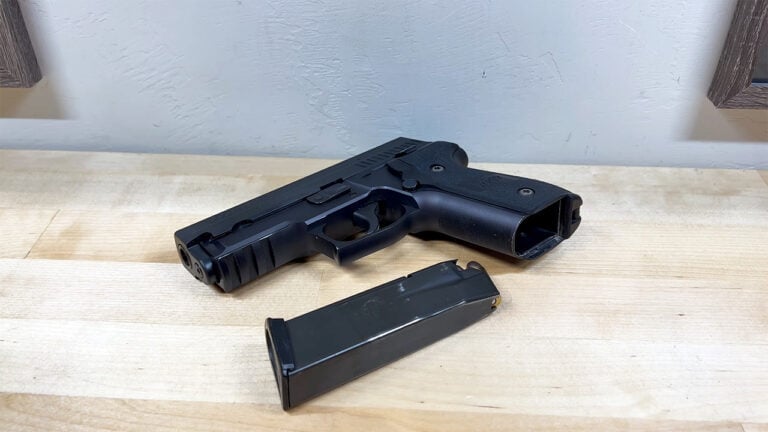
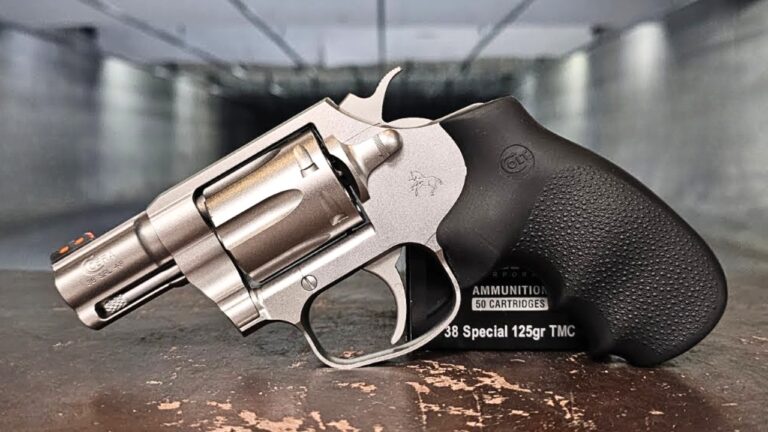
For decades, people have said revolvers were on their way out. Then, every few years, they come roaring back. No matter how many new polymer pistols hit the shelves, revolvers still find their way into holsters, glove boxes, and nightstands. The reason is simple—trust. Revolvers work when they have to, and they don’t ask much from their owner. They’re not chasing trends or magazine capacity wars; they’re built on mechanical honesty. You don’t have to guess whether it’ll feed the next round or worry about stovepipes. When you pull the trigger, it either fires or you pull again. That kind of confidence keeps them relevant long after others fade from fashion. Semi-autos may dominate the headlines, but revolvers still hold a quiet corner of loyalty that no striker-fired pistol has managed to shake loose.
Mechanical Reliability
Revolvers aren’t picky. They don’t care about bullet shape, magazine tension, or limp-wristing. The cylinder turns, the hammer falls, and the gun fires. That’s their magic—they run without needing perfect form or constant maintenance. You can load one, forget it for months, and it’ll still work the same when you need it.
In extreme conditions—mud, cold, or dust—many semi-autos falter. Revolvers rarely do. There’s no slide to jam or spring to fatigue over time. It’s a straightforward design that’s been perfected over generations. When everything else feels overengineered, a revolver’s simplicity becomes its greatest strength.
Immediate Follow-Up Shots
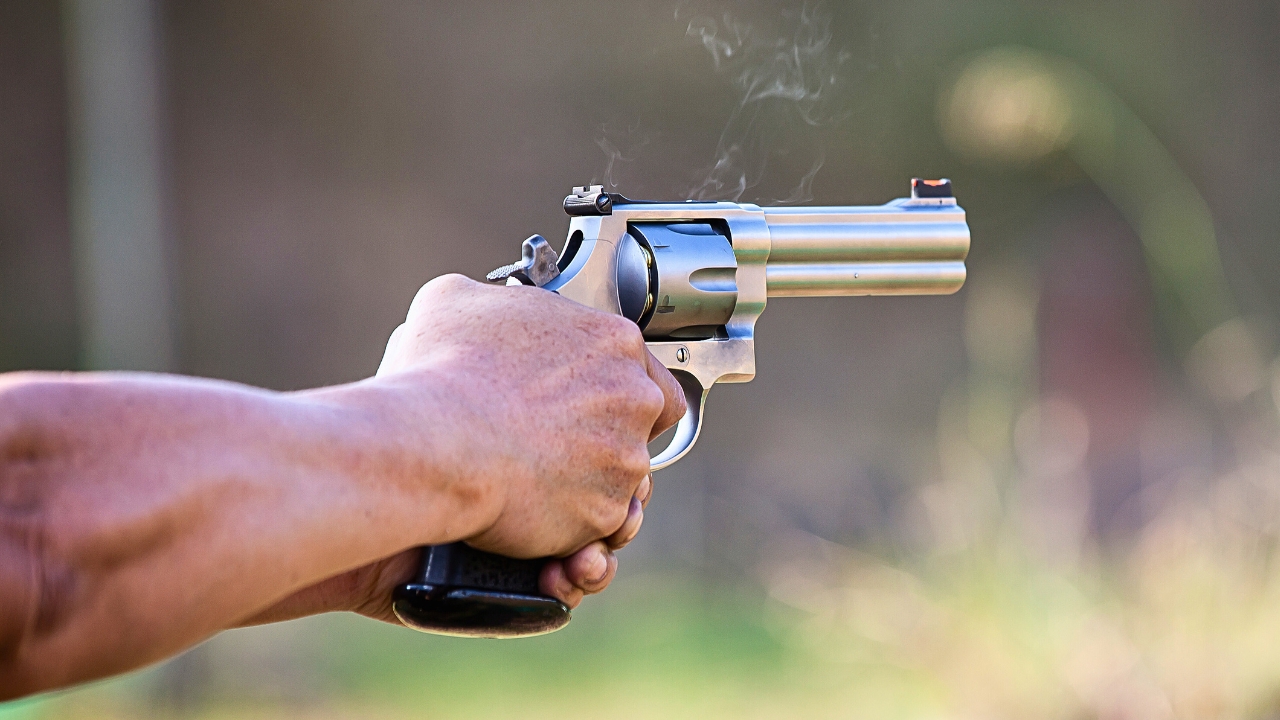
When a semi-auto misfires, you’re dealing with tap-rack-clear drills. When a revolver misfires, you just pull the trigger again. That alone keeps many shooters loyal. In a defensive moment, the ability to instantly cycle to a fresh round is priceless.
This simplicity reduces stress under pressure. You don’t have to think about clearing malfunctions—you just keep shooting. For people who prioritize dependability over capacity, that’s hard to beat. It’s one of the reasons revolvers still show up on the hips of experienced outdoorsmen and those who carry for self-defense in unforgiving environments.
Caliber Versatility
Revolvers offer unmatched flexibility in calibers. You can shoot light .38 Special loads for practice, then load .357 Magnum for defense—all in the same gun. That kind of adaptability is rare.
You can also find revolvers chambered for everything from mild rimfires to massive hunting rounds. Semi-autos struggle with that range because of cycling limits and pressure differences. A revolver gives you the freedom to tailor your load for any situation—target, trail, or defense—without worrying about function issues. That’s versatility that no compact 9mm can match.
Ease of Use Under Stress

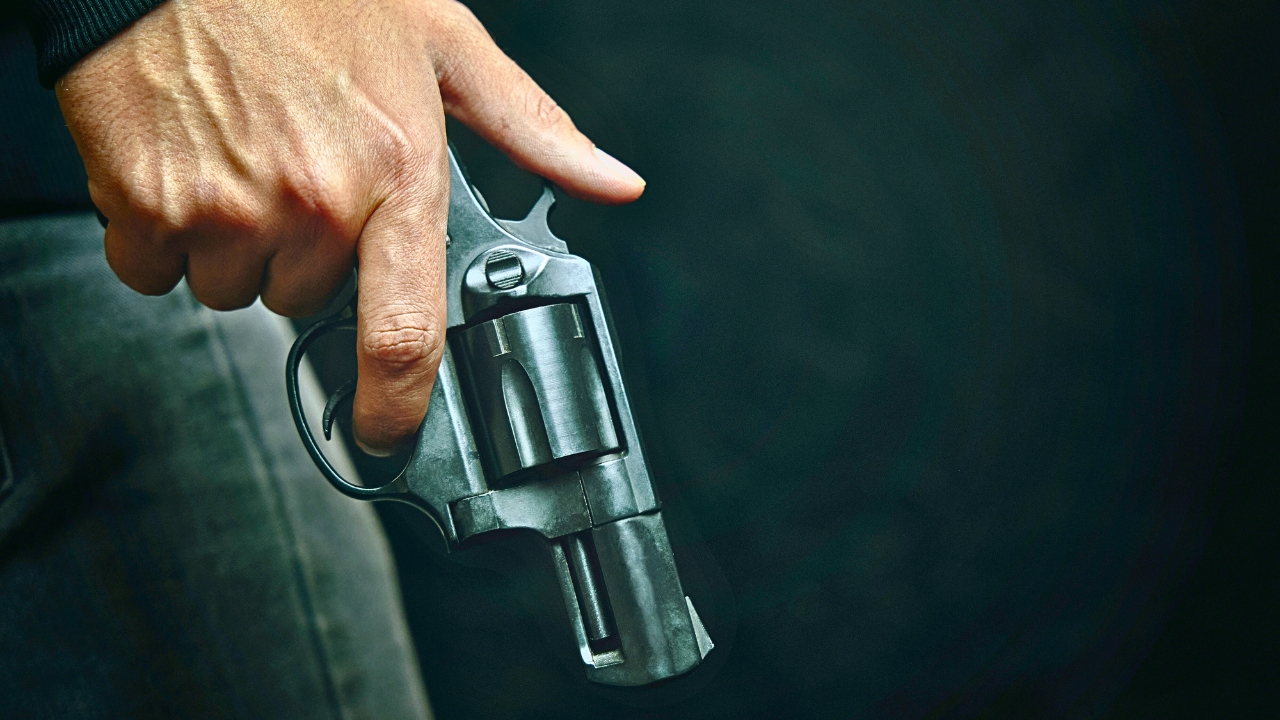
There’s no safety to forget, no slide to rack, and no magazine to seat. Revolvers are as straightforward as a gun gets: pick it up, point, and pull the trigger. In high-pressure situations, fewer steps mean fewer mistakes.
That’s part of why many people still trust revolvers for home defense. Whether it’s a spouse who rarely trains or an older shooter with limited grip strength, the design is forgiving. It rewards calm control instead of speed drills. Even in the dark, it’s nearly impossible to forget how to make a revolver run.
Long-Term Durability
Revolvers are built to last. Fewer moving parts and no feeding mechanisms mean less wear over time. Many old Smith & Wessons and Colts are still running strong decades later with minimal care.
Semi-autos rely on magazines, extractors, and recoil springs that all wear down. Revolvers, by comparison, can sit loaded for years without complaint. For hunters and ranchers who live far from a gunsmith, that matters. They may weigh more, but that solid frame and simple design pay off with a lifespan most modern pistols can only envy.
Accuracy from the First Shot
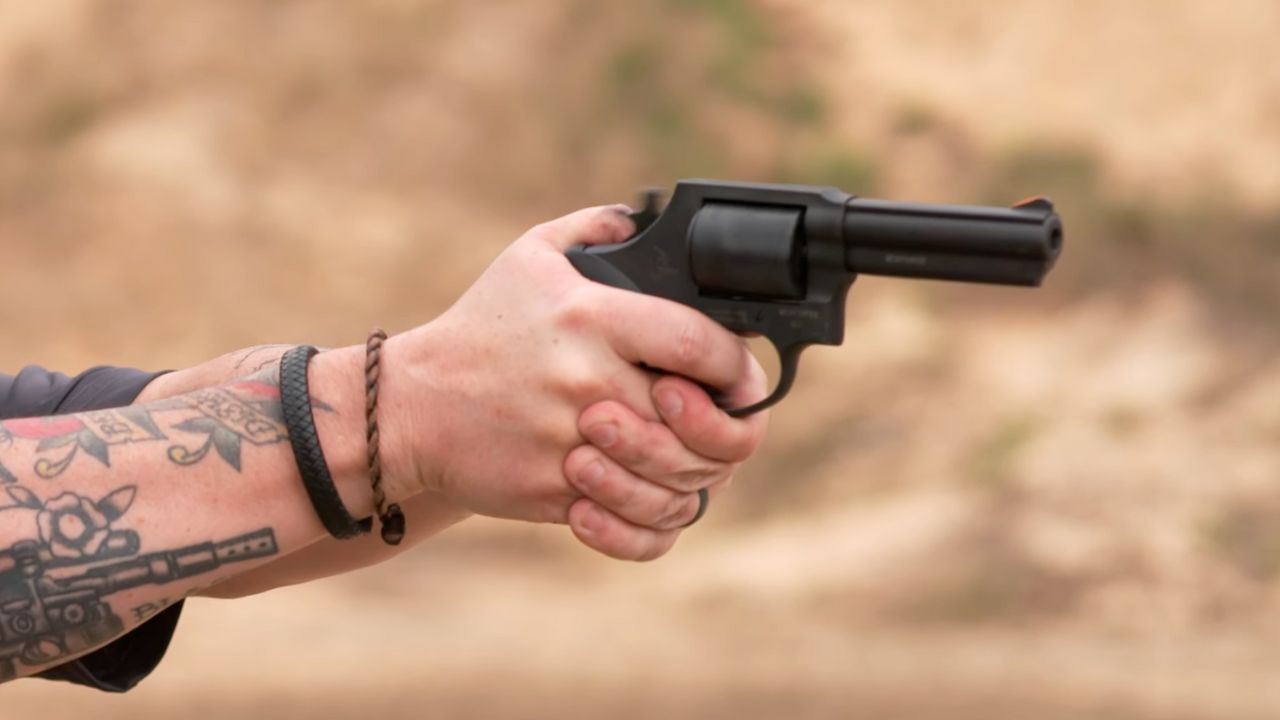
Revolvers don’t rely on slides or ejection cycles, so there’s no movement when the hammer falls. The shot breaks from a locked cylinder, and that helps precision shooters hit more consistently. Many hunters and target shooters appreciate that stability.
A good double-action trigger takes practice, but once you learn it, it’s smooth and predictable. Single-action follow-ups are crisp, too. While a semi-auto might give you faster strings, a revolver rewards discipline and accuracy on that first shot—something every serious shooter values.
Power in Compact Packages
A short-barreled .357 or .44 Special revolver delivers serious power in a size that still fits under a jacket. You can’t get that kind of punch from most compact semi-autos without adding recoil problems or reliability issues.
That’s why revolvers remain popular with backcountry guides and hikers who want a real stopper in bear country without hauling a full-size pistol. They’re tough, easy to load, and capable of serious energy in tight quarters. You can carry one all day without feeling undergunned.
Safety and Simplicity Combined

Revolvers are inherently safe when handled properly. A long, deliberate trigger pull makes accidental discharges far less likely than a light single-action or striker-fired setup. There’s also no magazine to fumble or chamber check to forget.
This design gives new shooters confidence while keeping experienced ones grounded. You can visually check if it’s loaded in seconds, and you’ll never wonder whether there’s a round in the chamber. The simplicity makes them ideal for anyone who values straightforward safety over modern gadgetry.
Proven History in the Field
Revolvers have been serving soldiers, hunters, and lawmen for nearly two centuries. Their longevity isn’t nostalgia—it’s proof of reliability earned through real use. From the American frontier to modern bear camps, they’ve done their job without fanfare.
You’ll find them holstered on trappers in Alaska, carried by ranchers across the West, and tucked in nightstands across small-town America. Their continued presence isn’t sentimental—it’s practical. When something has worked flawlessly for generations, there’s little reason to replace it with something more complicated.
They Fit Where Others Don’t

Revolvers can go where semi-autos can’t. Their shapes fit comfortably in coat pockets, tackle boxes, and even ankle holsters without snagging on edges or slides. Compact models like snub-nose .38s have made that niche their home for decades.
They also perform well when neglected. Dust, moisture, and time might stop a semi-auto cold, but a revolver can shrug off abuse and still fire. For many folks, that reliability outweighs magazine capacity or reload speed. It’s why, despite every wave of new pistol trends, revolvers still have a seat at the table—and always will.
Like The Avid Outdoorsman’s content? Be sure to follow us.
Here’s more from us:
The worst deer rifles money can buy
Sidearms That Belong in the Safe — Not Your Belt
*This article was developed with AI-powered tools and has been carefully reviewed by our editors.