Photo credit: guruXOX/Shutterstock.com
Some handguns make you wonder if the sights are lying. You aim dead center, squeeze, and the round drifts off like the pistol decided to aim for its own target. Often the culprit isn’t your skill or the scope, it’s the gun. Loose lockup, sloppy slide-to-frame fit, soft barrels, tiny sights, and inconsistent magazines can all send rounds all over the paper. These pistols are the ones that make you blame everything but the real problem. Below are eleven pistols that have earned a reputation for wandering shots, either because of design quirks or quality control problems that never quite got sorted.
Raven MP-25
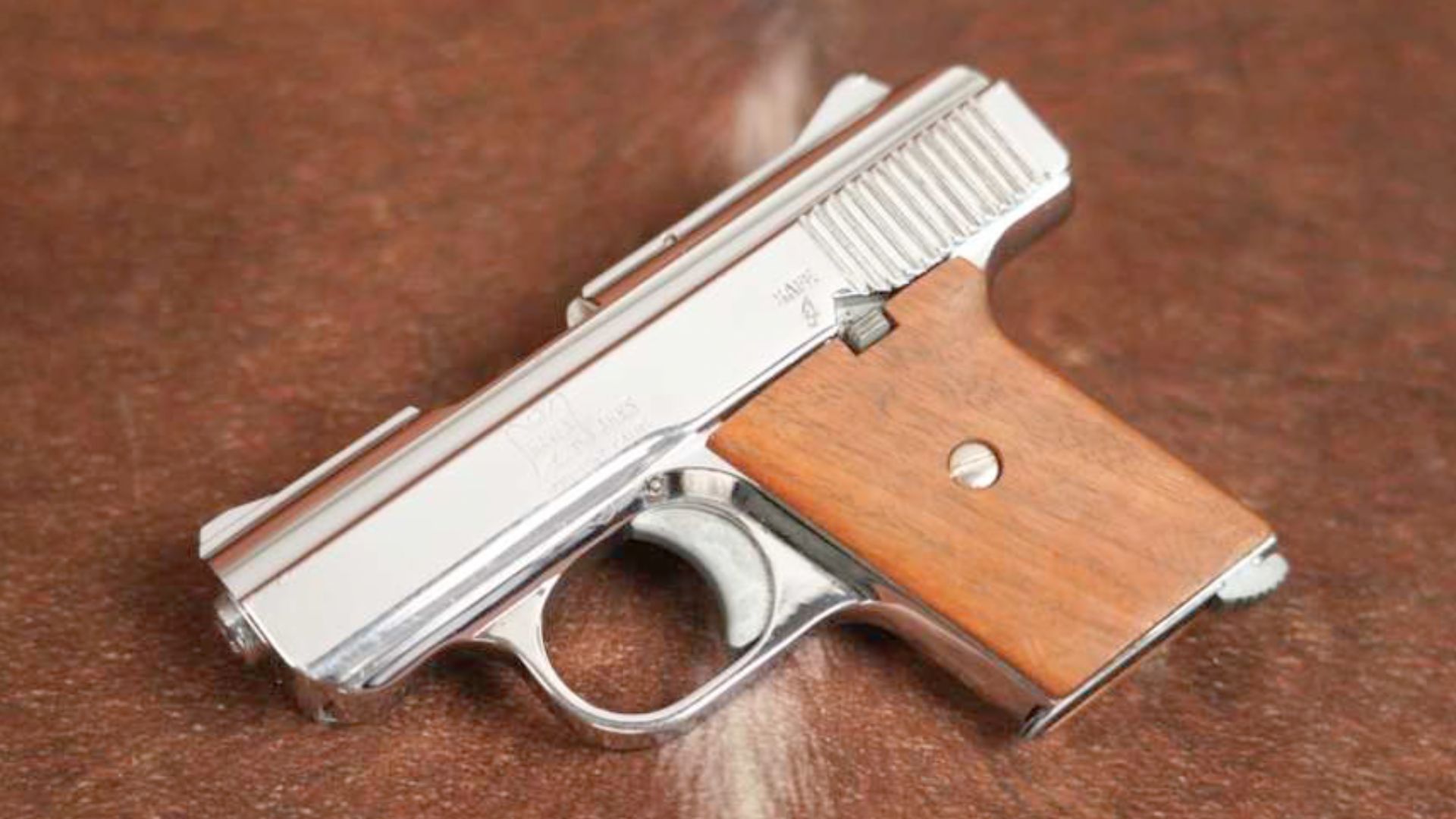
The Raven MP-25 is a cheap little 25-caliber pocket pistol built from soft alloys and minimal tolerances. At short range it can look acceptable, until you try to string shots together. The slide and barrel fit are often loose enough that lockup changes slightly between shots, so your groups walk sideways even off a sandbag.
Add in tiny sights and a light, snappy recoil impulse and you get a pistol that makes consistent hits a challenge. It’s fine for very close emergency carry, but for any kind of precision it will frustrate you worse than a cloudy red dot.
Lorcin L380
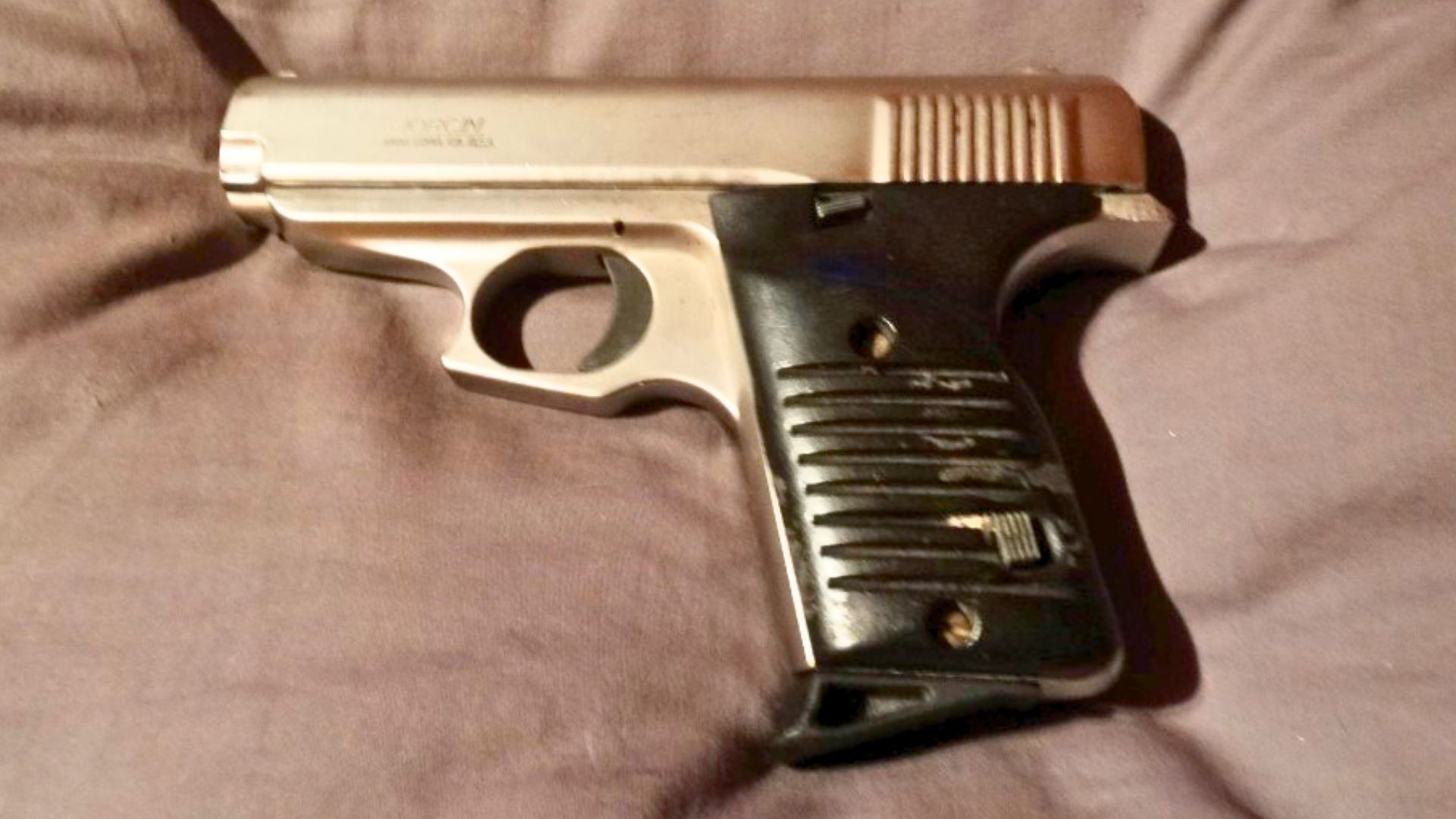
The Lorcin L380 and other early budget imports share a common problem: loose tolerances and poor metallurgy. The barrels and slides on many examples don’t lock up in the same place every cycle, so the point of impact can move unpredictably. Even when the trigger pull is controlled, the gun’s mechanical variances do the rest.
Those pistols were designed to be cheap and disposable, not precision tools. If you expect repeatable groups, the L380 will quickly prove you wrong. Most owners eventually learn to accept scatter or sell the gun for something that holds a true zero.
Jennings J-22
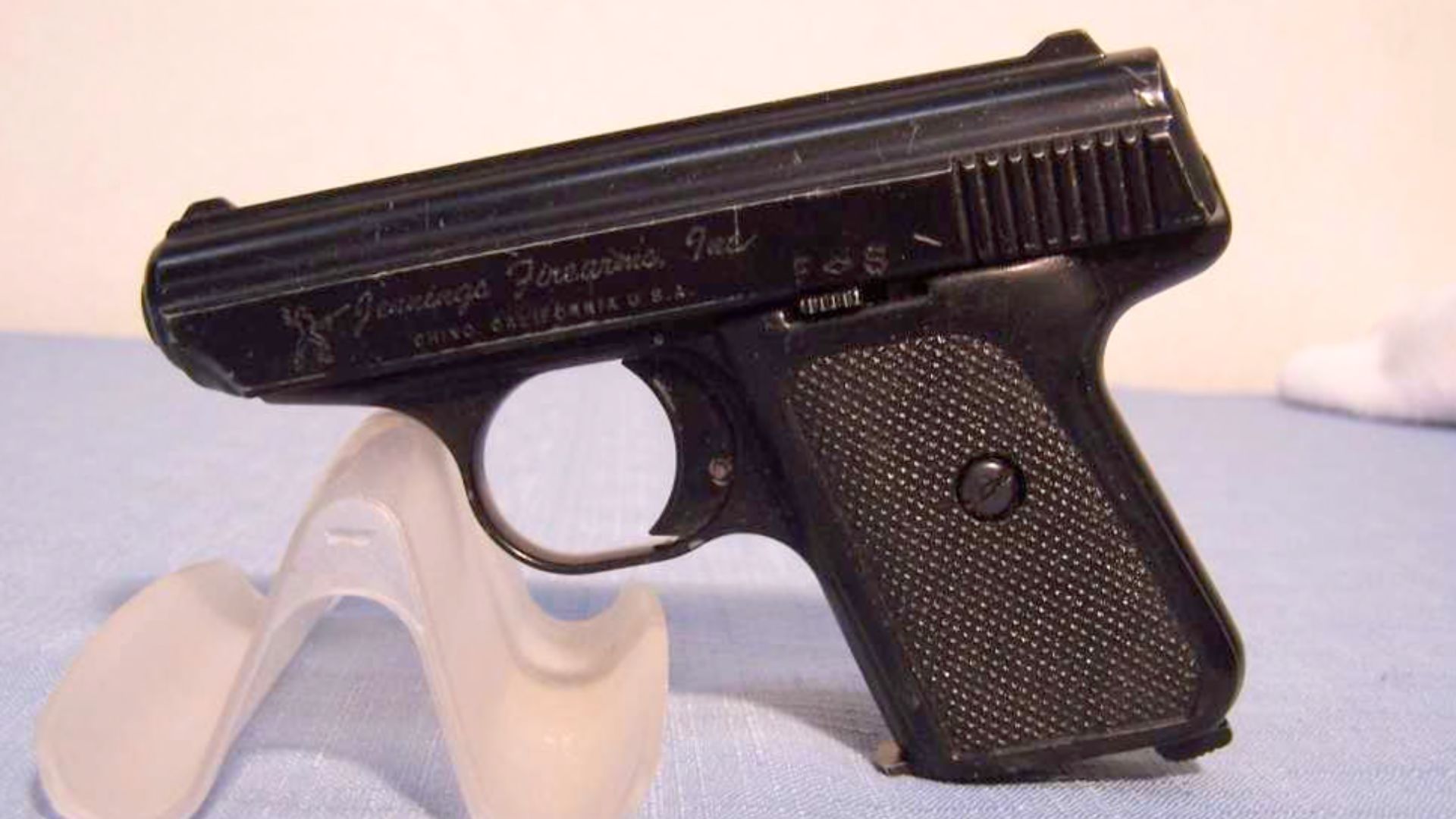
The little Jennings J-22 looks harmless enough, but its rimfire action and soft construction can make shot placement unreliable. Chambers and feed lips can be variable from one magazine or cartridge to the next, and the thin barrel heats and changes harmonics fast. That combination often shows up as shots creeping around the target.
People kept these because they were cheap to buy and easy to conceal, but for accuracy you’ll find yourself blaming everything from your ammo to your rest. The real issue is the gun’s inconsistent mechanical behavior under live fire.
Phoenix HP25A
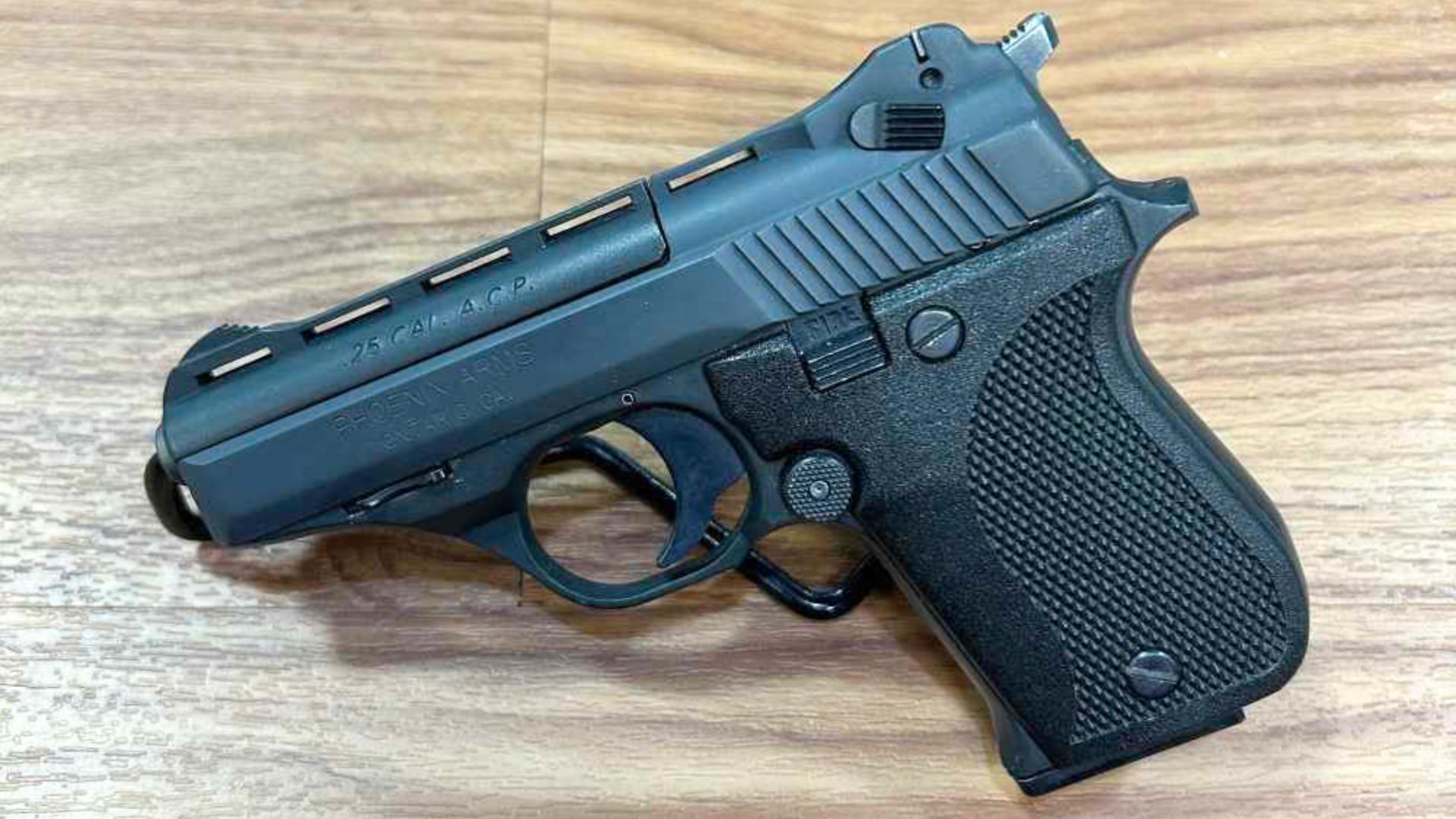
The Phoenix mini pistols in .25 ACP often suffer from vague lockup and slide fitment problems that translate into wandering impacts. The tiny sights don’t help, and the heavy double-action pulls on many models move the gun in the moment of firing. On paper you might think your aim was steady, but the pistol had already shifted.
For deep concealment they check a box, yet for repeatable accuracy they disappoint. Expect inch-wide or larger spreads at even close defensive ranges unless you’re very lucky with a particular specimen.
FEG PA-63
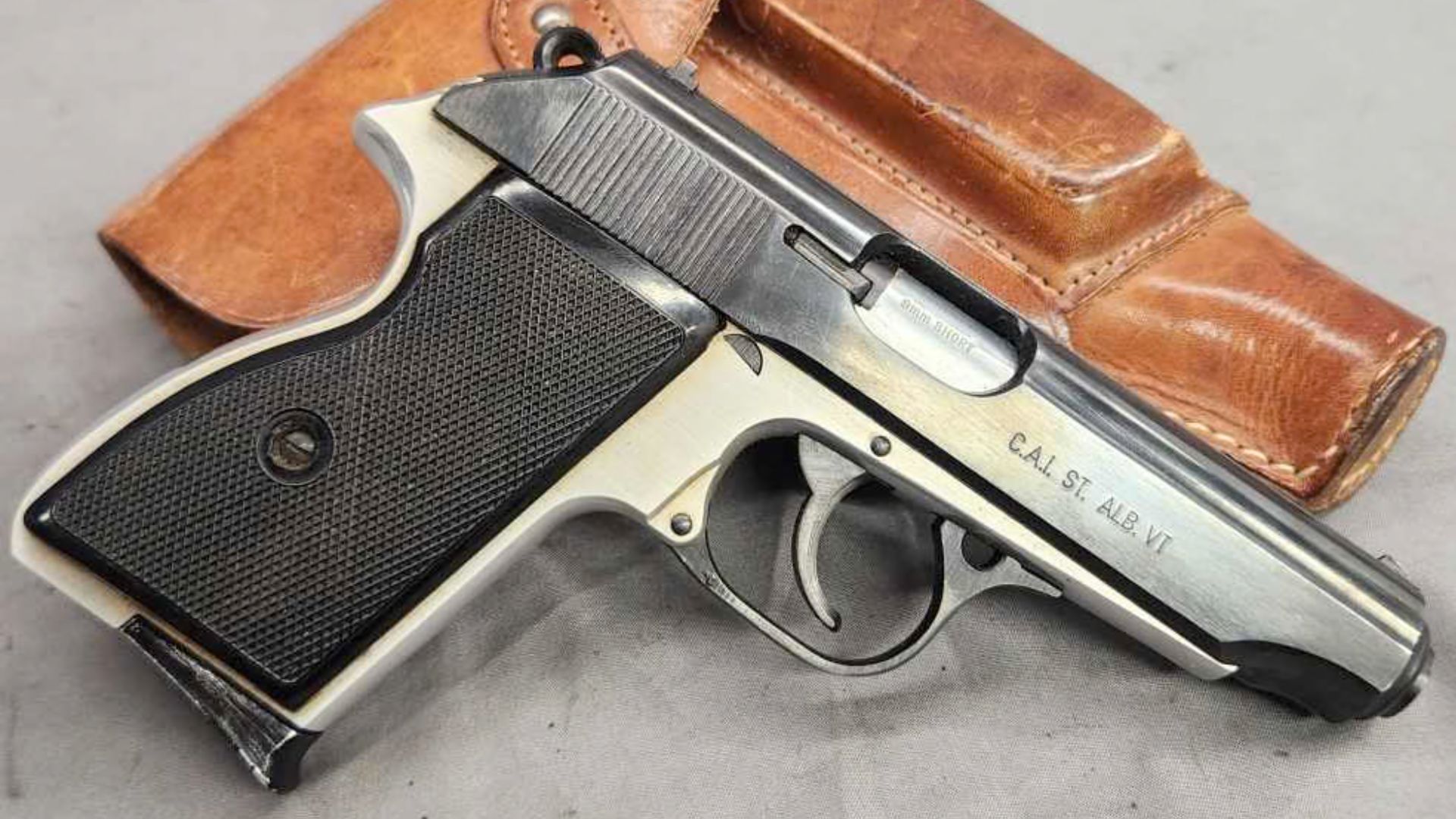
The Hungarian FEG PA-63 is a rock-solid service pistol in many ways, but its small sights and heavy double-action pull work against precision. The long, stiff trigger often drags the muzzle off target during the break, and the factory sights are tiny enough that small errors become big misses. Add in older magazines that may feed inconsistently, and you have a pistol that can drift more than a poor optic.
Shoot one slowly on the bench and you’ll feel how much the trigger demands from your finger. It’s reliable for service use, but it won’t win any accuracy awards without work.
Rohm RG Series
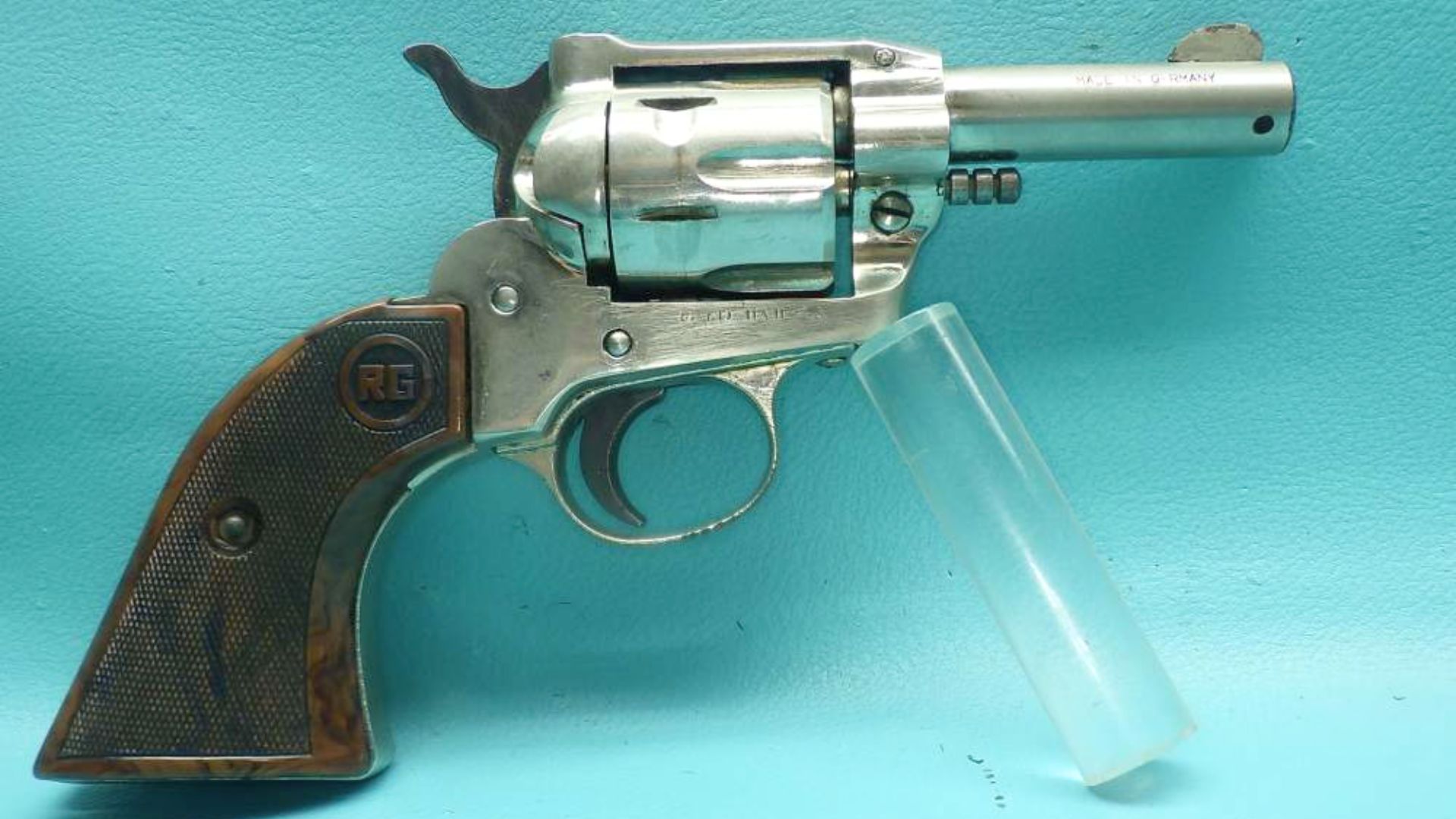
Rohm and similar low-cost German imports in the RG series were designed to be inexpensive and simple, but quality control suffered. Loose slide rails and inconsistent barrel seating mean lockup varies shot to shot on some examples. That variability shows up as horizontal and vertical drift that no amount of sighting will cure.
They’re okay for a quick, budget purchase, but if you want your rounds to land consistently you’ll find yourself returning to the bench repeatedly. Many shooters end up treating these as throwaways rather than serviceable target guns.
Star Model B

The Spanish Star Model B has a long service history but it was not built for bench accuracy. On some older examples the slide-to-frame mating wears in a way that changes lockup subtly over a string of shots, sending follow-ups off target. Combine that with a modest sight radius and you’ll watch groups walk as you fire.
Collectors and some shooters still like the Star for its controls and metal feel, but it’s not the pistol you pick when you want repeatable, pea-sized groups without extra tuning.
Derringer Style Pocket Pistols
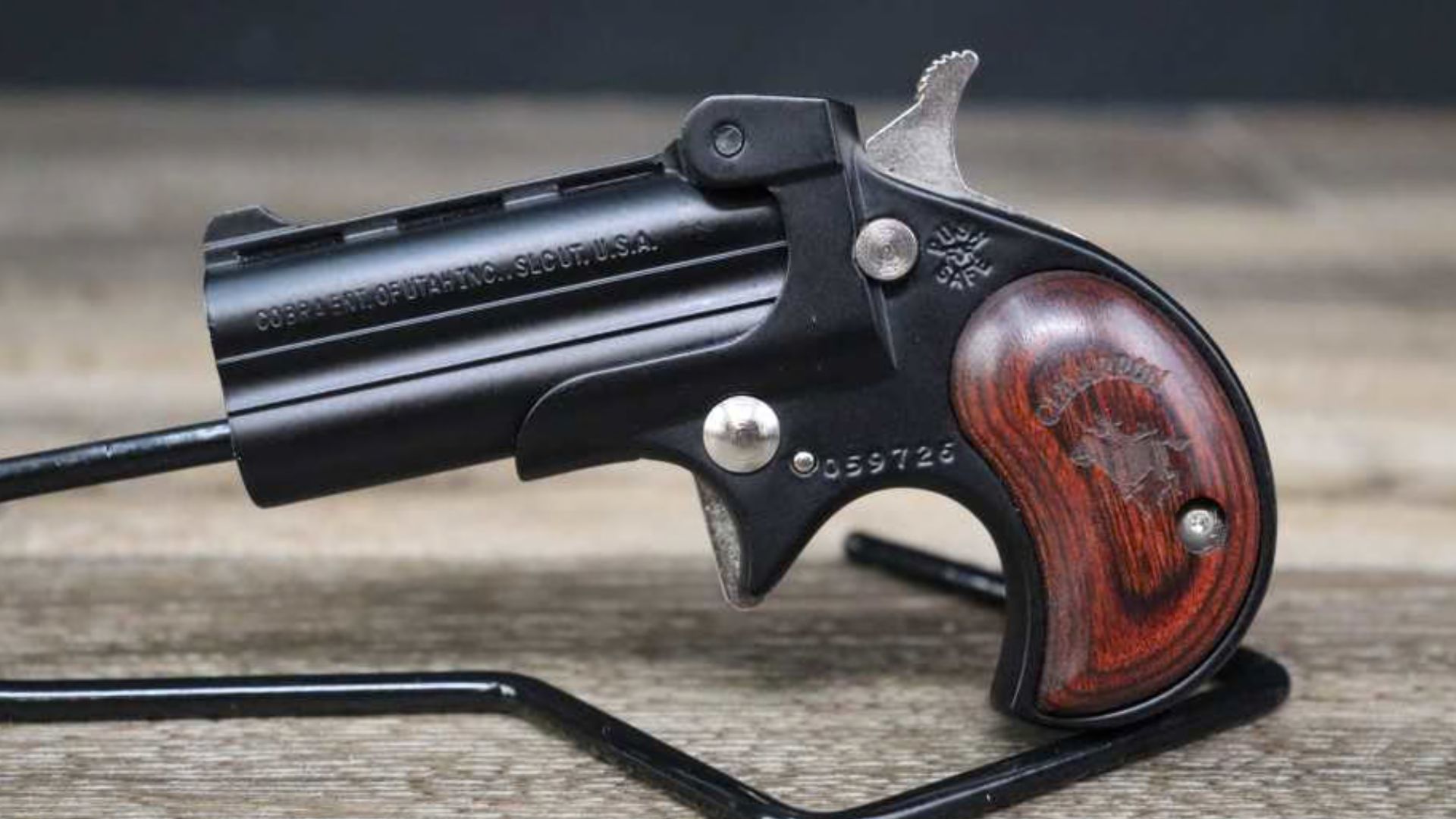
Several inexpensive derringer-style pocket guns have tolerances loose enough that barrel alignment and firing pin strikes vary between shots. The short, stubby barrels and crude hinge systems mean the bore alignment can shift just enough to send rounds in different directions. Even shooting from a rest doesn’t hide it.
They serve as last-ditch tools and nothing more. For anything resembling consistent accuracy you’ll want a different platform, because these tiny two-shot pistols tend to scatter more than they concentrate.
Intratec Protec-25
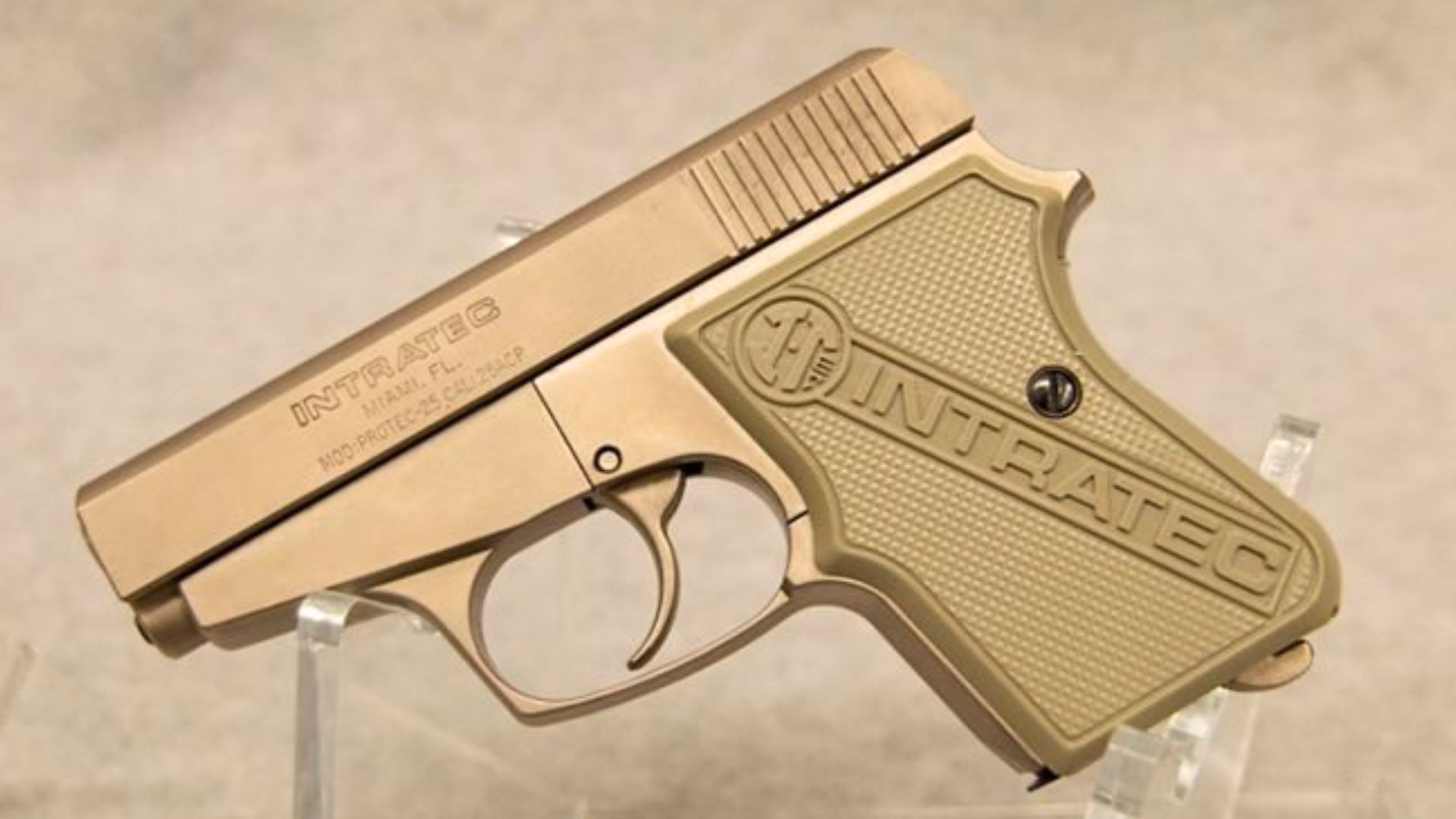
The small caliber Intratec pistols were built with economy in mind, and the fit and finish reflects that. Barrel-to-slide alignment and sear engagement can vary, producing inconsistent muzzle behavior from shot to shot. Even one-handed or slow fire exposes the tendency for shots to drift off the intended aiming point.
For casual pocket carry they have a place, but if accuracy matters the Protec-25 and its kin will disappoint. Expect wide groups at anything but point-blank range unless you find a rare well-behaved sample.
NAA Mini Revolver

Micro revolvers from North American Arms and similar makers are tiny and practical up close, yet their short sight radius and abrupt recoil mean small input errors become large misses. Cylinder-to-barrel gap tolerances and the short barrel make every shot sensitive to grip changes. A slightly different hold between shots will move impacts more than a full-size revolver.
They’re brilliant for deep concealment and purpose-built roles, but for repeatable accuracy on the bench they’ll drift more than a well-regulated autoloader. If you need tiny and precise at distance, these aren’t the tools for the job.
Like The Avid Outdoorsman’s content? Be sure to follow us.
Here’s more from us:
The worst deer rifles money can buy
Sidearms That Belong in the Safe — Not Your Belt
*This article was developed with AI-powered tools and has been carefully reviewed by our editors.