Photo credit: artichoke studio/Shutterstock.com
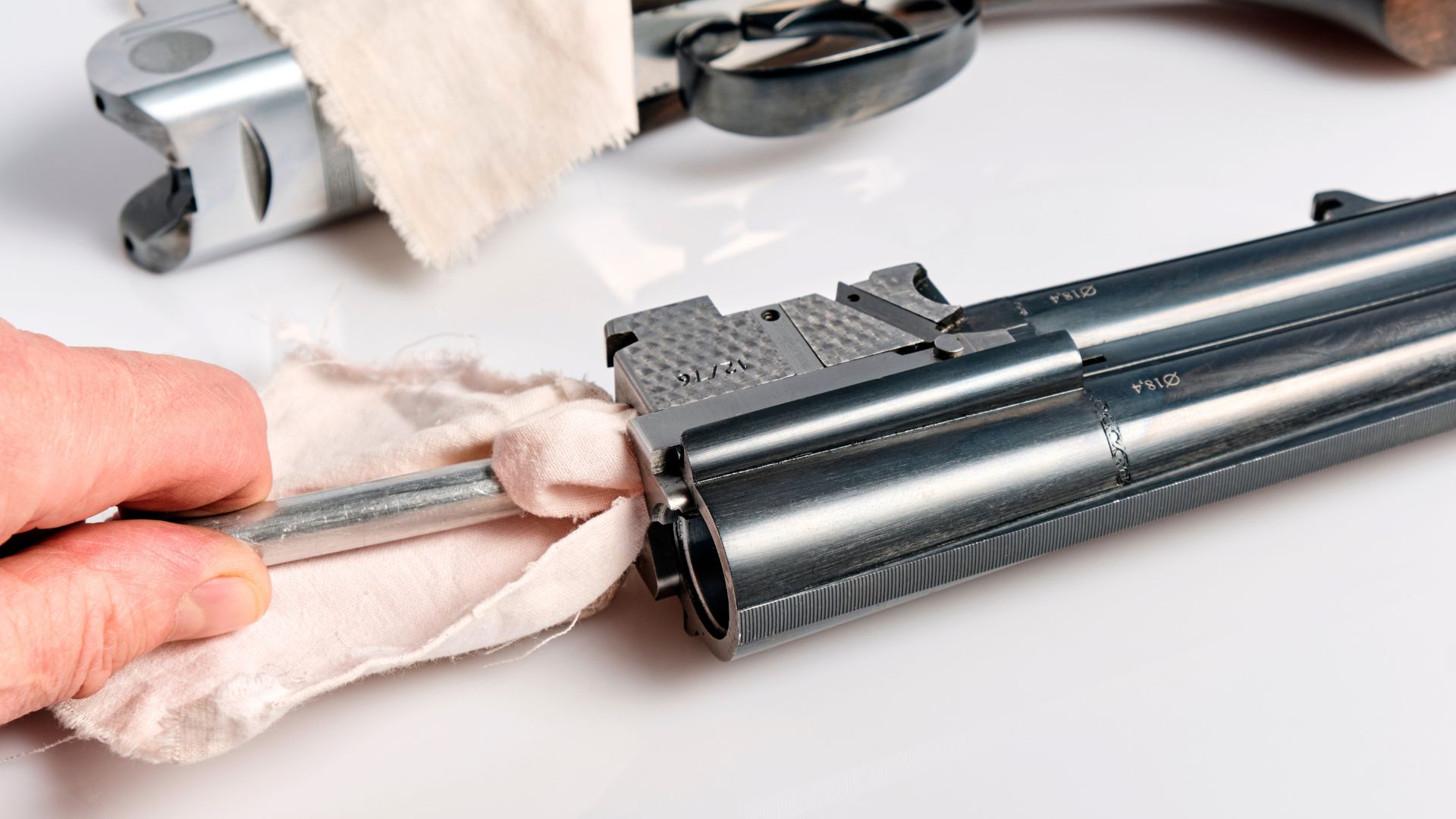
Some rifles seem fine until you decide to clean them thoroughly. You pull the rod through, polish the crown, and the next time you shoot the groups scatter like you moved the target. It’s maddening and humbling. In a few guns a light layer of fouling actually helps stabilize harmonics, or the bedding and torque points shift when you take the action out and put it back. Other rifles have crowns or chambers that are just sensitive to an overzealous brush. These are eleven rifles that shooters have learned to treat carefully after a cleaning—handle with respect, shoot a few fouling rounds, then judge.
Remington Model 700 varmint contour

The Remington Model 700 in a thin varmint contour can be a fantastic tack driver—but it’s also one of the more sensitive rifles after a full bore scrub. Those pencil barrels owe part of their performance to a specific fouling and thermal balance. Strip the bore to a mirror finish and the harmonics change; the first strings after cleaning often open until a light fouling layer returns.
Also, if you remove the action to clean bedding surfaces and then re-torque the action screws without the original torque sequence, point of impact can shift. Short, light barrels don’t forgive changes the way a heavy-contour tube does, so many owners now shoot a few fouling rounds before trusting groups.
Ruger M77 Mark II ultralight

Ruger’s M77 Mark II in an ultralight package is great to carry but can be finicky when you overdo maintenance. Those thin barrels are happy to ring tight when the fouling and crown are in one state and unhappy right after a deep clean. Even a careful brush can alter the bore’s fouling pattern enough to change point of impact on the first several groups.
Beyond the bore, light stocks and minimalist bedding in some ultralight models respond differently after action removal. If you pull the barreled action to clean and then reseat it, expect to re-check your torque and fire a few rounds before you’ll see the accuracy you had before the cleaning.
Weatherby Vanguard compact models

Weatherby Vanguard compacts are handy and shoot well, but their short barrels and free-floated vibes make them prone to post-cleaning wander. A full bore scrub can remove the thin fouling film that had been taming harmonics, and the rifle needs a handful of shots to settle back. A tighter-than-usual scope mount or a slightly different torque on the action screws can add to the change.
Owners of these compacts tend to shoot a small “re-seasoning” string after a thorough cleaning and before any serious zero checks. It isn’t a defect so much as a temperament—treat the rifle like a precision tool and it will behave once it’s back in its happy state.
Sako Finnlight and thin-contour Sako sporters

Sako light-contour sporters and Finnlight-style rifles are prized for being easy to carry and fast to point, but those advantages come with sensitivity. A careful, deep clean that removes fouling or the slightest change in how the barreled action sits in the stock can swap your POI dramatically for the first few groups. The Sako barrels and chambers are precise, and that precision means they have a narrower window of “happy” than big, heavy hunting barrels.
If you pull the stock or reseat action screws during cleaning, use the original torque sequence and then fire a few fouling rounds before measuring groups. Most Sako shooters will tell you that the rifle returns to form after it re-fouls slightly.
Anschütz sporterized older rimfire conversions

Some Anschütz-based sporterized rimfires and older target conversions behave oddly after full cleaning. These target-grade barrels are made for particular harmonics and, after you remove the fouling film, the rifle’s vibrations change until a few shots restore the old balance. Add to that any aftermarket stock or re-bedding done poorly and you’ve got a rifle that shoots one way dirty and another way clean.
That’s why many owners limit full bore scrubs and instead patch lightly. When a deep clean is necessary, they plan to shoot a dedicated fouling string before trusting the zero again.
Browning A-Bolt light-weight variants

Browning A-Bolts in lightweight configurations can be surprisingly picky after a thorough bore cleaning. The semi-heavy barreled A-Bolts aren’t as temperamental, but the lighter-profile hunting versions can change harmonics once you strip out copper and carbon. Reassembling the barreled action and re-torquing the floorplate or action screws can move point of impact too.
Experienced owners clean carefully and then fire a measured number of rounds to bring the barrel back to its “seasoned” state. It’s not a mechanical failure; it’s a characteristic of lightweight barrels and bedding systems that are tuned for a certain fouling level.
Howa short-action compact sporters

Howa’s short-action compact sporters are handy rifles that sometimes lose their bench mojo right after a full cleaning. The factory barrels on some compact Howa models are light enough that bore condition and headspace nuances have noticeable effects on early strings after cleaning. A clean crown, a slightly changed chamber polish, or a reinstalled action can change POI until the barrel regains a thin fouling film.
Most Howa owners accept a small “break-in” string post-cleaning and reestablish their zero after five or ten fouling rounds. The rifle is capable of fine accuracy, but it likes to settle on its own terms.
Tikka T3 Compact light-barrel versions

Tikka T3 compact light-barrel rifles are prized for handling but can be choosy when it comes to a freshly polished bore. The lighter contour causes the barrel to shift harmonics more readily when you remove fouling, and that shows up as wider strings at the first bench session after a deep scrub. Reassembly and torque changes to the receiver screws can also move impact slightly.
Tikka owners often shoot a fouling string before calling their zero final. Once the bore and bedding settle, the rifles are as accurate as their reputation, but patience is required immediately after a full cleaning.
FN FAL sporter conversions and lightweight copies

Some FN FAL sporter conversions and lightened commercial copies exhibit odd post-cleaning behavior. These rifles were often rebarreled or re-contoured, and a deep cleaning can disturb how the barrel harmonizes with the stock or how gas systems settle. After a careful scrub, the first groups can wander until fouling reestablishes the previous pattern.
Because many of these are converted or modified designs, small changes in how parts fit after cleaning can have outsized effects. A thorough function and accuracy check after maintenance is the standard practice among shooters who own them.
Winchester Model 94 short-barrel carbine versions

The classic Winchester lever guns aren’t usually temperamental, but some short-barrel Model 94 carbines and remanufactured light variants show a noticeable change in point of impact after a deep bore cleaning. The short, thin barrels and close tolerances plus the soft crowns on older examples can react when you scrub aggressively. It’s common to see a slight shift that resolves after a short fouling string.
Owners who hunt with these carbines often avoid an aggressive wire brush through the crown and instead opt for gentle patches and a couple of fouling shots before heading into the field. That simple routine keeps the rifle behaving where it counts.
Remington Model 600 and early short-barrel designs

The Remington Model 600 and other compact, short-barrel designs from the mid century have a well-earned reputation for odd harmonics. A full cleaning that changes the bore’s fouling profile, or reassembling the action differently, can produce an immediate change in groups. These guns sometimes need a measured number of fouling rounds to return to their prior accuracy.
They’re not broken; they’re just temperamental by design. If you own one, expect to shoot a few rounds to recondition the barrel before you head to the stand or plot your zero for real.
Like The Avid Outdoorsman’s content? Be sure to follow us.
Here’s more from us:
The worst deer rifles money can buy
Sidearms That Belong in the Safe — Not Your Belt
*This article was developed with AI-powered tools and has been carefully reviewed by our editors.