Photo credit: Chris Parkin Shooting Sports/YouTube
A rifle “losing zero” usually gets blamed on the gun, but you and I both know it’s often the whole system. Loose action screws, cheap rings, a scope that can’t handle recoil, or a stock that shifts when it gets wet will move your point of impact faster than most people want to admit. Then you add real field abuse—slipping on a shale slope, banging a turret on a ladder stand, riding miles in a dusty truck—and the truth shows up on paper.
The rifles below have reputations for staying put when you set them up correctly. That doesn’t mean they’re magical. It means the actions are consistent, the stocks don’t wander, and the platforms handle real hunting use without turning every season into a guessing game. If you want a rifle you can trust after a rough day, start here.
Tikka T3x Lite

The T3x Lite holds zero well because the action is consistent and the bedding surfaces tend to play nice when the weather changes. The bolt runs smooth, lockup is repeatable, and the rifle doesn’t feel like it’s flexing around the receiver every time you sling it or set it on a pack. That consistency is what keeps your groups from walking when conditions aren’t friendly.
The other reason it stays put is that it’s easy to set up correctly. Use quality rings, torque everything properly, and the rifle usually behaves. The factory stock isn’t fancy, but it’s stable enough for real hunting if you’re not treating it like a pry bar. When you need a rifle that can bounce around all day and still shoot where you left it, the T3x earns that reputation.
Browning X-Bolt

The X-Bolt is known for holding zero because the platform is stiff and the lockup is consistent. The action and barrel interface tends to be repeatable, and the rifle doesn’t feel like it changes personality between a warm range session and a cold morning sit. That matters when you’re hunting in real weather and your gear is taking small hits all day.
Browning’s mounting system also helps when you do it right. Use good bases and rings, and don’t treat torque as a guess. Once it’s set, the rifle tends to stay where you put it. A lot of hunters like the X-Bolt because it’s accurate, sure, but also because it doesn’t make you chase your zero every time the rifle rides in a scabbard or bumps a tree.
Ruger Hawkeye (M77)

The Hawkeye holds zero because it’s built like it expects to live a hard life. The action is stout, the rifle has a solid feel, and the platform isn’t easily rattled by bumps, temperature swings, or wet days. You can hunt it hard, wipe it down, and keep going without feeling like the rifle is slowly coming apart around the optics.
The real key is that the rifle behaves like a hunting tool. Keep your mounts quality, keep the screws properly torqued, and the Hawkeye tends to stay honest. It’s not the lightest rifle on the mountain, but it carries stability in exchange. When you want a rifle that doesn’t get precious the moment it leaves the case, the Hawkeye is a dependable choice.
Winchester Model 70

The Model 70 has a long reputation for staying zeroed because it’s a well-sorted bolt gun with a consistent action and a stock design that usually handles real hunting conditions well. The rifle balances like it’s meant to be carried, but it doesn’t feel flimsy, and that matters when the gun spends a day slung, bumped, and set down in rough places.
It also shines because it’s easy to keep tight. Properly bedded and correctly torqued action screws go a long way, and the Model 70 tends to reward that with repeatable point of impact. Pair it with a solid scope and mounts and it becomes the kind of rifle you can trust after a long day of climbing, crawling, and riding around. It’s a classic that still earns its reputation.
Remington Model 700

A good Model 700 stays zeroed because the platform is consistent and easy to set up correctly. When the action is bedded well and the hardware is solid, the rifle tends to shoot the same way every time you pick it up. That’s why so many hunters stick with the 700 even after trying newer options—it’s familiar, predictable, and usually very steady when the setup is right.
The caveat is that you can’t cut corners. Cheap rings, loose base screws, or action screws that aren’t torqued correctly will make any rifle wander. When you handle those details, the 700 stays where you left it, even after a day of getting knocked around. It’s still one of the most common “trust it and go hunt” rifles for a reason.
Savage 110

The Savage 110 holds zero well because it’s a straightforward, proven design that tends to stay consistent through typical hunting abuse. Many 110s shoot extremely well, and when a rifle has repeatable lockup and a stable stock setup, it doesn’t take much field use to prove whether it will wander. The 110 usually doesn’t, assuming you set it up like you mean it.
The practical advantage is that it’s easy to keep squared away. Use quality bases and rings, torque them properly, and make sure the action screws aren’t guessing-game tight. Do that and the 110 tends to stay honest through truck rides, wet mornings, and rough handling. It may not be flashy, but it’s a rifle many hunters trust because it keeps its point of impact consistent.
Bergara B-14 HMR
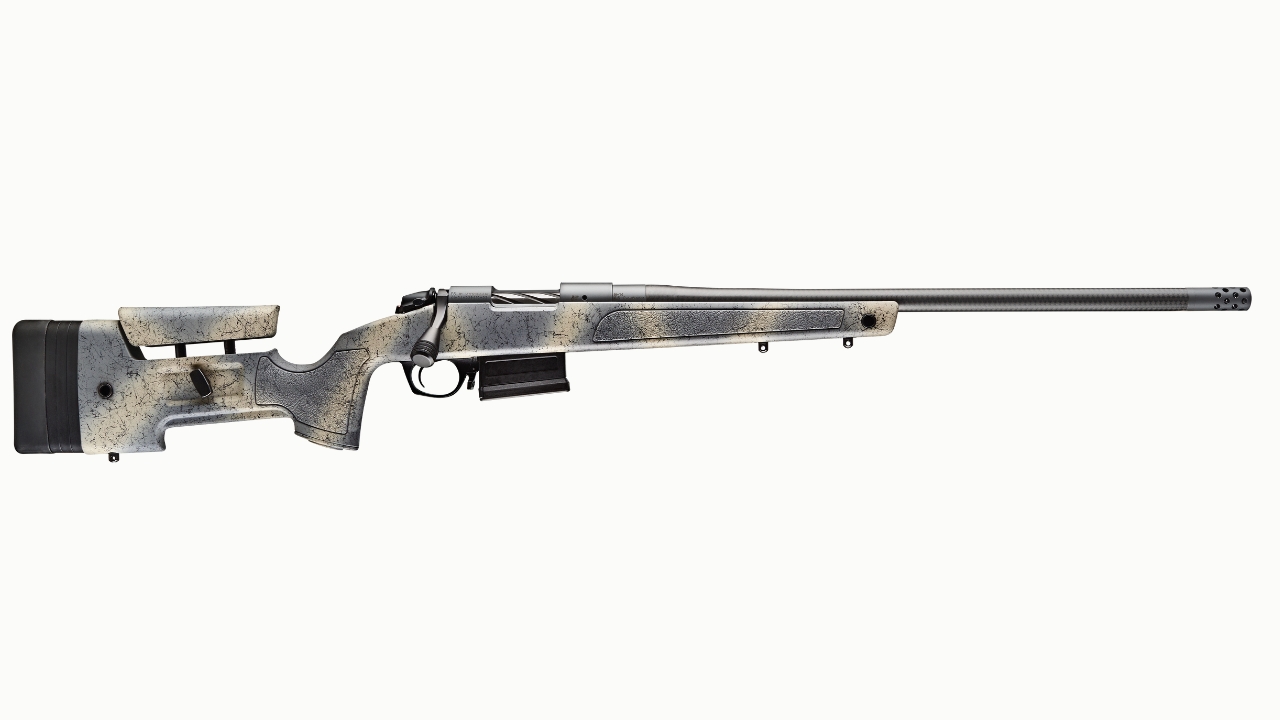
The B-14 HMR stays zeroed because it’s built around a stiff, consistent platform with a stock/chassis-style setup that resists shifting. When you’re running a rifle in bad weather or off rough rests, a stable interface between action and stock matters. The HMR’s design helps keep the system from flexing or settling into a new point of impact after bumps.
It’s also a rifle that tends to like being torqued correctly and left alone. Once you mount a good scope and lock everything down, it behaves. That weight you feel on the hike is part of why it stays steady—mass and stiffness help. If you want a rifle that can take a rough day, ride hard, and still print where it should, the B-14 HMR earns its place.
CZ 600 Alpha

The CZ 600 Alpha is built with the kind of practical stability that helps a rifle keep its zero. The action is solid, the stock is designed to handle weather, and the overall feel is more “field tool” than “range toy.” When a rifle isn’t flexing and shifting around the receiver, your point of impact stays more consistent after bumps and temperature swings.
It also helps that the platform is designed to be set up and left alone. Mount a quality optic, torque everything properly, and don’t let bargain hardware be the weak link. The 600 Alpha isn’t famous because of marketing noise. It’s getting attention because it tends to shoot well and behave when used like a hunting rifle. If you’re tough on gear, this one can keep up.
Weatherby Vanguard

The Vanguard has a reputation for staying zeroed because it’s a stable, consistent rifle once you get it mounted correctly. The action and barrel setup tends to be repeatable, and the rifle doesn’t feel like it changes behavior when the weather shifts. That stability is what hunters notice when they check zero after a rough trip and find nothing moved.
It’s also a rifle many people actually hunt hard. That means it has a track record beyond clean range benches. Keep your bases and rings solid, torque screws correctly, and the Vanguard usually holds its point of impact through normal field abuse. It’s not the lightest rifle out there, but that steady feel often helps. If you want a rifle that stays honest without being precious, the Vanguard fits.
Sako 85

The Sako 85 holds zero because it’s built with tight, consistent machining and a platform that doesn’t feel sloppy anywhere. When the action locks up the same way every time and the stock interface is stable, you get repeatable accuracy without chasing your point of impact. That’s what you’re paying for with a rifle like this—consistency under real use.
It also carries like a hunting rifle while still feeling precise. That combination is why people trust it after long days in nasty conditions. You still have to mount a good scope correctly, but the rifle itself isn’t the weak link. If you want something that can get banged around in the field and still shoot like it did on sight-in day, the Sako 85 is known for delivering that kind of confidence.
Howa 1500

The Howa 1500 is one of those rifles that quietly stays zeroed because the action is stout and the platform is steady. It’s not a fashion rifle, but the receiver and bolt feel solid, and that matters when you’re trying to keep point of impact consistent after a day of getting knocked around. A rifle that feels rigid tends to stay more predictable.
The other reason it earns trust is that it responds well to a correct setup. Use good rings, keep base screws torqued, and make sure the stock isn’t the weak link. Plenty of hunters run Howas hard and don’t deal with wandering zeros, which is the whole point. If you want a rifle that behaves like it was built to hunt, not pose, the 1500 is a strong pick.
Ruger American Ranch

The Ruger American Ranch stays zeroed better than people expect because it’s a simple, consistent little rifle when you set it up right. It’s not fancy, but it’s built to be used, and the platform tends to hold point of impact through normal abuse like truck rides, bumps in the brush, and quick handling in tight areas. That’s exactly what a “ranch” rifle should do.
The key is not cutting corners on the mounting hardware. A lot of zero problems blamed on rifles are really bargain rings or loose screws. When you use quality mounts and torque everything correctly, the Ranch usually stays honest. It’s the kind of rifle you don’t baby, and that’s why it earns a spot here. It’s practical, consistent, and tougher than it looks.
Kimber Hunter

The Kimber Hunter shows up in this conversation because it’s built around a light hunting rifle concept that still tries to stay consistent. A lot of lightweight rifles get whippy, and that can make them sensitive to stock pressure, rests, and handling. When a light rifle is put together right, though, it can hold zero through real field carry without shifting its point of impact.
The Hunter tends to reward correct mounting and correct handling. Use solid rings, torque everything properly, and don’t let your sling tension or rest technique change wildly shot to shot. In the field, it carries easily and stays practical, which is why people keep hunting it hard. When you want light weight without the constant worry that your rifle is wandering, this one can deliver.
Springfield Armory 2020 Waypoint

The 2020 Waypoint stays zeroed because it’s built with stability in mind—stiff stock, consistent action fit, and a platform that doesn’t feel like it’s shifting around when you actually use it. When you’re hunting hard, you don’t need a rifle that prints great once and then changes after it gets bumped. You need repeatable point of impact, and that’s where the Waypoint earns attention.
It’s also a rifle that usually gets paired with good optics and good mounts, because people buying them tend to take setup seriously. That matters. A stable rifle with quality hardware is how you keep zero through rough days. If you want a modern hunting rifle that can take field abuse and still shoot like it did at sight-in, the Waypoint fits the bill.
Seekins Precision Havak PH2

The Havak PH2 stays zeroed because it’s built like a precision rifle that’s been put on a hunting diet. You get a stiff, consistent action and a platform designed to keep everything aligned under recoil and rough handling. That kind of mechanical consistency is what keeps your point of impact from wandering after bumps, drops, and long rides.
It also helps that the PH2 is meant to be shot from field positions, not only from a bench. A rifle that behaves off packs, sticks, and awkward rests tends to be less sensitive to minor changes that throw shots. Pair it with quality mounts and keep your torque values correct, and it stays put. If you want a rifle that shrugs off rough use and still shoots where you aimed, this one earns its reputation.
Christensen Arms Ridgeline

The Ridgeline stays in the “holds zero” conversation because it’s a lightweight rifle built to handle real hunting while staying consistent. A lot of mountain rifles get treated like fragile gear, but a rifle that’s meant to be carried hard has to keep point of impact stable even when you’re exhausted and clumsy. When the platform is stiff and the setup is correct, it can do that.
The key is doing the basics right: quality scope, quality rings, correct torque, and not ignoring loose hardware. When those pieces are handled, many hunters find the Ridgeline stays honest through rough days. It’s built for guys who actually climb with a rifle, not just talk about it. If you want light weight without constant zero paranoia, it’s a rifle people keep coming back to.
Like The Avid Outdoorsman’s content? Subscribe to our newsletter so you never miss an article.
Here’s more from us: