Photo credit: Rakhmat Sobirin/istock.com
I’ve wasted money on a few things over the years, but cheaping out on rings and mounts stands out because it caused the kind of frustration that makes you question everything else before you finally land on the obvious answer. At the time, it felt like a smart place to save a little cash. The optic was the important part, I told myself. As long as the glass was decent, the stuff holding it in place didn’t need to be anything special. That logic sounds fine right up until the rifle starts giving you inconsistent results and you spend way too much time blaming ammo, your technique, the rifle, and maybe your own sanity before admitting the mount was the weak link all along. That’s exactly what I did. And once I realized it, I was annoyed less by the money than by how avoidable the whole mess had been from the start.
Bad mounts make good optics look worse than they are
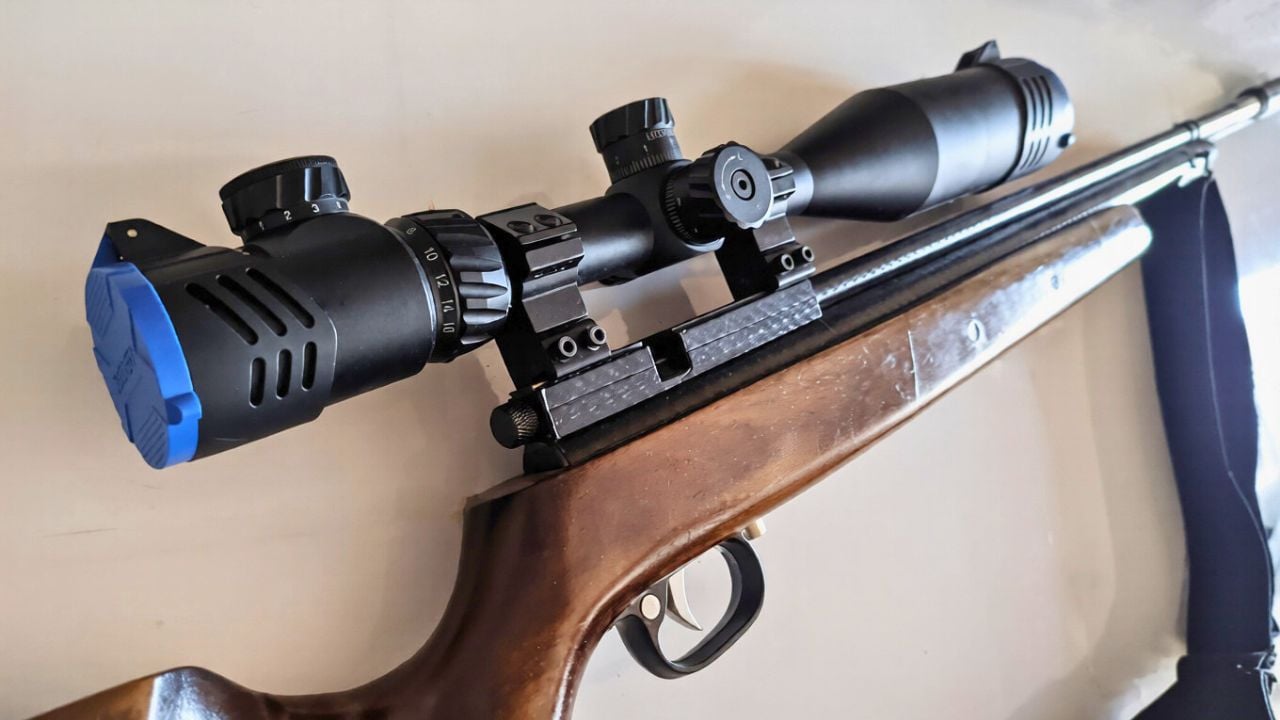
That was the most frustrating part. The optic itself was not the problem, but the cheap rings made it look like it was. Groups wandered. Zero seemed less stable than it should have been. Every time I thought I had things settled, something would open up or shift just enough to make me question what was happening. That kind of inconsistency is brutal because it attacks confidence from every angle. You don’t know whether to trust the rifle, the glass, or yourself. Good optics deserve a stable foundation, and I learned the hard way that without that, even a solid scope can start looking like money poorly spent. The rings and mount are not the glamorous part of the setup, but they are the part that decides whether the rest of the system gets a fair chance to perform.
“Good enough” hardware usually isn’t
I think a lot of people make the same mistake because rings and mounts feel like background parts. They don’t have the appeal of a new scope or the excitement of a new rifle. They’re easy to treat like generic hardware, something you grab quickly and forget about. That mindset got me in trouble. I went with something cheaper because it seemed “good enough,” and good enough turned into constant second-guessing. The tolerances weren’t as clean, the fit wasn’t as confidence-inspiring, and the whole setup felt more questionable the longer I used it. That’s one of those places where a small shortcut can affect every shot you take. When the job of a part is literally to keep the optic stable and aligned, “probably fine” is not the standard a man ought to be shopping by.
The symptoms are easy to misread at first
What makes this lesson so expensive is that mount problems don’t always scream their name right away. They show up like other issues. Maybe it looks like bad ammo. Maybe it feels like shooter inconsistency. Maybe it seems like the rifle just does not group as well as you hoped. I went through all those thoughts before I admitted the simpler answer. That’s because optic mounting problems often show up as weirdness more than disaster. The zero shifts a little. The groups open unpredictably. The confidence never fully settles. It is just enough to make you chase other explanations first. Once I finally replaced the cheap setup with something better, the difference was immediate enough to make me feel a little foolish. Same rifle, same optic, same shooter, a whole lot less nonsense.
Torque, fit, and quality all matter here
One thing this taught me is that mounting an optic is not just about getting screws tight and calling it done. Fit matters. Hardware quality matters. Proper torque matters. Alignment matters. A mount that is machined well and built to do its job gives you a whole different level of confidence because it removes one major variable from the equation. Cheap hardware tends to get vague right where you need certainty most. Threads don’t feel as solid, clamp surfaces don’t inspire much trust, and the whole thing carries just enough doubt to stay in the back of your mind. That mental drag matters too. If you are always wondering whether the mount is doing its job, you are already giving away confidence the rest of the setup should have earned.
This is not the part of the rifle to bargain-basement
I’m all for spending wisely, but I’ve come to believe rings and mounts are one of the worst places to try saving a few dollars. They are part of the support structure for the thing you’re aiming with. That is not minor. A dependable base and quality rings from reputable makers are worth it because they protect the rest of your investment. Bass Pro usually carries solid options from brands people actually trust, and that is one of those categories where reputation exists for a reason. You do not need the flashiest thing on the shelf, but you do need something built well enough that it disappears as a concern once it is installed correctly. That peace of mind is worth more than the small amount I thought I was saving by going cheap.
The real cost was time and confidence
Looking back, the most expensive part of the whole mistake was not buying the cheap mount. It was everything that came after. The wasted range time. The ammo spent chasing a problem that should have been solved earlier. The doubt it created around a rifle and optic combination that probably deserved better from the start. Confidence matters in shooting, and weak gear in a critical spot eats away at it fast. Once I fixed the issue, I was irritated at how long I had let a cheap piece of hardware sit at the center of so much frustration. That is the kind of lesson that sticks because it is so obvious in hindsight and so easy to dismiss in the moment.
Now I build from the bottom up
These days I think about optics setups a little differently. I still care about good glass, obviously, but I respect the supporting pieces more than I used to. A stable base, quality rings, correct installation, and proper torque are not afterthoughts anymore. They are part of the main decision. That shift has saved me a lot of frustration and made my setups feel more trustworthy from the start. I learned the lesson the hard way, but at least I learned it well: if the part holding your optic in place is weak, the whole system becomes harder to trust than it ought to be.
Like The Avid Outdoorsman’s content? Subscribe to our newsletter so you never miss an article.
Here’s more from us: