Photo credit: The Avid Outdoorsman
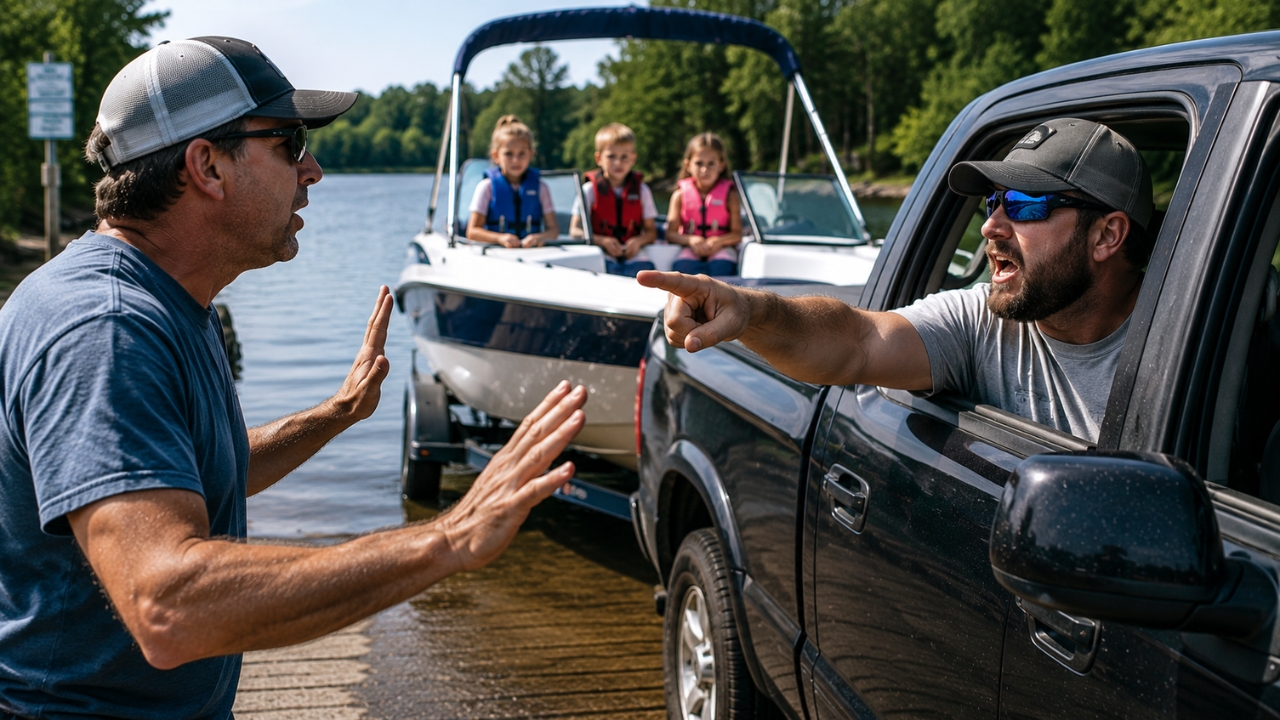
A brand-new boat owner said his first day on the water turned stressful before the family even had time to settle into the hobby, after an angry stranger rushed over at the boat ramp while his kids were still on board.
The boater shared the experience in a post on r/boating titled “Day 1 of Boating – Already 1 confrontation with an angry boater.” He explained that it was his first day boating, which already comes with enough nerves on its own. Launching, loading, tying off, backing a trailer, watching traffic, keeping kids safe, and learning how the boat handles can overwhelm someone fast when they are new.
Boat ramps are not exactly known for patience, either. Everyone there wants the same thing: get in, get out, and stop blocking the lane. Experienced boaters often expect people to be fully prepared before they back down the ramp, but a first-timer may still be figuring out the rhythm. That difference in experience can create tension quickly, especially when a ramp is busy.
According to the poster, the encounter happened during that first outing, and an angry boater came toward him while his kids were still on board. That detail changed the tone of the story. A ramp disagreement is one thing. A stranger rushing over while children are sitting in the boat makes the whole thing feel more intense.
The poster seemed shaken by how quickly a normal first-day mistake or misunderstanding turned into a confrontation. For a new boater trying to learn, it was a rough introduction to one of the least forgiving parts of boating culture.
First-Day Boating Is Already a Lot
Anyone who has ever launched a boat for the first time knows it can feel like being tested in public.
There is the trailer, the ramp angle, the dock, the wind, the current, the drain plug, the motor, the lines, the passengers, and the line of people waiting behind you. Even if you practiced backing up and watched every how-to video you could find, the first real launch still comes with pressure.
Add kids, and the stress doubles. A parent is not only thinking about the boat. He is watching where the kids are sitting, making sure nobody steps wrong, keeping life jackets in mind, and trying to keep everyone calm while strangers wait nearby.
That makes an angry confrontation hit harder. The poster was not a seasoned captain brushing off one more ramp argument. He was new, probably already self-conscious, and dealing with the exact kind of public pressure that makes people freeze or rush.
A little patience from other boaters can make a big difference in that situation. A sharp comment or aggressive approach can make a new person panic and move even slower.
That does not mean new boaters get a free pass to block the ramp forever. It means everyone at the ramp is better off when experienced people either offer help or wait their turn without turning frustration into a scene.
The Kids Being There Changed the Stakes
The phrase that makes the confrontation feel worse is simple: the kids were still on board.
When children are present, a ramp argument is no longer only about two adults getting irritated. The kids are watching. They may not understand what is happening, but they can feel the tension. A stranger rushing toward a parent at a boat ramp can turn a family day into something scary before the boat even clears the dock.
That is why the poster’s frustration made sense. He was trying to manage the boat and his family at the same time. If someone had a concern, there were calmer ways to handle it.
Boat ramps require awareness, but they also require basic restraint. People are moving trucks and trailers around water. Kids may be stepping on and off boats. People may be holding lines, climbing docks, or standing near slick surfaces. An angry rush-in does not improve any of that.
If anything, it can make the ramp more dangerous. A new boater who feels pressured may hurry, forget a step, or make a worse mistake. A parent distracted by a confrontation may take his attention off the children for a moment. None of that helps the line move.
The stranger may have been annoyed. He may even have had a point about ramp etiquette. But the way a complaint is delivered matters, especially when kids are sitting right there.
Commenters Know Boat Ramps Can Get Ugly Fast
The post drew the kind of responses boaters often give when ramp drama comes up: yes, ramps can bring out the worst in people.
A lot of experienced boaters have seen arguments at launches. Someone cuts the line. Someone blocks a lane while loading coolers. Someone takes forever to back down. Someone power-loads where they should not. Someone ties up the dock while they park. Someone loses patience and starts yelling.
It is one of the few places where boating feels less like relaxing and more like a public performance.
Commenters likely understood why the angry stranger was irritated if the ramp was being delayed, but many also recognized that new boaters have to learn somewhere. A first-day boater with kids on board is not the person you want to scare into making a worse mistake.
The better response is usually practical. Ask if they need help. Give them a quick pointer. Wait. Or if the situation is truly unsafe, get a ramp attendant, marina staff member, or officer involved.
What does not help is charging over hot and turning a learning moment into a public confrontation.
Ramp Etiquette Still Matters
Even though the stranger’s approach may have been wrong, the thread also points back to the basics every new boater needs to learn.
Prep before the ramp. Put gear in the boat before backing down. Make sure the plug is in. Remove the transom straps. Have lines ready. Know who is backing the trailer and who is handling the boat. Get kids settled and wearing life jackets before things get busy. Once the boat is launched, move away from the ramp so the next person can go.
Those steps are not about pleasing impatient people. They are about safety and efficiency. A ramp is shared space, and every minute spent sorting things out on the incline affects everyone behind you.
But experienced boaters also need to remember they were new once. Nobody was born knowing how to back a trailer down a wet ramp with a line of strangers watching. The culture gets better when people teach instead of explode.
The poster’s first-day confrontation may have been avoidable on both sides. Maybe he could have moved faster or prepared better. Maybe the stranger could have handled his frustration like an adult. Both things can be true.
The Best Help Is Calm Help
Some of the best boaters at a ramp are the ones who can quietly make a bad situation better.
They do not yell from the truck. They do not mock someone who is struggling. They walk over and ask, “Need a hand?” They hold a line, give a quick backing tip, or help someone clear the lane. That kind of help can save more time than anger ever does.
New boaters remember those people. They also remember the ones who humiliated them in front of their family.
The poster’s story stands out because it happened on day one. A bad first ramp experience can make someone dread launching again, especially if they are trying to bring kids along and make boating a family thing.
A little patience does not mean ignoring bad etiquette. It means correcting it in a way that does not make the ramp less safe.
That is the part too many people forget once the trailer line gets long.
Commenters generally understood that boat ramps are stressful and that new boaters can accidentally slow things down, but many also seemed to recognize that rushing an angry confrontation while kids are on board is not the answer.
Some likely pointed out that ramp etiquette matters. New boaters need to prep away from the launch lane, move efficiently, and learn the basic flow so they are not holding everyone up. A busy ramp is not the place to load gear, organize the boat, or figure out every step for the first time.
Others focused on the angry stranger’s behavior. They argued that if someone is struggling, offering help is better than charging over mad. A person who is already nervous will not perform better because another boater is yelling or acting aggressive.
Several commenters probably shared their own ramp horror stories, because almost every boater has one. Ramps are where patience, pride, inexperience, and tight spaces all collide.
For the new boater, the day started as a family milestone and turned into a lesson about the rough side of boating culture. He still needed to learn the ramp routine, but the stranger’s reaction showed why ramps have such a reputation. The best boaters know how to launch cleanly, but they also know when to help a beginner without making the whole ramp feel like a fight.