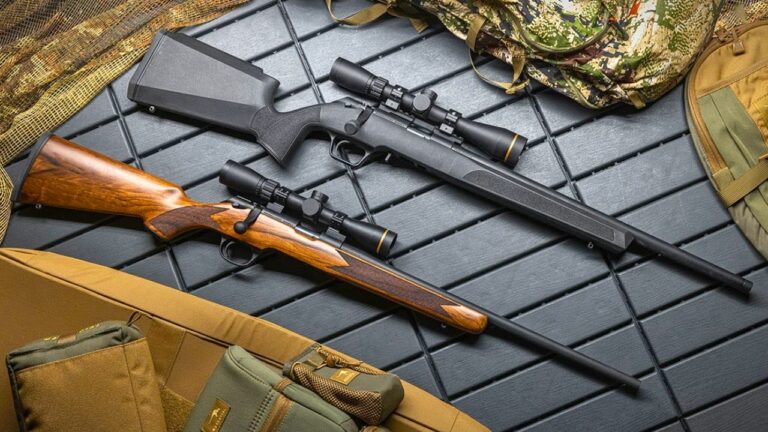
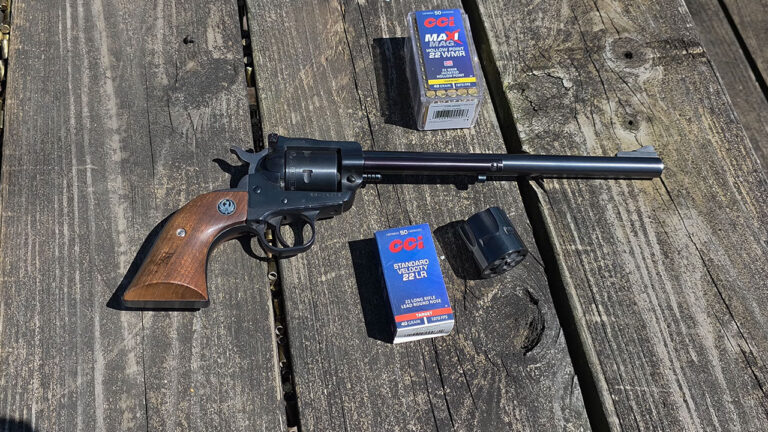
Photo credit: New & Used Product Reviews/YouTube
Most used guns are judged in a glance, then bought or passed over in less time than it takes to read a price tag. That speed is exactly how people miss the subtle warning signs that separate a safe bargain from a dangerous money pit. If I only had ten seconds with a firearm on a rack or table, there are specific red flags I would look for every single time.
Those clues live in the metal, the screws, the way the slide moves, and even in how the seller reacts when you ask to look closer. With a little structure and a few habits, you can read a used gun almost as quickly as you read its tag, and avoid the problems that only show up at the range or, worse, in an emergency.
1. The “barely shot” myth and what fast wear really looks like
One of the biggest traps in a used case is the assumption that a clean finish means a gentle life. A surprising number of owners barely shoot their guns at all, so a pistol or rifle can look almost new even after years in a safe, while another can be mechanically sound but show heavy holster wear from daily carry. In the first ten seconds, I focus less on overall shine and more on specific wear patterns that only come from firing, like peening on locking lugs or burnishing on slide rails, because those marks tell me how hard the gun has actually worked.
Experienced shop workers on Dec gun counter threads point out that a good portion of gun owners barely shoot their guns, especially the ones they bought on impulse, which is why I treat “only 50 rounds through it” as sales talk, not data. I look for consistency: if the barrel hood is polished bright but the frame rails are untouched, or the feed ramp is mirror smooth while the crown is still sharp, something does not add up. That mismatch can signal parts swapping, amateur polishing, or simply a story that does not match the metal, and it is a red flag worth slowing down for.
2. Safety first: the 10‑second unload and handling check
Before I let my eyes drift to finish or features, I confirm the gun is safe to handle. In a store or at a show, that means I personally verify the chamber and magazine are empty, even if the seller insists it is clear. I open the action, lock it back if possible, and physically and visually check the chamber, magazine well, and any cylinder or tube. That habit is not just etiquette, it is the foundation for every other inspection you will do in those first seconds.
Show organizers such as Make Sure The Gun Is Unloaded at Eagle Shows emphasize that no loaded weapons are allowed and that every gun should be tied or checked so the chamber is visibly clear, and I treat private sales with the same discipline. Once I know the firearm is unloaded, I watch how the action cycles: does the slide or bolt move smoothly, does the cylinder lock up positively, does the safety click on and off with a clear detent. Any gritty movement, mushy safety, or failure to lock open is a fast indicator that I need a much deeper look before trusting the gun.
3. Barrel, crown, and muzzle devices that hide trouble
If I only have a few seconds, the barrel is where I spend them. I glance at the muzzle crown for nicks, dents, or uneven wear, because damage there can wreck accuracy even if the rest of the gun looks pristine. Then I look through the bore with available light, checking for sharp rifling, pitting, or heavy fouling that suggests neglect. A dark, rough bore or a crown chewed up by careless cleaning rods is a quiet but serious warning sign.
Detailed buying guides stress that you should visually inspect the barrel and, if possible, remove it to clean and examine it, advice that aligns with the recommendation to Examine the bore and crown closely. Online marketplace veterans also warn buyers to beware of what may be lurking underneath muzzle devices, since a flash hider or brake can conceal a battered crown or bulged barrel, and they suggest using a small flashlight to inspect these areas when possible, a point reinforced in Beware of their tips for used firearms. If a seller resists removing a screwed‑on device or seems nervous when you ask to see the muzzle, I treat that as a major red flag, not a minor inconvenience.
4. Pins, screws, and “Bubba” gunsmithing
In the time it takes to flip a gun from side to side, I scan every visible pin, screw, and bushing. Mangled screw heads, drifted pins that sit off center, or mismatched hardware suggest someone has been inside the gun with the wrong tools. That does not automatically make the firearm unsafe, but it tells me that an unknown hand has already been at work, and I have to assume they did not have a factory armorer’s manual in front of them.
Technical checklists advise buyers to examine the pins, screws, bushings, and other small parts and ensure none are loose or missing, warning that Some used firearms may hide problems in these tiny details. Video series like Now, you DO have to be wary of Bubba remind buyers to be cautious of guns that have been “Bubba’d,” worked on by an amateur gunsmith whose limited skills can turn a reliable design into a liability. In ten seconds, I look for telltale signs of that kind of work: over‑polished feed ramps, home stippling that cuts into structural areas, or refinishing that covers serial numbers or proof marks. Any of those is enough for me to slow down or walk away.
5. Aftermarket mods, stippling, and refinishing that hide history
Customization is part of gun culture, but on the used market it can also be camouflage. I treat aggressive stippling, frame cuts, or home‑done trigger jobs as yellow lights that can quickly turn red. In a quick scan, I ask whether the modifications are reversible, whether they affect structural parts of the frame or slide, and whether they suggest hard use, like competition shooting, that might not be obvious from the outside.
Community discussions on Nov opinions about used guns flag aftermarket modifications like stippling on the frame, refinishing, or non‑factory parts as things to look out for, precisely because they can mask wear or create new failure points. When I see a slide that has been refinished but a barrel that still shows heavy wear, or a frame that has been ground for a different grip profile, I assume the gun has a longer and harder story than the seller is telling. That does not mean I never buy modified guns, but it does mean I mentally budget for a full inspection by a qualified armorer before I trust them for anything serious.
6. Slide, cylinder, and lockup: the mechanical handshake
How a gun locks up tells me more in ten seconds than any sales pitch. On a semi‑automatic pistol, I ease the slide forward and feel for smooth travel, then press the muzzle gently into a padded surface while watching for excessive movement between barrel and slide. On a revolver, I check cylinder lockup by gently rocking the cylinder when the trigger is held to the rear (on an unloaded gun) and by checking end‑shake and timing as I slowly cycle through each chamber. Slop, grinding, or inconsistent lockup are all fast indicators that the gun has mechanical issues that will not fix themselves.
Instructional videos from the Sonoran Desert Institute, where Rick Castner walks through inspecting used firearms, highlight the importance of checking how the major parts interact, not just how they look. Written guides on what to look for in a used gun also stress examining major parts like the slide, frame, and barrel interface to ensure they are not excessively worn or out of spec, since those issues can affect the gun during future use, a point echoed in advice on Major Parts. If the basic mechanical handshake between components feels off, I treat that as a structural red flag, not a cosmetic quirk.
7. Field strip resistance and sellers who will not let you look inside
Once the quick external scan is done, the next red flag is not on the gun at all, it is in the seller’s reaction when you ask to field strip. A straightforward, confident owner will usually have no problem letting you break the firearm down to its basic components, as long as you handle it safely and know what you are doing. Hesitation, excuses, or outright refusal to let you see inside are often more revealing than any scratch on the slide.
Practical buying advice notes that you eventually want to do a field strip and that if the owner is wary of letting you tear apart their firearm, or you are uncertain how to reassemble it, you should proceed carefully and understand the seller’s return policy, guidance laid out in Finally, you want to do a careful inspection. In my experience, a seller who refuses a basic field strip while asking full market price is waving a bright red flag. Either they are hiding something, or they do not know the gun well enough to sell it responsibly, and both are reasons to walk away.
8. Wear that matches the story, and wear that does not
Every used gun comes with a story, and in the first ten seconds I am already checking whether the metal agrees with the tale. If someone says the firearm lived in a nightstand, I expect minimal holster wear and maybe some dust in hard‑to‑reach corners. If they claim it was a competition piece, I expect honest finish wear on high‑contact areas but a meticulously clean bore and internals. When the narrative and the physical evidence diverge, that mismatch is a subtle but important warning sign.
Seasoned gun store workers on Edit: me no spell good threads point out that there are certain types of wear that only come from shooting, not from handling, and that recognizing those patterns helps separate safe, well‑used guns from abused ones. Broader buying guides note that people sell their guns for a slew of reasons, perhaps they need the money, maybe their wife wants them gone, or sometimes they simply lost interest, as one overview of why People sell firearms explains. I listen to those reasons, but I trust the metal more than the story, and if the two do not line up, I treat that as a red flag that deserves more time than a quick glance.
9. When to walk away: price, return policies, and your own limits
Even when a used gun passes the ten‑second test, the final red flag is whether the deal itself makes sense. An asking price that matches or exceeds new retail, especially on a gun with visible wear or questionable modifications, is a sign that the seller is pricing nostalgia, not value. I also pay close attention to any return policy or lack of one, because that determines how much risk I am really taking if a hidden problem shows up later.
Buyer checklists advise that once the inspection is complete, you should be more diligent during the inspection if there is no clear path to return or repair, and they stress that unless you are absolutely confident in your ability to evaluate a firearm, you should understand the seller’s return policy before handing over cash, a point underscored in If the seller cannot or will not disclose it up front. Online marketplace advice also suggests using a trusted local shop to inspect the firearm for you if you are unsure, as noted in Welcome style guides to used gun purchases. In the end, the most important red flag is your own discomfort: if something about the gun, the seller, or the story feels off, I would rather walk away and wait for the next listing than talk myself into a problem I could have avoided.