Photo credit: TheGearTester/YouTube
A good rifle should make the most of a quality optic—but some rifles don’t deserve the glass folks bolt on top of them. You might zero it off bags and shoot tight at 100 yards, but once you’re off the bench or push past paper, these rifles remind you that the optic isn’t the weak link. Whether it’s poor barrel fit, gritty triggers, wandering zero, or maddening inconsistency shot to shot, these guns waste whatever clarity or precision your scope offers. You don’t need a $1,000 scope on a rifle that can’t group worth a darn or hold POI through a season. Here’s a hard look at the rifles that make you regret upgrading the glass.
Remington 770
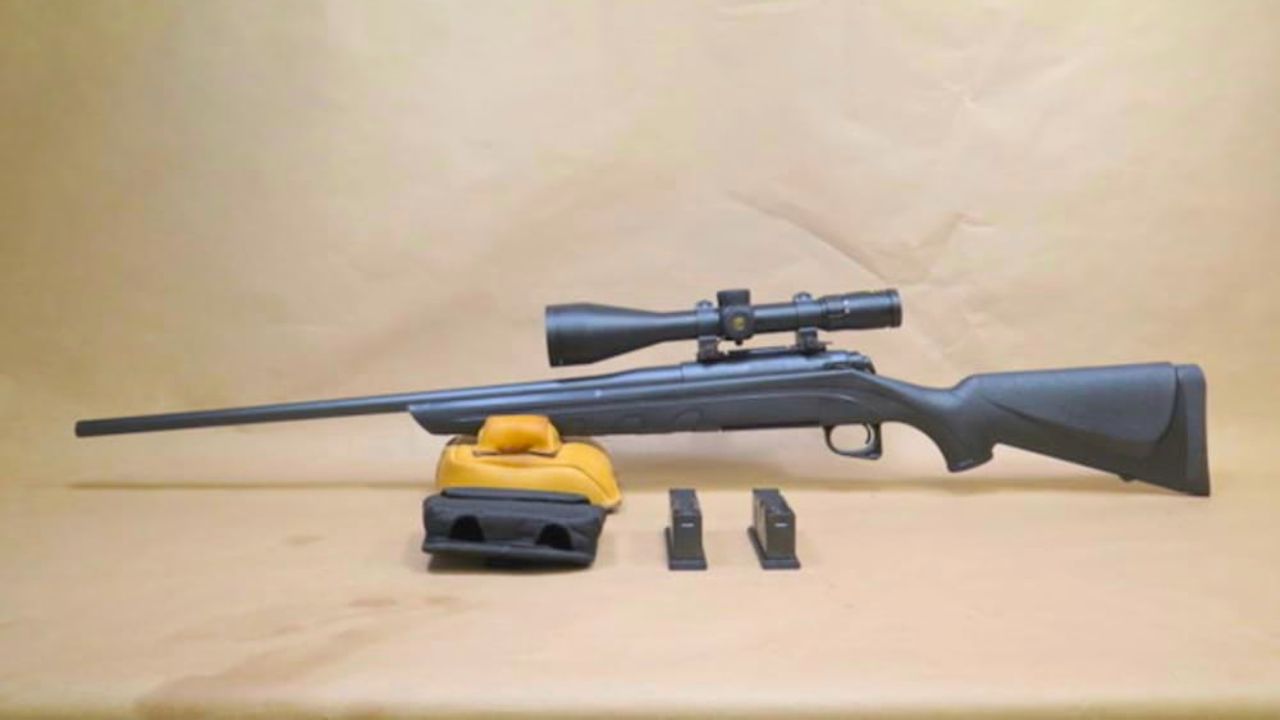
You could throw a $2,000 scope on a Remington 770 and still be disappointed. The core issue is the action and barrel quality, not what you mount up top. These rifles can’t hold zero consistently, and the plastic stock flexes enough to shift point of impact depending on how you shoot.
The bolt is rough, the trigger is spongy, and the barrel heats fast. It might shoot a decent group on a good day from sandbags, but it falls apart in the field. No scope—regardless of clarity or price—can make up for poor mechanics and wandering accuracy under pressure.
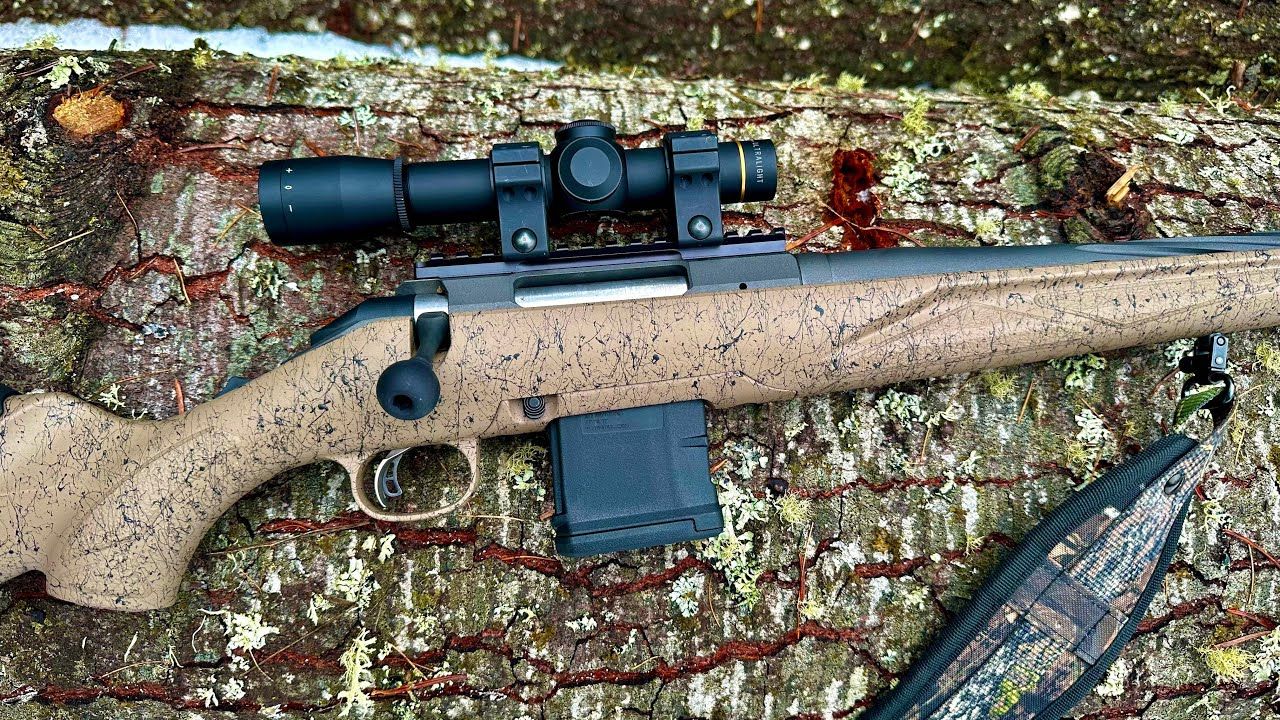
Ruger American Ranch in .450 Bushmaster

The Ruger American Ranch is a handy rifle, but if you’re running it in .450 Bushmaster, don’t blow your optics budget. That cartridge drops like a rock after 100 yards and delivers brutal recoil through a lightweight setup, which rattles both the rifle and the scope.
You’ll find yourself adjusting zero too often, especially if you’re not using the best ammo. The inherent accuracy isn’t terrible, but you’re not gaining much with premium glass on a rifle that’s built for close-quarters hogs and brush deer. A good red dot or budget LPVO is more realistic than a high-end scope here.
Mossberg Patriot in 7mm Rem Mag
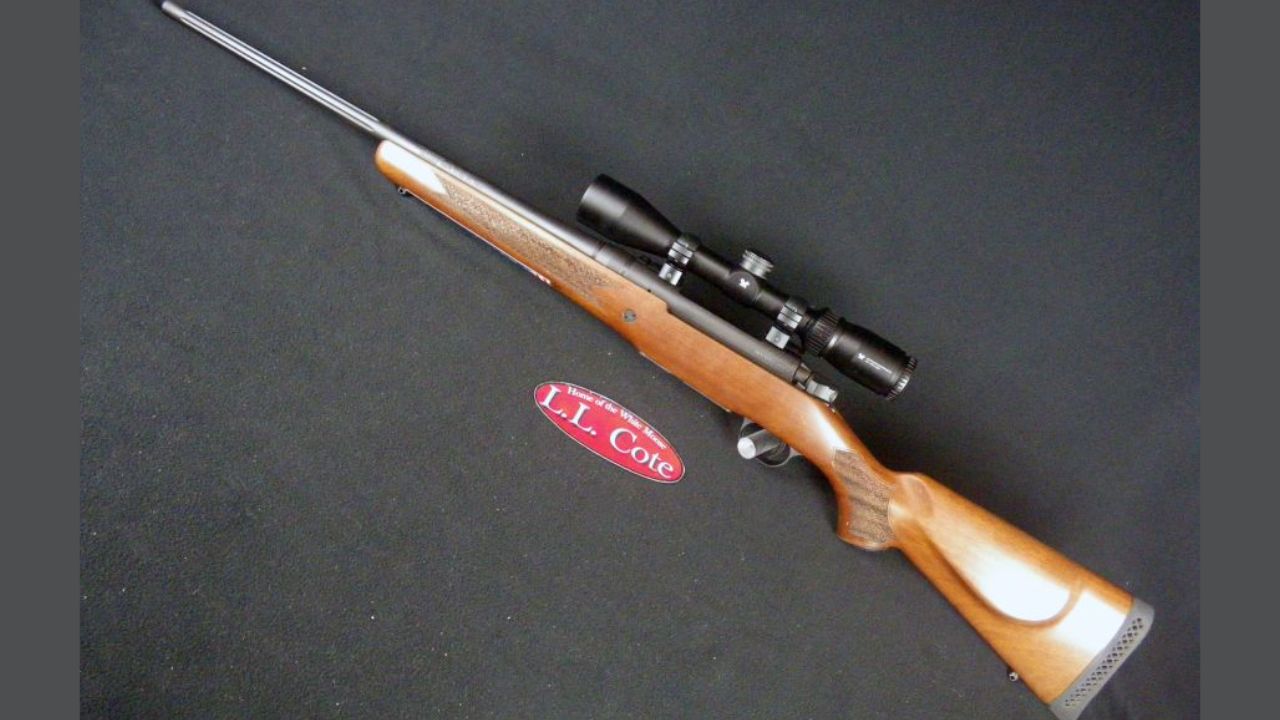
The Mossberg Patriot is affordable and looks the part, but in magnum calibers like 7mm Rem Mag, it’s asking too much of the build. The stock doesn’t manage recoil well, and the action gets sticky fast. Put expensive glass on top and you’ll still struggle to keep groups consistent.
It’s not uncommon to see POI shifts between shots, especially as the barrel heats. Most shooters expect to push this caliber beyond 300 yards, but the rifle just isn’t stable enough for that kind of consistency. Save your money on glass until you upgrade the rifle itself.
Remington 783 in .30-06

The Remington 783 is one of those rifles that looks like a deal until you try to stretch it. In .30-06, it promises classic range and power, but the rifle doesn’t track like it should. Add a pricey optic and you’ll find yourself chasing groups that drift with barrel heat or stock pressure.
The trigger isn’t the worst, but the rifle struggles to stay consistent outside of controlled conditions. You might nail your first three shots, then wonder what happened when your next two fly. The scope isn’t the issue—the rifle is holding you back no matter what glass you run.
CVA Cascade
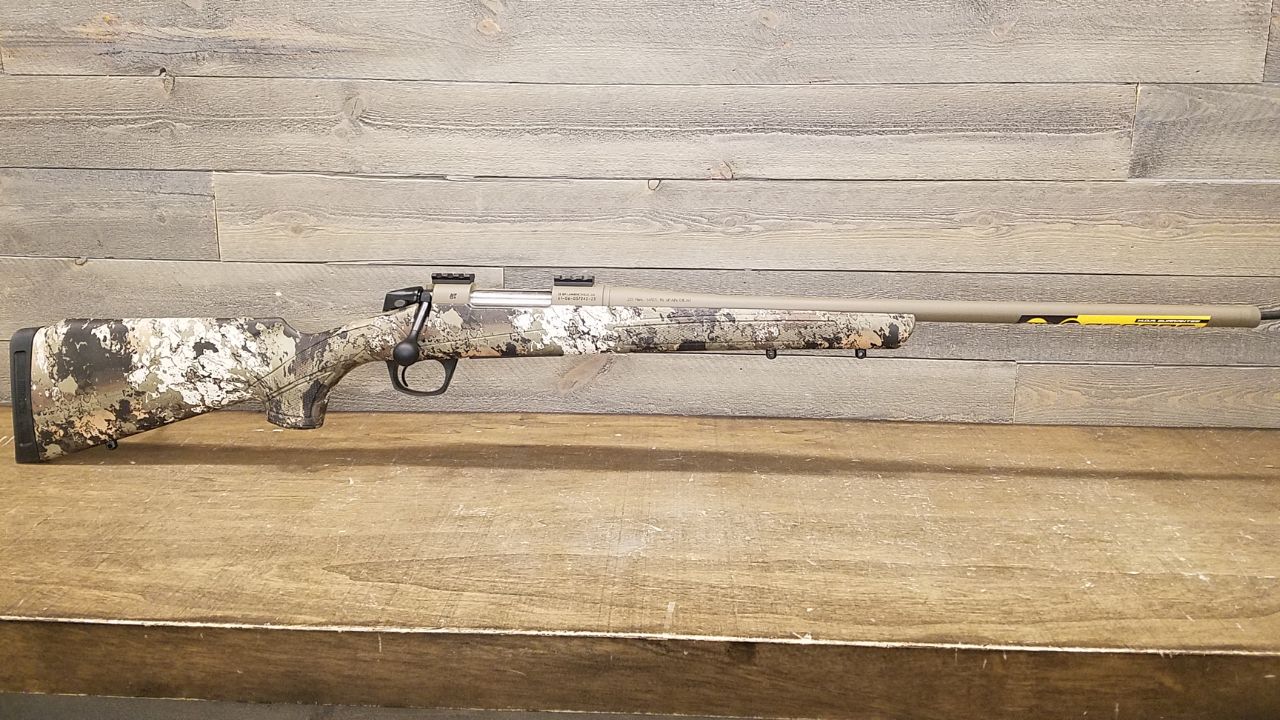
The CVA Cascade gets talked up a lot, especially for being threaded, optic-ready, and feature-rich for the price. But once you’re past the honeymoon phase, you’ll notice the accuracy is pretty average and heat can be a real issue. Throwing a high-end scope on it won’t solve the consistency problems.
For a mid-range hunting rig, it works. But don’t expect it to capitalize on the clarity or precision of premium optics. You’ll dial turrets, check zero, and still be frustrated by fliers. It’s not a bench gun, and glass can’t fix factory-level accuracy limits or loose tolerances.
Savage Axis II in .308

The Savage Axis II has the AccuTrigger, which is nice, but that’s about where the upgrades stop. You can glass it up, but that won’t fix the thin barrel that walks shots once it warms. Off the bench with factory ammo, you’ll get serviceable groups—nothing more.
Once you leave the bench, performance dips fast. The ergonomics don’t help you get steady in awkward positions, and the action can hang up. You might have a crystal-clear view through a $1,500 scope, but that won’t change the fact the rifle itself can’t keep up in the field.
Henry Long Ranger in 6.5 Creedmoor
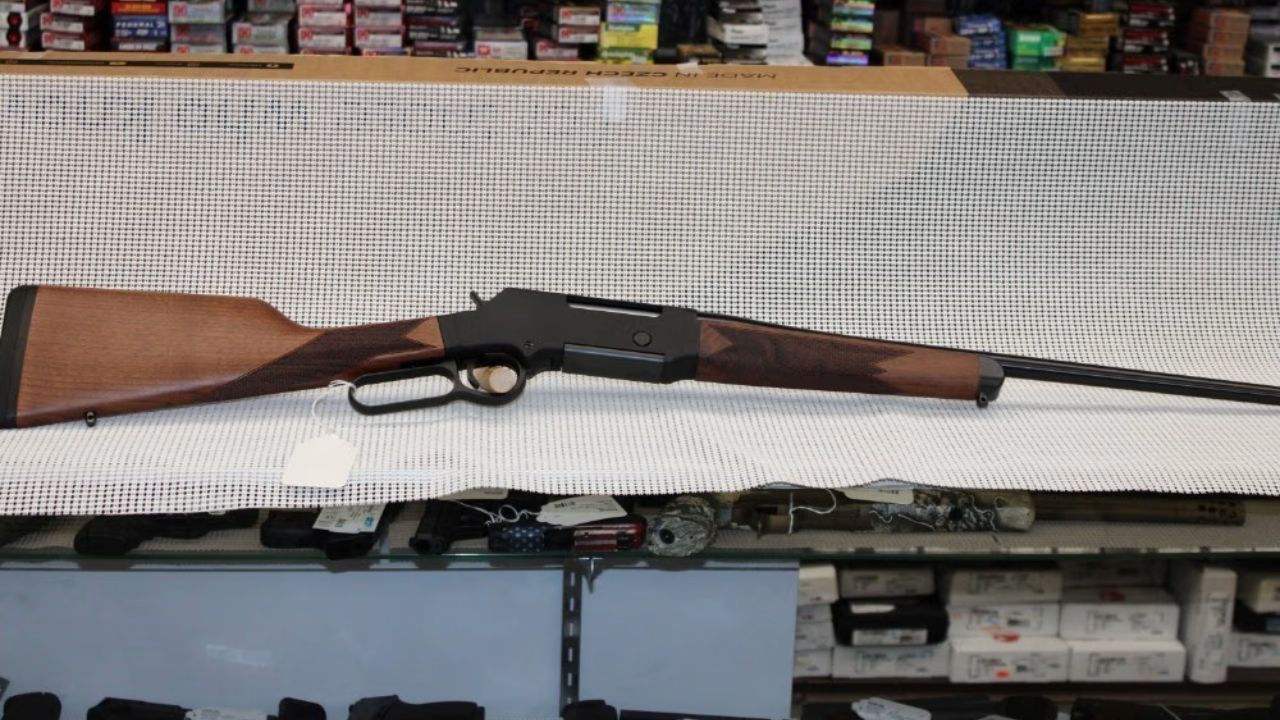
The Henry Long Ranger in 6.5 Creedmoor sounds like a great idea until you actually run it hard. It’s accurate enough out of the gate, but barrel heat and action slop show up fast. You’ll put good glass on it expecting bolt-gun performance, but the groups won’t back that up past 200.
The magazine fit can be finicky, and the trigger isn’t doing you any favors. It looks great on paper and shoulders well, but once you try to stretch your shots, the rifle stops cooperating. That nice optic starts to feel wasted when your accuracy can’t match the glass.
Winchester XPR in .300 Win Mag

Winchester’s XPR is often seen as a value magnum, but the .300 Win Mag version is tough to handle in a lightweight platform. Barrel whip and stock flex combine to ruin what might otherwise be a solid long-range setup. Good glass can’t rescue poor harmonics and shot-to-shot inconsistency.
At the bench, it might print a group you’re happy with. But in field conditions—off sticks or prone on uneven ground—you’ll see flyers and odd impacts. The scope holds zero fine, but the rifle doesn’t deliver consistent results. Your optic’s potential ends where the rifle’s limitations begin.
Howa 1500 in .223

The Howa 1500 is usually a solid rifle, but when chambered in .223, it doesn’t always make the most of the cartridge’s accuracy potential. The twist rate and barrel length choices can leave you struggling with bullet stability, especially beyond 150 yards. No high-end scope can fix that mismatch.
It’s not that the rifle’s junk—it’s more that .223 needs a very specific setup to shoot tight, and this isn’t always it. The trigger can be stiff, and groups tend to drift shot to shot with cheap ammo. A nice optic might show you every miss in sharp detail, but that’s it.
Thompson Center Compass in 6.5 Creedmoor
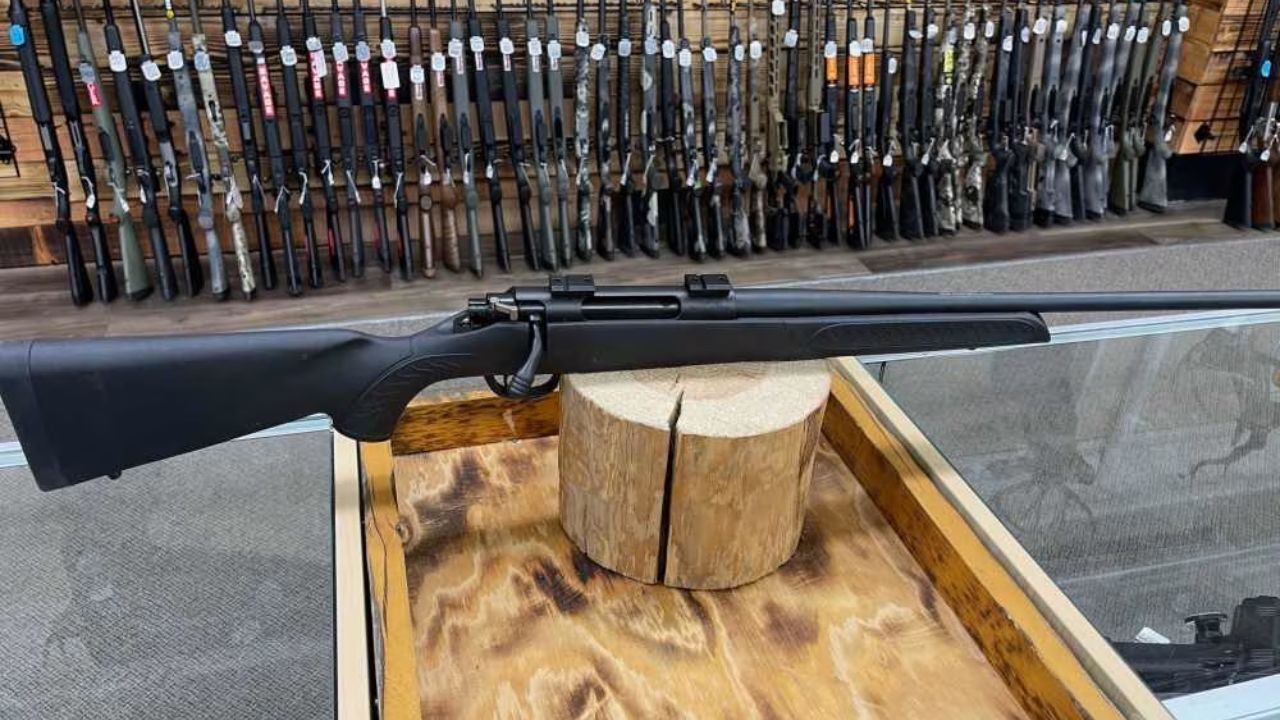
The Compass rifles promised a lot at a budget price, but even with decent barrels, the rifles are plagued with inconsistent accuracy and weak stock design. In 6.5 Creedmoor, you’d expect long-range performance—but it never really delivers. Even premium optics can’t make this rifle a tack driver.
You’ll get random flyers, unexplained shifts, and frustrating cold-bore inconsistencies. A good scope will help you see every hit, sure—but it can’t help you call your shots if the rifle won’t repeat. Most folks end up ditching the Compass for something more reliable after chasing groups that never tighten up.
Browning AB3
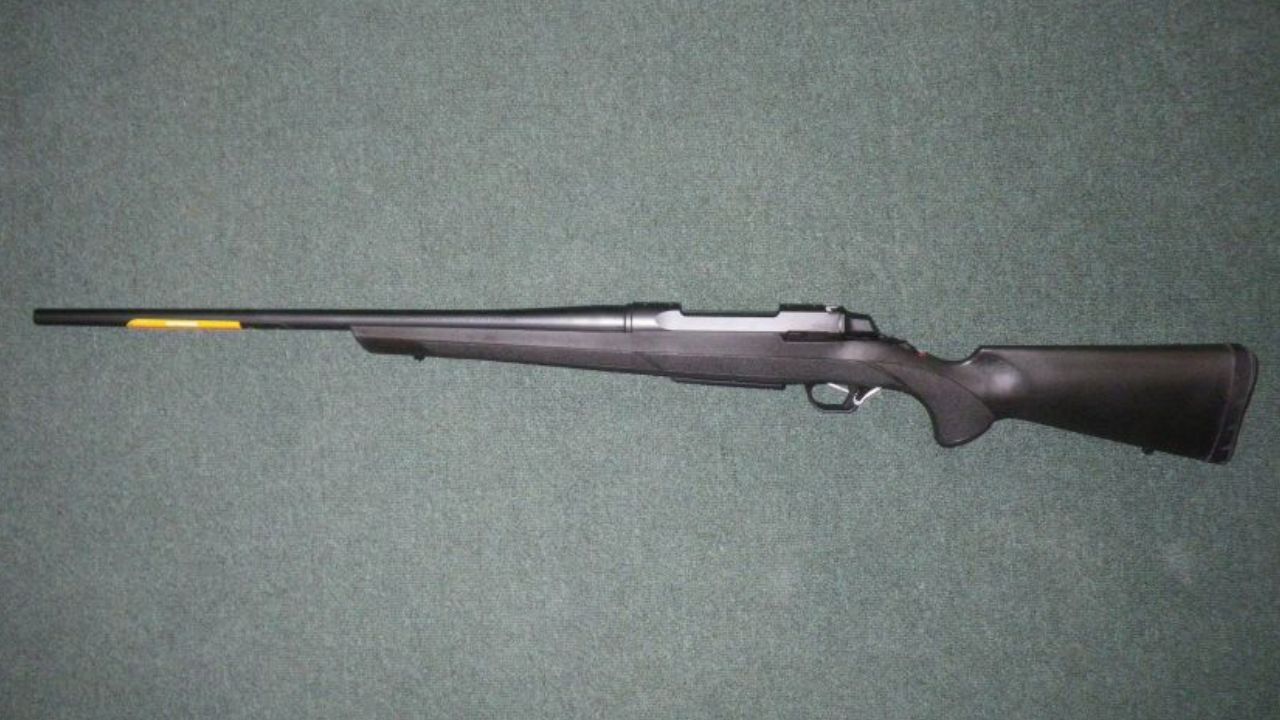
The Browning AB3 feels good in the hands and shoulders quick, but it doesn’t shoot like its more expensive brother, the X-Bolt. You might think you’re getting Browning performance on a budget, but once you stretch the range, you’ll see the rifle’s limits. Barrel harmonics and stock pressure play too big a role.
You can put a great scope on it, dial things in, and still fight for consistency. The trigger feels a bit gritty, and the barrel warms quick. It’ll shoot fine under perfect conditions, but hunting and field work rarely give you that. Your scope ends up doing more watching than helping.
Like The Avid Outdoorsman’s content? Be sure to follow us.
Here’s more from us:
The worst deer rifles money can buy
Sidearms That Belong in the Safe — Not Your Belt
*This article was developed with AI-powered tools and has been carefully reviewed by our editors.