Photo credit: Peter von Panda/YouTube
Some handguns make you question yourself pretty quickly. They look good in the case, sound good in reviews, or seem like they solve a problem you definitely had. Then you get them home, shoot them beside something cheaper or simpler, and start wondering why you talked yourself into it.
That does not always mean the gun is useless. Sometimes it just means the buyer expected too much, paid too much, or bought into a feature that did not matter once the shooting started. A pistol can be interesting and still leave you feeling like the smarter move was sitting right next to it on the shelf.
Remington R51
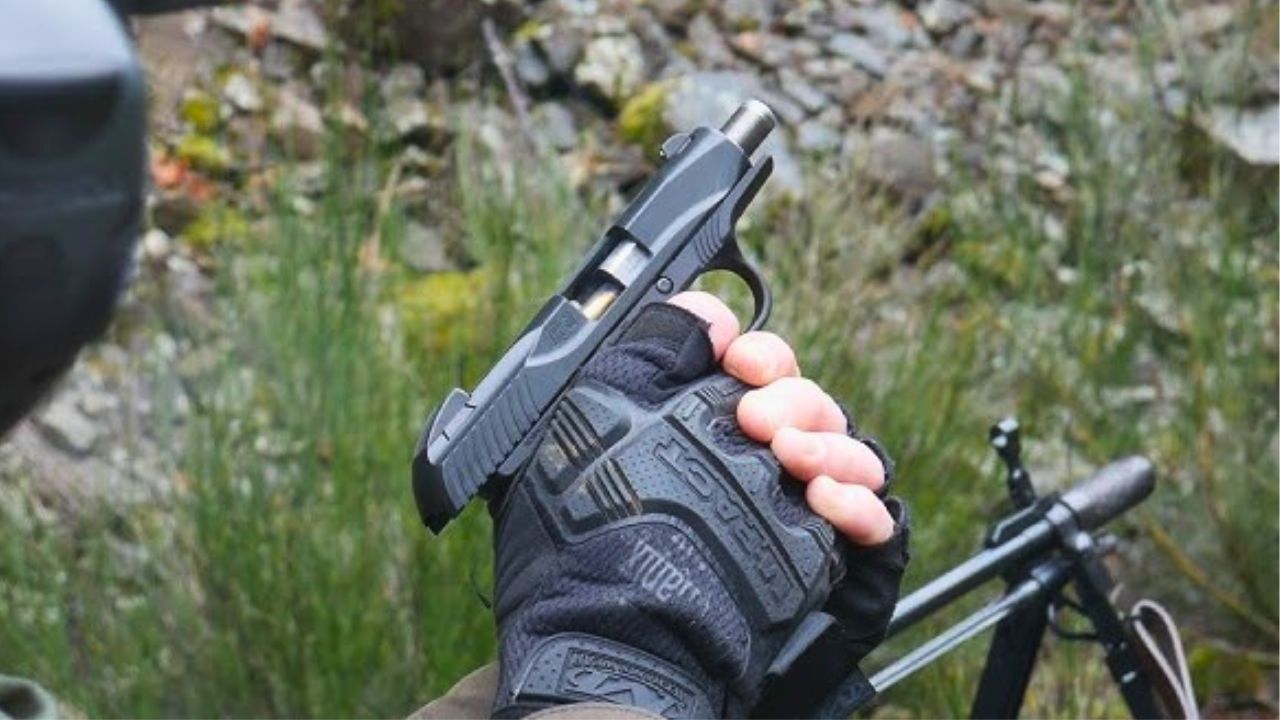
The Remington R51 made buyers feel dumb because the idea sounded better than the reality. A slim 9mm carry pistol with a different operating system and Remington’s name behind it should have been a serious comeback story.
Instead, early guns were plagued by rough function, strange ergonomics, and enough complaints that the pistol became a warning sign. Even after updates, many shooters never fully trusted it. A carry gun has to earn confidence fast, and the R51 did the opposite for a lot of owners. Plenty of buyers walked away wishing they had chosen a boring, proven pistol instead.
SIG Sauer Mosquito
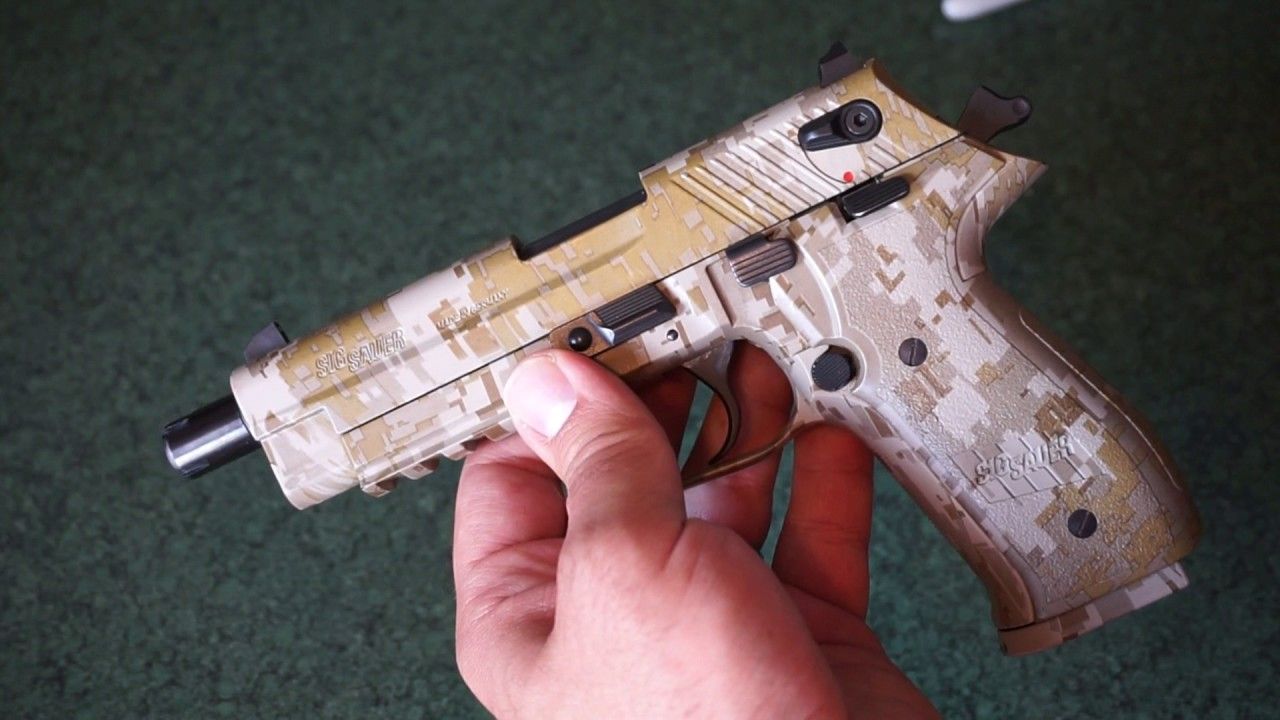
The SIG Sauer Mosquito looked like an easy win for buyers who wanted a rimfire trainer with SIG styling. It had the right brand name and the right general idea.
Then a lot of owners discovered it could be picky, frustrating, and less enjoyable than expected. Some ran fine with the right ammo and maintenance, but many shooters spent too much time chasing reliability in a pistol that was supposed to make practice cheaper and easier. A .22 should be fun. When it turns into a troubleshooting project, the buyer starts feeling foolish fast.
Colt All American 2000
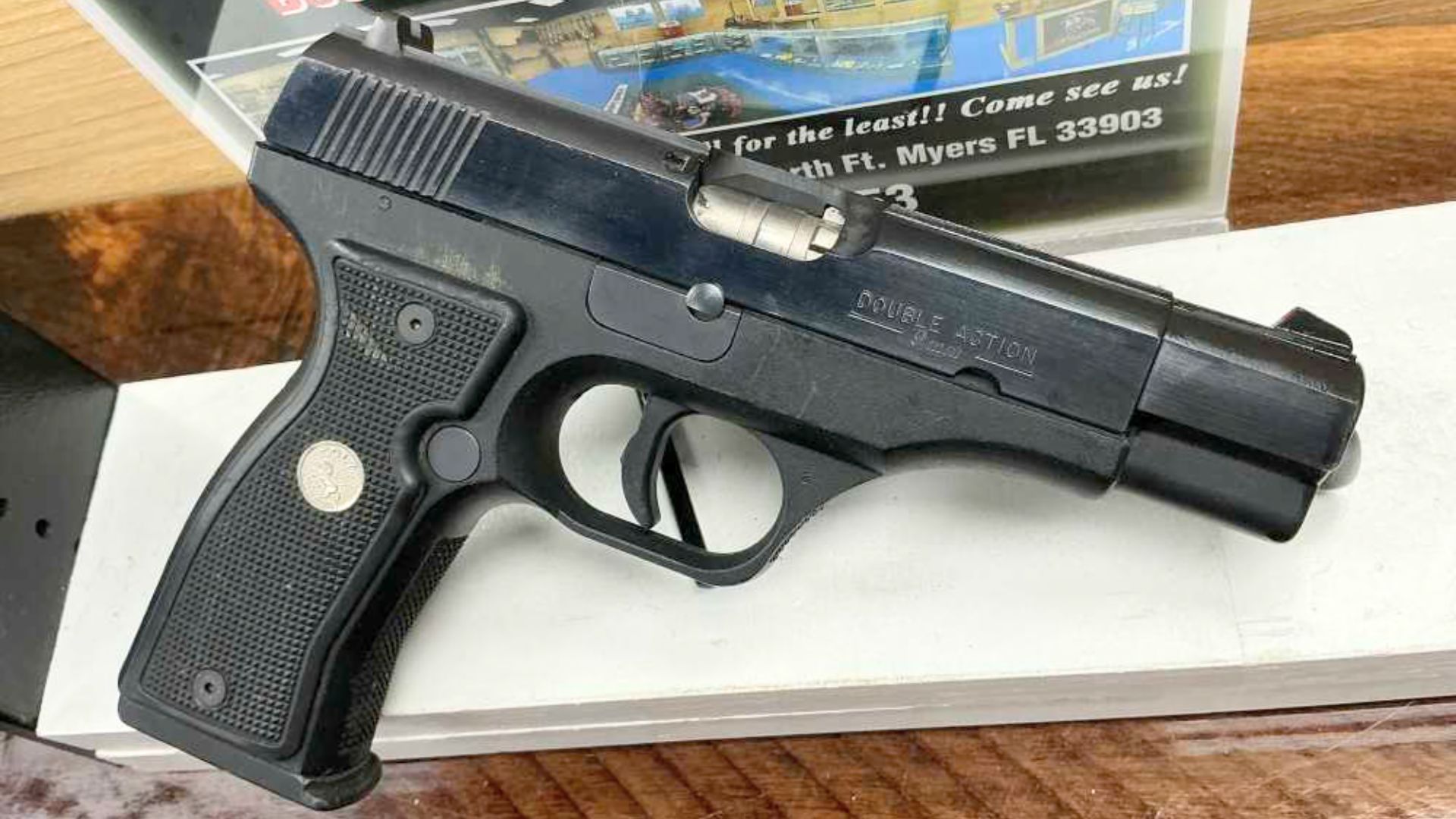
The Colt All American 2000 had everything a major brand needed to succeed on paper. Colt was trying to enter the modern high-capacity 9mm market, and buyers wanted to believe the company could build the next great American service pistol.
That did not happen. The trigger feel, accuracy complaints, bulky design, and short production life turned it into one of Colt’s more uncomfortable modern chapters. Owners who bought one expecting the future of Colt handguns instead got a pistol most people remember as a miss. It became collectible later for the wrong reason.
Boberg XR9-S
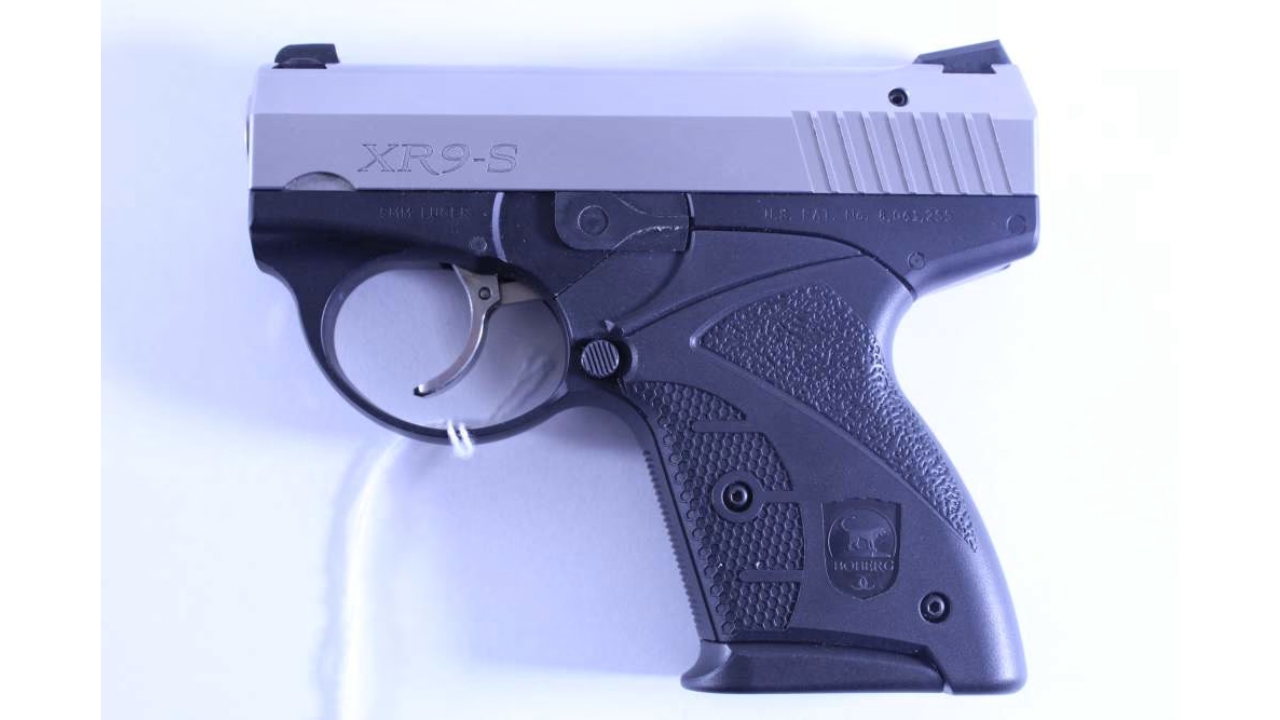
The Boberg XR9-S was clever, compact, and genuinely different. Its reverse-feed system allowed a longer barrel in a small pistol, which sounded like smart engineering to buyers who liked unusual designs.
The problem is that unusual carry guns can make owners nervous. Ammo sensitivity, unfamiliar operation, limited support, and higher cost made some buyers wonder why they took the gamble. It was interesting, but interesting does not always mean easy to live with. For many concealed carriers, a conventional pistol from a major maker made more sense after the novelty wore off.
Hudson H9

The Hudson H9 had massive early buzz. It promised a low bore axis, 1911-like trigger feel, striker-fired operation, and a futuristic look that stood apart from everything else in the case.
Then the company collapsed, support became a concern, and owners were left holding expensive pistols with uncertain parts availability. The gun itself had real appeal, but buying into a new platform from a small company carried risk. Some owners loved shooting it and still felt trapped by the long-term ownership problem. That is the kind of regret that makes a buyer feel dumb even when the pistol is cool.
Taurus Curve
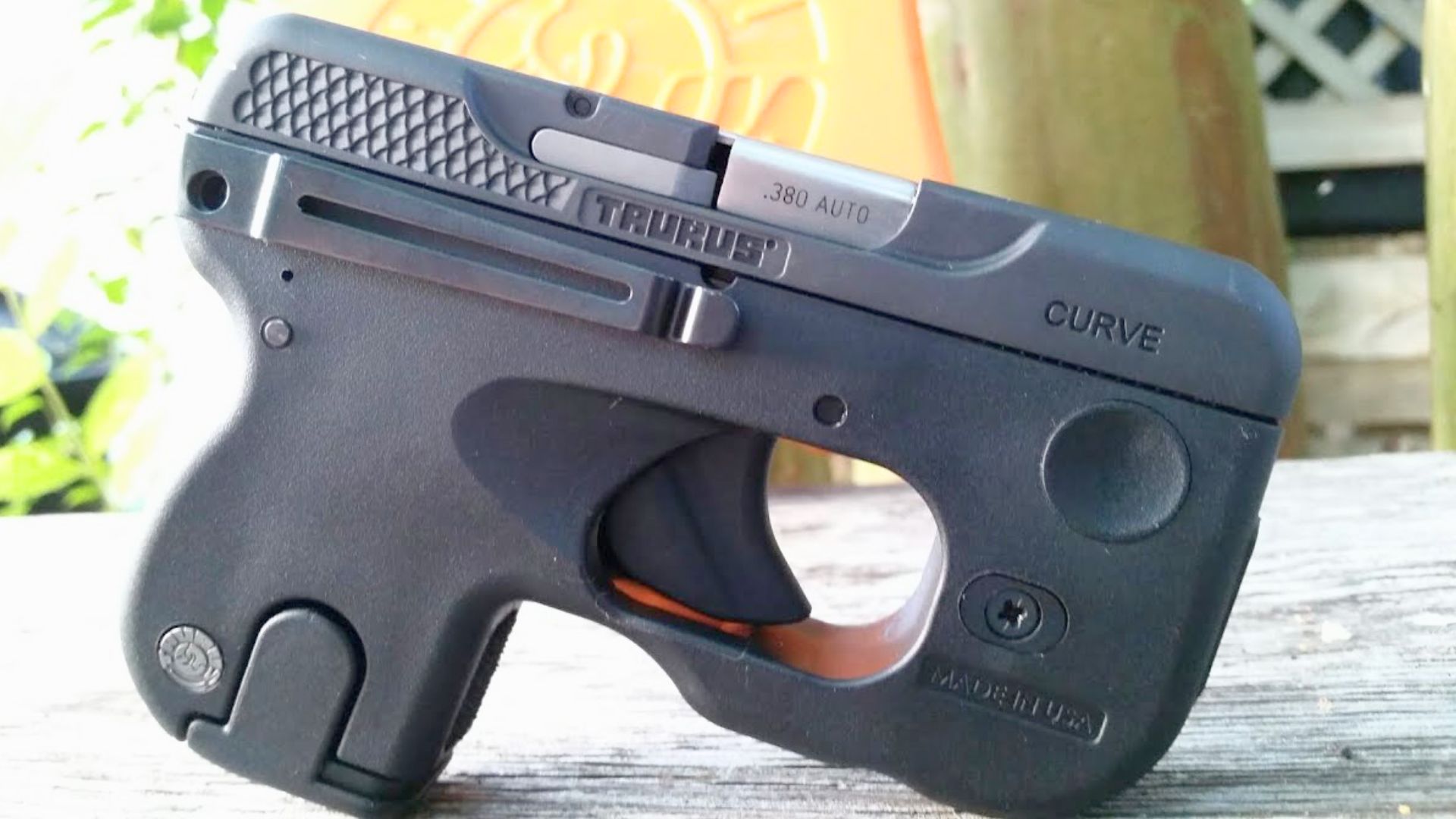
The Taurus Curve felt like a pistol designed around a sales pitch first. The curved frame was supposed to fit the body better for concealed carry, and the built-in light and laser made it seem like a complete package.
In practice, many buyers realized the odd shape came with tradeoffs. The sights were unconventional, the grip was strange, and the whole pistol felt more like a concept than a serious carry gun. A defensive handgun should make aiming, gripping, and training easier. The Curve made too many people feel like they bought the idea instead of the tool.
Diamondback DB9

The Diamondback DB9 attracted buyers because it was tiny, light, and chambered in 9mm. That sounded like exactly what concealed carriers wanted, especially when pocket guns were getting popular.
The tradeoff was comfort and confidence. A very small 9mm can be unpleasant to shoot, and some owners reported reliability issues or durability concerns depending on the generation. Even when one worked, it was not the kind of pistol most people wanted to practice with much. Buyers often learned that the smallest carry gun is not always the smartest carry gun.
Kimber Solo

The Kimber Solo had the looks and brand appeal to make buyers stop and stare. It was small, sleek, and felt more refined than many early micro 9mms.
Then owners started learning how picky it could be. Ammunition selection mattered, recoil springs mattered, and reliability expectations did not always match the premium feel. A small carry pistol can be forgiven for being snappy, but not for making owners question whether it will run. The Solo made plenty of buyers feel like they paid for style before dependability.
Walther CCP
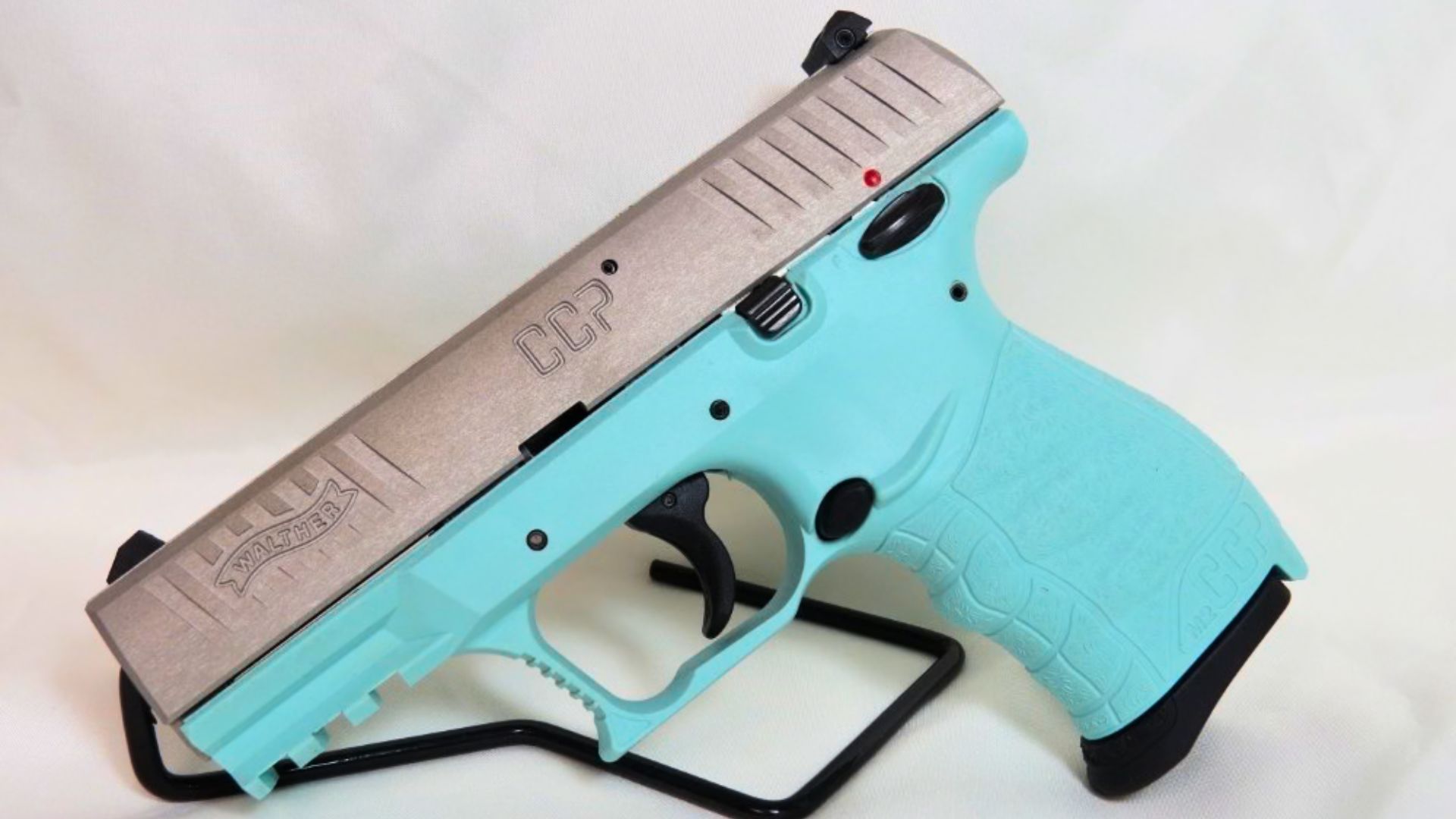
The Walther CCP promised softer recoil through its gas-delayed system, and that sounded perfect for a concealed-carry pistol. Buyers liked the idea of a comfortable 9mm that was easier to shoot than typical compact guns.
The problem was that the design added complications without always giving enough back. Some owners disliked the takedown, heat buildup, trigger feel, or overall size compared with simpler carry pistols. When a gun uses an unusual system, it has to feel clearly better. For many buyers, the CCP felt like extra explanation without enough payoff.
AMT Backup
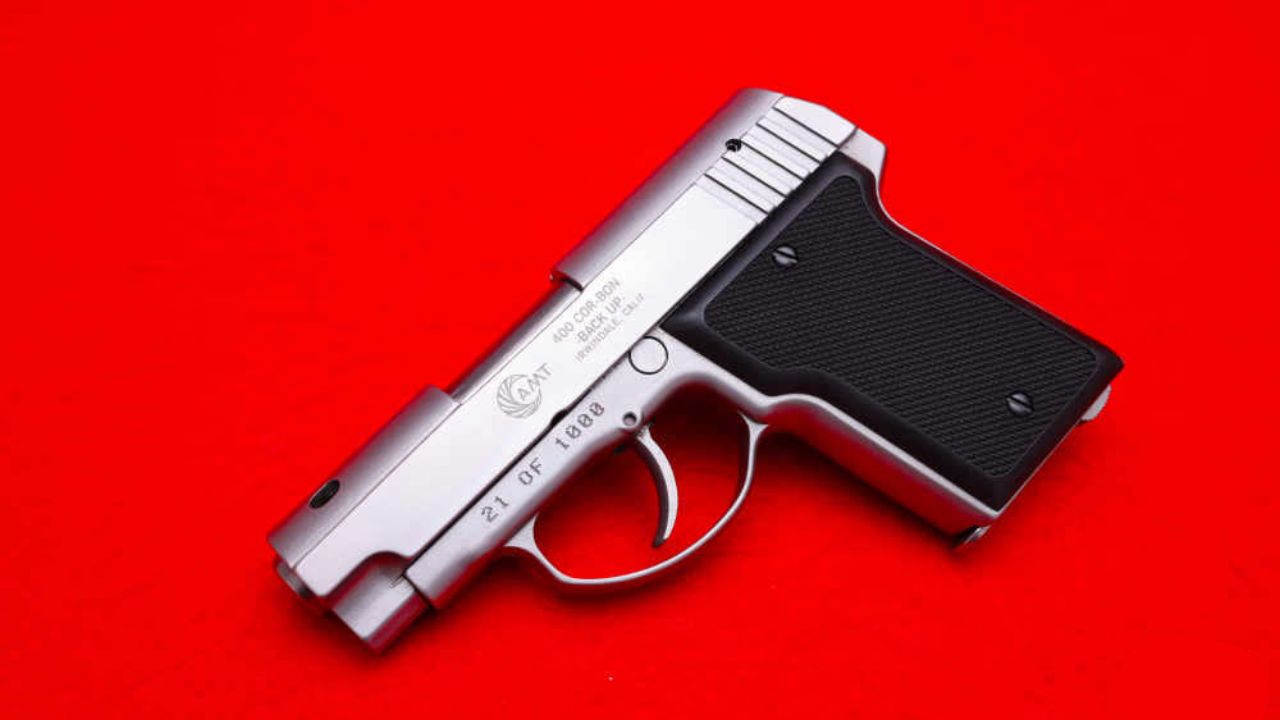
The AMT Backup appealed to buyers who wanted a small stainless defensive pistol with more power than many pocket guns of its era. It looked tough and compact, which is an easy combination to sell.
Living with one could be a different story. Heavy triggers, sharp recoil, rough controls, and spotty reliability reputations made some examples hard to love. It was the kind of pistol people wanted to trust more than they actually enjoyed shooting. Pocket carry guns already involve compromises, and the Backup reminded owners that stainless steel alone does not make a pistol confidence-inspiring.
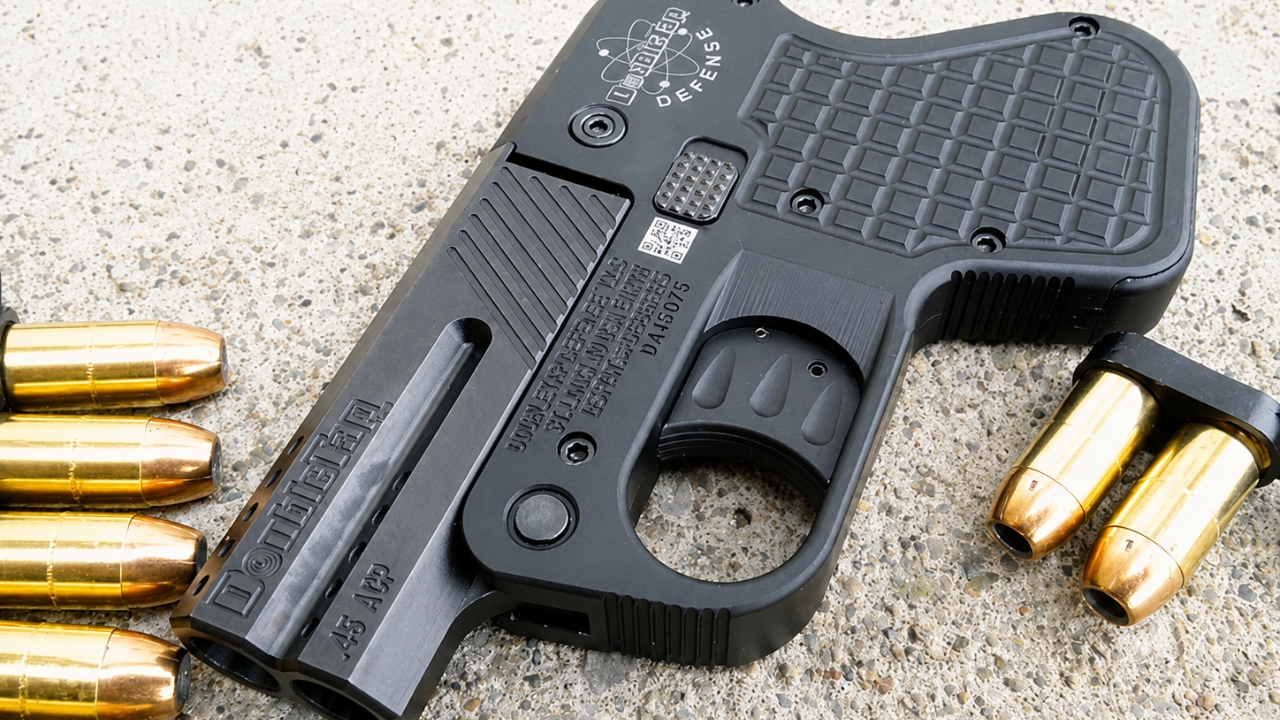
Heizer Defense PKO-45
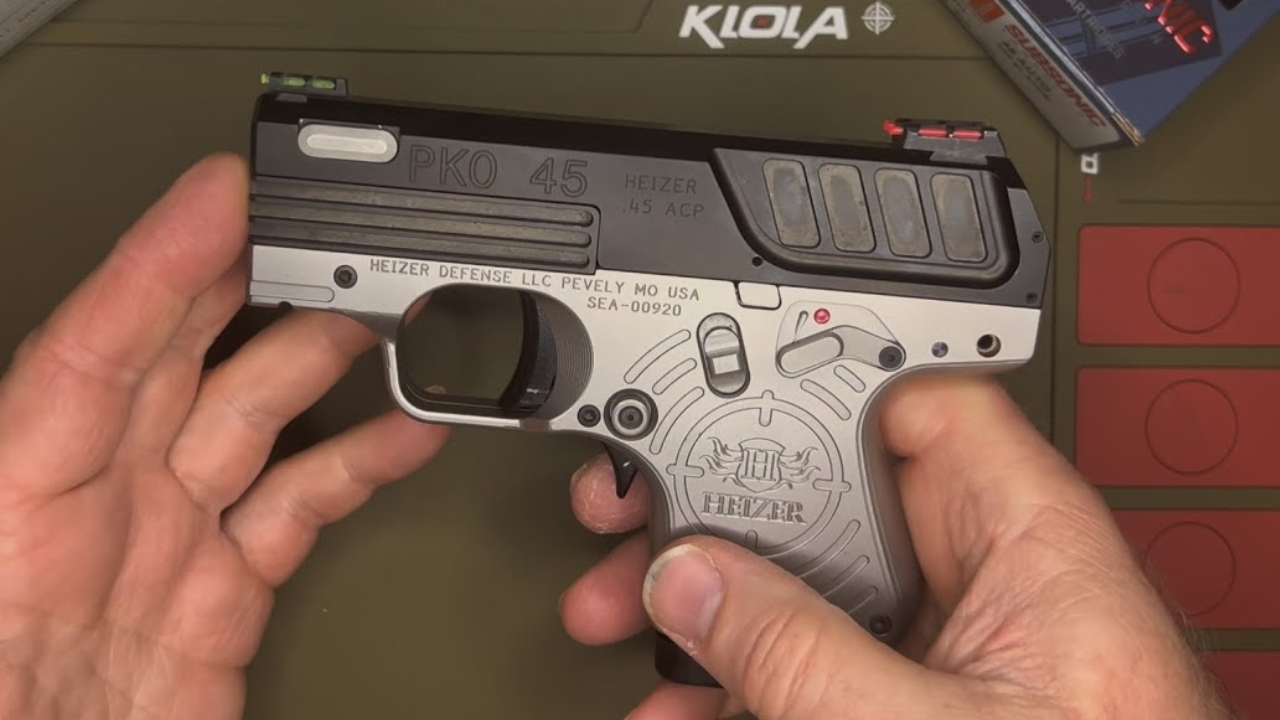
The Heizer Defense PKO-45 looked wild on paper because it packed .45 ACP into an extremely thin, compact pistol. Buyers who like unusual defensive guns had a reason to be curious.
Then the real-world tradeoffs showed up. A tiny .45 with limited capacity, stiff recoil, and niche support is not easy to justify beside compact 9mms that shoot better and hold more rounds. It may be mechanically interesting, but practical carry guns need more than shock value. For many buyers, the PKO-45 felt like proof that thin and powerful does not automatically mean smart.
SCCY CPX-2

The SCCY CPX-2 pulled in buyers with a low price, compact size, and lifetime warranty. For someone on a tight budget, it looked like an easy way into a defensive 9mm.
The regret often showed up after comparing it to slightly more expensive pistols. The long trigger pull, basic sights, snappy feel, and mixed reputation made some owners wish they had saved a little longer. Budget guns can be smart buys when they run well and shoot well. The CPX-2 made some buyers feel like they bought the cheapest answer instead of the better answer.
Kahr CW380

The Kahr CW380 seemed like a great deep-concealment pistol. It was tiny, flat, and easy to hide almost anywhere.
But little .380s can be demanding, and some owners found the CW380 less forgiving than expected. Break-in requirements, ammo preference, small controls, and a stiff feel could make it frustrating for people who wanted a simple pocket gun. When a pistol this small runs right, it has a role. When it makes you test, tune, and second-guess everything, the buyer starts wondering why they did not pick something easier.
Honor Defense Honor Guard

The Honor Guard entered the single-stack 9mm market at a time when buyers still had room to consider new carry brands. It offered American-made appeal, aggressive texturing, and a familiar concealed-carry size.
The issue was that the market moved fast, and the pistol never gave enough buyers a strong reason to choose it over more established options. Holster support, brand confidence, resale value, and long-term trust matter in a carry gun. Some owners realized they had taken a chance on a pistol that did not really beat the safer choices.
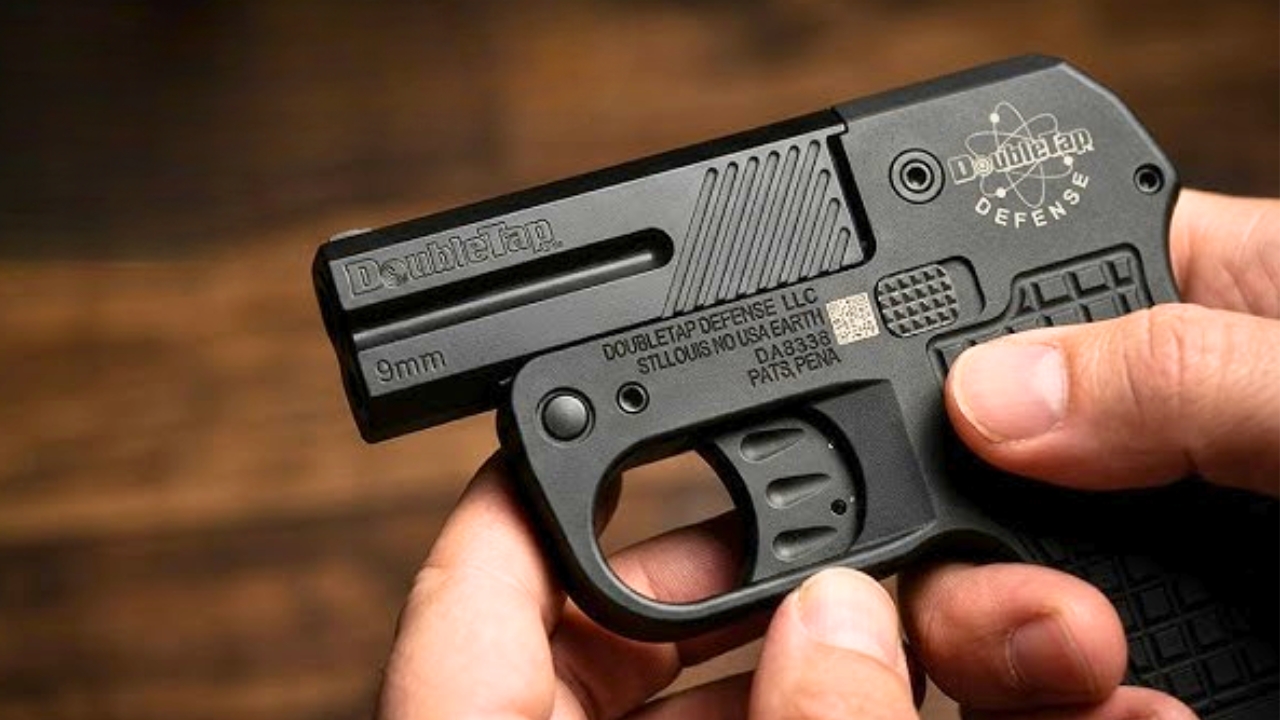
DoubleTap Tactical Pocket Pistol
The DoubleTap Tactical Pocket Pistol looked like a modernized derringer with serious chamberings, flat carry, and minimalist appeal. It was easy to imagine as a backup gun before actually thinking through the shooting experience.
That is where regret came in. Two shots, harsh recoil, slow reloads, and difficult practical accuracy make it a tough sell beside small revolvers and micro pistols. It is thin and clever, but clever does not always help when a gun is unpleasant to shoot and limited in use. A lot of buyers learned that backup guns still need to be shootable.
Like The Avid Outdoorsman’s content? Subscribe to our newsletter so you never miss an article.
Here’s more from us: