Photo credit: NRApubs/YouTube
American history gets told with presidents, wars, and big speeches, but a lot of the real change happened in smaller moments—at a cabin door, on a river crossing, in a factory, or on a dusty street where a tool decided who stayed standing. Firearms didn’t create every turning point, but they often sped things up. They shaped how Americans hunted, how they fought, how they policed, and how regular people thought about self-reliance.
What’s easy to miss is that the most important guns aren’t always the flashiest. Some were common as fence posts. Some were “good enough” at the right time. And some quietly changed the country by being affordable, easy to use, or easier to carry. If you want to understand the American story in a more grounded way, start with the firearms that made everyday decisions feel different.
Charleville Model 1763/66 Musket
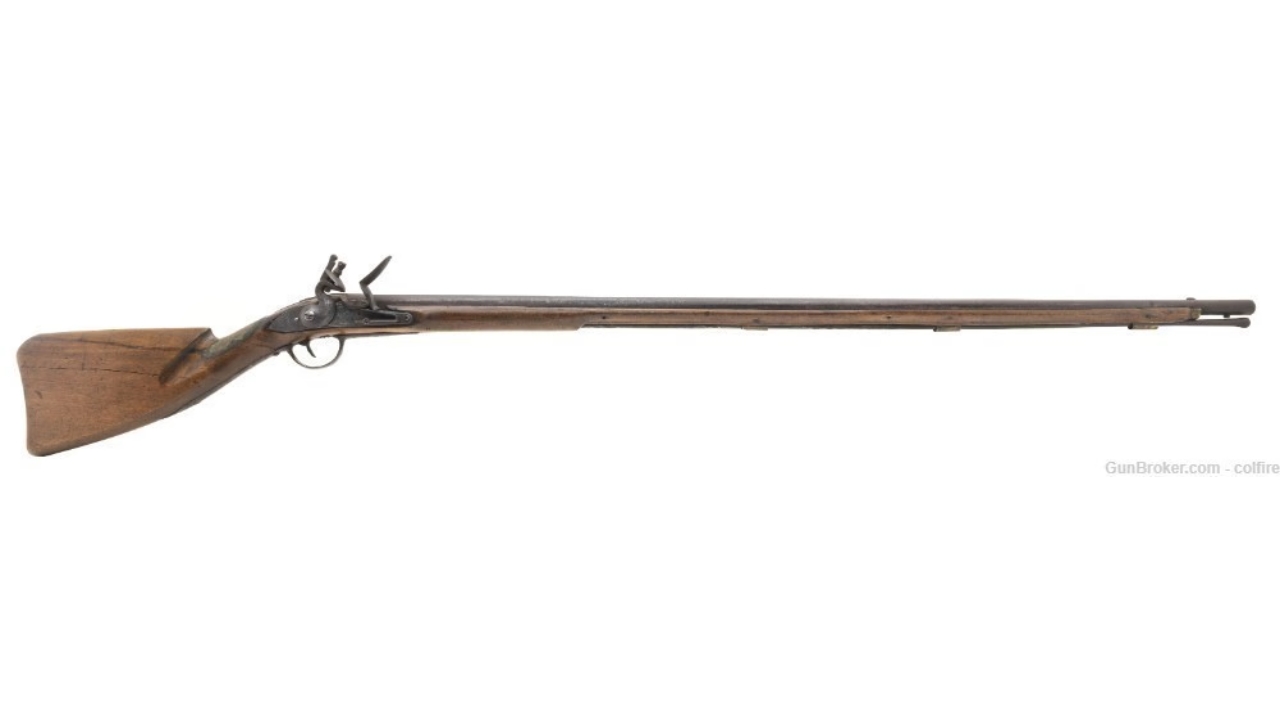
If you picture the American Revolution, you probably picture a “Brown Bess,” but a huge share of Patriot firepower came from French Charleville muskets. These guns weren’t rare trophies. They were serious, standardized military arms shipped in numbers that mattered when the Continental Army needed real logistics, not local improvisation.
In your hands, a Charleville is a reminder that winning wars is often about supply chains. France didn’t only send advice and flags—it sent muskets, parts, and the ability to keep men armed. That steady flow helped turn a ragged force into one that could stay in the fight. The Charleville also influenced early U.S. armories, because once a nation leans on a pattern that works, it starts building its own future around it.
Pennsylvania-Kentucky Long Rifle

The long rifle helped shape the American idea of distance. In the eastern woods and the expanding frontier, accuracy mattered more than rapid volley fire. A well-made long rifle gave a skilled shooter reach that smoothbore muskets couldn’t match, and that changed how people hunted and how they guarded homesteads.
You also see its cultural impact in the way Americans started talking about marksmanship. The long rifle became part tool and part identity, tied to the notion that a capable person could feed a family and defend a cabin with skill instead of numbers. It didn’t replace military muskets in formal battle lines, but it shaped how the frontier moved west and how Americans learned to value precision. That mindset still shows up every time shooters argue about accuracy like it’s a character trait.
Springfield Model 1795 Musket
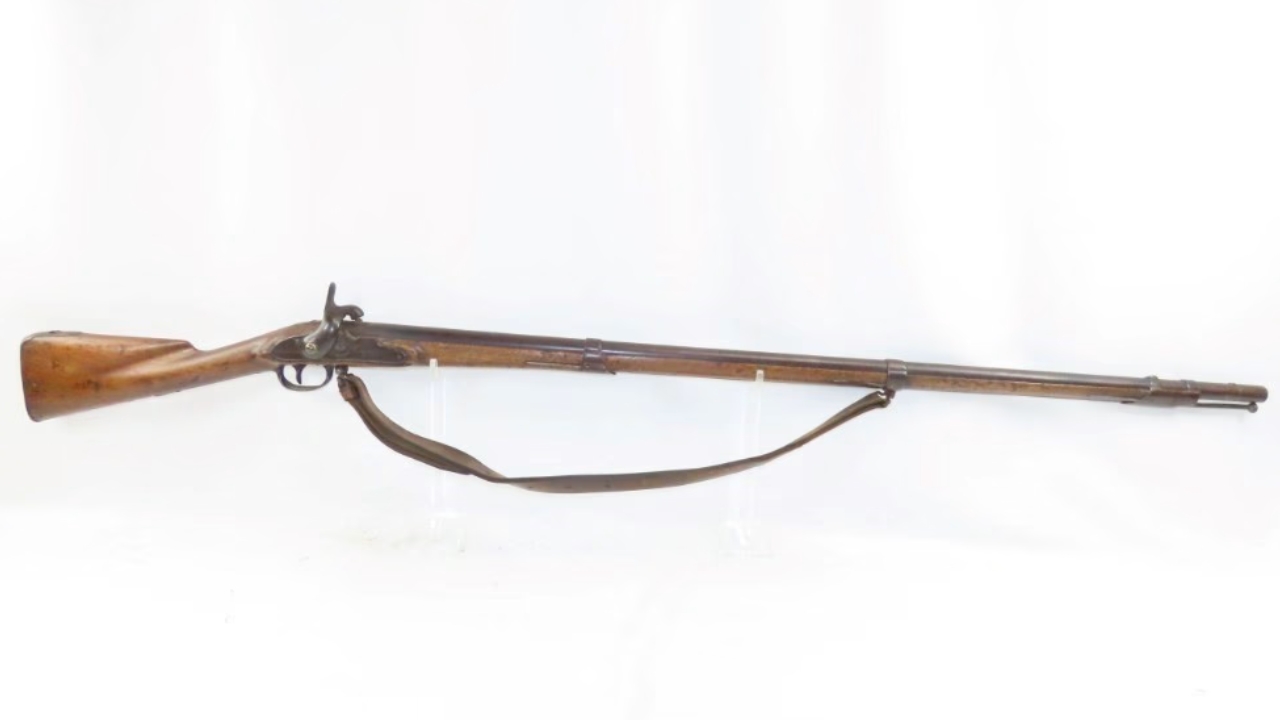
The Springfield Model 1795 matters because it represents the United States deciding it had to build its own arms, not borrow them forever. Patterned closely after the Charleville, it came out of a young nation trying to turn war lessons into permanent capability. That shift—toward domestic production—helped set the tone for American industrial growth.
When you look at a 1795, you’re seeing more than a musket. You’re seeing an early attempt at standardization and organized manufacturing through a national armory system. Those ideas grew over time into the broader “American system” of production: repeatable parts, trained labor, and a government willing to invest in tooling. The gun itself fought in early U.S. conflicts, but its deeper influence was proving that America could equip itself at scale when it had to.
Colt 1851 Navy
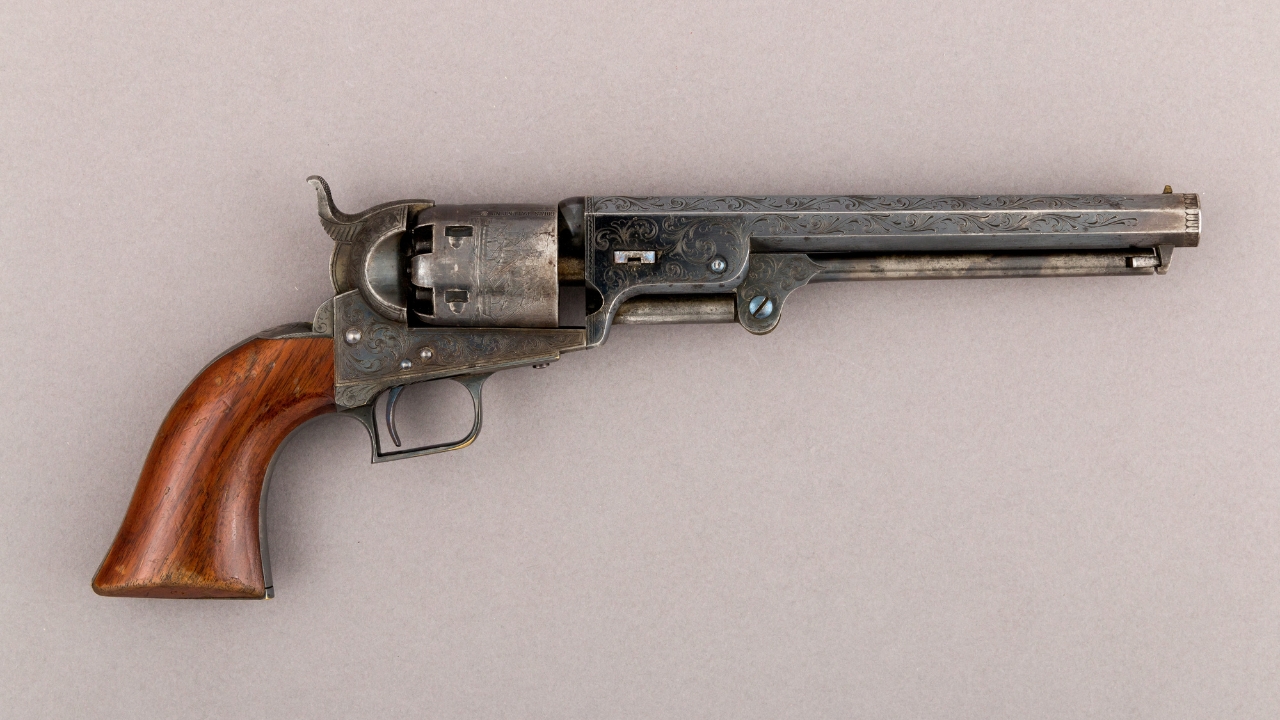
The Colt 1851 Navy didn’t win the West by itself, but it changed how common people thought about personal firepower. It offered a repeating handgun that was practical enough to carry, reliable enough to trust for the era, and widely available compared to many earlier revolvers. That mattered in a country expanding fast, where trouble often found you far from help.
In your hand, the 1851 shows the start of the handgun becoming a normal tool instead of a specialized curiosity. It pushed the idea that multiple shots could live in one compact package, and that idea stuck. It also helped drive American gunmaking into a more modern direction—mass production, aggressive marketing, and a growing civilian market that wanted the same kind of capability soldiers and lawmen valued.
Springfield Model 1861 Rifle-Musket

The Springfield 1861 is one of the clearest examples of a firearm meeting history at the worst possible time. The Civil War demanded huge numbers of capable infantry arms, and the 1861 became a backbone rifle-musket for Union forces. It wasn’t exotic, but it was accurate enough, dependable enough, and produced in numbers that shaped battlefields.
When you think about why Civil War casualty lists look the way they do, the rifle-musket era is a big part of it. The 1861 pushed effective ranges farther than many tactics were ready for, and the results were brutal. It also highlighted the importance of organized manufacturing during a national emergency. The war didn’t only test generals—it tested factories. The 1861 sits right at that intersection of mass production and mass conflict.
Spencer Model 1860 Repeating Carbine
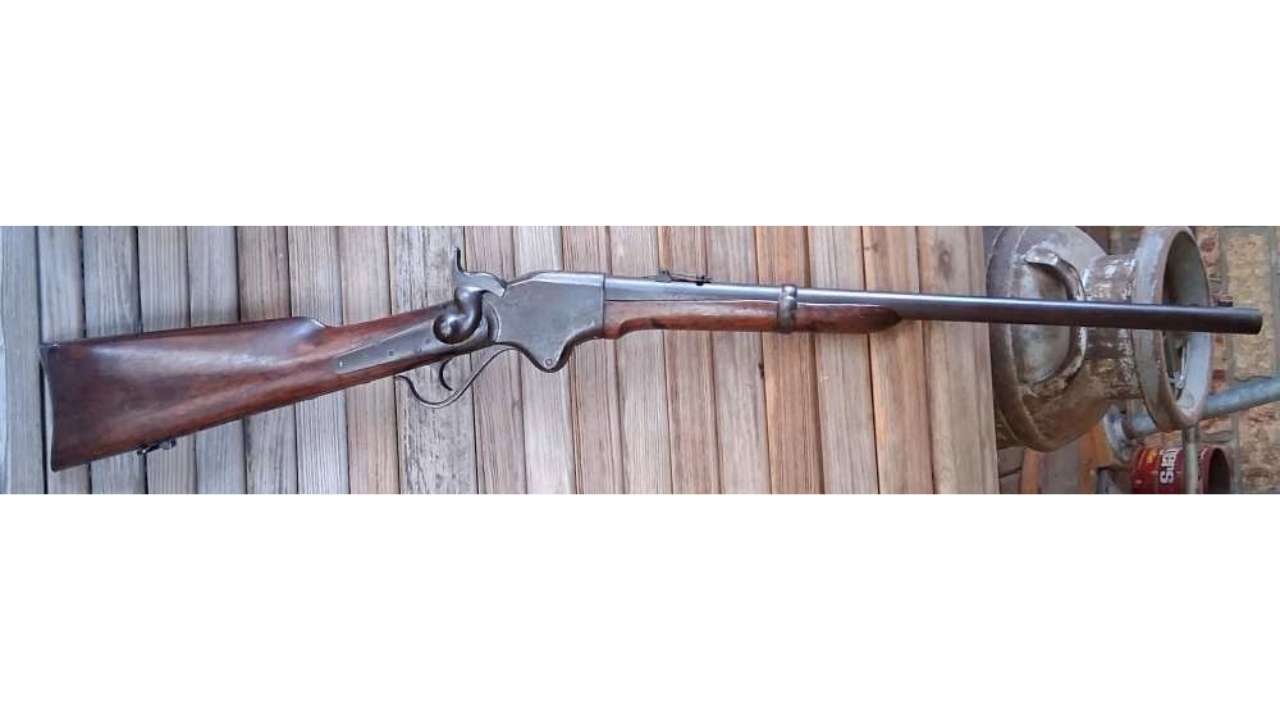
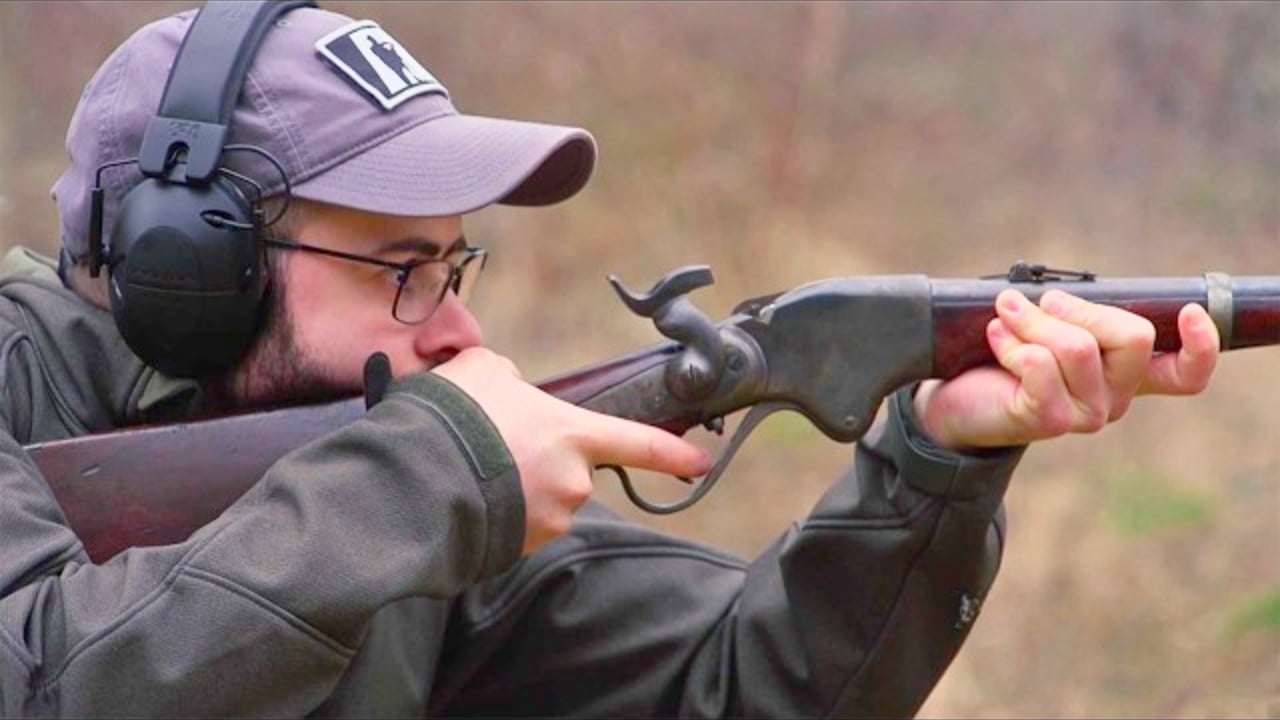
The Spencer changed the conversation about volume of fire. A lever-operated, metallic-cartridge repeater gave cavalry and certain infantry units the ability to put sustained fire downrange without the slow reload routine of muzzleloaders. That wasn’t a small edge. It changed how some fights unfolded and previewed what modern firepower would soon look like.
In your hands, the Spencer also shows the moment America started trusting self-contained cartridges as more than a novelty. Metallic cartridges improved reliability in the field—rain, mud, stress, it all mattered less. The Spencer didn’t instantly replace everything, but it proved the concept in real conflict, which is what moves technology forward. Once soldiers experience a practical repeater, it’s hard to convince them to go back. That pressure helped speed the country toward the next era.
Henry Rifle (Model 1860)

The Henry rifle’s influence is bigger than its production numbers. It demonstrated what a true repeating rifle could do when it worked, and it burned the idea into the American imagination. Even people who never owned one understood the appeal: multiple shots on tap without constant reloading, especially in close-range chaos.
What the Henry really did was set expectations. Once repeaters became believable, the market and the culture started leaning toward them. The gun also helped steer firearm design toward lever actions that could be improved and ruggedized for broader use. You can draw a straight line from the Henry’s concept to the rifles that later dominated the frontier and became American icons. It wasn’t the only repeater of its time, but it’s the one people remember because it made the future feel real in the present.
Winchester Model 1873

The Winchester 1873 became a symbol, but it also became a practical reality. It gave settlers, ranchers, and lawmen a repeating rifle that was widely distributed and supported by a growing industry. In a country pushing west, having a rifle you could keep fed and running mattered as much as romance and legend.
In your hands, the 1873 represents a shift toward commercial normalcy. Firearms weren’t only military goods anymore—they were consumer products tied to transportation networks, catalogs, and towns connected by rail. The rifle also helped reinforce the idea of the “one rifle for many tasks,” especially when paired with revolvers in similar cartridges. That convenience shaped how Americans armed themselves, and it influenced everything from frontier defense to hunting practices. It became a tool that fit the country’s pace.
Colt Single Action Army (Model 1873)

The Colt Single Action Army shaped American history because it became the sidearm of an era—military use, law enforcement, and civilian carry all overlapping. It wasn’t the first revolver, but it landed at the right time with the right balance of durability, power, and practicality. It helped define what a “serious handgun” looked like to Americans for generations.
When you handle an SAA, you understand why it stuck. It’s straightforward, strong, and built around cartridges that made more sense than cap-and-ball systems for hard daily use. The gun also cemented the link between firearms and authority on the frontier—sometimes for good, sometimes for ugly reasons. It’s a reminder that tools don’t only serve noble stories. They also enforce decisions. The SAA became part of how Americans pictured order, danger, and personal responsibility.
Springfield Model 1873 “Trapdoor”

The Trapdoor Springfield mattered because it carried the U.S. military into the cartridge era at scale. After the Civil War, America had warehouses full of muzzleloaders and a country expanding into conflict on the frontier. The Trapdoor system was a practical answer: convert and produce rifles that could fire metallic cartridges without reinventing everything overnight.
In your hands, the Trapdoor shows how nations modernize in steps. It wasn’t the final solution, but it was a bridge that armed soldiers during a turbulent period of western expansion. It also tied directly to some of the most consequential and painful episodes of U.S. history involving Native nations. The rifle became part of that machinery of displacement and warfare. Its influence isn’t about glamour. It’s about being the standard issue tool in a chapter that still echoes.
U.S. Krag–Jørgensen (Model 1892/1896)

The Krag matters because it marked America’s hard pivot into the smokeless era. It brought a smaller, faster cartridge and modern ballistics to U.S. service, and it forced the military to confront how quickly technology was moving. The Spanish–American War didn’t last long, but it taught uncomfortable lessons about rifles, ranges, and what happens when your opponent’s gear outpaces yours.
When you look at the Krag, you’re seeing a transitional rifle that exposed the need for better doctrine and better equipment. Its smooth action and accuracy earned respect, but it also highlighted shortcomings—rate of fire and clip loading compared to contemporary designs. That pressure helped push the U.S. toward the next service rifle generation. The Krag didn’t define the 20th century, but it opened the door and showed America it had to keep running.
Springfield Armory M1903

The M1903 Springfield shaped American history because it became the American rifle as the country stepped onto a bigger world stage. It served through major conflicts and helped define U.S. marksmanship culture—both in military training and in civilian shooting programs. It wasn’t only a battlefield tool. It was a national standard for what a bolt-action rifle should feel like.
In your hands, the ’03 is a study in serious, deliberate shooting. It helped build a tradition of rifle qualification and precision that influenced everything from hunting rifles to competitive shooting. It also reflects the era’s obsession with strong actions and reliable feeding as smokeless cartridges pushed performance higher. The M1903 became a platform Americans trusted, and trust changes behavior. When a country believes in its rifle, it trains around it, designs around it, and carries its influence into the next generation.
M1 Garand

The M1 Garand changed the American infantryman’s relationship with firepower. A semi-automatic service rifle meant a soldier could stay in the fight, keep sights on target, and send follow-up shots without breaking position to run a bolt. That wasn’t a small upgrade. It shaped how American forces fought in World War II and beyond.
When you shoot a Garand, you feel the blend of speed and control that made it so influential. It also helped embed the idea that the average rifleman should have higher sustained capability, not only specialists. The Garand’s impact wasn’t only tactical. It fed the postwar gun culture too—returning veterans, marksmanship programs, and surplus rifles that put a serious military arm into civilian hands. That helped expand American familiarity with service-grade rifles in a way few other countries experienced.
Thompson Submachine Gun (M1928/M1)

The Thompson shaped American history on two tracks at once: the hard reality of war and the public story of crime and enforcement. In the early 20th century, it became a symbol of close-range firepower—used by criminals, then used by lawmen, and eventually used in wartime roles where compact automatic fire mattered.
In your hands, the Thompson feels heavy and overbuilt, and that tells you something about its era. It came from a time when designers were still figuring out what a submachine gun should be, and weight was part of how they managed controllability. Its influence goes beyond mechanics, though. The Thompson helped drive public debates about firearms, policing, and regulation in the United States. Few guns have been so tied to both fear and fascination. It helped shape how Americans pictured “firepower” long before modern rifles took that role.
Colt M16A1
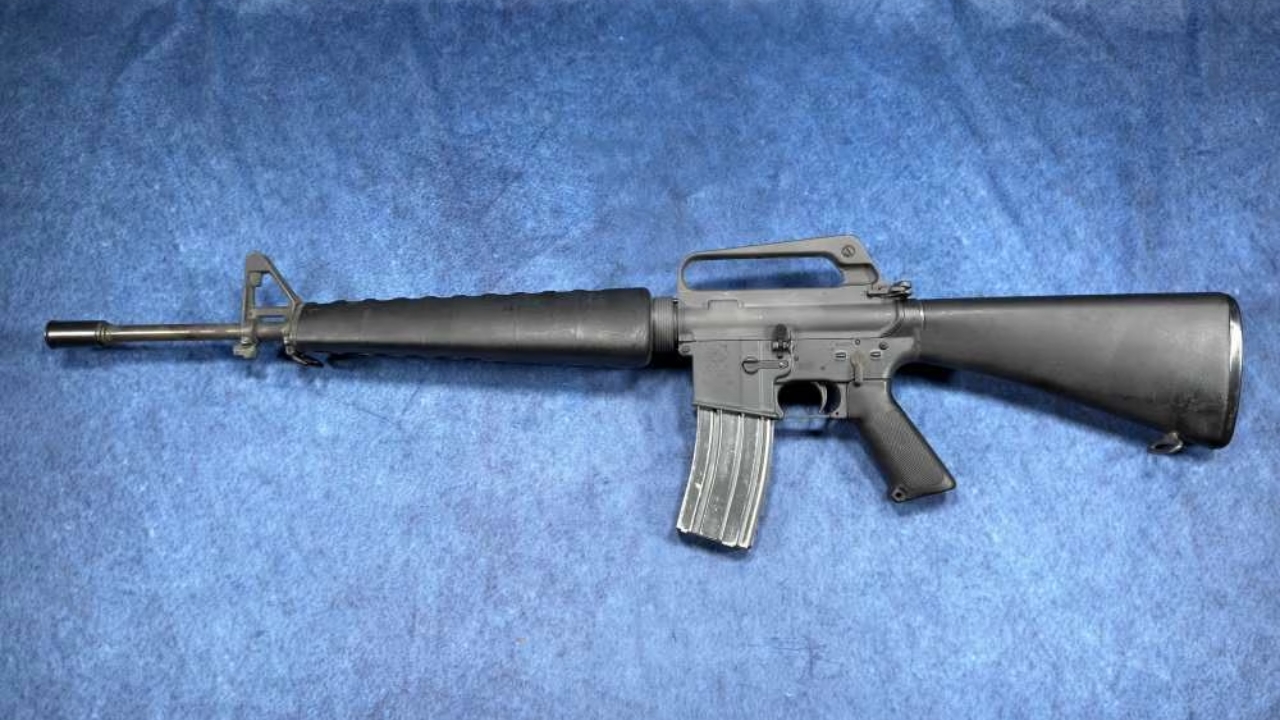
The M16A1 represents a pivot that reshaped American warfare and, eventually, American civilian gun culture. Vietnam exposed early problems, and the fixes—along with training and logistics—turned the rifle into a long-running standard. Its lightweight handling, high-capacity magazines, and controllable recoil changed how American troops fought at typical engagement distances.
In your hands, the M16A1 also explains why the AR pattern became so dominant later. The ergonomics, modularity, and overall efficiency fit modern needs, and the platform kept evolving without abandoning its core idea. That adaptability is influence. It shaped the U.S. military for decades, then bled into policing, sport shooting, and the broader argument about rifles in America. The M16A1 isn’t only a rifle—it’s a design lineage that became a pillar of modern American firearms identity.
Remington Model 870

The Remington 870 shaped American life in a quieter way than service rifles, but its footprint is enormous. It became a default shotgun for hunting camps, rural households, and police cruisers. It earned that spot by being widely available, durable, and adaptable across bird hunting, deer hunting, and defensive roles.
In your hands, an 870 explains how a firearm becomes part of daily American routine. A pump shotgun is straightforward to maintain, flexible with loads, and familiar across generations. That matters when a tool gets handed down and learned young. The 870 also influenced policing for decades as a common long gun in patrol cars, which shaped training and response culture. Even as modern carbines took over many roles, the 870 remains a reference point. It helped define what Americans think a “working gun” looks like.
Like The Avid Outdoorsman’s content? Subscribe to our newsletter so you never miss an article.
Here’s more from us: