Photo credit: TheFirearmGuy/YouTube
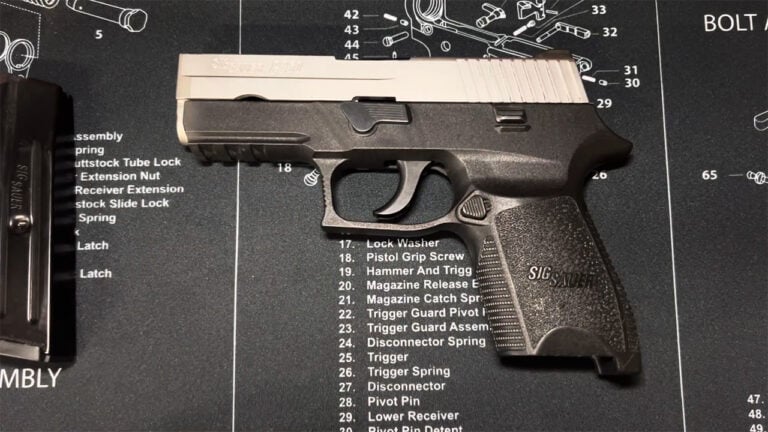
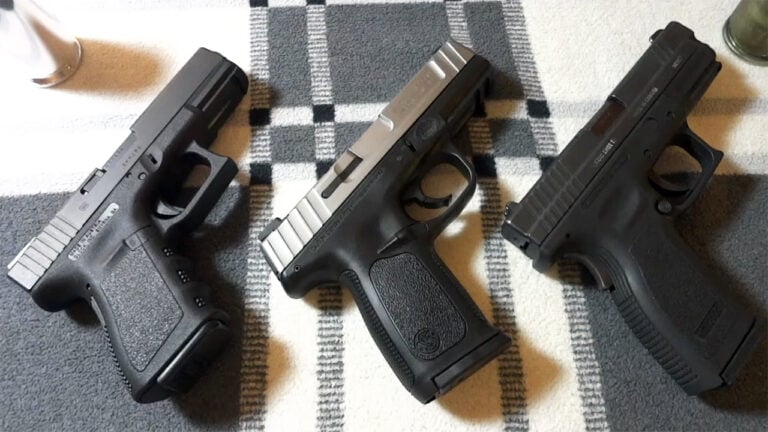
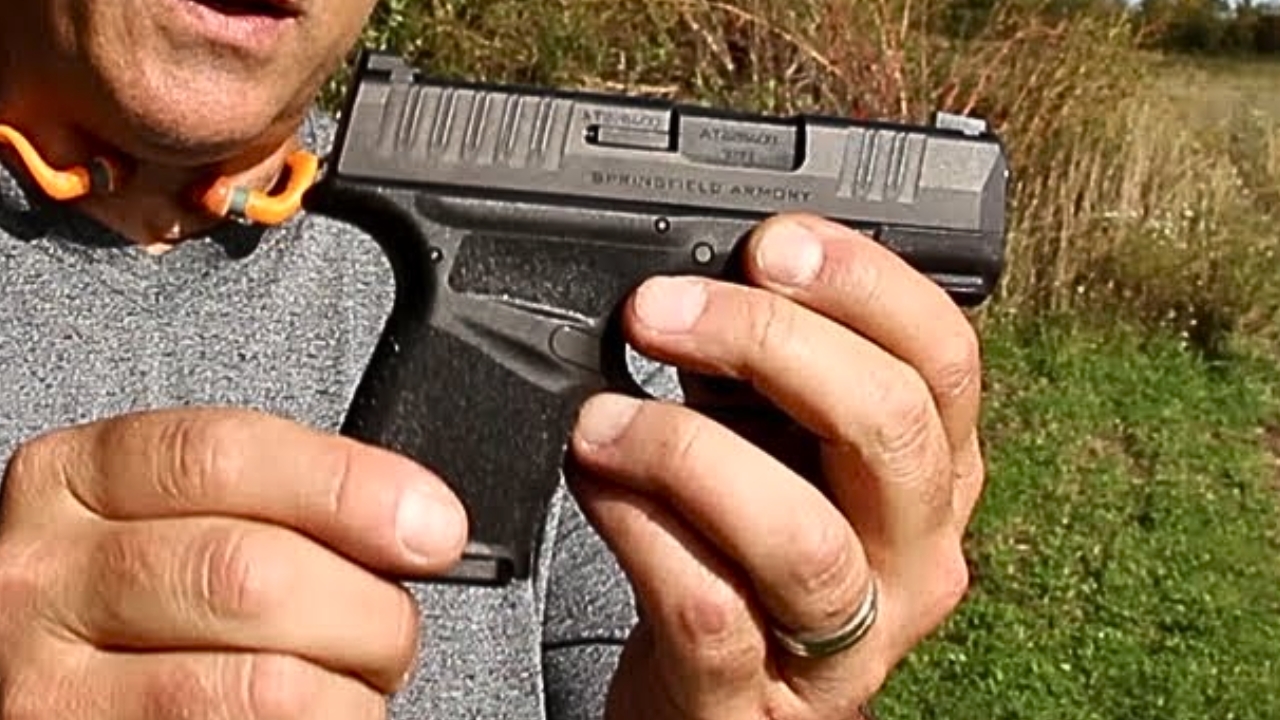
The “perfect” carry gun that turns miserable after 200 rounds is almost always the same category: a micro-9 that felt amazing in the hand at the counter and felt even better in the waistband on day one. These guns sell the dream—real capacity in a tiny footprint, easy concealment, light weight, and modern features. The problem isn’t that micro-9s are junk. The problem is that a lot of them are carry-friendly but training-hostile, and that gap shows up fast once you put real volume through them. Around the 200-round mark, the novelty wears off, the hand fatigue kicks in, and you start noticing how much work the gun demands from you compared to something only slightly bigger.
Why they feel perfect at first and awful later
At the counter, you’re judging comfort and concealment potential, not sustained shooting. A micro-9 feels “right” because it disappears in your hand and it seems like it’ll disappear on your body. Then you actually run it. Small grips give you less leverage. Light weight gives you sharper recoil. Short slides and short sight radiuses punish sloppy presentation. That combination doesn’t always show up in a slow 10-round test at the range. It shows up when you shoot multiple magazines, start pushing pace, and your hands aren’t fresh anymore. The gun goes from “this is so easy to carry” to “why does this feel like I’m fighting it?”
The recoil isn’t the only issue—grip consistency is
Most people blame recoil, but the bigger issue is grip consistency under fatigue. Micro guns don’t give you much real estate to lock in the same grip every time, especially if your hands are medium-to-large. Your support hand runs out of space. Your strong hand ends up doing too much. Under volume, small changes in grip pressure turn into big shifts in muzzle behavior. That’s when groups open up, hits start drifting, and the shooter starts chasing fixes—sights, triggers, comps—when the real problem is the platform’s tolerance for imperfect grip is low. A compact gun will often let you get away with a little slop. A micro punishes it immediately.
The trigger and reset feel “fine” until speed exposes them
A lot of micro-9s have triggers that are acceptable when you’re shooting slow, then feel less predictable when you’re shooting faster strings. That’s where people start slapping shots or outrunning their own reset because the gun is jumping more and their hands are working harder. Again, the gun didn’t suddenly change. The shooter got tired and the pace got real. This is the moment many owners quietly admit they don’t actually enjoy training with the gun they carry, and that’s a dangerous mindset long-term because it leads to avoidance. If you hate practicing with it, you won’t practice with it enough to be confident.
Micro-9s are built around compromise. They’re designed to be small, not to be pleasant. Some models shoot better than others, but physics still shows up. If you prioritize concealment above everything, a micro can make sense. If you want a gun you’ll train with regularly, a micro can become the thing you dread. That’s why you see so many micro-9s purchased, carried for a while, then quietly rotated out or shoved into a safe. People don’t like admitting they bought a gun they don’t enjoy shooting, so they just stop shooting it. Then their skills atrophy and the confidence becomes imaginary.
The fix most people discover after 200 rounds
Most shooters who hit this wall do one of three things. They quit training and keep carrying the micro anyway, which is the worst option. They start “upgrading” the micro until it becomes a finicky project gun, which is common. Or they do the smart thing: they move slightly up in size to a compact that still conceals but shoots like a real pistol. That’s why you see people quietly go back to compact guns after living with a micro for a while. It’s not because they can’t carry small guns. It’s because they finally admitted the gun they shoot well matters more than the gun that disappears best.
How to avoid the trap if you’re shopping
If you’re choosing a carry gun, you should care less about the first magazine and more about the tenth. Bring enough ammo to shoot 200 rounds in a session or two. Shoot cold. Shoot drills that require actual control. Don’t judge by comfort alone. A gun that carries great but trains poorly will turn you into a guy who carries a lot and shoots a little, and that’s not a place you want to end up. If you need targets, a timer, and basic training supplies to make those sessions structured and honest, you can grab that stuff at Bass Pro Shops, but the real key is the volume and the honesty. The gun has to earn its spot by being shootable when you’re tired.
Like The Avid Outdoorsman’s content? Subscribe to our newsletter so you never miss an article.
Here’s more from us: