Photo credit: NSSF—The Firearm Industry Trade Association/YouTube
A new shooter usually blames themselves first. If the gun stings their hand, the trigger feels like dragging a brick, or the sights bounce all over the place, they assume they’re doing something wrong. Sometimes they are—grip, stance, and trigger control matter. But sometimes the pistol is stacking the deck against them with heavy triggers, sharp recoil, tiny grips, or a design that punishes small mistakes.
The worst part is what it does to confidence. A beginner needs quick wins: clear feedback, manageable recoil, and a trigger that rewards good habits. Some pistols do the opposite. They make a perfectly normal shooter feel clumsy, weak, or “not cut out for it.” If you’ve ever watched a new shooter struggle, you’ve probably seen one of these guns at work.
S&W J-Frame Airweight (Model 642 / 442)

A lightweight snub-nose revolver looks friendly because it’s small and simple. Then the first shot goes off and it feels like it slapped you. The Airweight J-frames are light enough that recoil becomes sharp, and the short grip gives you less leverage to control it. New shooters often flinch hard and think they’re “scared of guns,” when the truth is the gun is hard on hands.
The trigger doesn’t help. A double-action J-frame trigger takes real technique and consistency, and beginners rarely have that yet. So you get pulled shots, low hits, and frustration fast. These revolvers can be excellent carry tools for experienced shooters, but they’re a rough introduction. They teach you to fight the gun instead of learning smooth trigger control and follow-through.
Ruger LCR in .357 Magnum

The LCR is a smart design, but chambering it in .357 Magnum can turn it into a confidence killer for new shooters. The gun is light, the grip is small, and magnum recoil in a lightweight revolver is intense. It’s the kind of recoil that makes people blink and tense up before the shot even breaks.
Even if you load it with .38 Special, the long double-action trigger still asks a lot from a beginner. New shooters will often see their hits scatter and assume they have terrible fundamentals, when they’re really wrestling a hard trigger and a small platform. The LCR can be a great carry revolver, but it’s not a gentle teacher. A beginner needs something that makes good technique feel easy, not something that demands it immediately.
Glock 43

The Glock 43 is a solid carry pistol, but for new shooters it can feel like the gun is judging them. The grip is short, the gun is light, and recoil has a snappy feel that makes it harder to keep the sights settled. Beginners often struggle to get a consistent grip and then wonder why the gun feels “inaccurate.”
The other issue is how little margin you get for sloppy trigger work. A small, light pistol exaggerates every bit of anticipation and every bit of grip change. So the shooter presses the trigger, the gun dips, and the shot goes low left (for right-handed shooters). They think they’re broken. They’re not. They’re learning on a platform that magnifies mistakes. The 43 shines when you already have solid fundamentals. It can be a frustrating starting point if you don’t.
SIG Sauer P365

The P365 is one of the best concealed-carry designs out there, but it’s still a small pistol. Small pistols ask more from you. New shooters often pick one up because everyone recommends it, then struggle with the short grip and fast recoil impulse. The gun isn’t “too much,” but it’s not forgiving.
A beginner tends to crush-grip it, milk the grip during the trigger press, or reset inconsistently because they’re trying to control recoil they don’t understand yet. The result is scattered groups and a lot of self-blame. Add the fact that many P365s end up with tiny carry sights or bright front sights that draw the eye away from fundamentals, and you have a recipe for confusion. It’s a great pistol to grow into. It’s not always a great pistol to start on.
Springfield Hellcat

The Hellcat is another excellent micro-compact that can make a new shooter feel clumsy. It’s light, short in the grip, and it snaps. That means your sight picture bounces more, your grip has to be consistent, and your trigger press has to be clean. New shooters often don’t have those pieces locked in yet.
Because the Hellcat is popular, it gets handed to beginners a lot. They shoot it, struggle, and walk away thinking they can’t shoot. The truth is they’re learning on a platform designed for concealment, not for easy shooting. The Hellcat will shoot well when you do your part, but it demands more than a mid-size pistol. If you start on it, you need patience. Otherwise it teaches the wrong lesson: that the shooter is the weak link, when the platform is simply less forgiving.
Ruger LC9
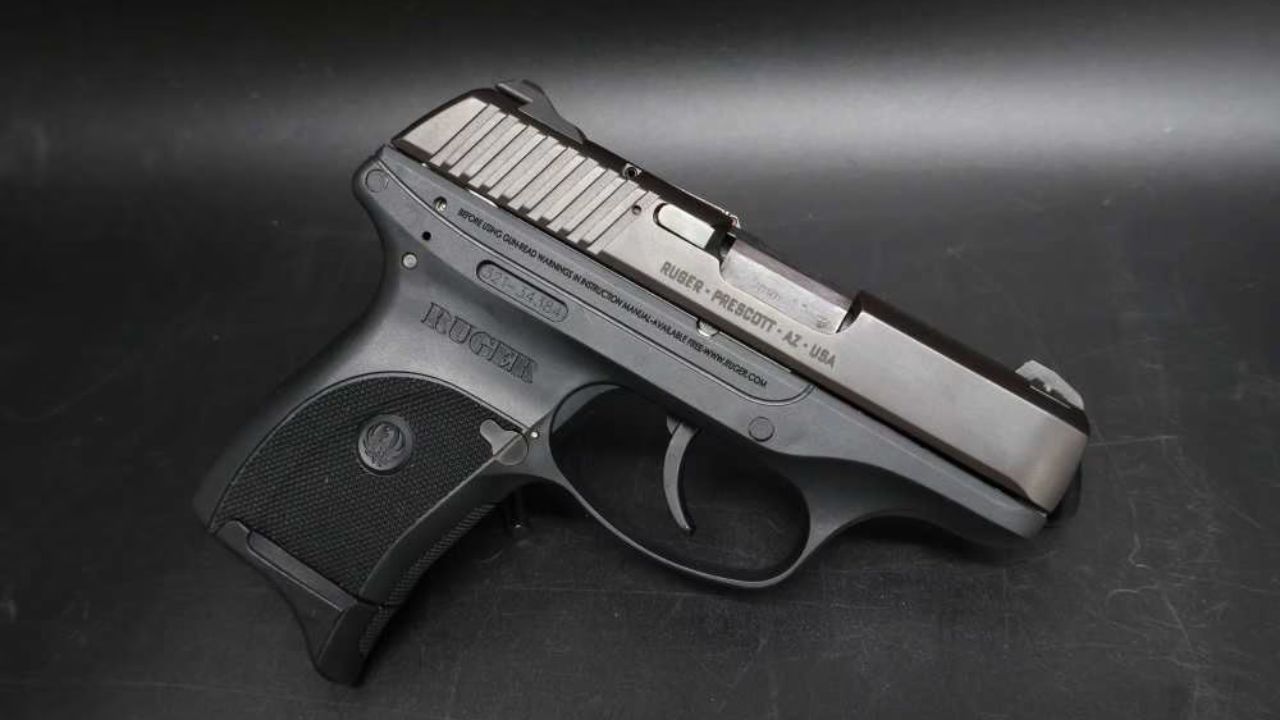
The original LC9 is famous for one thing that matters to beginners: a long, heavy trigger. That trigger can make a new shooter feel like they can’t keep the sights still no matter what they do. They press, the muzzle wobbles, and the shot breaks late—often with a jerk at the end.
That kind of trigger trains bad habits. Beginners start slapping at it, staging it, or rushing because they want the shot to go off. Then they miss and blame themselves. The LC9 can be a practical carry gun, but it’s not a friendly teacher. A new shooter needs a trigger that rewards a smooth press and gives predictable feedback. A long pull that feels like work makes them think they’re failing at something that should be easier.
Kahr CM9

Kahr pistols have a smooth, long trigger that some experienced shooters like. For beginners, that long pull can feel endless. It’s easy to move the gun during the press, and it’s easy to lose confidence when you’re trying hard and still printing ugly groups. The shooter thinks they’re “yanking the trigger” because they are—because the trigger gives them a lot of time to yank it.
The small size also adds to the struggle. A compact grip and a light frame make recoil feel quick, and a beginner often responds by tightening their hand at the wrong time. That changes where the gun points right as the shot breaks. The CM9 can be a good carry pistol, but it’s not a confidence builder for someone learning fundamentals. It requires calm, consistent trigger work that most beginners haven’t developed yet.
Walther PPK

The PPK looks classy and manageable, and then a new shooter gets bit by it—sometimes literally. The combination of blowback recoil, small grip, and slide geometry can make the pistol unpleasant for inexperienced hands. It’s also a pistol that can feel snappy for its size, especially in .380.
Then there’s the double-action first shot. A heavy DA pull followed by lighter SA shots makes consistency harder for a beginner. They struggle with that first pull, throw the first shot, and then feel like they’re “inconsistent” as a shooter. They are inconsistent—because the gun is giving them two different trigger worlds to manage. The PPK can be a fun pistol with experience and the right grip. For a beginner, it can feel like the gun is punishing them for not knowing what they don’t know.
Beretta 92FS

This one surprises people because the 92FS is soft-shooting and easy to control once you’re rolling. The problem for beginners is the first shot. A long, heavier double-action pull followed by shorter single-action pulls can make a new shooter feel like they can’t shoot consistently. Their first shot lands somewhere different, then the rest tighten up, and they don’t understand why.
That confusion can make them chase the wrong fixes. They start changing grip pressure and sight picture when the real issue is trigger transition. The 92 is a great pistol, but it asks a beginner to learn two trigger pulls and manage the reset rhythm. If you’re teaching someone, it can be an excellent platform—but only if you explain what’s happening. If you hand it to a new shooter cold, the trigger transition can make them blame themselves for something that’s completely normal.
SIG Sauer P226
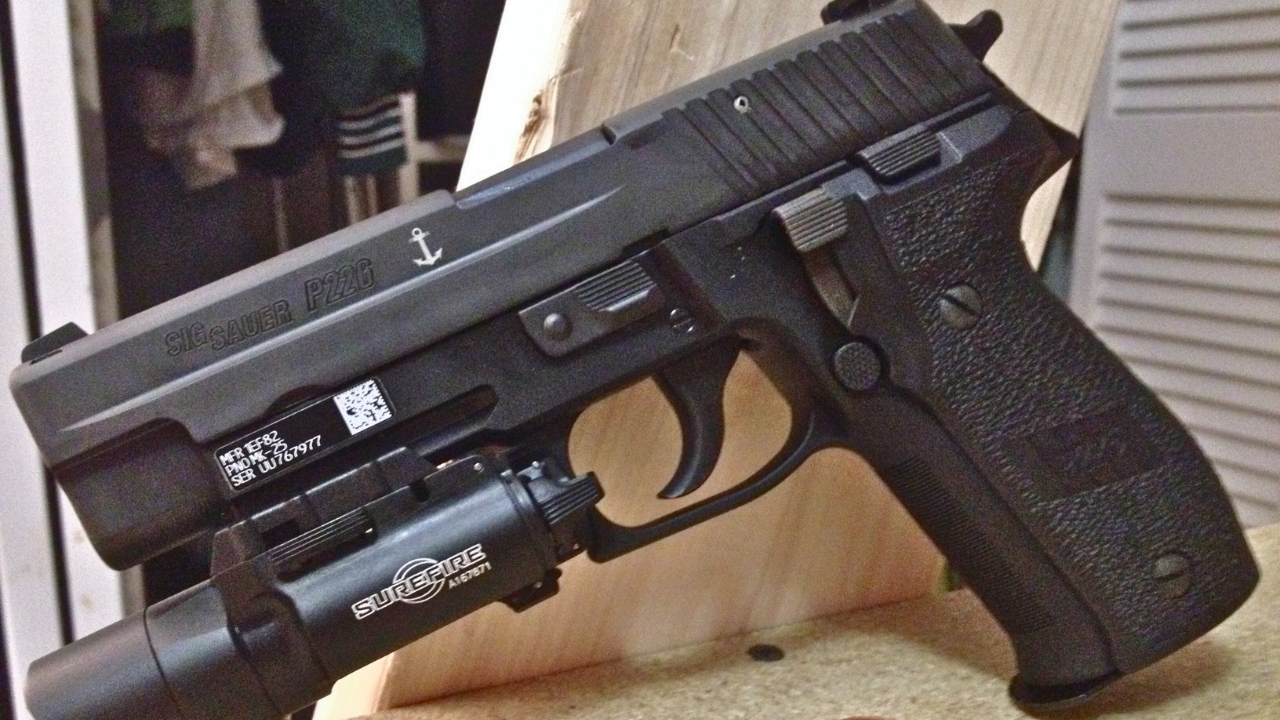
Like the Beretta, the P226 is accurate and smooth when you know it. For new shooters, the DA/SA transition is often the trap. The first pull is heavier and longer, the next pulls are lighter, and beginners struggle to keep the same sight picture through both. They’ll often throw the first shot and then start apologizing.
The P226 also encourages “trying too hard.” New shooters can get tense because the gun feels serious and the trigger feels different than what they expected. That tension creates low hits, jerky presses, and inconsistent follow-through. None of that means the shooter is hopeless. It means they’re learning on a platform that requires understanding of trigger management. Once you learn it, it’s rewarding. Before you learn it, it can make you think you can’t shoot as well as everyone else.
Ruger Mark III

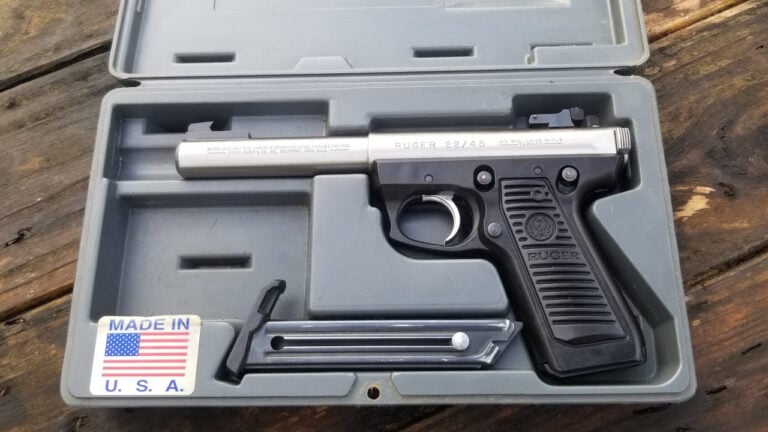
A .22 is supposed to be beginner-friendly, and the Ruger Mark series often is. But some Mark III pistols have heavier triggers and quirks that can confuse new shooters, especially if they’re fighting the controls or the feel. If the trigger is heavy, a beginner will move the sights during the press and assume they can’t hold steady.
The other issue is expectation. A new shooter picks up a .22 thinking it will feel effortless, then their group looks rough and they’re embarrassed. With a Mark pistol, the sights are usually good enough that misses feel personal. But it’s still a trigger-control game, and a heavy trigger turns that game into work. Once you learn it, a Mark pistol can teach excellent fundamentals. If the trigger is heavy and the shooter is new, it can feel like the gun is exposing them instead of teaching them.
Ruger SR22

The SR22 is comfortable and easy to handle, but rimfire reality can mess with new shooters. When a gun hiccups—failures to feed, failures to eject—a beginner often assumes they did something wrong. Sometimes they did. Often it’s ammo, magazines, or the normal quirks of .22 LR.
That uncertainty hits confidence hard. A new shooter wants clean feedback: press the trigger, bang, hit the target. When you get click-bang, stovepipes, or sluggish cycling, they start overthinking everything. The SR22 can run well, but rimfire pistols in general can introduce malfunctions that feel personal to a beginner. If you’re teaching someone, you can make it a lesson about ammo and mechanics. If you hand it to a new shooter without context, the first few malfunctions can convince them they’re “causing it,” even when they aren’t.
Taurus Judge

The Judge can be fun, but it’s a confidence killer for beginners because it’s misunderstood. New shooters often expect it to behave like a normal handgun, then discover that patterns and recoil don’t match what they imagined. Even with .410 defensive loads, patterns at realistic distances aren’t magic, and recoil can be unpleasant depending on the load and the gun.
Beginners also tend to shoot it with uncertainty, and uncertainty creates flinches. When shots miss or patterns are wider than expected, they assume they’re terrible. The truth is the platform is more niche than people admit. It can be useful in certain roles, but it’s not a beginner trainer. If someone starts on a Judge, they can leave believing handguns are inaccurate, recoil is scary, and shooting is confusing. That’s the gun talking, not the shooter.
S&W Bodyguard .380

The Bodyguard .380 is a legitimate carry gun, but it’s tough on beginners. The sights are small, the grip is short, and the recoil is snappy enough to disrupt confidence. New shooters struggle to get consistent hits because the gun is hard to hold the same way every time.
The trigger feel on many small .380s can also be a hurdle. If the trigger is long or heavy, beginners start “working” the gun instead of pressing smoothly. That adds wobble and makes hits scatter. Then they blame themselves. The Bodyguard can be a good tool when you already have fundamentals and you’re willing to accept the compromise of a tiny pistol. If you start on it, it can make you think you’re a bad shooter when you’re simply learning on a platform that amplifies mistakes.
Taurus PT111 G2

The PT111 G2 has been a popular budget choice, but trigger feel and overall consistency can vary enough that beginners get frustrated. If the trigger has a long take-up, a vague break, or a reset that feels different than expected, new shooters start searching for the “right” way to press it. That mental noise is deadly for fundamentals.
On top of that, many beginners buy budget pistols expecting them to shoot like the guns they see online. When their groups look rough, they assume they’re the problem. Sometimes they are. Sometimes the gun is simply harder to shoot well than a mid-size duty pistol with a cleaner trigger. A beginner needs clarity: predictable break, predictable reset, manageable recoil. When the gun feels inconsistent, the shooter feels inconsistent. That’s how a pistol makes a new shooter think they’re failing, even when they’re progressing normally.
Like The Avid Outdoorsman’s content? Be sure to follow us.
Here’s more from us: