Photo credit: Den4is/Shutterstock.com
One ragged-hole group can mess with your head. You do everything right, the rifle prints a cloverleaf, and you start thinking you’ve found “the load.” Then you shoot another group and it opens up like you switched rifles. That’s the kind of inconsistency that makes you chase your tail—new ammo, new torque values, new bags, new optics—when the real problem is usually something simple: heat, stock pressure, loose hardware, a wandering optic, or a rifle that’s sensitive to how it’s supported.
Some rifles are more prone to that “one great group” illusion than others. Light barrels warm fast. Flexible stocks change contact. Two-piece mounts shift. Cheap rings slip. And some designs are pickier about action screw torque and bedding than most shooters realize. If you’ve ever watched a rifle shoot a hero group and then refuse to repeat it, these are the types and models that commonly get blamed for that behavior.
Ruger American

The Ruger American can absolutely shoot, and that’s what makes the inconsistency so maddening. You’ll print one tight group and feel like you’ve cracked the code. Then the next group walks or opens up, especially if you’re shooting faster than a hunting pace. The thin sporter barrel warms quickly, and heat alone can change how it behaves.
The other common culprit is stock contact. Some rifles aren’t perfectly free-floated, and even light pressure in the barrel channel can show up as your groups change from one string to the next. Add in action screw torque that isn’t consistent, and you can get the classic pattern: one group that looks like a custom rifle, then two groups that look average. Slow down, let it cool, and check the simple stuff first—because the rifle often isn’t “bad,” it’s just sensitive.
Savage Axis II

The Axis II loves to tease you. A lot of them will stack a cold three-shot group tightly, then spread the next group when the barrel warms and the stock starts doing what flexible stocks do. The factory stock can flex under different rest pressure, and that can change how the barrel sits in the channel without you even noticing.
New shooters especially get trapped here because they’re changing their support pressure each group as they “try harder.” The rifle rewards one grip and punishes another. If your first group is tight and the next one isn’t, it doesn’t mean you forgot how to shoot. It often means the system is moving around slightly—barrel heat, stock flex, inconsistent action screw tension, or even a scope that’s not as secure as you think. The Axis can be good, but it demands consistency in setup.
Remington 700 ADL package rifles
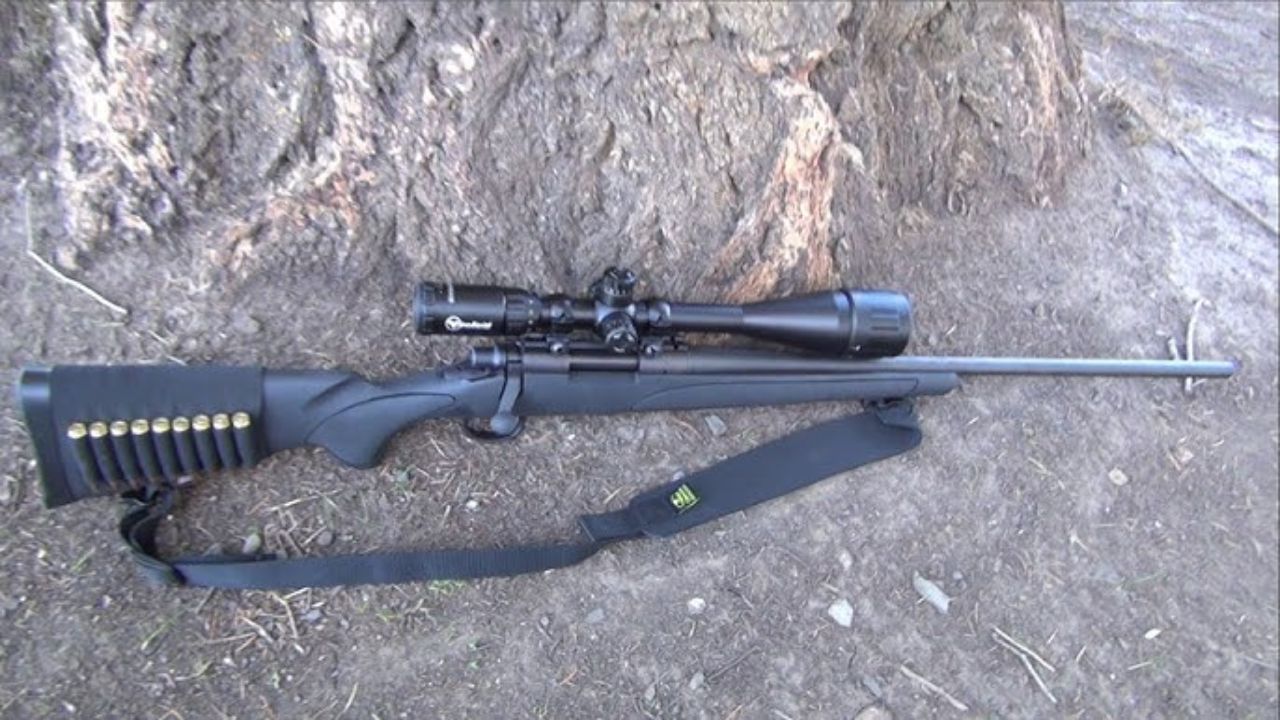
A 700 can be a hammer, but the ADL-style package setup can create the “one great group” trap. The factory stock is often the weak link. If the barrel channel has a pressure point, the rifle may shoot one tight group when everything is cold and settled, then shift as the barrel warms or the stock flex changes.
The other classic issue is the optics package itself. Cheap rings, soft screws, and entry-level scopes can hold zero “enough” for a few shots and still slip under recoil over time. That creates the illusion that the rifle is inconsistent when the optic system is actually moving. You’ll chase loads and torque values while the scope is quietly walking. A 700 deserves solid mounts and a stock that doesn’t touch the barrel. Without that, you can get a hero group followed by mystery groups all day.
Mossberg Patriot (package rifle setups)

The Patriot can shoot well enough to impress you once, then frustrate you when it won’t repeat. A lot of that comes down to how these rifles are commonly sold: as packages. When the scope and rings are entry-level, you can end up with subtle shifts that show up as “my groups won’t repeat” instead of “my optic is moving.”
The stock and barrel contour also play a role. Lightweight sporter barrels heat quickly, and the factory stock can be sensitive to how you rest it. You’ll see a tight group when you happen to support it the same way and the barrel is cool. Then you shift your bag position or grip pressure slightly and the next group opens up. The rifle isn’t always at fault, but the whole setup is often less forgiving. If you want repeatable groups, you have to remove variables, and package rifles come with extra variables.
Thompson/Center Compass

The Compass has earned a reputation as a budget rifle that can shoot. That’s true, and it’s also why it drives some owners crazy. It’s the kind of rifle that will occasionally print a group that makes you think you’re done searching. Then it opens up the next time you shoot, and you start wondering if the first group was a fluke.
A lot of the inconsistency comes from the same culprits: barrel heat, stock contact, and action screw tension. Budget rifles can be more sensitive to torque, and if your screws aren’t consistent, the bedding relationship changes. That can turn your “load development” into a guessing game. The Compass can be perfectly fine for hunting—cold-bore consistency matters more than five-shot strings. But if you’re chasing tiny groups, you need to treat it like a system and lock down the basics, or it’ll keep giving you one good group and three confusing ones.
Ruger M77 Hawkeye (light sporter barrels)
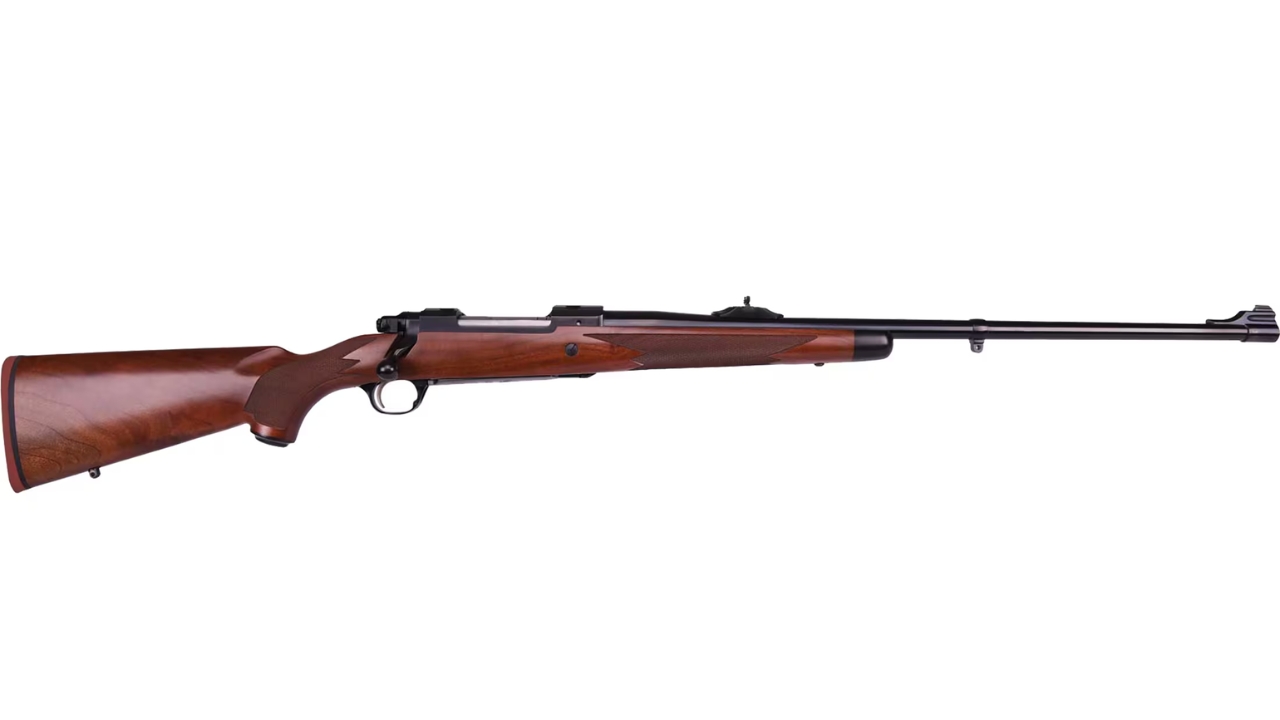
The Hawkeye is a legitimate hunting rifle, but the light sporter versions can show the classic pattern: a tight group early, then a different point of impact or a wider group once things warm. It’s not always dramatic, but it’s enough to make you feel like you can’t repeat success.
A big factor is how the rifle is supported. If you rest the fore-end differently between groups, you can change pressure on the stock and barrel interface. Heat makes that more obvious as the barrel expands and harmonics change. Another factor is action screw torque—Hawkeyes can respond to small changes there. If you’ve ever watched one shoot a beautiful group and then refuse to do it again, it’s often because something changed that you didn’t notice: rest location, sling tension, barrel temperature, or tiny contact in the barrel channel.
Tikka T3x Lite
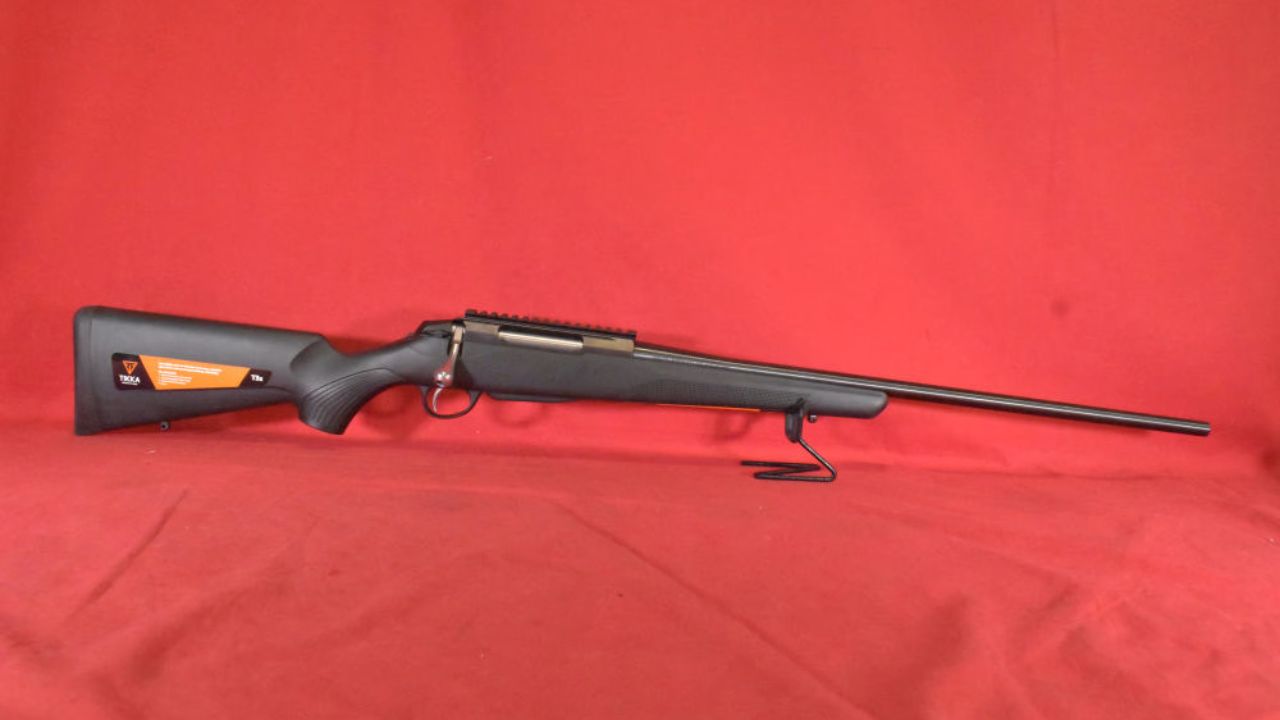
The T3x Lite will often give you a great first group, and that’s the trap. It’s a lightweight rifle with a thin barrel that heats quickly. Your first three shots might stack, then the next group starts wandering because you’re shooting faster than the rifle’s design likes.
New owners often assume the rifle “should” hold tight groups through long strings because Tikkas have a strong accuracy reputation. They do—within the context of a hunting rifle. The Lite is built to carry, not to shoot ten rounds in a row off a bench. If you don’t manage heat and you don’t keep your support consistent, you’ll see groups that look like two different rifles. Slow down, let the barrel cool, and keep your rest position identical. When you do, the Lite usually stops playing mind games and starts looking repeatable again.
Winchester Model 70 Featherweight

The Featherweight’s charm is that it’s light and lively in the hands. That same light barrel contour is why it can shoot one outstanding group and then not repeat it when you run multiple strings. Heat changes the harmonics quickly, and many featherweight rifles are more sensitive to stock pressure than heavier guns.
The other issue is that a Featherweight often gets shot in a way that amplifies variables. People rest them differently, grip them differently, and pull them into the shoulder differently because the rifle feels “classic” and light. Those changes matter more on a thin barrel and a hunting stock. So you get one group that looks like a tack driver, then the next group that strings or shifts. The rifle can still be a great hunting tool, but it rewards a patient pace and consistent support more than most shooters expect.
Ruger Gunsite Scout Rifle
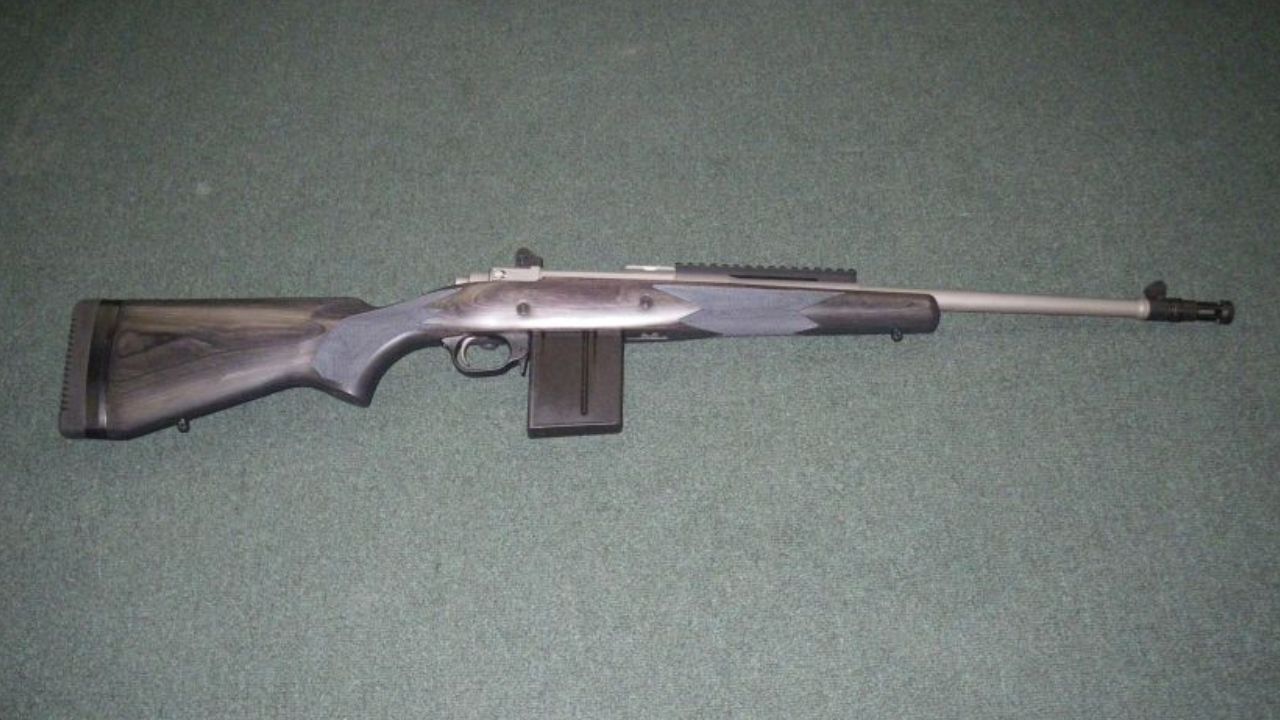
Scout rifles invite you to shoot fast. That’s part of the appeal. The Gunsite Scout has a handy barrel length and a practical setup, and it can shoot a great group early. Then you keep going, the barrel heats, and your groups start changing shape and location.
Support sensitivity also bites people here. Scouts often get shot off bags, off bipods, and off improvised rests, and the fore-end pressure changes with each method. If you rest it on a different point of the stock or load into the bipod differently, you can get a totally different group. That creates the “one great group” phenomenon: the first group was the one where everything lined up. The next groups reflect the reality that compact rifles with lighter barrels and practical stocks demand consistency if you want repeatable bench groups.
Marlin 336

Lever guns can absolutely shoot well enough for deer woods, but a Marlin 336 is famous for giving you one tight group and then widening out as you shoot more. Thin barrels, barrel bands, and fore-end contact all influence harmonics. As the rifle warms, those influences can change slightly and show up on paper.
The 336 is also very sensitive to how you rest it. If you rest the barrel or the magazine tube on a bag, you’re changing the way the rifle vibrates. Even resting the fore-end in a slightly different spot can shift impact. A shooter will get one group where they happened to rest it “right,” then chase that group for the next hour and blame the rifle. The truth is you’re dealing with a platform that’s built for field use, not benchrest repeatability.
Winchester Model 94

The Model 94 is another lever gun that can trick you. You’ll get a nice group—maybe even surprisingly nice—then it won’t repeat. Between the barrel profile, the fore-end fit, and how these rifles are often held and rested, consistency is harder than people think.
A big part of the problem is that shooters treat the 94 like a bolt gun on the bench. They rest it wherever it feels stable, and that’s usually the wrong approach for repeatable groups. Small changes in rest position and grip pressure can change impact. Heat can add to it, but the bigger factor is support. If you want to see a 94 shoot its best, you have to shoot it the same way every time, at a realistic pace. Otherwise you’ll get that one hero group and spend the next five groups trying to recreate it.
SKS
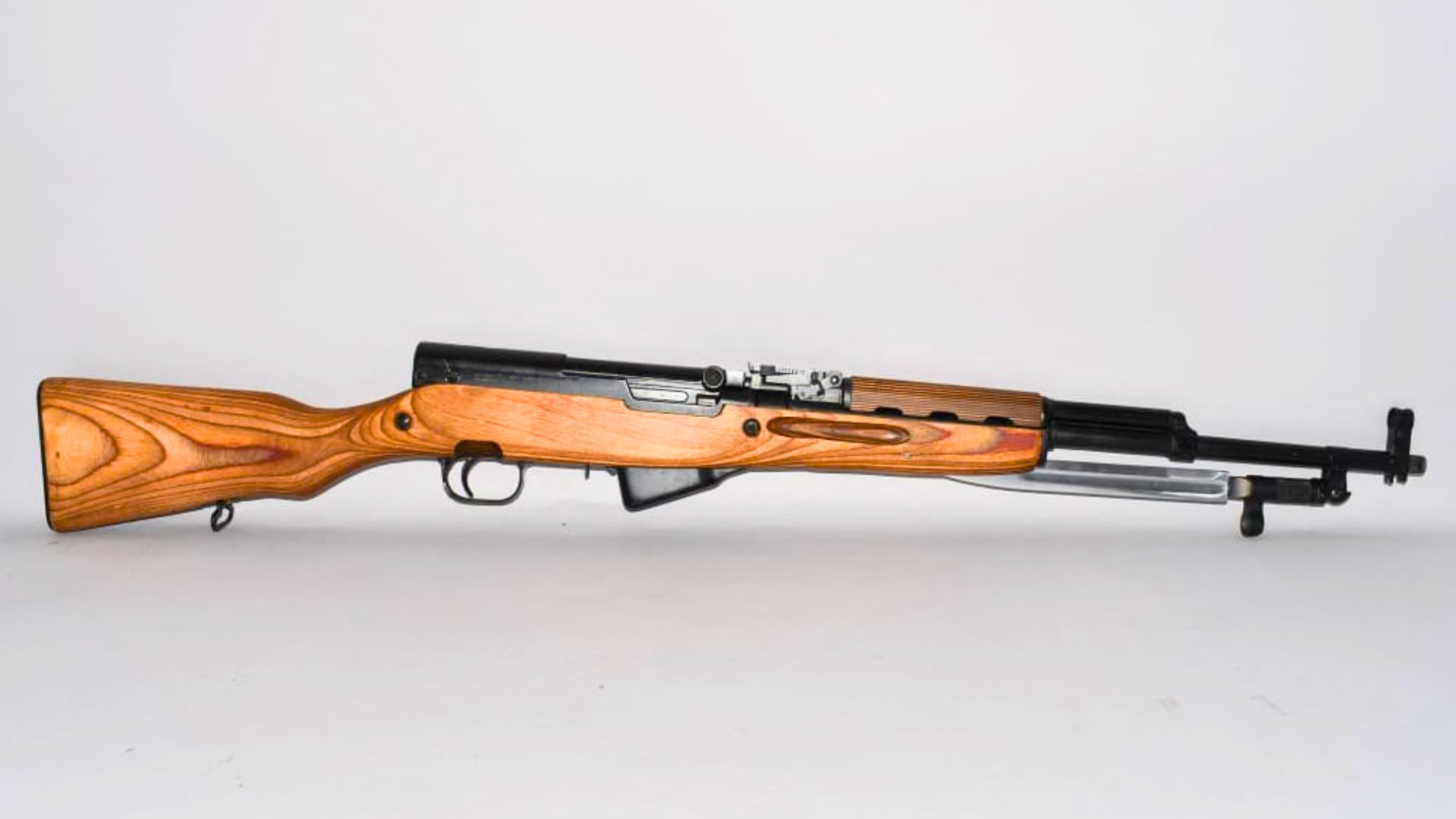
The SKS can give you a “wow” group early, especially if the bore is good and you’re using decent ammo. Then it starts spreading, and you assume the rifle is inconsistent. Often, it’s heat and ammo variation working together. The thin barrel heats quickly, and surplus or mixed ammo can add enough velocity spread to change impact from group to group.
Support and sight picture matter too. Many SKS rifles wear irons that aren’t as precise as modern sights, and the sight picture can change slightly as your eyes fatigue. That creates the illusion that the rifle “won’t repeat” when you’re actually seeing normal shooter variation magnified by a military carbine setup. The SKS was built to be durable, not to print the same group over and over on demand. It can still be surprisingly good, but it’s rarely consistent across long bench sessions.
WASR-10

The WASR-10 is a workhorse AK, and like many AKs it can produce a respectable group, then not repeat it once you keep shooting. Heat is a big part of it. Thin barrels warm quickly, and as the system heats, groups open and sometimes shift.
The other factor is how AKs are often supported. Resting on the handguard, changing how you grip it, and shooting different ammo types can all change what the rifle prints. The WASR also lives in a world of wide variation in ammo quality, which shows up on paper fast. You’ll get one group where everything aligns—steady hold, decent ammo lot, cool barrel—then the next group looks like you switched guns. It’s not always the rifle’s fault. It’s the reality of a thin-barreled fighting rifle being used like a bench gun.
DPMS Oracle

An entry-level AR can shoot a tight group and then refuse to repeat it if something in the setup is marginal. The most common culprit is the optic mounting system. If rings aren’t torqued correctly or the mount isn’t solid, it might hold for a short string and then shift slightly. That kind of shift feels like “random groups” because it’s small but real.
The second culprit is barrel profile and heat. Lightweight AR barrels can print great three-shot groups when cool, then open up as they warm. Add in non-free-float handguards or inconsistent rest pressure, and you’re stacking variables. The AR is modular, which makes it easy to swap parts instead of diagnosing fundamentals. If you get one hero group and then nothing repeats, don’t immediately blame the barrel. Check mounts, check torque, check handguard contact, and slow down your cadence. Most “mystery” groups have a boring explanation.
Ruger 10/22

A 10/22 can absolutely shoot, but the basic carbine setup can give you the “one good group” phenomenon if the system isn’t consistent. Rimfire ammo varies more than centerfire, and that alone can turn one group into a cloverleaf and the next into a scatter. New shooters often think the rifle is broken when they’re really seeing normal rimfire variation.
The other issue is how many 10/22s wear budget optics and mounts. A cheap rimfire scope or soft rings can shift enough to make groups look inconsistent. The barrel band on some models can also introduce pressure that changes as the barrel warms or as the stock moves slightly. A 10/22 is a great platform, but a basic one is also a platform that invites accessories. If you want repeatable groups, you need consistent ammo, a stable optic setup, and a stock/barrel relationship that isn’t changing between strings.
Remington 770
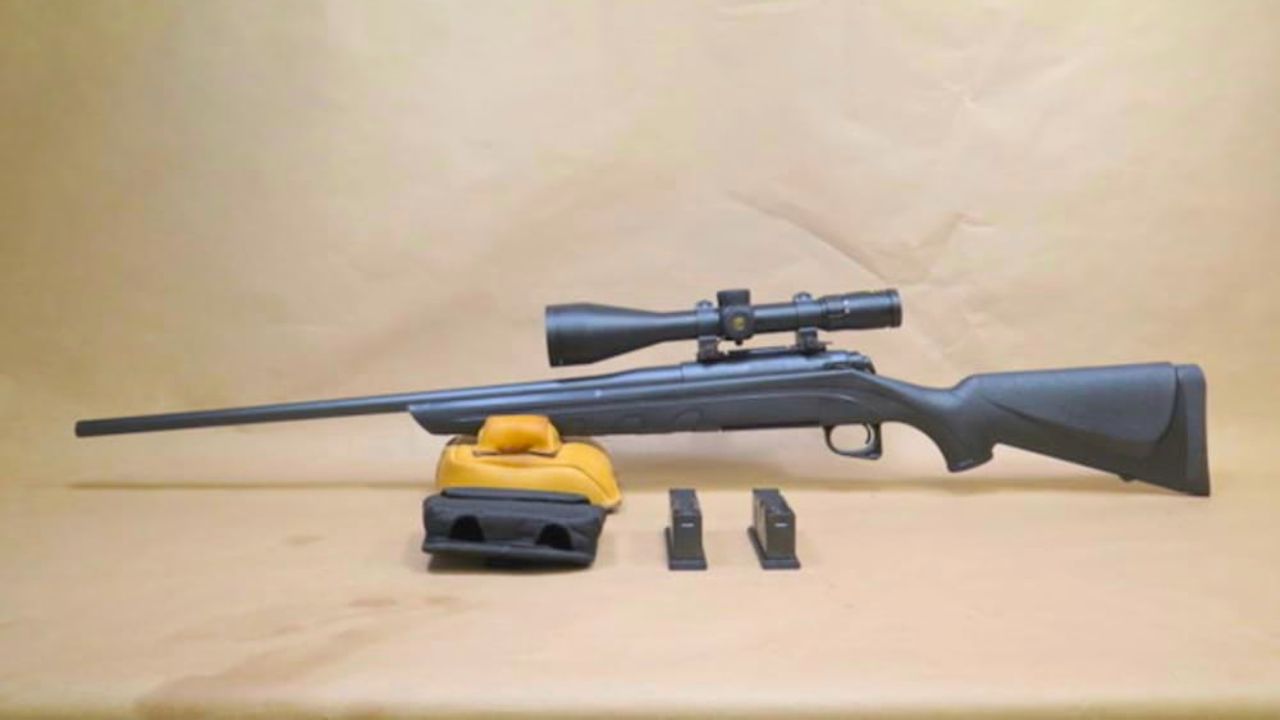
The 770 is famous for being able to surprise you once and then frustrate you. You’ll get a group that makes you think you got a “good one,” then it refuses to repeat. In many cases, the inconsistency comes from a combination of stock quality, mounting hardware, and barrel behavior under heat.
Package setups add to the confusion because the optic system can be the weak link. A shooter will chase loads and blame themselves, when the scope or rings are shifting slightly or the rifle is sensitive to rest pressure. The 770 also tends to feel less consistent across different shooting positions, which makes bench groups hard to repeat if your technique changes even a little. If you own one, you can still make it work for hunting. But if your goal is repeatable bench groups, it’s not the platform that makes that easy.
Like The Avid Outdoorsman’s content? Subscribe to our newsletter so you never miss an article.
Here’s more from us: