Photo credit: somsak suwanput/Shutterstock.com
Inside 7–15 yards, a lot of pistols look the same. Past 25, they stop pretending. That’s where you learn about real mechanical accuracy, sight regulation, trigger quality, and whether the gun is actually consistent shot to shot. It’s also where small guns get brutally honest about grip and sight picture. A pistol that feels “dead on” up close can start printing odd patterns at 25–50 that make you question everything. Sometimes it’s the gun. Sometimes it’s the sights. Sometimes it’s the ammo. Either way, longer distance is where the truth shows up.
Ruger LCP (original)
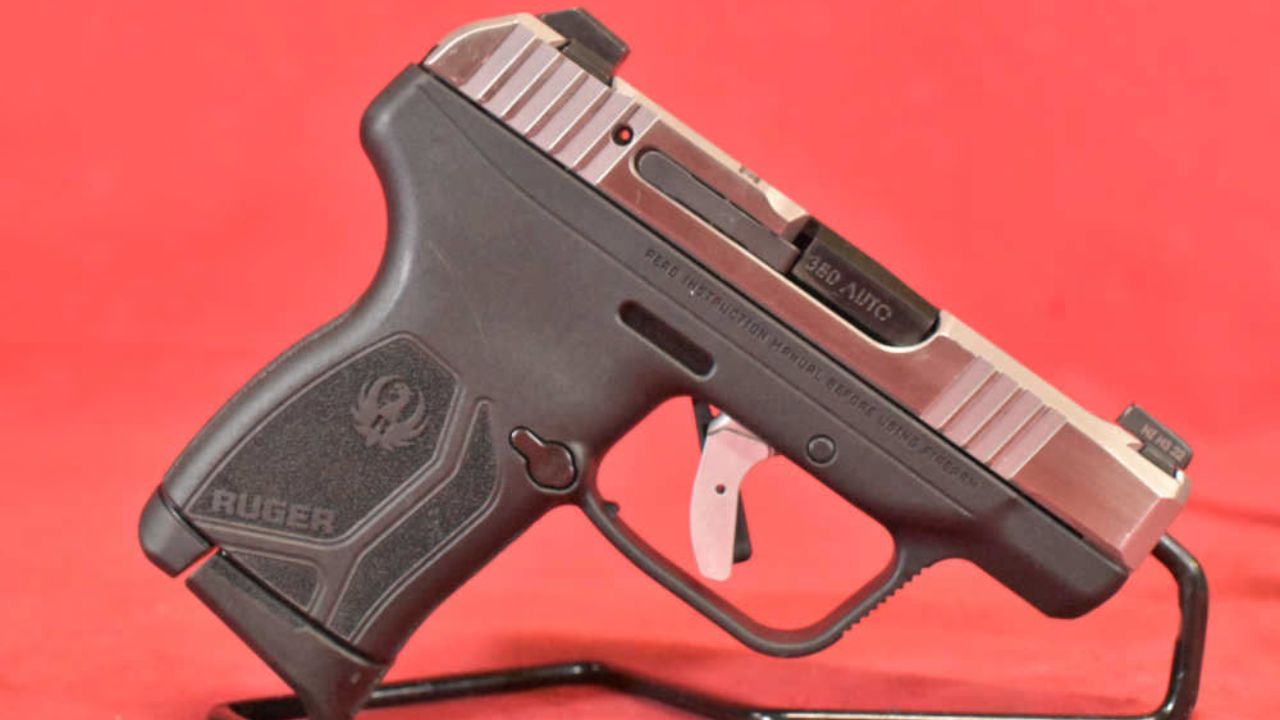
The original LCP surprises people at 25 yards because the sights are tiny, the sight radius is short, and the trigger press is long enough to let the gun wander. At 7 yards, you can keep it in a reasonable zone. At 25, that same press and that same micro sight picture starts turning into low hits, wide hits, and inconsistent groups. People assume it’s “inaccurate,” but it’s usually a combination of sighting system and trigger feel. The gun was built to be carried, not shot like a training pistol. If you try to run it at 25, you’ll learn quickly that you’re doing precision work with a platform designed for close-range problems. That’s not a sin. It’s just a surprise the first time you stretch it out.
S&W Bodyguard .380

The Bodyguard can be a shock past 25 because it tends to feel manageable up close, then it starts printing inconsistently when you demand precision. The long trigger and the small grip make it hard to press without moving the gun, and the sights aren’t exactly built for crisp alignment at distance. Some examples also have sights that aren’t regulated the way shooters expect, so you end up chasing point of impact with holdovers that feel weird. At 25 yards, those small errors stack fast. The gun might still “hit,” but the groups often look uglier than people expect, and that’s where they start losing confidence. It’s a pocket gun, and pocket guns usually make you pay at distance. The Bodyguard just makes that lesson extra obvious.
Kel-Tec P-32

The P-32 is light, tiny, and easy to carry, and it can be surprisingly pleasant at close range. Past 25, the sights and the small grip become a precision handicap. You’re trying to align minimal sights on a gun that doesn’t give you much leverage, and any slight movement shows up as bigger misses. A lot of shooters also find the trigger press encourages a “drag and hope” approach when they’re trying to be careful, which makes groups look worse than they should. The surprise is how fast the gun stops feeling confident once you stretch it. It’s not that the barrel is incapable—it’s that the interface between shooter and gun isn’t built for long-range precision. If you want 25-yard confidence, you generally pick a bigger platform.
Glock 42

The Glock 42 can be accurate, but it can still surprise people at 25 because the grip is small and the gun’s lightness makes it easy to disturb during the press. Up close, it feels soft and controllable. Past 25, tiny misalignments and minor trigger errors turn into inches fast. Another surprise is that some shooters don’t realize how much they rely on sight radius until they lose it. The 42’s shorter sight radius makes precise alignment harder, and if your eyes aren’t perfect, it’s even more noticeable. A lot of people assume “Glock equals easy,” and it is—within its intended range. Stretch it, and you find out you still have to do your part. The 42 just makes the “do your part” requirement louder.
Springfield Hellcat

The Hellcat is very capable for a micro, but at 25 yards it can still surprise shooters who haven’t trained distance with it. The gun is snappy, the sight radius is short, and the grip gives you less leverage for a perfectly stable press. At closer distances, you can get away with a little wobble. At 25, that wobble and that short sight picture turn into groups that look worse than people expect from a “modern” pistol. Some shooters also discover their grip pressure changes as they try to be more careful, and that changes where the gun prints. The Hellcat isn’t necessarily inaccurate—it’s just less forgiving. Distance shooting with micros is a skill, not a default. If you don’t practice it, the target will embarrass you.
SIG P365

The P365 is accurate enough to do real work at 25, but it surprises people because it reveals inconsistencies in grip and trigger control faster than a compact. At 10 yards it feels like a dream. At 25, the short grip and short sight radius show you every little mistake. People blame the gun because “it’s a SIG,” but the real issue is usually that the shooter’s press isn’t as clean as they think and the gun isn’t heavy enough to mask it. Another surprise is point-of-impact expectations—some folks find their chosen ammo prints differently than they assumed, and at 25 that difference looks bigger. The P365 is capable. It just doesn’t hide sloppiness. If you want distance confidence with it, you earn it with reps, not brand name.
Taurus Judge (with .410 especially)

The Judge is the king of “surprise past 25,” because people buy it with expectations that don’t match reality. With .410 loads, patterns can be inconsistent and the point of impact can feel like it’s doing its own thing, especially as distance increases. Even with .45 Colt, you’re dealing with a platform that isn’t optimized for precision the way a dedicated .45 Colt revolver would be. Past 25, you can absolutely hit, but many shooters are surprised by how much work it takes to get consistent groups and how sensitive it is to ammo choice. The Judge is a niche tool with niche strengths. If you try to treat it like a distance pistol, it will remind you quickly what it actually was designed to do.
Ruger SR9c

The SR9c can shoot fine, but some shooters are surprised at 25 because of trigger feel and how the gun’s ergonomics interact with their hands. Up close, it points nicely and feels easy. At 25, that same feel can translate into slightly inconsistent trigger presses if the break and reset aren’t giving the shooter strong feedback. You also see people discover their sights aren’t regulated the way they assumed. If the pistol is shooting a bit off and you’re not used to confirming at distance, you’ll think the gun is inaccurate. Often it’s just sight regulation plus shooter mechanics. The SR9c isn’t famous for being a bullseye gun. It’s a carry-friendly compact, and it shows that at longer range unless you’re disciplined with your fundamentals.
Compact 1911s (Officer/3-inch class)

Short 1911s can shoot very well, but they can also surprise people past 25 because they’re less forgiving of ammo, springs, and shooter control. The shorter sight radius alone makes small alignment errors bigger. Add in the fact that some compacts have more abrupt recoil behavior, and your follow-through matters more than you expect. At close range, you can feel like a hero because the trigger is good. Past 25, you find out whether the gun is truly consistent and whether your grip and trigger press are truly consistent. Some compact 1911s group great. Some throw weird flyers because of timing and spring condition. That unpredictability is what surprises people. They expect “1911 accuracy,” but they bought a smaller, tighter-margin version of the platform.
Beretta Tomcat (.32 ACP)
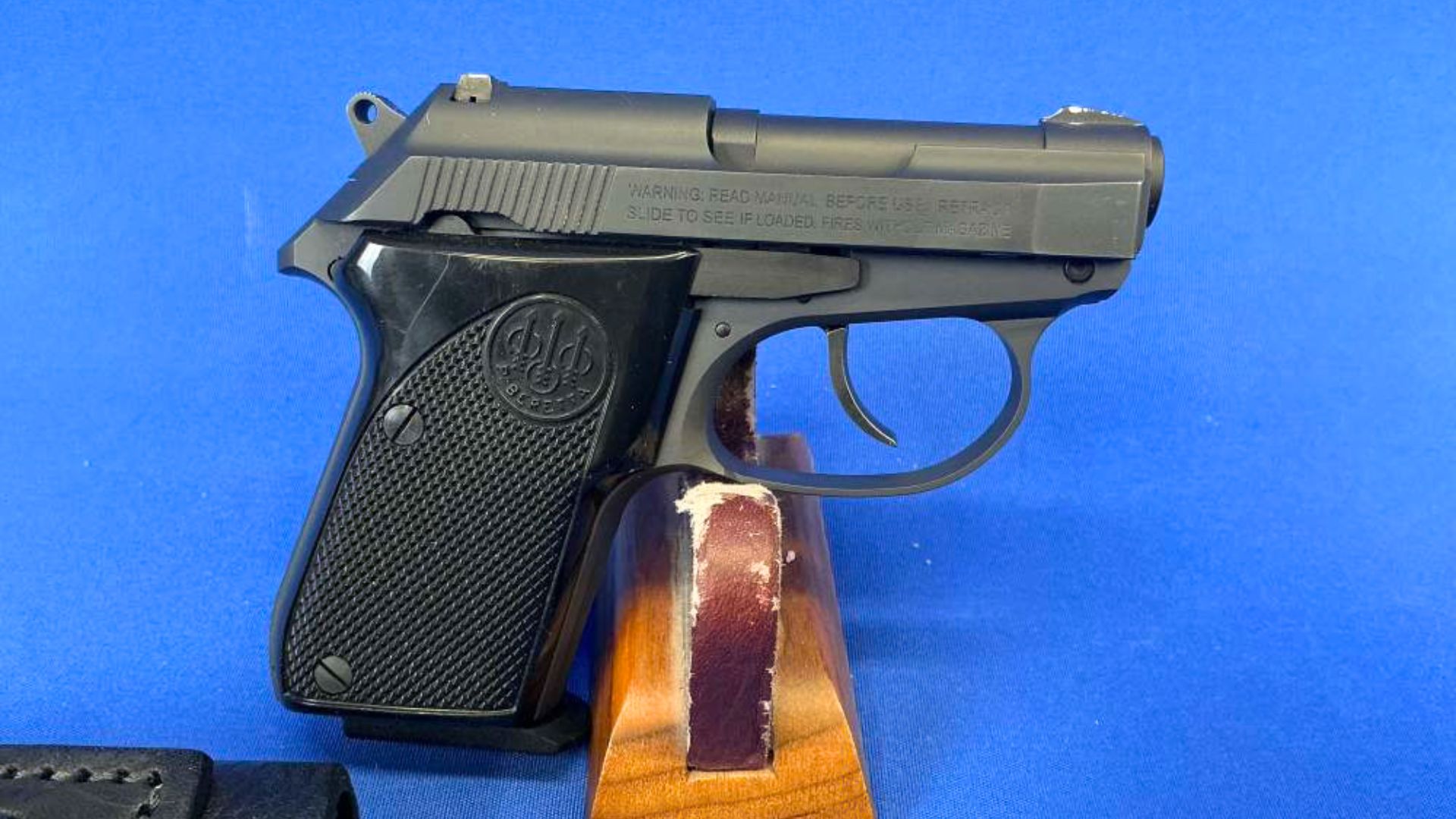
The Tomcat is handy and soft to shoot, but past 25 yards it can surprise people because the sights and sight radius don’t support precision. The barrel system and small platform also mean ammo choice can change point of impact more than folks expect. At closer distances, it feels accurate “enough.” Stretch it, and you can see wandering groups that make it feel like the gun is inconsistent. Some of that is the platform, and some of it is shooter interface—tiny grips and tiny sights make it hard to do repeatable work. If you’re trying to shoot a Tomcat like a training pistol at 25, the surprise is mostly you discovering you’re trying to do a precision task with a deep-carry tool.
Ruger SP101 with heavy DA trigger (untrained shooters)

The SP101 is mechanically capable, but it surprises people at 25 when they try to shoot double-action without DA reps. Up close, you can muscle through and still hit. At 25, the heavy DA press will drag the sights all over the place if your technique isn’t solid. Shooters walk away thinking the revolver “doesn’t shoot straight,” when the truth is their trigger control isn’t built for that DA stroke yet. In single-action, it often looks way better, which proves the gun can shoot. The surprise is that distance demands discipline, and the SP101’s DA trigger makes that demand obvious. If you want 25-yard DA performance, you build it through dry fire and steady reps.
Ruger Mark IV (bulk ammo reality check at distance)

The Mark IV can be extremely accurate, but it can also surprise people in a bad way past 25 when they shoot bulk ammo and expect match-like results. At 10–15 yards, bulk .22 looks great. At 25–50, ammo inconsistency shows up as vertical stringing, weird flyers, and groups that don’t match what the pistol is capable of. Shooters blame the gun, then they switch to quality ammo and suddenly it tightens up. That’s the surprise: rimfire is brutally honest about ammunition, and distance amplifies it. The Mark IV is often more accurate than the shooter and the ammo. If you want it to shine, you need consistent ammo and a clean gun, because rimfire fouling and weak rounds will show up fast once you stretch it.
Cheap compact pistols with sloppy sights (budget “combat” sights)

This is a category, but it’s real: some budget compacts have sights that are fine up close and a mess at distance—either the notch is too wide, the front is too thick, or the sights aren’t regulated cleanly. At 7–10 yards, you don’t notice. Past 25, that sloppy sight picture turns into “I can’t call my shots,” and now you’re guessing instead of shooting. Even if the barrel is decent, the sight system makes precision harder than it should be. That’s why a lot of shooters upgrade sights on carry guns: not because they need glowing dots, but because they need a clean, repeatable sight picture. Distance shooting will expose bad sights faster than anything else.
Pistols with very short sight radius + heavy triggers (combo problem)

Again, a category, but it’s one of the most common “bad surprises.” A short sight radius means small alignment errors become inches at 25. A heavy or long trigger means you have more time to introduce those alignment errors during the press. Put those together and a pistol that feels “fine” close suddenly feels like it’s throwing patterns at distance. This is where a lot of micro carry guns live, and it’s why so many people avoid practicing at 25 with their carry pistol. They don’t want to see the truth. The truth is you can get good at it, but the gun’s design stacks difficulty on you. If you want to remove the surprise, you either train more or carry a platform that gives you a longer grip, a longer sight radius, and a cleaner trigger.
.40 subcompacts (snappy recoil hurts follow-through at distance)

Subcompact .40 pistols surprise people past 25 because recoil and follow-through matter more as distance increases. Up close, you can get away with a lot. At 25, the gun’s movement during the press and during recoil recovery shows in your group shape. Many shooters develop a subtle flinch or a subtle anticipation that doesn’t show up at 7 yards but absolutely shows up at 25. They blame the gun because the hits look scattered. Often it’s the shooter reacting to the sharper impulse. If you want distance performance, a compact 9 is usually easier for most people to run cleanly. The .40 can still work, but it demands more control, and distance is where that demand becomes obvious.
Like The Avid Outdoorsman’s content? Subscribe to our newsletter so you never miss an article.
Here’s more from us: