Photo credit: Savage Arms
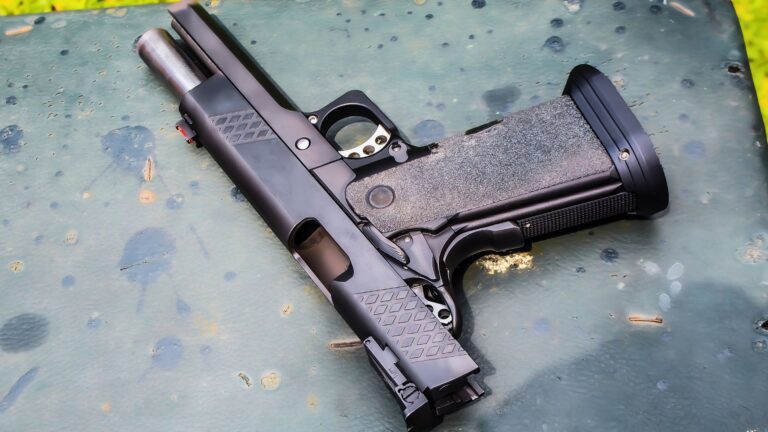
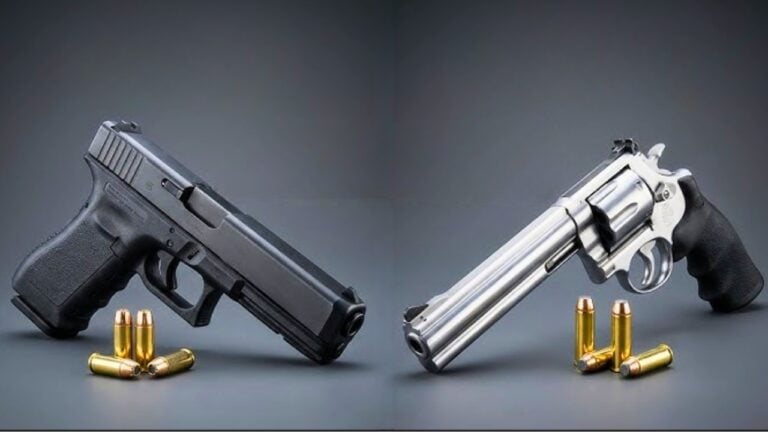
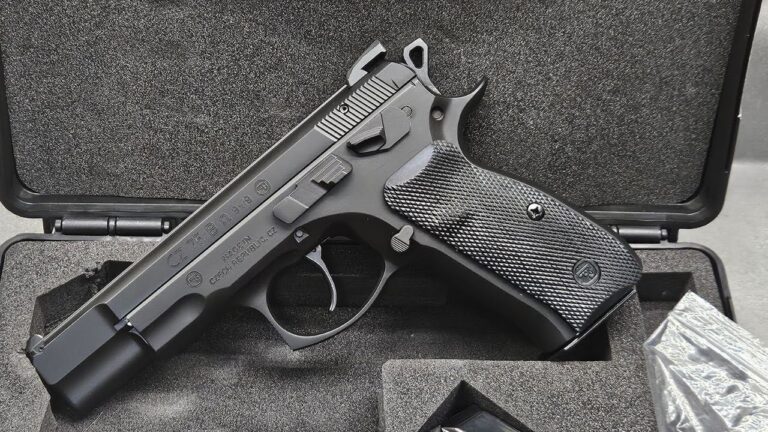
Polymer pistols might rule the civilian market, but plenty of agencies still lean on all-metal carry guns. And it’s not just about tradition. Steel and alloy frames offer real benefits when lives are on the line. They handle better under stress, absorb recoil differently, and tend to last longer under heavy use. When a duty weapon needs to feel dependable every time it’s drawn, some agencies are still picking metal over plastic. Here’s why that decision still makes sense.
Better Weight Distribution in High-Stress Scenarios

Metal pistols balance differently in the hand. That added weight out front helps you stay on target when adrenaline’s dumping and your grip isn’t perfect. Agencies trust that steadier feel when training officers for real-world use. It’s not just about felt recoil—it’s about how the gun tracks and returns to point. A steel or alloy frame can provide more consistent results when split seconds matter and your fundamentals aren’t perfect under pressure.
Recoil Control Makes Follow-Up Shots Smoother

The added mass of a metal pistol helps manage recoil better than most polymer guns. For defensive shooting, that matters. Agencies don’t want their officers fighting to get sights back on target after every shot. Whether it’s 9mm or .45 ACP, a metal frame soaks up more of the snap. That translates to faster follow-ups and tighter shot groups when rounds need to be accurate—not just loud. It’s a mechanical advantage that shows up on the range and in the field.
Durability That Holds Up to Thousands of Rounds

All-metal pistols are known for longevity. Many agency sidearms get run hard—range sessions, qualifications, and sometimes daily carry. Steel and alloy frames don’t fatigue as fast, and they don’t show wear the same way plastic does. That’s part of why you still see older models like the Beretta 92FS or Sig P226 in service. Agencies need sidearms that stay reliable after years of use and abuse. Metal’s proven it can take the mileage without becoming sloppy.
Less Flex in the Frame Means Tighter Tolerances

Metal frames don’t flex under pressure like polymer ones can. That matters when you’re talking about slide-to-frame fit, timing, and reliability. Agencies running full-metal pistols know they’re working with platforms that stay consistent, even under hard cycling and repeated draws. It’s not a knock on polymer—it’s just that steel and alloy build tighter and wear slower. That kind of consistency builds trust over time, especially in high-volume departments.
Weight Adds Stability Without Losing Control

You might think extra weight would be a downside for carry, but it’s not always that simple. Agencies with more experienced shooters often find that the added heft of a metal gun gives better stability in the holster and while shooting. You feel less muzzle rise, and you don’t have to fight as much to keep the sights level. For everyday carry, it’s a tradeoff some agencies are still willing to make—and for good reason.
Proven Performance in the Real World

All-metal pistols have decades of hard use behind them. From military contracts to highway patrol departments, these guns earned their place through reliability under fire. The performance record isn’t theoretical—it’s backed by actual incidents and outcomes. Agencies that still carry metal sidearms aren’t guessing; they’re leaning on a long track record of solid performance. For some roles, that history still means more than the latest trend.
Better Heat Resistance for Prolonged Training

Polymer can soften under sustained heat. Most people won’t notice that on the range, but departments with long training days might. Metal frames disperse heat more evenly and don’t warp or swell. When you’re running multiple qualifications or shooting in high summer temperatures, a metal pistol holds its form better. It’s another reason some agencies haven’t switched over, especially in hotter climates where high round counts and sun exposure are the norm.
Metal Triggers Feel More Consistent Over Time

Agencies that value trigger control often prefer metal-framed pistols for a reason—the trigger feel stays consistent. Plastic frames can flex slightly during the press, especially with duty-length pulls. That small movement adds up when you’re trying to train muscle memory across hundreds of shooters. Metal builds keep the trigger path stable and repeatable. It’s easier to train accurately when the mechanical input doesn’t shift between shots.
More Forgiving of Rough Handling
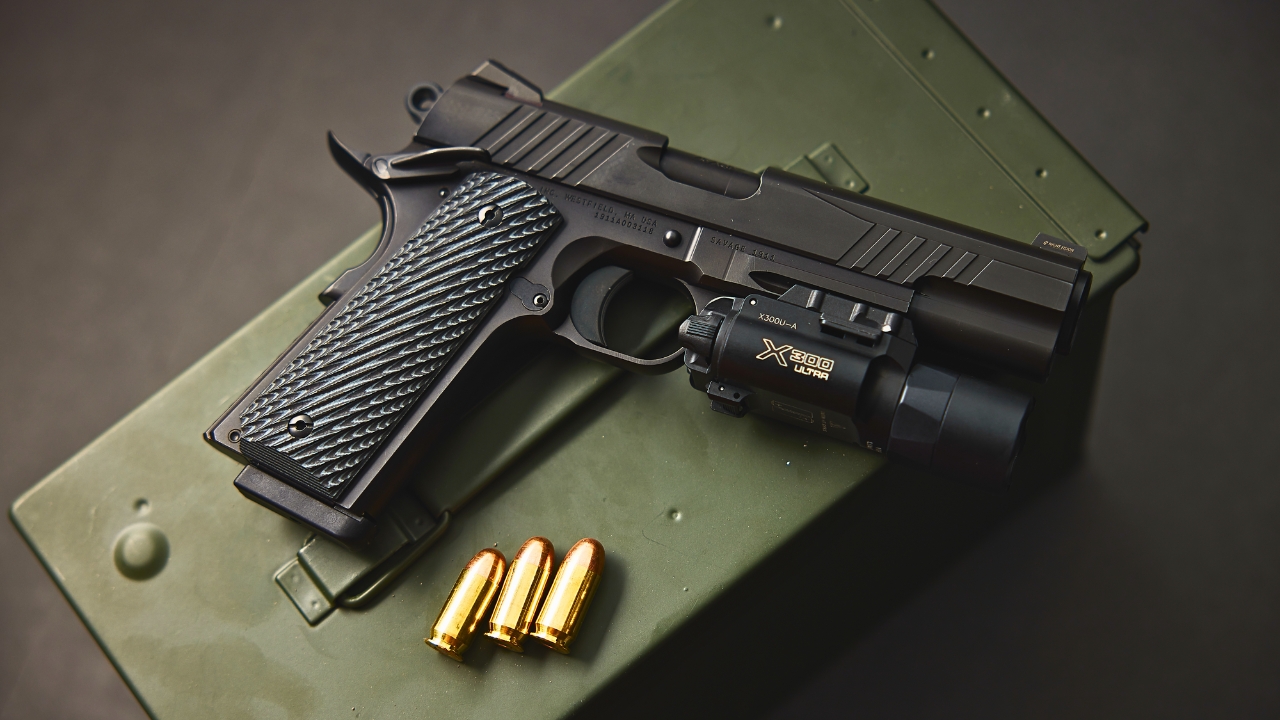
Let’s be honest—duty guns get beat up. They’re dropped, scraped, banged against car seats, and holstered a hundred times a day. Metal pistols tend to take that kind of abuse better. Polymer frames can crack or deform under extreme impact, but metal shows wear without losing function. Agencies that expect hard use want gear that doesn’t break down when it’s mistreated. Metal pistols have a reputation for surviving what would sideline lighter builds.
Trusted by Trainers and Armorers Alike

Trainers know what to expect with all-metal pistols. They’ve seen how students shoot with them and where common issues pop up. Armorers like them too—they’re usually easier to maintain, and parts don’t wear down as quickly. A department armorer can keep a metal gun in rotation longer without needing full rebuilds. That trust between the range and the armory helps explain why these pistols stick around even when newer options are available.
*This article was developed with AI-powered tools and has been carefully reviewed by our editors.