Photo credit: Noah Wulf – CC BY-SA 4.0/Wiki Commons
There’s nothing worse than a handgun that starts out grouping well and then falls apart halfway through a range session. You start off stacking shots, everything feels solid, and then—by the 50-round mark—the groups spread, the sights drift, or the barrel feels like it’s vibrating loose. Some of that’s shooter fatigue, sure, but with certain pistols, the problem is mechanical. Poor tolerances, weak slide-to-frame fit, or cheap barrels show their flaws once things heat up. When metal expands, sloppy machining or soft parts start shifting.
A good pistol should tighten up as it breaks in, not the other way around. But plenty of modern handguns—especially budget models and those rushed to market—lose accuracy fast under real-world use. Whether it’s heat soak, flexing polymer, or wandering sights, these are the pistols that can’t keep their groups together once you’ve burned through a box of ammo.
Taurus G2C

The Taurus G2C sells well because it’s cheap and compact, but after 50 rounds, you start to notice its limits. The polymer frame flexes, the barrel fit loosens slightly, and the trigger’s reset grows inconsistent. Heat expansion makes the already loose tolerances even sloppier, leading to flyers you can’t predict.
The sights are also prone to drifting, especially if you’re running hotter loads. The barrel and slide finish wear fast, which only makes accuracy degrade further over time. For self-defense drills or short sessions, it’s serviceable—but sustained shooting exposes its flaws quickly. Many owners report solid first groups that start widening by the second magazine. It’s a pistol that’ll go bang, but don’t expect it to hold a tight pattern through a full range day.
KelTec P11
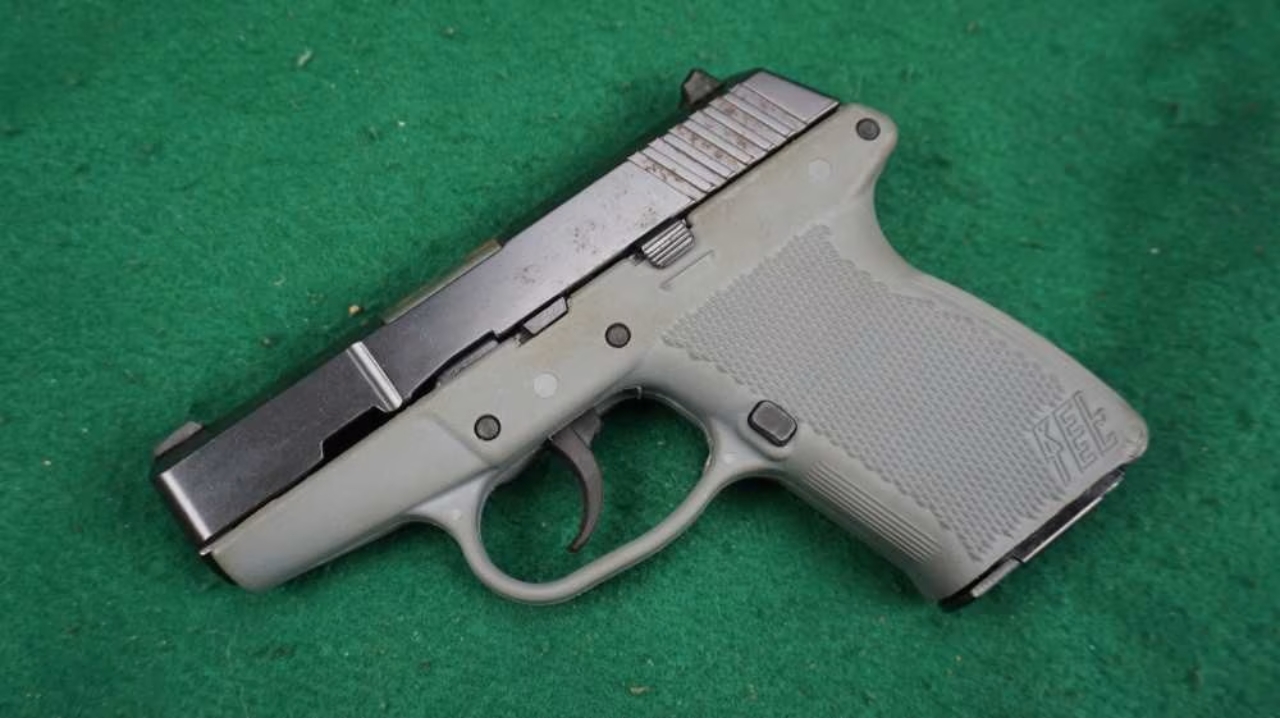
The KelTec P11 is light, affordable, and easy to conceal—but it’s not a range gun. After 50 rounds, accuracy falls off sharply as the slide and frame heat up. The double-action trigger feels mushier, and the lightweight frame transmits every bit of recoil back to your grip.
Once the gun gets hot, groups open dramatically. The polymer frame’s flex and the inconsistent barrel lockup are the main culprits. Even in skilled hands, it’s tough to keep tight clusters going for long. The P11 works fine for short carry drills or testing reliability, but it’s far from a precision piece. Most owners describe it as “minute-of-torso” after a few magazines—and that’s about as good as it gets.
SCCY CPX-2

The SCCY CPX-2 is known for reliability within its price bracket, but accuracy doesn’t last once it warms up. The gun’s small frame and stiff double-action trigger make it tough to shoot consistently, and once the slide heats up, lockup becomes loose enough to shift your point of impact.
Even shooters who start strong find their groups doubling in size by the time they’ve gone through 50 rounds. The barrel fit isn’t the tightest to begin with, and the lightweight polymer flex amplifies inconsistencies. The CPX-2 is perfectly serviceable as a budget carry option, but it’s not built for extended shooting. Once it’s hot and dirty, you’ll feel every bit of its limitations—long trigger pull, wandering zero, and sluggish reset.
Hi-Point C9

The Hi-Point C9 is often praised for reliability despite its low price, but accuracy past a few magazines tends to drop off fast. Its blowback design and heavy slide generate more recoil impulse than the gun’s ergonomics can handle, and that translates into widening groups as it heats up.
The sights also have a habit of loosening slightly over time, especially with consistent firing. Once the barrel fouls, consistency goes out the window. Even with decent ammo, you’ll see significant point-of-impact shifts past 50 rounds. The C9 will keep functioning, but don’t expect precision. It’s more of a “good enough” gun that struggles with repeatable accuracy once the range session stretches past the warm-up phase.
Taurus PT111 Millennium Pro

The PT111 Millennium has a solid following among budget carriers, but it’s notorious for losing accuracy once it warms. The short barrel and light frame magnify recoil impulse, and the looser slide fit doesn’t help. You’ll start to notice the groups spreading after about three magazines, especially with +P loads.
Another issue is barrel wear—Taurus barrels from that production period tend to foul quickly. By the time you hit 50 rounds, buildup starts affecting consistency. Even the trigger linkage loosens slightly, which can affect pull weight. It’s a pistol that works fine for close defense practice but struggles to maintain precision beyond that. Once it’s dirty and hot, it’s like trying to shoot a moving target with your own sights.
Glock 42

The Glock 42 is reliable, but accuracy consistency isn’t its strength once you’ve burned through a few boxes. The tiny frame and light slide heat up fast, and the short sight radius amplifies even the smallest grip fatigue. As temperatures climb, you’ll start seeing a gradual group shift—often low and left for right-handed shooters.
The recoil spring assembly and barrel lockup are tight when cool, but as the gun warms, tolerances relax slightly, and groups open up. It’s still dependable for its size, but if you’re running long practice sessions, the heat-induced drift becomes obvious. The 42’s accuracy isn’t bad—it’s just hard to sustain. It’s a carry pistol through and through, not a high-volume range tool.
Ruger EC9s
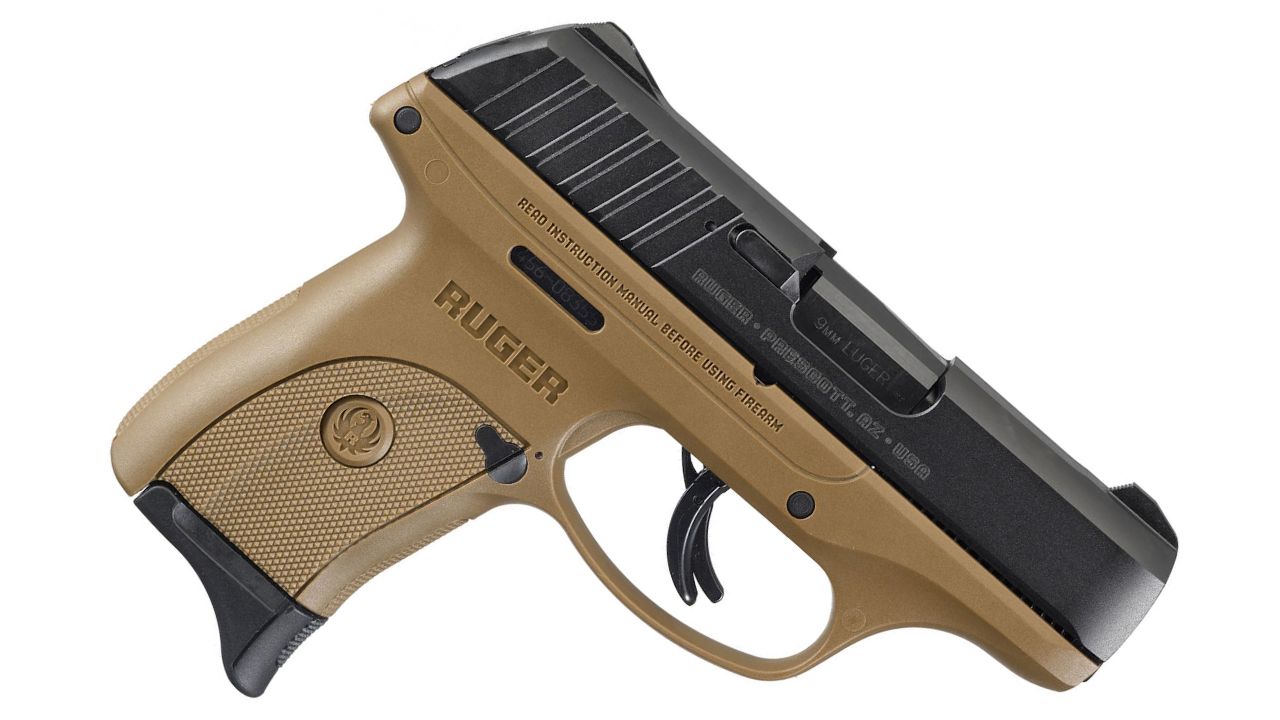
The Ruger EC9s offers decent value, but after 50 rounds, accuracy starts fading fast. The trigger gets grittier with heat, and the fixed sights are prone to minor shifts under recoil. Combine that with its light frame, and it’s tough to maintain consistency over a long session.
You’ll often see a clear pattern: tight groups early on, then a steady widening as the barrel and slide pick up heat. The polymer frame flex contributes to point-of-impact drift, especially at 15–25 yards. It’s a carry-friendly gun that’s fine for self-defense drills but not one you’ll want to shoot hundreds of rounds through. It does its job for short sessions—anything more, and accuracy becomes unpredictable.
Kimber Micro 9
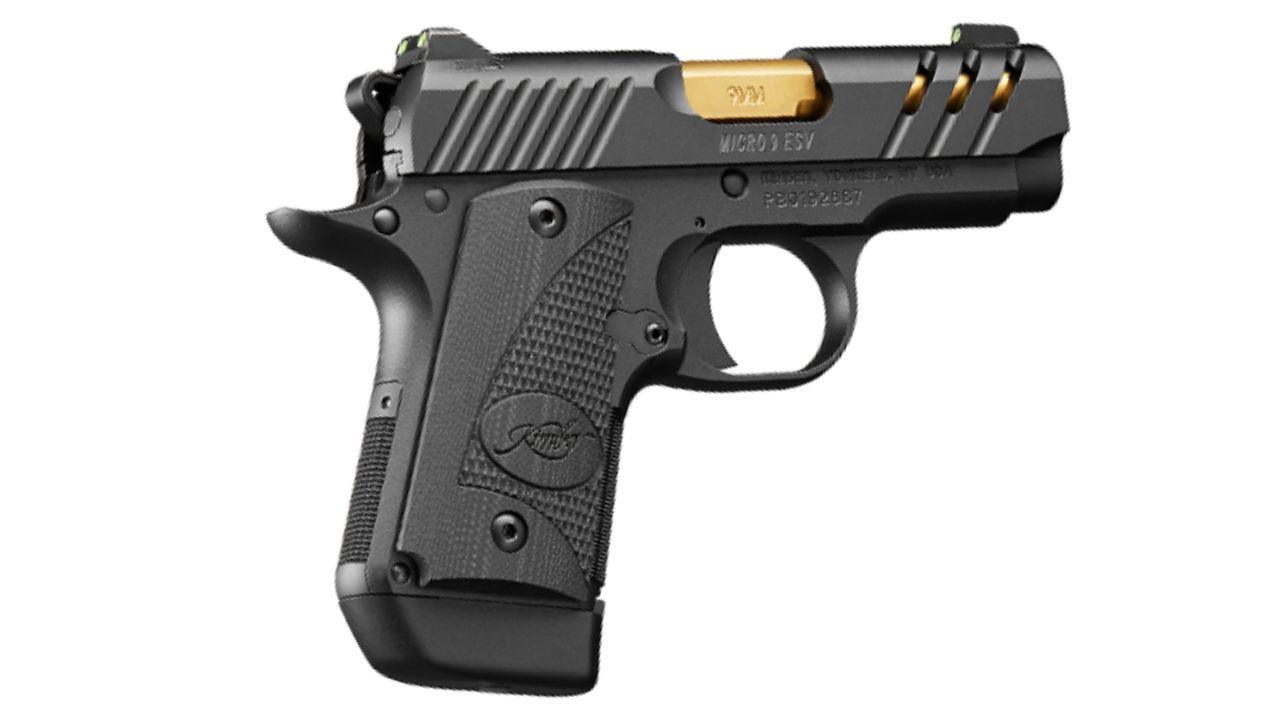
The Kimber Micro 9 looks great, feels solid, and shoots well at first—but once it heats up, accuracy falls apart fast. The tight tolerances that make it feel premium when cool work against it after 50 rounds. Expansion in the slide and barrel can lead to inconsistent lockup and erratic point of impact.
The shorter barrel and light frame also exaggerate recoil, which compounds the issue as you get tired. It’s not uncommon for a Micro 9 to start grouping twice as wide after half a box of ammo. The pistol’s fine machining is great for carry reliability but makes it heat-sensitive in prolonged sessions. For short defensive practice, it’s great. For extended range use, it loses its composure quickly.
Walther CCP M2

The Walther CCP M2’s gas-delayed blowback system makes it soft-shooting at first—but after 50 rounds, the system starts to work against it. The internal gas chamber and piston collect carbon rapidly, and as fouling builds, accuracy degrades. Heat soak also affects trigger consistency, giving you a mushier break over time.
The gun’s ergonomics are solid, but maintaining a tight group becomes a challenge once it’s dirty and warm. It’s accurate early on but unpredictable later in a session. The CCP M2 is better suited for moderate practice or carry qualification drills than long training days. Once that gas system gums up, you’ll see flyers appear even when your sight picture is perfect.
Springfield XD-S 3.3
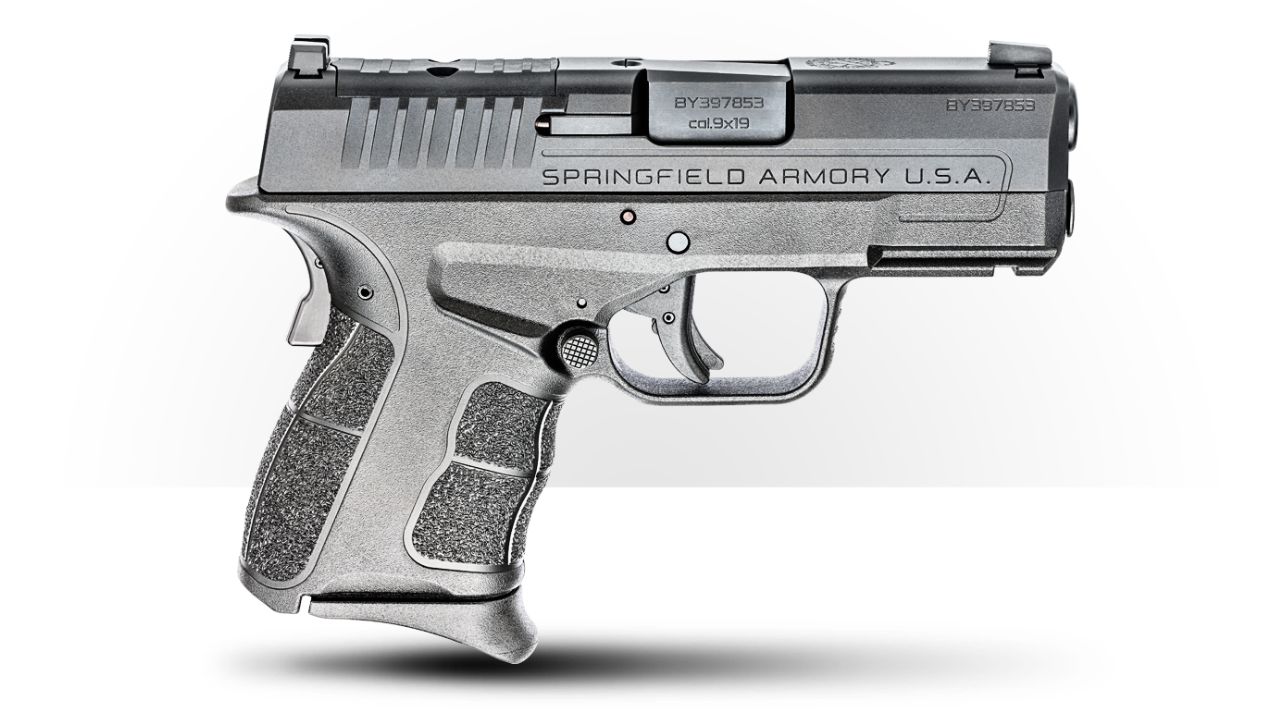
The Springfield XD-S 3.3 is compact and well-built, but its accuracy fades fast under heat. The short barrel and aggressive recoil spring make for snappy cycling, and after a few magazines, group patterns start spreading. The frame’s flex and short sight radius don’t help much either.
It’s easy to shoot well for the first couple mags, but once you pass 50 rounds, everything starts shifting—especially when shooting quickly. Barrel fouling and heat expansion subtly affect the slide-to-frame fit, turning consistent groups into wandering clusters. It’s reliable, no doubt, but it’s not designed for sustained precision shooting. It’s a carry gun through and through—great for drills, not marathons.
SIG Sauer P365

The SIG P365 has earned its popularity, but one flaw shows up for some shooters: group consistency drops after extended strings of fire. The micro-compact frame gets hot quickly, and that heat transfer can slightly alter barrel fit and trigger feel.
The small grip doesn’t give much leverage for long sessions, so fatigue adds to inconsistency. Some shooters notice a clear difference between their first and last magazines of the day. While it’s mechanically sound, the pistol’s small mass and tight tolerances don’t handle sustained heat well. The P365 stays reliable, but its groups open up fast once it’s hot and dirty. It’s one of those pistols you shoot in short bursts—not long strings.
Beretta Nano

The Beretta Nano has a smooth profile, but it’s not known for sustained accuracy. The short sight radius and heavy trigger make it tough to shoot tight groups, and once you’ve put 50 rounds through it, everything starts drifting.
The slide-to-frame fit loosens slightly when warm, and the polymer chassis can flex under repeated recoil. That subtle movement translates to widening groups, especially at 15 yards and beyond. Cleaning helps temporarily, but after long use, accuracy consistency becomes a recurring complaint. It’s fine for defensive distances, but you’ll struggle to keep groups respectable once things heat up.
Remington RM380

The Remington RM380 is compact and lightweight, but that comes at the cost of sustained accuracy. After 50 rounds, the aluminum frame heats up quickly, and the loose barrel fit starts to show. The double-action-only trigger feels smooth at first, but once it gets hot, it lengthens and softens.
Groups that start respectable drift wide as barrel fouling and heat expansion throw off timing. You’ll also notice slight point-of-impact shifts as the slide loosens up during extended sessions. It’s not unsafe—it’s just not built for precision under volume. It’s one of those guns that shoots better cold than warm, and that’s not something most shooters appreciate in a carry pistol.
Diamondback DB9

The Diamondback DB9 is incredibly small and light, which makes it snappy and uncomfortable for long shooting sessions. After 50 rounds, groups start spreading due to barrel heat and hand fatigue. The frame flexes slightly under pressure, and the sights often lose zero with repeated recoil.
The DB9 also has a reputation for being sensitive to ammo types, which compounds accuracy issues. Hot loads cause more slide battering, while softer loads don’t cycle consistently. Either way, it’s not a pistol you’ll shoot tight with for long. It’s fine for concealment and emergency use, but if you plan to train heavily, it’ll remind you why lighter isn’t always better.
Kimber Solo

The Kimber Solo looks like a high-end micro 9, but it doesn’t handle heat well. After 50 rounds, group sizes start doubling. The short barrel and ultra-tight tolerances combine with expansion to create inconsistent lockup. Once things warm up, you’ll see flyers even with premium ammo.
The trigger gets heavier with buildup, and the small frame exaggerates recoil impulse. It’s a gun that feels great for 20–30 rounds but loses composure after that. Shooters who’ve owned them often describe the same issue—beautiful machining that turns temperamental with sustained fire. It’s stylish, but not built for volume.
Rock Island Armory M200

The RIA M200 revolver isn’t immune to drift either. After 50 rounds, heat from the barrel and forcing cone starts affecting point of impact. The heavy double-action trigger doesn’t help with maintaining consistency, and barrel fouling builds up fast.
The timing tends to loosen slightly with use, which can make accuracy worse the longer you shoot. Even though it’s a revolver, the machining tolerances aren’t tight enough to hold groups under heat. It’s a budget wheelgun that can handle abuse but not sustained precision. After a few boxes of ammo, you’ll be chasing groups more than hitting them.
Canik TP9SF Elite

The Canik TP9SF Elite shoots great when cool, but extended sessions expose its weak points. The barrel fit loosens slightly as temperatures rise, and carbon buildup can make the reset less crisp. Around 50 rounds in, you’ll start seeing inconsistent groups unless the gun is spotlessly clean.
The TP9SF Elite’s performance drop-off isn’t dramatic, but it’s noticeable for anyone chasing accuracy. It’s a solid duty-style pistol that thrives on maintenance and controlled strings—but if you’re running long drills or high-volume training, accuracy gradually slides off. The gun’s still reliable, but precision fades as heat and fouling creep in.
Smith & Wesson SD9 VE

The S&W SD9 VE is affordable and dependable, but its accuracy doesn’t hold up in long range sessions. After 50 rounds, you’ll feel the trigger stiffen and the slide fit start to loosen slightly. The heavy pull also magnifies fatigue, making tight groups harder to maintain.
Its barrel design and basic sights are functional, not precise. As the gun heats up, groups open noticeably, especially with inexpensive ammo. You’ll still hit paper, but consistency becomes harder to sustain. It’s a good gun for short defensive practice, but if you’re running drills past 50–75 rounds, you’ll see performance taper fast.
Ruger Security-9
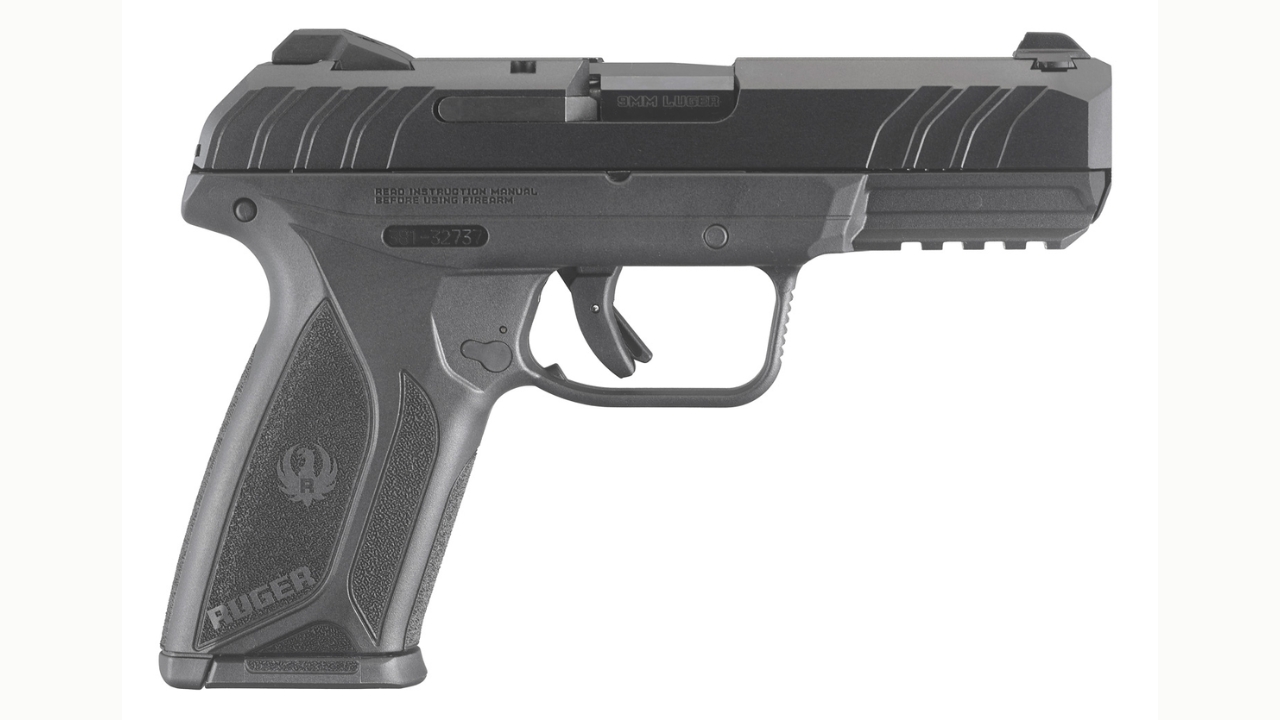
The Ruger Security-9 feels solid, but its barrel fit and slide-to-frame tolerances don’t handle heat well. After 50 rounds, accuracy begins to fade, with groups widening by an inch or more at standard distances.
It’s not a mechanical failure—just average construction showing its limits. Once the barrel warms and the recoil spring fatigues slightly, follow-up shots drift. Even with good ammo, it’s hard to hold the same point of impact through extended shooting. It’s a reliable pistol, but not one that maintains surgical precision through heavy range use. It’s better as a dependable carry or training gun for shorter sessions.
Bersa Thunder 380

The Bersa Thunder 380 is accurate when cool, but as the small barrel heats up, groups expand. The blowback design generates more felt recoil than you’d expect, and the sights are basic at best. Once the barrel fouls, shot placement starts drifting noticeably.
After 50 rounds, the slide-to-frame fit loosens slightly, and recoil impulse gets sharper. That combination makes follow-up shots less consistent. It’s reliable and compact, but it’s not a precision tool. The Thunder 380 works best for short defensive practice—beyond that, accuracy takes a nosedive as things warm up.
*This article was developed with AI-powered tools and has been carefully reviewed by our editors.