Photo credit: Guns, Gear & On Target Training, LLC/YouTube
Brand loyalty runs deep in the gun world, and once someone sticks with a certain maker, they tend to stay there for decades. But every shooter eventually runs into a pistol that reminds them a name on the slide doesn’t guarantee performance. Some brands are well-respected, but even respected manufacturers release models that stumble more than they should. When you spend a lot of time shooting year after year, you learn which pistols actually earn trust and which ones ride on reputation. These are the handguns that can make you rethink loyalty altogether—not because the companies are bad, but because certain models never lived up to the expectations their names created.
Glock 42

A lot of shooters buy the Glock 42 expecting the same reliability they get from larger models, but this little .380 can be picky. The combination of its small frame, light slide, and limited recoil energy means the gun struggles with certain defensive loads. Many users report failures to feed or short-stroking when they run ammo that isn’t hot enough. That inconsistency can shake your confidence, especially when you’ve come to expect flawless cycling from the brand.
The design works better with full-power ammunition, but that doesn’t erase the reality: the 42 isn’t the plug-and-play pistol people expect from Glock. When you compare it to the company’s other offerings, it feels like a reminder that reputation doesn’t automatically carry over to every model. It’s a fine pistol in the right setting, but it’s not the universal performer many assume it will be.
Smith & Wesson M&P Shield .40

The Shield in 9mm earned a strong reputation, but the .40 version has always been tougher to love. It’s snappy, and that recoil impulse causes real issues for newer shooters. But the bigger problem is that some .40 Shields are known for feeding inconsistencies once they get dirty. Because the slide is narrow and the spring is stiff, the pistol can start cycling unpredictably after extended use.
Plenty of people rely on the 9mm Shield without hesitation, but the .40 model adds stress to the system the platform wasn’t fully optimized for. Shooters expecting the same smooth behavior quickly find themselves frustrated. It’s a clear example of how a trusted brand doesn’t guarantee identical performance across calibers.
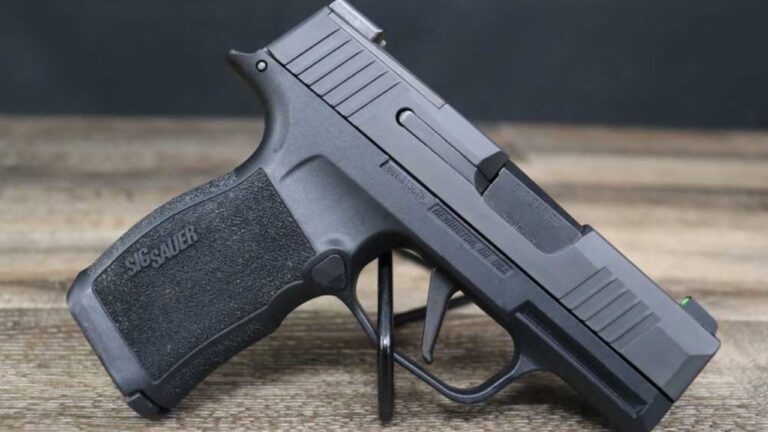
SIG Sauer P320 Early Models

The P320 has evolved into a solid pistol, but the early models left a mark on many shooters. Before the upgrades, the gun had well-documented issues with drop safety that shook confidence. Even after those changes, some users found the triggers inconsistent and the fire control system prone to grit buildup. Those early stumbles created a cloud around the gun that took years to fade.
SIG has addressed most of the problems, but the shooters who owned those initial batches often still hesitate to trust certain models blindly. If you were someone who bought into the platform early, you understand why brand loyalty can waver after experiencing a design that wasn’t quite ready for real-world use.
Kimber Solo

Kimber fans expected the Solo to deliver premium performance in a compact package, but the pistol quickly gained a reputation for being extremely ammo-sensitive. It struggles with anything that isn’t a full-power defensive load, and the feed-ramp design doesn’t tolerate inconsistencies well. Even when using recommended ammo, some shooters still reported unreliable cycling.
Kimber makes attractive and accurate handguns, but the Solo showed how demanding a compact design can be. Many long-time Kimber owners were surprised to see a pistol this temperamental wearing the brand’s name. It’s one of those guns that proves loyalty doesn’t guarantee satisfaction.
Walther CCP (First Generation)
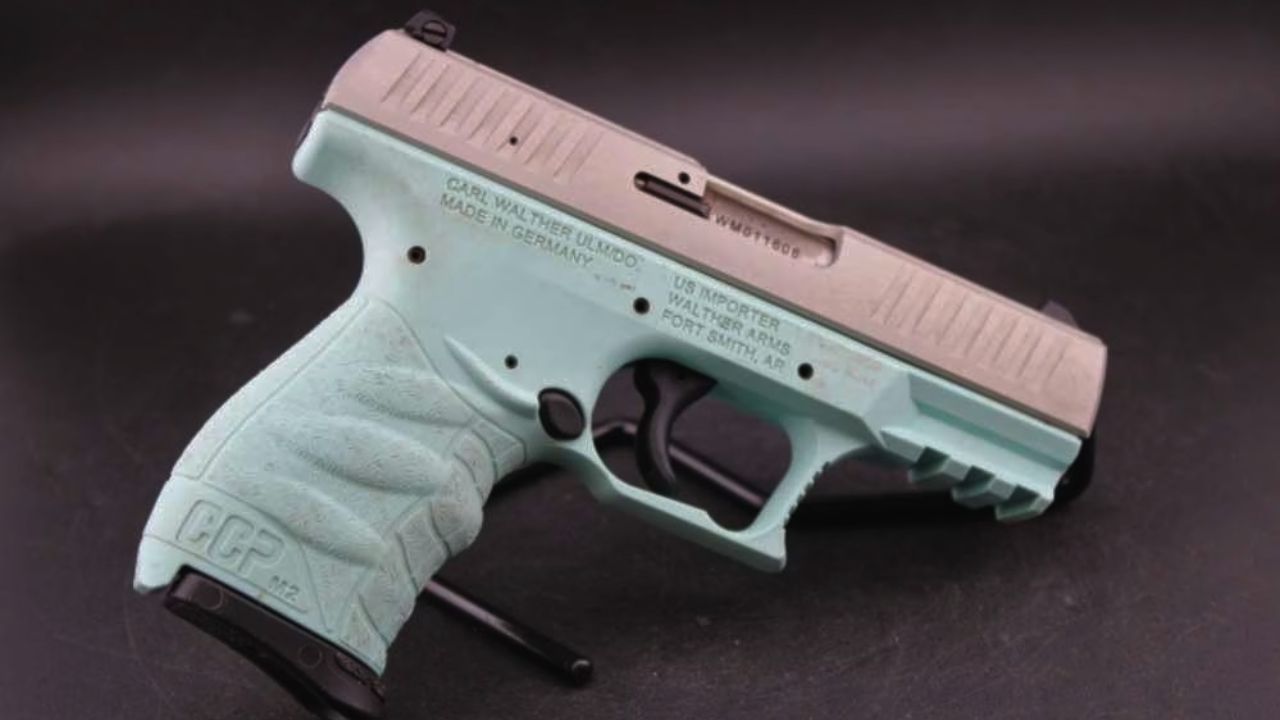
The original CCP looked promising, but its internal gas-delayed system introduced more headaches than benefits. Disassembly was notoriously frustrating, and many shooters reported cycling issues once the gun got hot or dirty. The design also trapped heat, which could make extended training sessions uncomfortable.
Walther fixed many issues with later versions, but if you shot the first generation, you know how quickly your opinion of a respected brand can change. That initial release made plenty of people hold off on future Walther pistols until the company proved the issues were resolved.
Ruger SR9 Early Models

Ruger eventually ironed out the SR9, but the early versions had trigger and striker concerns that led to a major recall. Some shooters also experienced light primer strikes and inconsistent reset behavior. While later production runs became reliable and well-liked, those early problems stuck with many owners.
Ruger’s rimfire guns have built a loyal following, but the SR9 launch showed that not all models carry the same toughness out of the gate. Shooters who trusted the brand completely learned that loyalty doesn’t guarantee flawless performance.
Taurus PT140 Millennium

Taurus has improved in recent years, but older PT140 Millennium pistols were known for multiple reliability issues—from extraction problems to light strikes and safety failures. Many shooters bought one expecting an affordable but dependable carry gun and instead found themselves troubleshooting constant malfunctions.
That experience was enough to make plenty of people reconsider any automatic trust in a brand name. The PT140 wasn’t the company’s best moment, and it pushed many owners to explore other options.
Beretta Nano

The Beretta Nano was meant to compete with other micro 9mms, but the pistol struggled to match their reliability. Many users ran into feeding issues and sluggish slide movement, especially with lighter ammunition. Because the slide didn’t have external controls, clearing malfunctions could also be more difficult.
Beretta has produced some of the most reliable handguns ever made, but the Nano showed that even great companies can miss the mark. It left a lot of shooters surprised that a pistol from such a trusted brand could be this inconsistent.
Remington R51

The R51 was one of the most anticipated pistol releases of its time—and one of the most disappointing. The original model suffered from severe reliability and manufacturing issues, leading to a complete recall. Even after the redesign, the pistol still struggled to earn widespread confidence.
Remington has built plenty of respected firearms, but the R51 proved that a recognizable name doesn’t guarantee a reliable product. Shooters learned that loyalty can be tested quickly when a gun fails to meet even basic expectations.
CZ P-07 Duty
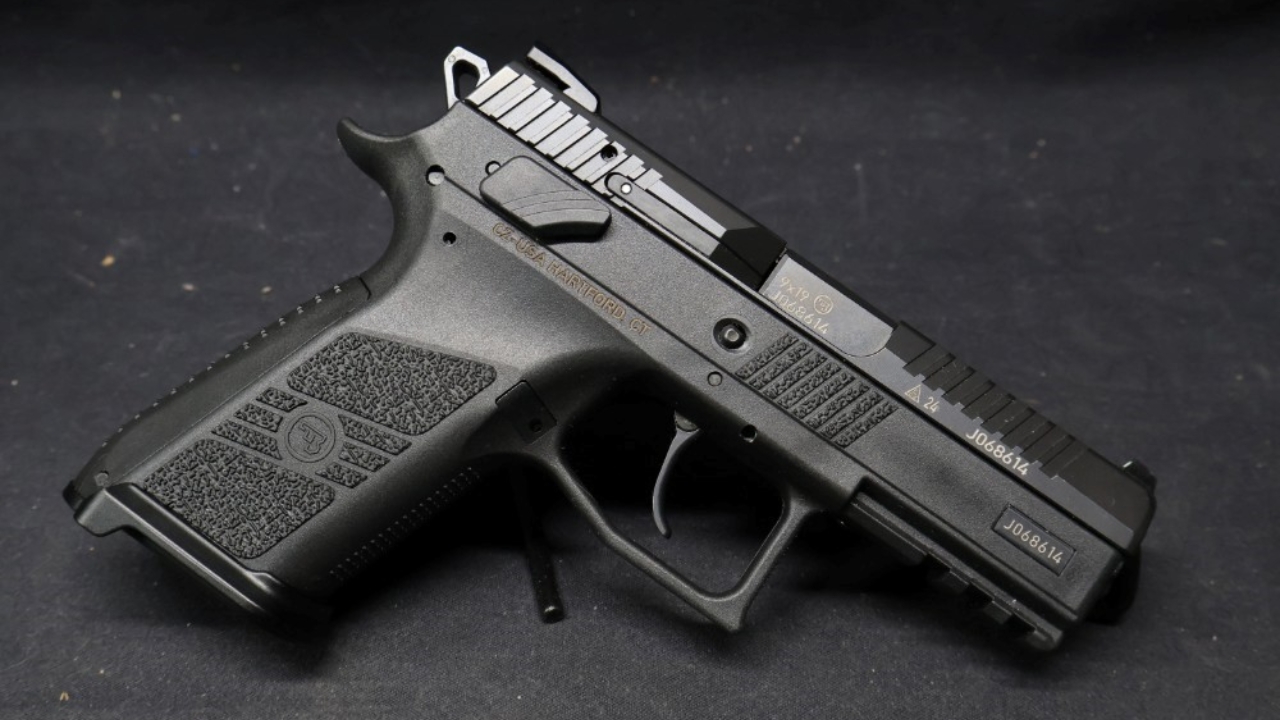
CZ makes excellent pistols, but early P-07 Duty models had teething problems. Some guns experienced premature wear on internal components, especially around the decocker system. Others had difficulty feeding certain hollow-point profiles or showed slide-to-frame drag after extended shooting.
Later P-07 versions fixed these issues, becoming well-respected, but the early models left some owners hesitant. Even brands known for rugged performance can have a misstep, and this one reminded shooters not to assume perfection.
Springfield XD Subcompact .40

The XD line has loyal supporters, but the subcompact .40 version pushed the design beyond its comfortable limits. The sharp recoil combined with a short slide made the gun cycle harshly, and some shooters experienced feeding inconsistencies when the pistol wasn’t freshly lubricated. The .40 S&W simply isn’t forgiving in tiny platforms.
Many who trusted the XD line were surprised by how difficult this particular model could be to run well. It showed that even a reliable platform can stumble when paired with the wrong caliber or layout.
SIG Sauer Mosquito

The Mosquito was SIG’s attempt at a training pistol, but it required specific high-velocity ammunition to run reliably. Many users experienced failures to feed, failures to eject, and intermittent light strikes with standard bulk .22 LR. The design simply wasn’t forgiving, especially compared to other rimfire pistols.
For shooters who trusted SIG’s reputation, the Mosquito came as a shock. It made more than a few people reconsider blind loyalty to a brand name, especially with rimfire designs.
Colt Mustang Pocketlite

Older Mustang Pocketlite pistols were lightweight and easy to carry, but they weren’t always consistent. Some guns struggled with feeding hollow-points, and the lightweight slide didn’t always maintain reliable momentum when fouled. Their small parts also made the pistols more sensitive to grit.
Colt has plenty of legendary handguns, but this model showed that even respected brands can produce pistols that fall short under real-world use. Owners who expected flawless performance learned the hard way that loyalty sometimes needs reevaluating.
Kahr PM9

The PM9 is loved by many, but it can be finicky during its break-in period. Kahr openly recommends running a few hundred rounds before expecting full reliability, which immediately turns away shooters who believe a carry gun should run clean from the first magazine. Some pistols also show sensitivity to certain hollow-point profiles.
It’s a solid design once broken in, but many who trusted the brand expected better out-of-the-box performance. Having to “break in” a defensive pistol doesn’t sit well with everyone, and it changed how some shooters viewed the company.
H&K P2000SK
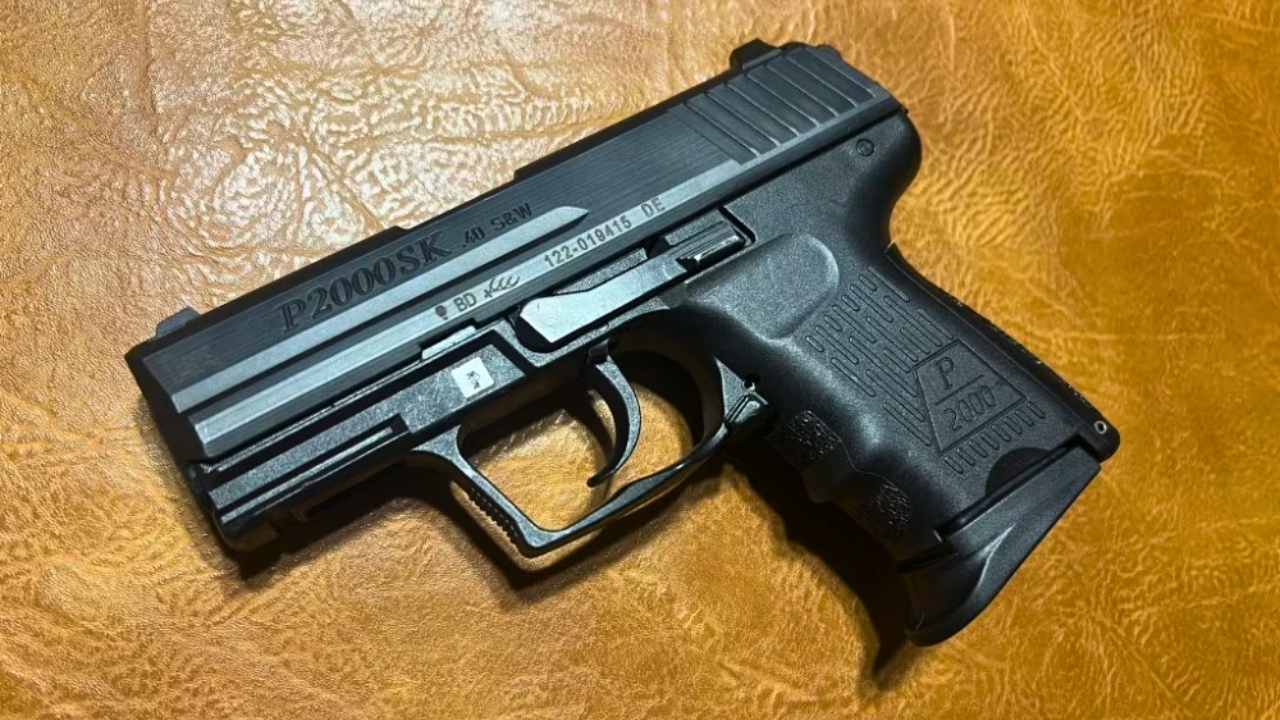
The P2000SK is generally reliable, but its compact size and recoil system don’t pair well with every load. Some shooters report erratic ejection patterns or sluggish cycling with lower-powered ammunition. For a brand known for tank-level durability, that inconsistency can be surprising.
H&K still makes excellent pistols, but the P2000SK proved that even trusted companies can produce models that behave differently than expected. It’s a compact pistol that works well with the right ammo but doesn’t live up to the universal reliability many associate with the brand.
Like The Avid Outdoorsman’s content? Be sure to follow us.
Here’s more from us:
The worst deer rifles money can buy
Sidearms That Belong in the Safe — Not Your Belt
*This article was developed with AI-powered tools and has been carefully reviewed by our editors.