Photo credit: Buffalo's Outdoors/YouTube
Revolvers still get treated like they live above compromise. People talk about them like they are pure, honest, and somehow exempt from the same value questions every other handgun has to answer. That sounds nice until you start looking at prices. Once a revolver climbs high enough, the old excuses start wearing thin. At some point, “classic” stops feeling like a strength and starts sounding like a polite way to explain why you paid premium money for less capacity, slower reloads, bulky dimensions, and sights or triggers that should have been better from the factory.
That does not mean expensive revolvers are always bad. Some are beautiful. Some shoot great. Some are absolutely worth owning if you know what you are buying. But there are also plenty that ask for serious money while making you work around issues a cheaper pistol would not get forgiven for. These are the revolvers that cost too much to be this inconvenient, and once you strip away the romance, some of them are harder to defend than their fans want to admit.
Colt Python 3-Inch

The 3-inch Python sells hard on prestige, finish, and that old Colt name that still makes buyers feel like they are stepping into something elevated. It is handsome, carries well enough for a big revolver, and has enough collector glow around it that many people convince themselves the price is part of the experience. Owning one feels like a statement. That is a big part of the problem, because once a revolver becomes a statement piece, people start grading it with their ego instead of with ordinary honesty.
In actual use, you are still dealing with a relatively heavy, thick six-shot .357 that costs a whole lot for the practical performance it gives back. Reloads are slow, carry takes commitment, and the premium price does not erase the basic inconveniences of a medium-frame magnum revolver. A lot of shooters love how it looks and how it feels in the hand, but there is no getting around the fact that this is expensive nostalgia with modern polish. For the money, it asks for too many allowances.
Smith & Wesson Model 19 Carry Comp
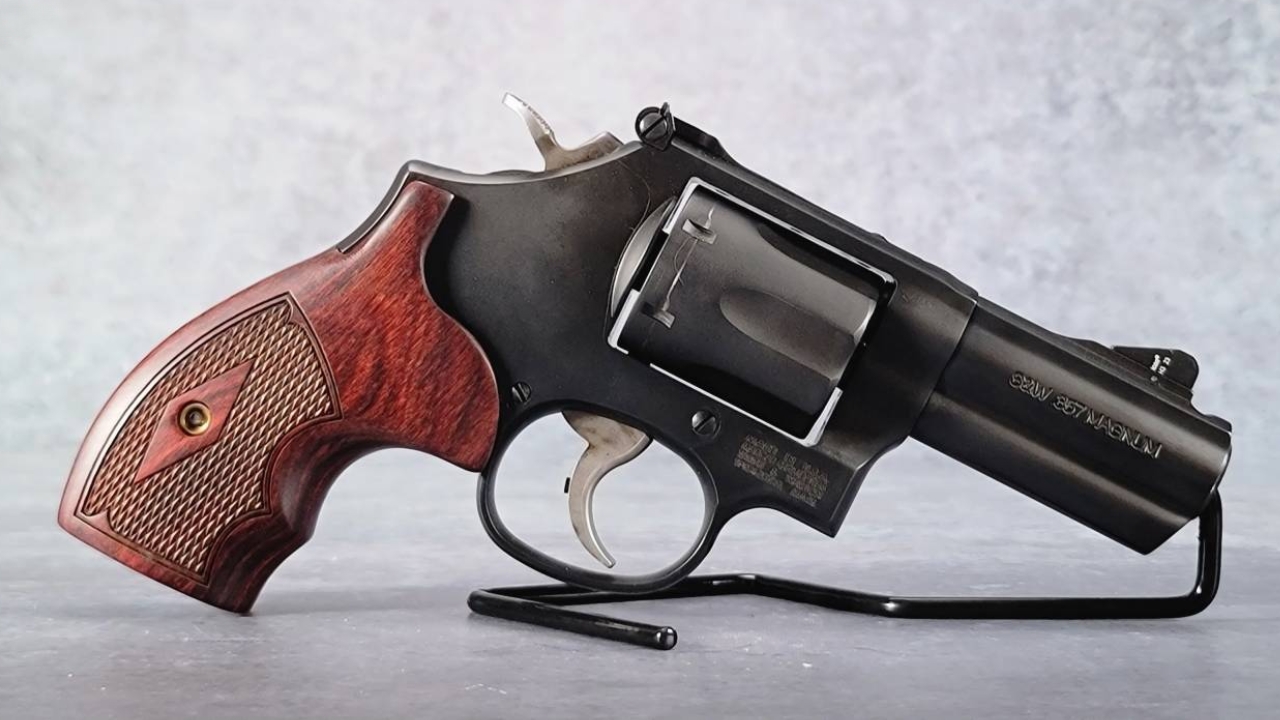
The Model 19 Carry Comp is built to sound like the smart modern answer for the shooter who wants classic revolver lines with a little extra shootability. On paper, that is a tempting pitch. You get the right name, the right frame feel, and enough added features to make it look like somebody finally solved the old drawbacks. The problem is that it still lands in a price range where buyers expect the gun to feel far more frictionless than revolvers ever really are.
You still have limited capacity, thick carry dimensions for what you get, and a manual of arms that asks much more from the shooter than a similarly priced semi-auto. The compensator and tuned-up feel may help around the edges, but they do not erase the fact that you are paying a serious premium for a gun that still makes speed, loading, and daily use more cumbersome than they should be. It is a nice revolver. It is also awfully expensive to still be this demanding.
Kimber K6s DASA 3-Inch
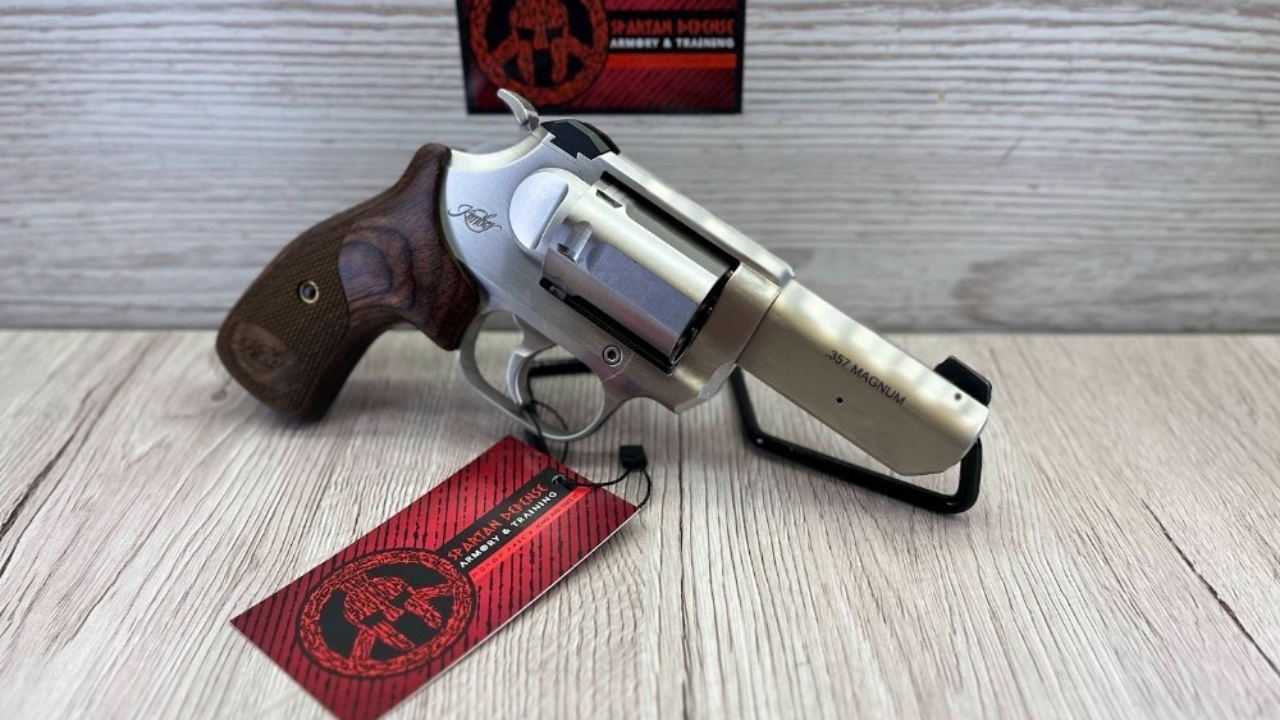
The K6s DASA 3-inch looks like a revolver that should make the old format feel fresh again. It is compact, attractive, and marketed in a way that makes buyers feel like they are getting refined revolver carry without settling for old-school crudeness. That is why it pulls people in. It feels upgraded. It feels modern. It feels like somebody took the revolver concept seriously enough to smooth out the rough spots. Then you live with it long enough to remember those rough spots are not so easy to engineer away.
Even with the smaller footprint, it is still a revolver with revolver limits, and the price gets steep fast once you start looking at nicer configurations. That is where the inconvenience starts feeling harder to excuse. You are still working with six rounds, slower reloads, thicker carry than many slim semi-autos, and a platform that does not forgive neglect in practice. The Kimber looks like luxury practicality, but in truth it is still expensive compromise dressed up in sharp lines and better machining.
Colt King Cobra Carry

The King Cobra Carry leans on the idea that you are getting serious snake-gun heritage in a carry-ready package. That works on a lot of buyers because Colt knows how to sell style, and the snake name still carries emotional weight. The problem is that the carry revolver market stopped being kind to expensive sentiment a long time ago. Once a revolver gets priced like a premium defensive tool, people naturally start comparing it to pistols that hold more rounds, reload faster, carry flatter, and demand less patience.
The King Cobra Carry may have charm, but charm does not fix the practical drag. You are still paying top-dollar money for a revolver that carries thick for its size and gives you the same old tradeoffs revolver people have been explaining away for decades. Some shooters are happy to accept all that because they want the name and the look. Fair enough. But if you strip away the branding, it is hard not to notice how much money this gun asks you to spend just to live with old inconveniences.
Smith & Wesson Model 29 Classic
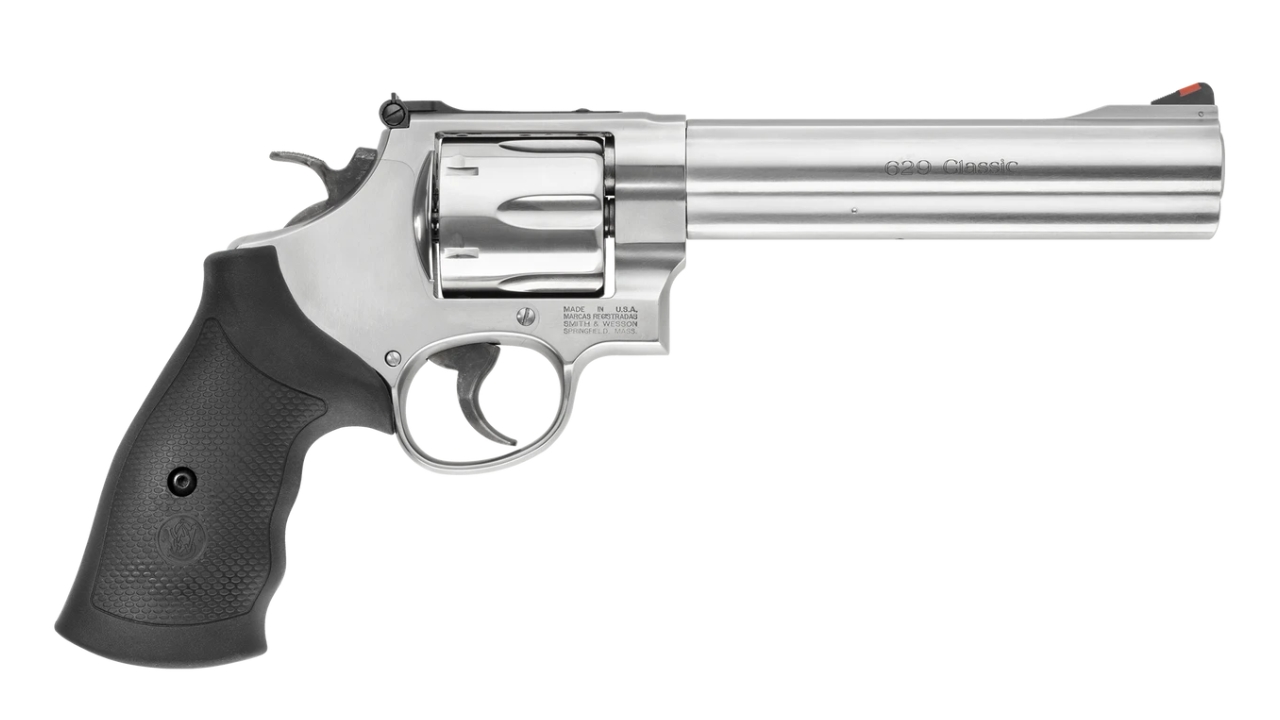
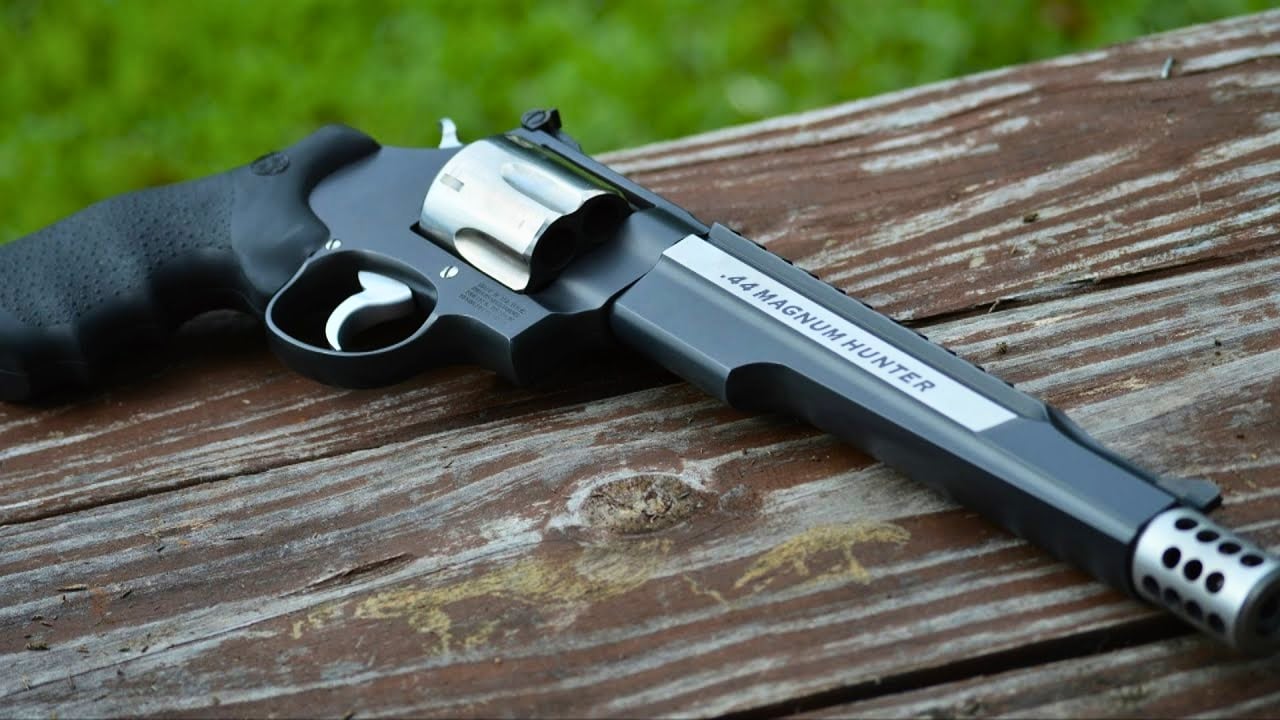
The Model 29 Classic is one of those revolvers people buy because they want to own an American legend, not because they have carefully thought through how often they will actually enjoy shooting it. That distinction matters. It is gorgeous in the right way, carries massive presence, and still has enough reputation behind it to make buyers feel like they are purchasing something larger than life. That story helps justify the cost until range day reminds them that legendary and practical are not the same thing.
A big .44 Magnum N-frame is already a lot to manage. It is large, heavy, limited in capacity, slow to reload, and far less pleasant for regular use than many owners like to admit. Once you add the price, the inconvenience starts looking pretty ridiculous. This is not a revolver you buy because it fits cleanly into your life. It is one you buy because it means something. That is fine, but meaning gets expensive fast when the gun mostly turns into something you admire more than use.
Ruger Super Redhawk Alaskan

The Alaskan has a specific appeal that is easy to understand. It looks rugged, powerful, and ready for ugly work in ugly places. That image sells very well, especially to shooters who like the idea of owning something extreme. But once you step back from the fantasy, it becomes a very expensive answer to a narrow problem. This is a heavy, bulky revolver that asks for serious money while making very few concessions to ordinary comfort, shootability, or convenience.
Yes, it hits hard and fills a real niche for some people, but for most owners it winds up being an expensive specialty gun that is awkward to carry, unpleasant to practice with, and far too easy to romanticize. The short barrel does not magically make it handy, and the raw portability still comes with the full burden of magnum revolver bulk and recoil. If you genuinely need it, that is one thing. If you do not, it is a costly way to own a whole lot of inconvenience.
Smith & Wesson 327 TRR8
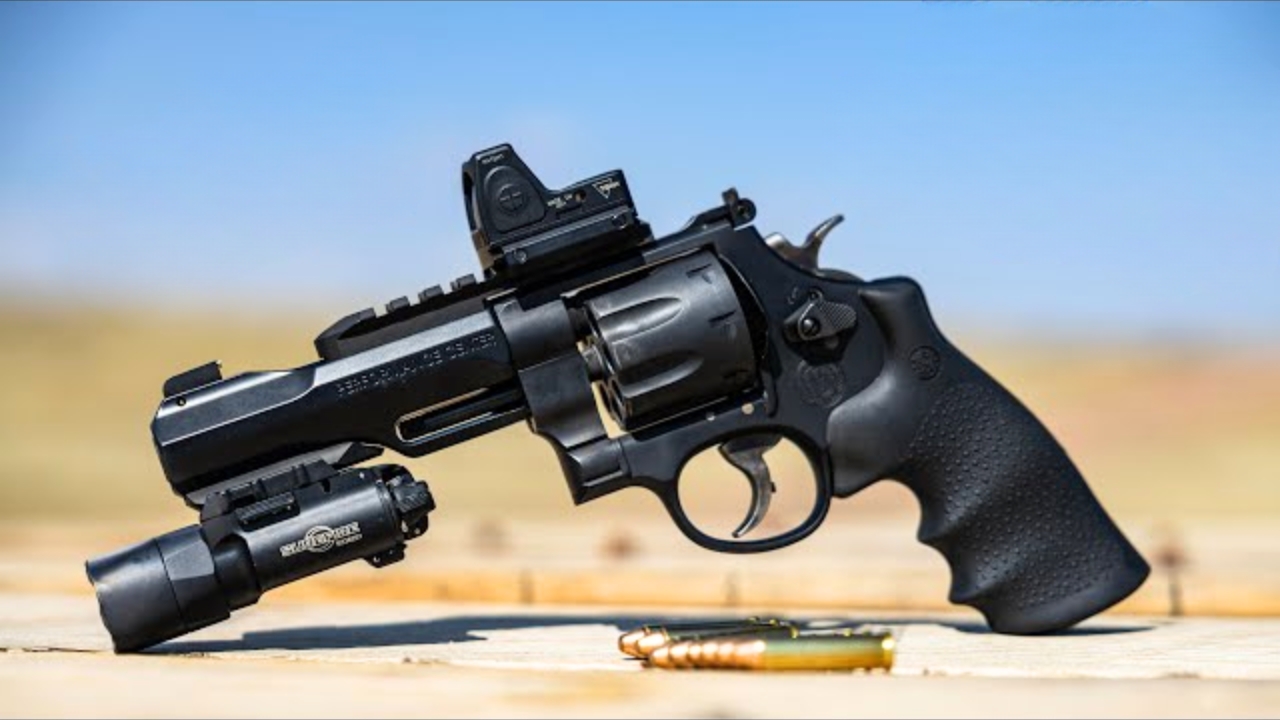
The TRR8 is one of those revolvers that tries to look like it has solved the revolver problem by adding rails, capacity, and tactical flavor. On paper, eight shots of .357 Magnum sounds like real progress. In the hand, it definitely feels serious. The problem is that it also feels like a revolver that costs enough money to have become its own category of headache. Once a gun reaches that level, buyers stop asking whether it is practical and start admiring how unusual it is.
You still have a large revolver footprint, a manual of arms that remains slower and clumsier than a comparable semi-auto, and a setup that looks more efficient than it really is in day-to-day handling. Eight rounds are better than six, but they do not erase the basic inconvenience built into the system. The TRR8 is interesting, capable, and flashy in a way some shooters love. It is also very expensive for a gun that still demands so much tolerance from the person who owns it.
Korth Mongoose 3-Inch
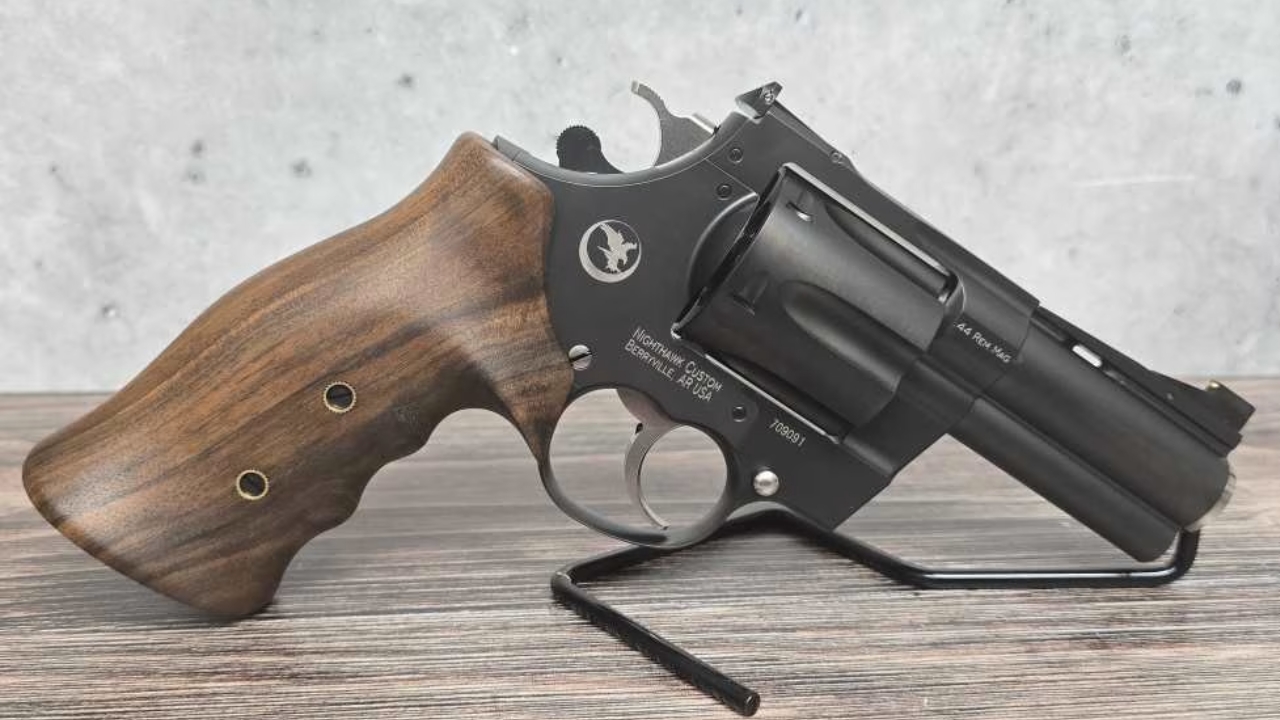
The Korth Mongoose is where revolver pricing starts daring people to tell the truth. There is no denying the craftsmanship, finish, and precision behind one. It is a luxury object as much as a sidearm, and buyers know that going in. But that is exactly what makes it so hard to judge honestly. Once a revolver costs that much, people start talking around the inconvenience instead of through it. They talk about artistry, heritage, and exclusivity because the alternative is admitting they paid exotic-car money for six shots and a speedloader.
No matter how refined the trigger feels or how perfect the fit and finish look, the gun still lives inside the same old revolver framework. Capacity is limited. Reloads are still slower than they should be. Carry is thicker and less forgiving than a premium defensive pistol costing a fraction as much. The Mongoose is beautiful, no question. But beauty does not make inconvenience disappear. It just makes people feel classier while they work around it.
Manurhin MR73 Sport
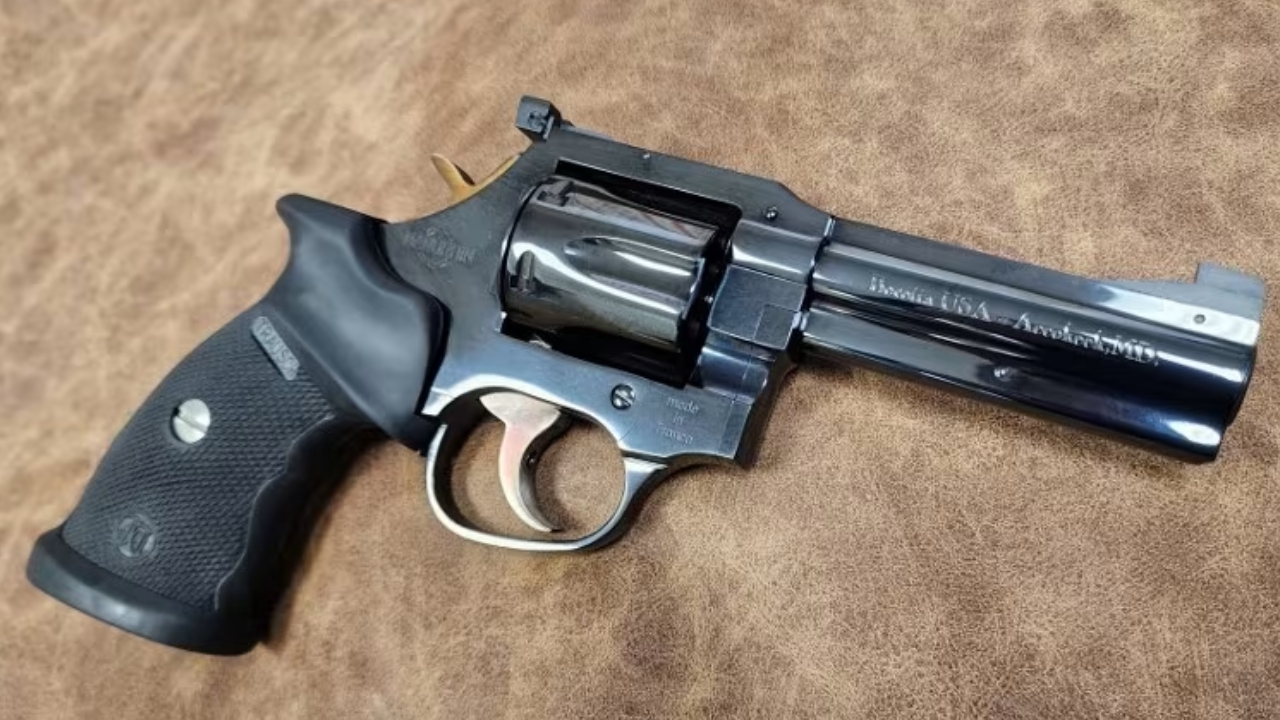
The MR73 Sport has a reputation that attracts serious handgun people, and that reputation is not fake. It is built well, it has history, and its fans speak about it with the kind of respect normally reserved for very few wheelguns. That is part of why it can be so hard to criticize. Once a revolver enters the myth zone, owners stop talking like regular consumers and start talking like curators. The problem is that high regard does not make the ownership experience any less awkward or expensive.
At the end of the day, it is still a premium revolver that asks the buyer to swallow revolver limitations at an even higher price point than usual. That means living with all the usual annoyances while acting like the pedigree is enough to cover the gap. For the collector or die-hard revolver shooter, maybe it is. For a normal buyer looking for value, convenience, or versatility, it gets hard to explain why this much money should still come with this much hassle.
Colt Anaconda 4.25-Inch

The Anaconda is sold like raw authority in stainless steel, and that image works because Colt knows exactly what people want from a big-bore snake gun. It looks powerful, feels expensive, and carries enough branding weight to make buyers feel they are getting something special before a single round is fired. But once the excitement fades, you are still left with a large-frame magnum revolver that costs a lot, carries awkwardly, and does not fit cleanly into many realistic roles beyond being admired and occasionally shot.
That is where the inconvenience becomes hard to ignore. It is too large to be easy, too expensive to be casual, and too specialized to justify itself unless you already love this exact type of gun. Plenty of owners do love it, but love is doing heavy lifting here. For the practical shooter, the Anaconda asks a lot while giving back a very narrow kind of satisfaction. That is an expensive trade if your goal was usefulness instead of stainless-steel drama.
Chiappa Rhino 60DS

The Rhino 60DS sells on being different first and everything else second. That is not always a bad thing. It points attention right at the low bore axis, futuristic shape, and promise of softer recoil in a revolver format that supposedly avoids some of the old wheelgun punishment. For a certain buyer, that sounds like a breakthrough. It feels like the revolver for people who want to escape revolver baggage without giving up the identity of owning one. That is a very effective pitch.
The trouble is that the gun is still costly, still quirky, and still wrapped in a manual of arms that remains less convenient than what most shooters actually need. Holster options, control layout, and general familiarity all become part of the ownership tax. Some shooters end up loving the Rhino because it offers a different experience. Others quietly realize they paid a premium for a clever answer to a question they never really needed solved. That is a hard admission once the money is gone.
Smith & Wesson Performance Center 629 Hunter
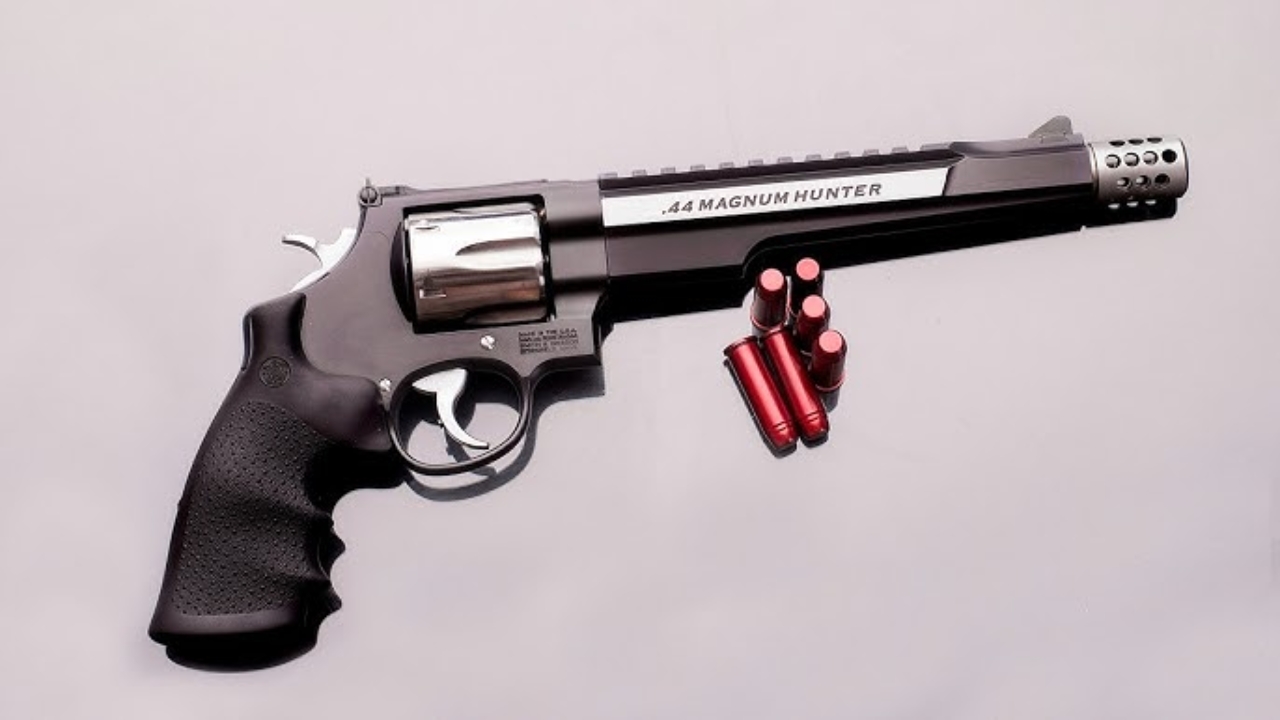
The 629 Hunter is the kind of revolver that makes sense for a very narrow slice of shooters and tempts a much larger crowd than that. It is big, feature-heavy, and sold with enough Performance Center polish to make people think they are buying something special enough to overcome the usual revolver drawbacks. The problem is that “special enough” gets expensive fast, especially when the result is still a large hunting revolver that most buyers do not shoot nearly enough to justify.
This is a revolver built for deliberate use, yet many owners are pulled in by the aura more than the purpose. Once it sits in the safe or only comes out for light range use, the inconvenience starts looking worse. It is large, limited, and expensive to feed if you actually practice with it. That is a lot to carry just for the privilege of owning a premium magnum wheelgun. For most buyers, the reality is more burden than benefit.
Ruger GP100 Match Champion

The GP100 Match Champion is marketed like the refined working man’s revolver, the one that gives you enough upgrades to feel purposeful without drifting into absurd collector territory. That sounds reasonable until you remember how quickly revolver prices have climbed and how little the core experience has really changed. Even in a tuned-up package, you are still getting six rounds, slower reloads, more bulk than expected, and a format that asks you to accept yesterday’s limits at today’s price.
It is a good revolver, but good is not the same as convenient, and that matters once the number on the tag rises high enough. The Match Champion feels like a gun people buy because they want to believe there is still a sweet spot where premium revolvers make ordinary sense. Sometimes that works out. Sometimes the buyer slowly realizes he paid extra to make an inconvenient system feel slightly more polished. That is not nothing, but it is not exactly value either.
Colt Cobra

The modern Colt Cobra gets pulled along by the Colt name harder than many owners would like to admit. It is light enough, attractive enough, and branded strongly enough to make buyers feel they are getting something more meaningful than an ordinary carry revolver. But meaning is not the same thing as convenience. Once you start looking at what you are actually paying for, it gets much harder to ignore how compromised the package still is compared to modern pistols in the same financial neighborhood.
Six shots in a small revolver is respectable by snub standards, but the system is still thick for the capacity, slower to reload, and more demanding to shoot well than plenty of flatter, easier semi-autos. The Cobra is not a bad gun. It just lives in a price zone where “not bad” feels like a very weak defense. A revolver like this survives on brand warmth and old affection, because the raw practicality argument has gotten much harder to make.
Smith & Wesson 686 Plus Deluxe
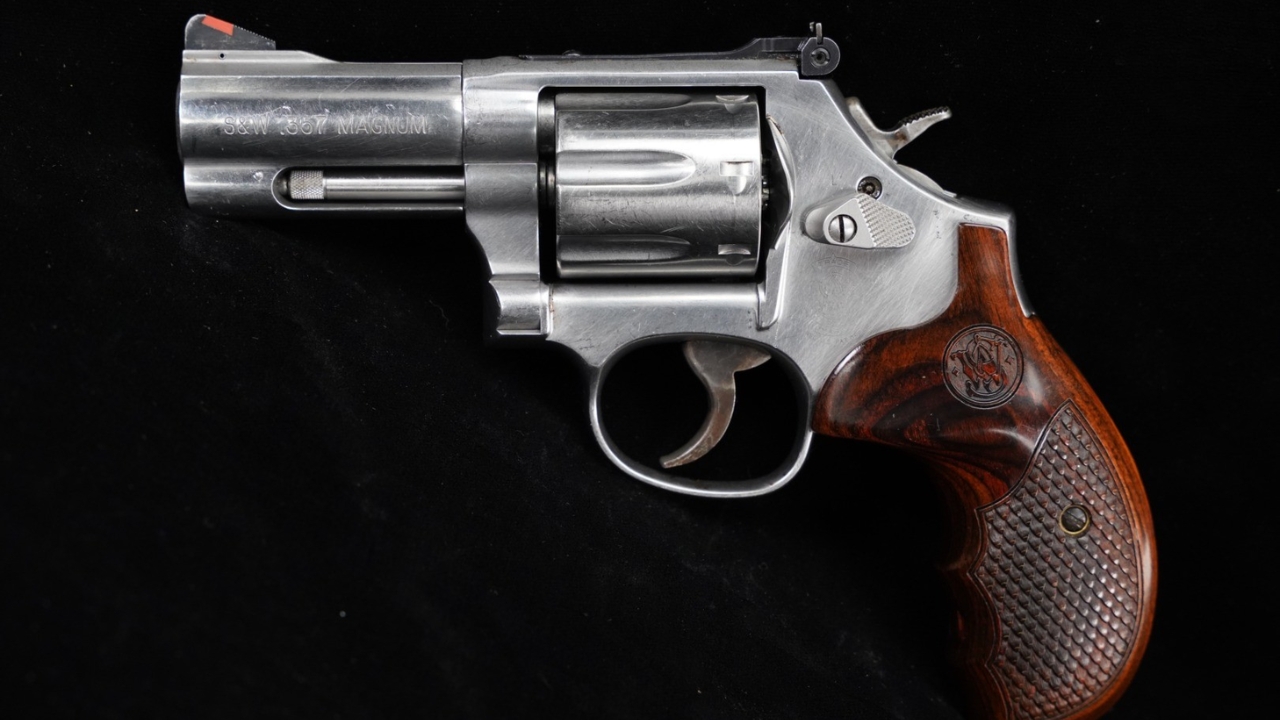
The 686 Plus Deluxe is exactly the sort of revolver that gets people talking themselves into old-school practicality with premium trim. Seven rounds sounds like progress. Deluxe wood and polished touches make it feel like a forever gun. The whole package tells buyers they are getting the best version of a classic formula. That is attractive, especially for shooters who want one revolver to do a little of everything. The problem is that the “do everything” claim gets shakier the more honest you get.
It is still large enough to be inconvenient for carry, limited enough to feel outdated for defense, and expensive enough that buyers start leaning on the gun’s emotional value more than its practical value. Seven rounds are nice. A nice trigger is nice. The 686 Plus is still a revolver that costs enough to deserve tougher scrutiny than it usually gets. For the money, it asks buyers to keep forgiving the old drawbacks instead of finally demanding something easier.
Freedom Arms Model 83
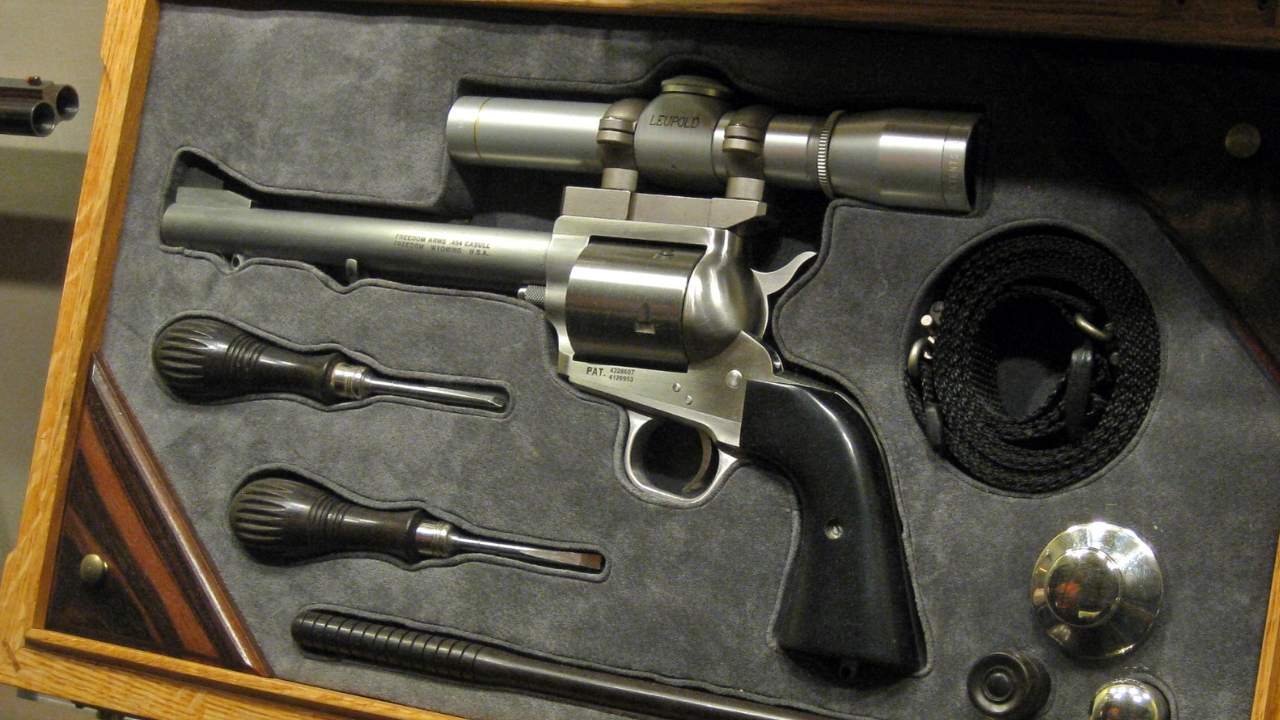
The Model 83 exists in a place where revolver people tend to stop pretending they are shopping for convenience at all. It is brutally well made, highly respected, and built for shooters who want a serious single-action magnum with almost no compromises in strength or quality. The catch is that it absolutely drowns in inconvenience by any normal standard. It is expensive, slow to load, slow to reload, and tied to a style of shooting that demands commitment most owners will never fully give it.
That does not make it a bad revolver. It makes it a brutally honest one. The issue is that the price pushes it into territory where buyers feel almost obligated to speak of it with reverence. Once that happens, the inconvenience stops getting treated like a real cost and starts getting framed as character. For the niche shooter who truly wants one, maybe that is fair. For everybody else, it is an awfully expensive way to romanticize hassle.
Like The Avid Outdoorsman’s content? Be sure to follow us.
Here’s more from us: