Photo credit: GM Corporation/YouTube
A funny thing happens when you hang around ranges long enough: some pistols seem to run forever with lint, carbon, and old oil baked into them… then start acting up right after a “deep clean.” That doesn’t mean dirt is magical. It means certain designs tolerate fouling so well that the real problems usually come from what you did during cleaning—over-lubing, under-lubing, putting oil where it doesn’t belong, leaving solvent behind, or reassembling one small part wrong.
If you carry or train hard, you want a pistol that keeps cycling when it’s dry, dusty, sweaty, and overdue for a wipe-down. These are models that have earned that reputation. They don’t need to be filthy to run, but they’re the ones that often keep humming even when your maintenance schedule gets lazy.
Glock 19
The Glock 19 has a long track record of running when it’s dusty, sweaty, and covered in range grit. The design is forgiving, and it doesn’t need much to keep cycling. When you shoot it a lot, carbon builds up in the usual spots, and it often keeps working like nothing happened.
Where people create problems is after cleaning. If you flood the gun with oil, especially around the firing pin channel area, you can invite sluggish striker movement once that oil mixes with debris. If you run it bone-dry after scrubbing everything squeaky, you can also make it feel rough. The Glock 19 tends to like a light, smart lube job and a basic wipe-down more than a full spa day every weekend.
Glock 17

The Glock 17 is one of those pistols that will keep chugging through high round counts with minimal attention. Its full-size slide and spring setup often feel steady even when the gun is dirty, and that’s a big reason it’s been trusted for decades.
Most “cleaning-related” issues come from people doing too much. A heavy coat of oil can turn into paste once powder residue starts sticking to it, especially in dusty environments. On the flip side, a squeaky-clean, totally dry Glock can feel sluggish until friction points get a little lubrication again. If you want a Glock 17 that stays reliable, keep it lightly lubricated, don’t overthink it, and avoid dumping oil into places where it can migrate and collect crud.
Glock 26

The Glock 26 is small, but it’s built on the same reliability foundation as its bigger siblings. It tends to keep running even when it’s full of pocket lint and daily carry grime, which is exactly what you want from a gun that lives close to your body.
The irony is that the 26 often gets “fixed” into problems. People clean it aggressively, then reassemble it dry or over-lube it like a lawn mower. With a subcompact, little changes in friction and grip can show up fast. A light film of oil on the right contact points and a basic wipe-down usually beats a full detail strip every time. If you’re going to go deep, do it carefully and keep oil out of places where it can gum up over time.
SIG Sauer P320

The P320 is widely used for a reason: it tends to keep running through high round counts without demanding constant cleaning. It’s the kind of pistol that will eat a lot of range ammo, get sooty, and still cycle like it hasn’t noticed.
Most post-cleaning problems come from two places: too much oil or careless cleaning around the striker system. If you get oil where it can slow things down or collect debris, you can create light strikes or inconsistent ignition. Another issue is reassembling without checking that everything seats correctly, especially if you’ve removed the fire control unit. The P320 rewards a smart, minimal approach—wipe the grime, brush the breech face, add a light amount of lube where it belongs, and stop before you turn it into a science project.
Beretta 92FS

The Beretta 92FS is famous for reliability, and part of that comes from how well it handles heat and fouling over long shooting sessions. The open-top slide design tends to clear debris well, and the gun often keeps running even when it’s filthy enough to make you cringe.
The downside is that people sometimes “clean it into trouble.” If you strip it down, scrub everything dry, and reassemble with barely any lubrication, you can make it feel sluggish and gritty. If you flood it with oil, you’ll end up with grime collecting in places that don’t need it. The 92FS usually prefers a balanced approach: keep the rails and key contact points lightly lubricated, clean the obvious carbon, and don’t chase perfection. It’s a service pistol, and it behaves like one.
Heckler & Koch USP

The HK USP is one of those pistols that feels like it was designed with dirt, sweat, and hard training in mind. It has a reputation for taking abuse and continuing to function, even when maintenance is less than ideal. You’ll often see them run when other guns start getting picky.
When a USP stumbles after cleaning, it’s often because the owner tried to “improve” it with a heavy oil bath or an aggressive detail strip they don’t do often. Too much oil can attract grime, and too little can leave friction points feeling rough. The USP doesn’t need to be dirty to run well, but it’s forgiving when it gets that way. Keep lubrication modest, don’t overcomplicate cleaning, and it’ll usually keep doing what it’s known for.
Heckler & Koch VP9

The VP9 is a modern striker pistol with a strong reputation for reliability, and it tends to keep cycling through dirt and carbon buildup without drama. It’s the kind of gun that will run a long class, get black around the muzzle and breech, and still feed and eject like it’s bored.
After cleaning, issues usually come from over-lubing or from getting oil and solvent into places that don’t want it. Striker guns are especially sensitive to oil migration into the striker channel, where it can turn debris into sticky buildup over time. The VP9 runs well with light lubrication and routine cleaning that focuses on the basics. You don’t need to strip it down like a watch. Keep it clean enough, keep it lightly lubed, and it’ll tolerate the rest.
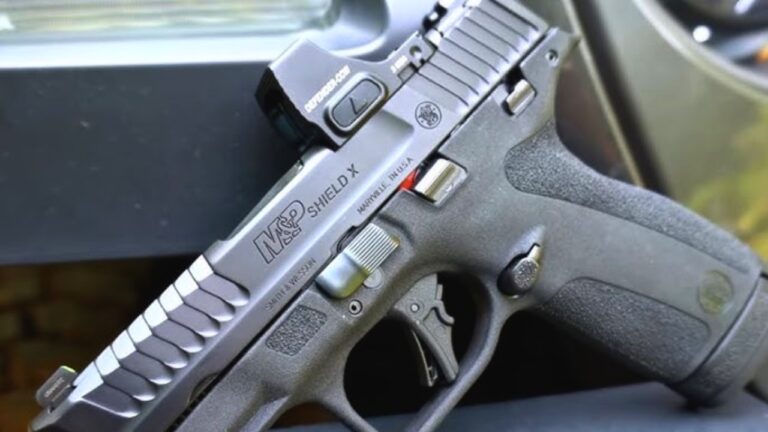
Smith & Wesson M&P9 2.0

The M&P9 2.0 has become a go-to pistol for a lot of shooters who run hard and don’t baby their gear. It tends to keep running when it’s gritty, dry, or overdue for a wipe-down. That’s the kind of reliability you notice when you’re shooting more than a box or two at a time.
Post-cleaning trouble usually comes from lubrication mistakes or from people putting oil in places that collect fouling. If you slather the gun, you’re basically creating a dust magnet. If you strip it dry and forget key contact points, you can make it feel sluggish and rough until it wears back in. The M&P often rewards a practical approach: brush the carbon off the breech face, wipe the rails, add a small amount of oil where it counts, and move on.
CZ 75B

The CZ 75B is beloved because it shoots well and tends to keep working even when it’s dirty. The slide rides inside the frame rails, and the gun often feels smooth and consistent through a lot of shooting. It’s not uncommon for a CZ 75B to keep running while looking like it’s been through a long weekend of range time.
Cleaning-related problems often come from two things: reassembly errors or running it too dry. Some shooters scrub everything, then forget that metal-on-metal contact points still like a touch of lubrication. Others over-lube and end up collecting grit that turns into paste. The CZ 75B is not fragile, but it does appreciate sensible lubrication and consistent reassembly. If you keep your maintenance practical, it’ll usually keep doing what it’s always done—run.
CZ P-10 C

The P-10 C is a striker pistol with a reputation for being steady and reliable, even when it’s dirty. It’s the kind of gun that can eat a lot of ammo without demanding a full teardown, and that’s why it’s earned a loyal following among people who actually shoot.
After cleaning, the common mistake is over-lubing. Too much oil attracts fouling, especially in dusty environments, and that can eventually create drag in places you don’t want it. Another mistake is cleaning so aggressively that you remove all lubrication and run it dry, then wonder why it feels gritty. The P-10 C doesn’t need special treatment. It needs the basics done correctly. Keep lube light and intentional, and don’t get oil into areas where it can migrate and collect debris.
Ruger P89

The Ruger P89 is an old-school tank of a pistol, and it has a reputation for running even when it’s neglected. It’s not sleek, and it’s not trendy, but it’s known for being tolerant of grime and heavy use. A lot of these guns have lived hard lives and still keep feeding.
When a P89 acts up after cleaning, it’s often because the owner did something unusual—like stripping it down, scrubbing everything dry, and then forgetting lubrication points that keep the slide movement smooth. The other issue is using thick oil and then letting it collect grit. The P89 tends to run well with basic care and sensible lubrication. It’s the kind of gun that doesn’t ask for much, and that’s the point. If you keep maintenance straightforward and don’t overthink it, it usually stays dependable.
Springfield Armory XD9

The XD9 has a reputation for running through a lot of shooting with minimal complaints, and plenty of owners have seen them keep going when they’re filthy. It’s a pistol that often gets used hard by people who don’t obsess over maintenance, and it tends to handle that lifestyle pretty well.
The cleaning trap is oil placement. If you over-lube and let oil migrate, you can create a sticky mess that collects residue and slows things down. If you strip everything dry and run it with zero lubrication, you can also create unnecessary friction. The XD9 doesn’t need to be dirty to function, but it’s tolerant when it is. Keep lubrication light, keep the breech face and feed ramp reasonably clean, and focus on consistency. That approach tends to keep XD pistols running the way their owners expect.
FN 509

The FN 509 was built with service use in mind, and it’s known for staying reliable when it’s hot, dirty, and overdue for attention. It’s the kind of pistol that will finish a long training day covered in carbon and still keep cycling, which is exactly what you want if you’re using it for serious practice.
After cleaning, most issues come from overdoing it. Too much oil can collect grit and residue, and too little can leave the gun feeling rough in high-friction spots. Another common self-inflicted problem is getting oil where it can affect the striker system over time. The 509 runs well with modest lubrication and routine cleaning that stays focused on the basics. Wipe it down, brush the nastiest carbon, lube lightly, and you’ll usually get the same reliability you bought it for.
Glock 20

The Glock 20 has a reputation for being a workhorse, and part of that comes from how well it keeps cycling when it’s dirty. The 10mm runs hotter, and the gun often sees field use where dust, sweat, and grit are part of the deal. It’s not unusual to see one keep running long after you’d expect it to start choking.
After a deep clean, the most common self-inflicted issue is lubrication mistakes. Too much oil attracts fouling, and too little can make the gun feel harsh and draggy with full-power loads. Another trap is messing with aftermarket parts and assuming the gun will remain as forgiving as a stock setup. A factory Glock 20 with sensible lubrication and basic maintenance is hard to stop, even when it looks like it should have been cleaned two range trips ago.
Glock 21
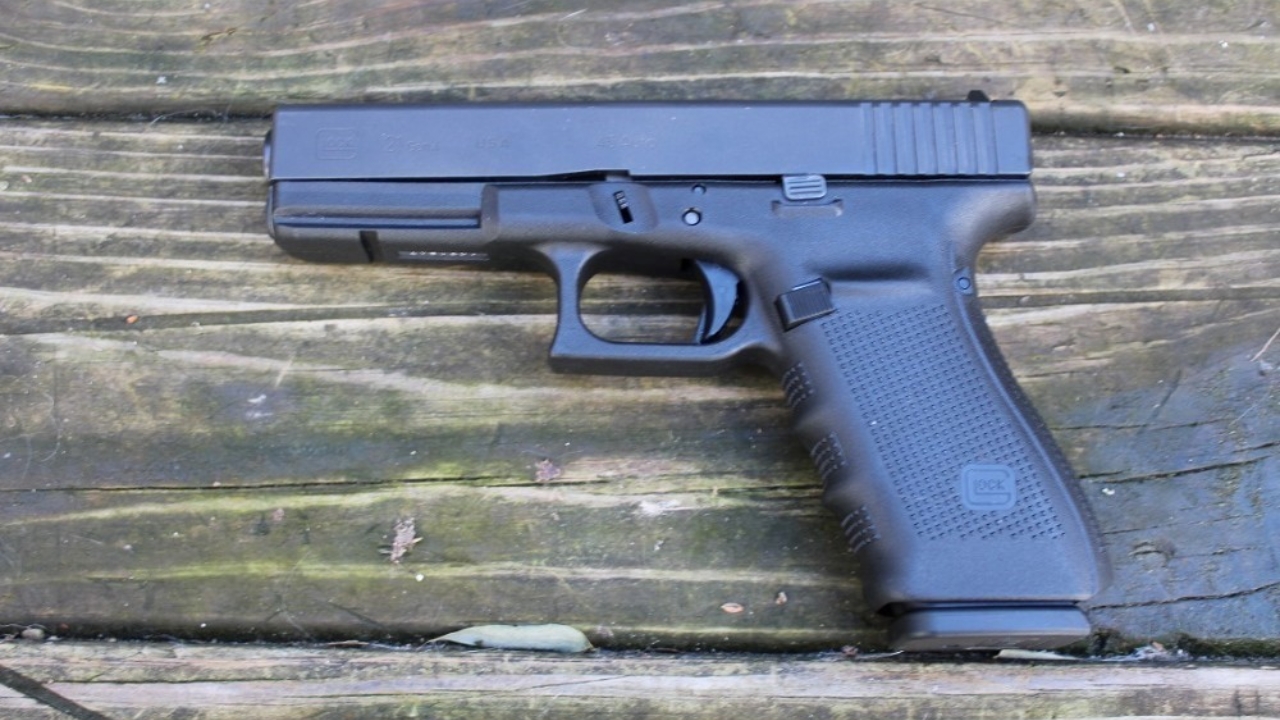
The Glock 21 is another model that tends to shrug off grime and keep going. The .45 ACP is lower pressure than some modern screamers, and the platform’s overall tolerance for dirt has made it a favorite for shooters who want steady function without constant fussing.
When the Glock 21 acts up after cleaning, it’s usually something you introduced. Too much oil can turn powder residue into sludge, especially around the slide rails and breech face. Too aggressive a scrub can also leave you with a dry gun that feels sluggish until it gets a little lubrication again. The 21 rewards the boring approach: clean the obvious carbon, wipe it down, lubricate lightly, and get back to shooting. It doesn’t demand perfection. It demands you don’t overdo it.
SIG Sauer P226
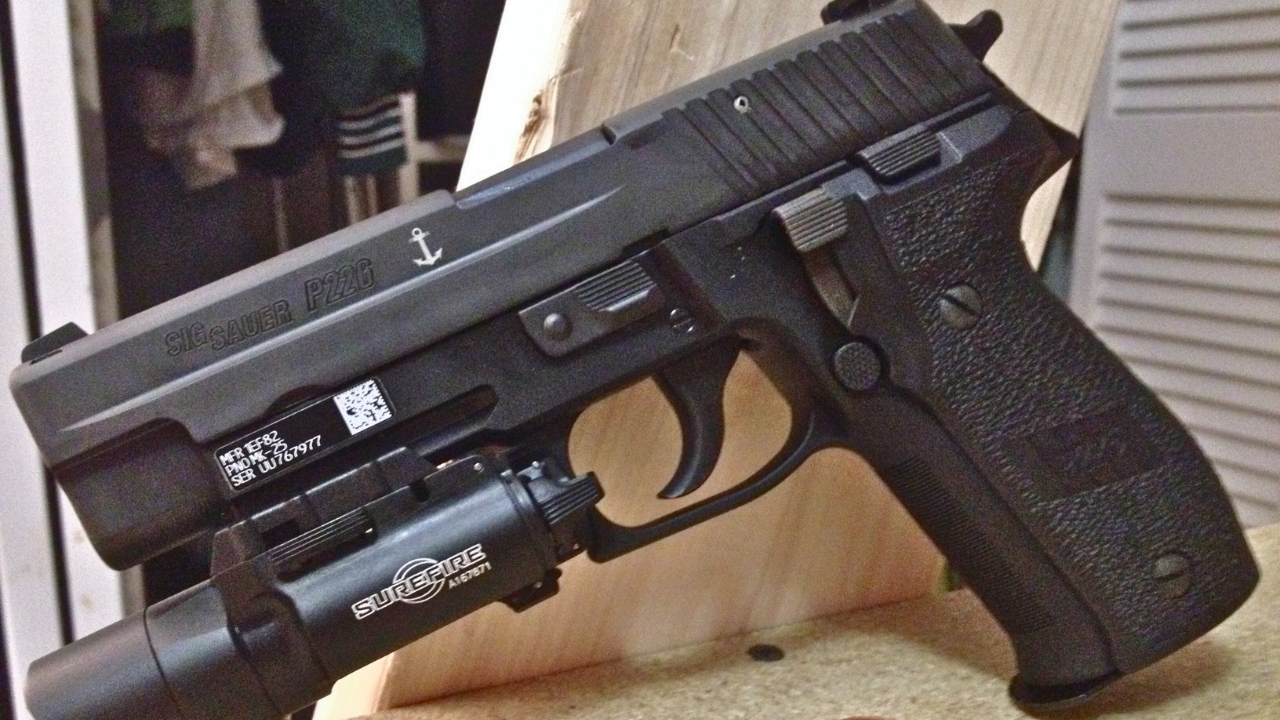
The P226 has earned its reputation the old-fashioned way—by running in real training environments where guns get hot, dirty, and neglected between long days. It’s not unusual for a P226 to keep feeding and ejecting while looking like it’s been living in a range bag for months.
Where owners sometimes stumble is during reassembly and lubrication. DA/SA pistols have more going on than a basic striker gun, and it’s easy to clean everything until it’s dry and then forget the spots that like a touch of oil. It’s also easy to over-lube and end up with grime collecting in places you don’t want it. The P226 isn’t “better dirty,” but it’s tolerant of dirt. It runs best when you keep it lightly lubricated and resist the urge to drown it in oil.
Like The Avid Outdoorsman’s content? Be sure to follow us.
Here’s more from us: