Photo credit: Outpost Range/YouTube
When your heart rate spikes, your grip gets weird. Hands sweat, your fingers clamp in the wrong places, and you start “steering” the gun instead of pressing straight back. With semi-autos, a sloppy grip can also bleed energy out of the cycle. That’s where you hear the term limp-wristing: the slide doesn’t get the full resistance it expects, and you can end up with failures to feed, eject, or lock back.
No pistol is magic, and good technique still matters. But some carry guns are more forgiving because they have a little more mass, a little more grip to hang onto, and a track record of running when conditions aren’t perfect. These are the kinds of handguns that tend to keep cycling even when your grip isn’t textbook—exactly the situation you’re planning for when you carry.
Smith & Wesson M&P 2.0 Compact

The M&P 2.0 Compact is a carry gun that often stays dependable when your grip starts slipping, largely because you can get a strong purchase on it. The grip texture and shape help your hands stay anchored when you’re sweaty, cold, or rushed. Under stress, that “stays put” feeling can be the difference between clean cycling and a bobble.
It also has enough size to behave like a serious pistol instead of a tiny compromise. The slide mass and overall balance help it keep running through imperfect technique. You still need to control the gun, but it’s generally less finicky than ultra-light micro pistols. If you want a carry handgun that feels like a duty gun scaled down, this one is hard to argue with.
SIG Sauer P229

The SIG P229 carries a bit heavier than polymer compacts, but that weight buys you forgiveness. Under stress, extra mass helps the gun cycle and helps you keep the sights from bouncing as violently. When your grip gets uneven or your support hand goes soft, the P229 tends to keep chugging because the platform isn’t razor-thin on margins.
It also gives you a full, confidence-inspiring grip and a slide that doesn’t feel toy-like. That matters when your hands are shaky and you’re trying to run the gun one-handed or from awkward angles. The downside is you feel it on your belt, and you need a real holster and belt setup. But if your priority is a carry pistol that keeps running when you’re not at your best, the P229 has earned that reputation.
Beretta PX4 Storm Compact

The PX4 Storm Compact is one of those pistols that people overlook until they shoot it fast and messy. Its recoil behavior can feel smoother than many similar-size guns, which helps keep your grip from falling apart mid-string. When the gun tracks flatter and returns more predictably, you tend to hold onto it better without thinking.
That matters because sloppy grip under stress often starts as you losing the gun in recoil. A pistol that stays controllable reduces the odds of you “chasing” it with your hands and accidentally causing a cycle issue. The PX4 Compact also has a long track record in hard use circles when set up properly. It’s not the thinnest carry option, but it’s a practical one if you want a pistol that stays composed when you don’t.
CZ 75D PCR

The CZ 75D PCR is forgiving because it sits low in the hand and gives you a grip that feels secure even when your hands are tense and clumsy. That low bore axis and the all-metal frame help it recoil in a way that doesn’t yank the gun out of your grip. Less drama in recoil usually means fewer grip-related problems.
It’s also a carry gun that tends to reward imperfect shooting. When you’re not getting a perfect clamp with your support hand, a heavier, stable pistol is easier to keep cycling and easier to keep on target. The PCR isn’t a tiny gun, but it carries well with the right holster, and it shoots like it’s larger than it is. If you want a carry pistol that feels steady and predictable, it’s a solid choice.
CZ P-01

The CZ P-01 is often trusted for the same reasons as the PCR, with a bit more emphasis on hard-use durability. It’s compact, but it’s not fragile, and it tends to behave like a serious service pistol when you’re shooting quickly. Under stress, that stability helps you keep a workable grip even if your technique is not clean.
The shape of the gun also matters. The grip fills your hand, the frame weight keeps recoil from getting snappy, and the gun tracks in a way that doesn’t punish minor mistakes. Sloppy grip usually shows up as the gun moving too much between shots. The P-01 helps reduce that movement. It’s still smart to practice one-handed and imperfect grips, but this model is the kind of carry gun that generally gives you a wider window for error.
HK P30SK

The HK P30SK is built around the idea that hands come in different shapes and that real grips are rarely perfect. The grip design gives you a lot of contact and control, which helps when stress makes your hands clamp in odd places. If your support hand is late or weak, the pistol still tends to stay seated in your palm instead of shifting.
It’s also a compact that shoots like a bigger gun. That helps because the smaller and lighter a pistol gets, the more it can punish grip flaws. The P30SK is small enough to carry, but not so small that it becomes a specialist tool. If your priority is a carry pistol that still feels controllable when you’re tired, cold, or rushed, the P30SK is one of the better “forgiving” compacts out there.
HK VP9SK

The VP9SK has a similar advantage: it gives you a compact size while still offering a real grip and a stable shooting feel. When your grip gets sloppy, what you need is control you don’t have to think about. The VP9SK’s ergonomics help keep your hands in the right place even when you’re not being careful.
It also tends to run well across a wide range of shooters, which is a polite way of saying it often keeps cycling even when technique isn’t perfect. That’s not a license to get lazy, but it’s a real advantage for a carry gun that might be used under ugly conditions. If you like the idea of a compact pistol that still feels “full” in the hand, the VP9SK is worth serious consideration.
FN 509 Compact

The FN 509 Compact is a tougher, duty-rooted compact that tends to keep its composure when your grip starts to degrade. It has enough slide and frame mass to behave consistently, and it gives you a grip that doesn’t feel like you’re pinching a tool handle. Under stress, that matters because you’re trying to manage recoil and run the trigger at the same time.
It’s also a pistol that feels like it was designed to be handled roughly. Sweaty hands, compromised positions, one-handed shooting—those are real-life problems, not range-day fantasies. The 509 Compact isn’t the lightest option, but the size works in your favor when you want forgiveness. If you want a carry gun that leans toward “service pistol reliability” instead of “micro pistol convenience,” it’s a strong pick.
Walther PDP Compact

The Walther PDP Compact is often chosen for shootability, and that’s directly tied to sloppy-grip reliability. When a pistol is easy to control, you’re less likely to lose your grip, and less likely to induce problems while trying to recover. The PDP’s grip and recoil behavior help you stay locked in when you start pushing speed.
It also tends to give you a very clear, easy-to-track sight picture, which helps keep your hands honest. A lot of grip mistakes happen because you’re trying to steer the gun back to target between shots. When the pistol tracks predictably, you don’t do that as much. The PDP Compact is not a tiny gun, but it carries well for many people and shoots like a larger pistol. That “shoots bigger than it is” quality is real.
Ruger SP101 (3″)

If you want a carry gun that doesn’t care about limp-wristing, a revolver changes the whole conversation. The Ruger SP101, especially in a 3-inch setup, gives you .357 Magnum capability in a package that’s still carry-friendly while being far more controllable than the lightest snubs. The extra weight and longer barrel tame recoil and help you make better hits.
It also runs independent of your grip in a way semi-autos can’t. If your hand is half-frozen or your support hand disappears, the gun still cycles because you’re the one turning the cylinder. The tradeoff is capacity and reload speed, and you need to be honest about that. But for “works when your grip gets sloppy,” a sturdy revolver like the SP101 is a very real answer.
Smith & Wesson Model 640

The S&W 640 is another revolver option that stays dependable when your grip is compromised, and it adds the advantage of an enclosed hammer for snag-free carry. Under stress, snags and fumbles are real, and the 640’s design helps keep the draw clean. It’s a small gun, but the steel frame adds enough weight to make it more controllable than ultra-light snubs.
You still have to manage a double-action trigger, and that takes practice. But the gun doesn’t depend on your wrist stiffness to run. If you’re dealing with one-handed shooting, awkward angles, or a rushed, imperfect grip, a revolver can keep doing what it does. The 640 is a practical carry wheelgun for people who want mechanical forgiveness, even if it asks more from you on reloads.
SIG Sauer P320 Compact

The P320 Compact can be a forgiving carry pistol because it’s large enough to give you control and stable cycling while still being realistic to conceal. When your grip gets sloppy, you want a gun that isn’t twitchy. A compact that’s closer to duty size often gives you that, especially compared to the smallest carry pistols.
It also gives you a grip that supports a strong, consistent hold, which is half the battle. Many grip-related failures come from the shooter losing the gun in recoil and trying to “catch up” mid-cycle. A larger compact helps prevent that. The P320 Compact still requires proper setup and quality magazines, but in terms of handling, it tends to be easier to run under stress than most micro-sized options.
Springfield Armory XD-E (3.3″)

The Springfield XD-E is a slightly different carry option, and part of its strength under stress is that it’s not built around being the tiniest gun possible. It gives you a real grip and a stable shooting feel in a compact package. When your hands get clumsy, that extra purchase can keep you from short-gripping the pistol and causing problems.
It’s also a pistol many people find straightforward to operate once they’ve trained with it, and predictability matters under pressure. A carry gun that feels consistent in recoil and controls is easier to run when your fine motor skills are slipping. The XD-E is not the most common modern pick, but it’s a practical example of a compact that tends to behave better than ultra-light micros when your grip isn’t perfect.
Beretta 92 Compact

The Beretta 92 Compact brings a bigger-gun shooting experience into a carryable size, and that’s exactly what you want for sloppy-grip forgiveness. The platform’s weight and balance help it cycle consistently and track smoothly in recoil. When you’re stressed and your grip is uneven, a steadier pistol is less likely to get weird on you.
It also gives you a grip shape that many hands lock into naturally. That matters because a lot of “sloppy grip” is really you not being able to anchor the gun the same way every time. The 92 Compact can be a bit thicker to carry, but it pays you back at the range and in realistic practice. If you want a carry pistol that behaves like a duty gun when you’re not at your best, it’s still a strong option.
Glock 19

The Glock 19 has a long reputation for running when things get less-than-ideal, and part of that is the balance it strikes. It’s big enough to give you a real grip and enough slide mass to cycle consistently, but still compact enough to carry daily. When your hands clamp unevenly under stress, that extra grip surface matters more than people admit.
It’s also a pistol that tolerates a wide spread of shooting styles. You can get lazy with your support hand, choke too high, or grip too low, and it often still cycles. That doesn’t mean you ignore fundamentals, but it does mean the gun isn’t constantly punishing you for small errors. If you want a boring, predictable carry pistol that tends to keep running, this is the baseline many others get compared to.
Glock 26
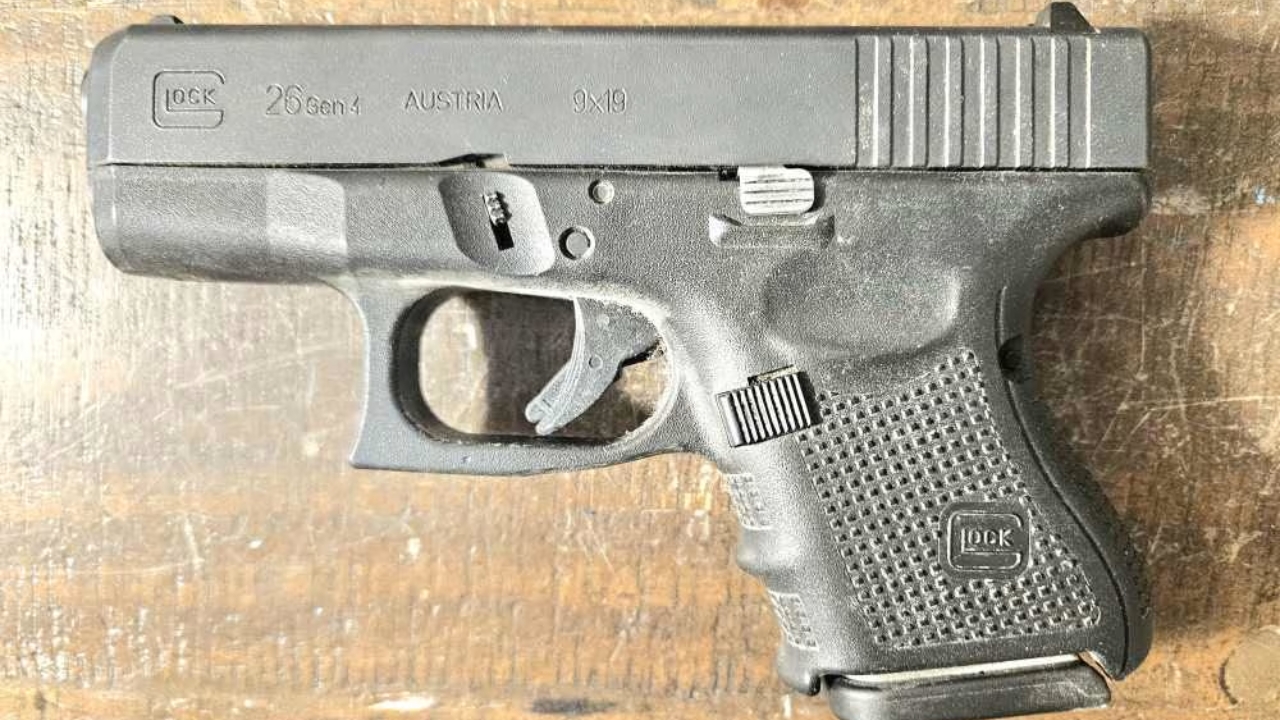
The Glock 26 is short, but it’s not as twitchy as many micro-compacts because the platform still has a solid slide mass and a proven operating setup. With the right magazine baseplate or a magazine that gives you a fuller grip, it becomes noticeably easier to hold onto when your hands aren’t cooperating.
A lot of new carriers find the 26 more forgiving than thinner, lighter guns in the same role. It can still be shot with a sloppy grip and often keep cycling, especially compared to tiny pistols that have less margin. The tradeoff is that the short grip can encourage pinky-float, and that’s where you need to be honest with yourself. Set it up so you can actually lock your hand in, and it tends to run.
Like The Avid Outdoorsman’s content? Subscribe to our newsletter so you never miss an article.
Here’s more from us: