Photo credit: BERETTA9mmUSA/YouTube
Ammo changes shouldn’t turn a “reliable” gun into a jam-o-matic. But in the real world, it happens all the time—especially when you jump between bullet shapes, overall lengths, case coatings, pressure curves, and primer hardness. Some guns are tuned tight. Some have short dwell time. Some have finicky magazines. And some run fine… until you swap from the one load they like to the one you actually found on sale.
If you want true reliability, you test more than one brand and more than one load type. You also pay attention to what changed: recoil impulse, bullet profile, rim thickness, case finish, and velocity. The guns below have a reputation for running well—right up until you change ammo brands and discover they’ve got preferences you didn’t know you were signing up for.
Kimber 1911 (Ultra Carry / Pro Carry series)

Kimber compacts can feel great in the hand, and many of them run perfectly with the exact hollow point they were “married” to early on. Then you grab a different brand—maybe a shorter OAL, a wider cavity, or a different ogive—and suddenly you’re seeing nose-dives and three-point jams you didn’t have last weekend.
A lot of it comes down to timing and feed geometry in a shorter 1911. The gun is working with less slide travel and less margin. If your mags are slightly tired or the recoil spring is on the edge, a load change exposes it fast. If you carry one, prove it with at least two hollow points and a couple ball loads, not one “lucky” box.
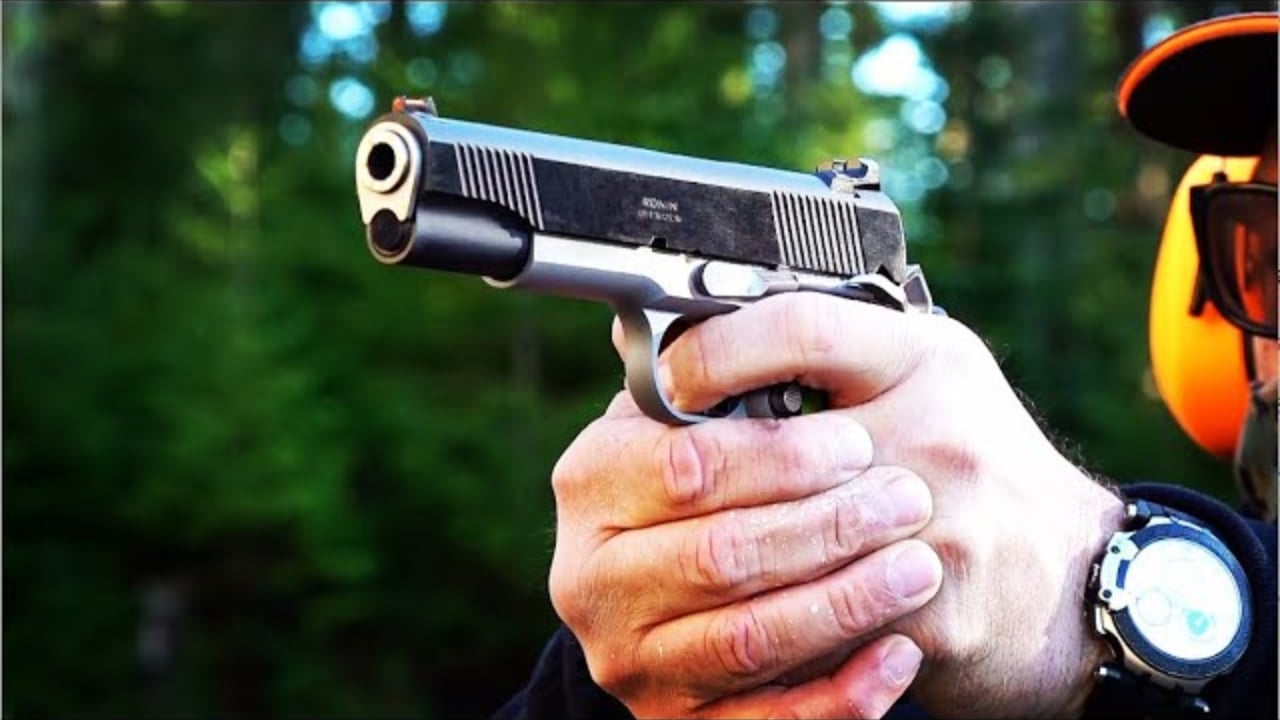
Springfield Armory 1911 Ronin 9mm

The Ronin 9mm is a slick shooter when everything lines up, but 1911s in 9mm can be more ammo-sensitive than people admit. Swap from round-nose range ammo to a short, blunt defensive load and you can go from smooth feeding to occasional hang-ups that make you question the gun.
What’s happening is usually a mix of bullet profile and magazine behavior. Some 9mm 1911 mags present the round differently depending on spring tension and follower design, and certain hollow points don’t like that feed angle. If yours runs one brand flawlessly, don’t assume it’s “done.” Find a second load that runs, and keep recoil springs fresh so timing doesn’t drift.
SIG Sauer P365 (original / XL)

The P365 is famous for packing a lot into a small gun, and most examples run hard. But it’s also compact enough that you’ll notice differences between weak range ammo and hotter loads. Change brands and the recoil impulse can shift enough to show up as occasional failures to return to battery—especially when the gun is dry or the shooter grip is inconsistent.
You’ll see it most often with softer loads or ammo that’s on the short side. The P365’s small slide and spring setup doesn’t have the same forgiving mass as a duty pistol. The fix is usually boring: run quality ammo, keep it lightly lubricated, and test at least a couple brands. If one load feels “mushy,” don’t be shocked when the gun gets picky.
Springfield Armory Hellcat

The Hellcat is another micro-compact that can be perfectly dependable—until you start mixing ammo types. Some Hellcats will happily eat one brand of 115-grain all day, then get weird with a flat-nose 147 or a shorter hollow point that changes the feed angle.
A lot of micro guns live on tight timing. The Hellcat’s springs, slide speed, and short feed path can amplify small differences in bullet shape and overall length. You don’t need to panic about it, but you do need to verify. If you’re going to carry it, test your carry load plus at least one other brand. And if you’re seeing stutters, look at your magazine condition and the ammo profile before you blame the gun.
Glock 43X

The 43X has a reputation for Glock-level dependability, and with factory mags and quality ammo, it usually earns it. But when you change ammo brands, you can run into a different kind of issue: the gun cycles fine, but the feed feels less smooth, or you get occasional failures with a particular hollow point shape.
Glocks tend to be tolerant, but the slimline guns can show preferences with certain flat-nose loads, especially if you’re also changing recoil impulse and slide speed. Most of the time, the fix is simply choosing a different bullet profile. Don’t get stuck defending a load that clearly doesn’t run well in your gun. If you’re carrying a 43X, your carry ammo needs to be boringly reliable, not “pretty” on paper.
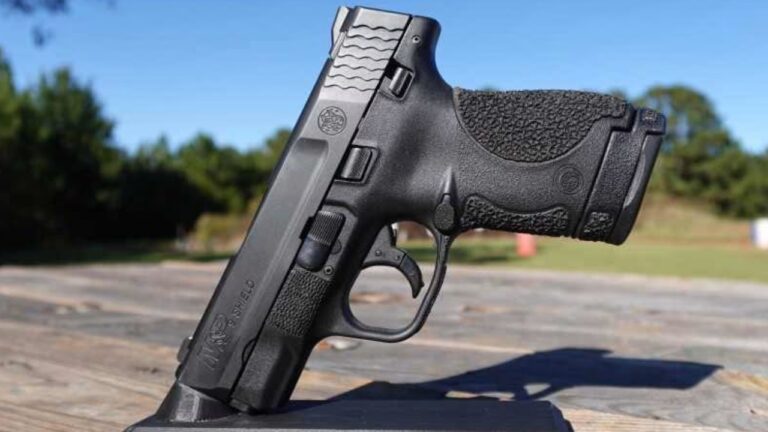
Smith & Wesson M&P Shield (9mm)

The original Shield is a proven carry pistol, but it can show ammo sensitivity when you jump between underpowered practice loads and hotter defensive ammo. Change brands and you might see the occasional failure to eject or a weak ejection pattern that turns into brass to the face.
That doesn’t always mean the gun is “bad.” It often means the ammo is soft, inconsistent, or using a different pressure curve than what the gun likes. The Shield is small enough that it doesn’t have infinite slide mass to smooth everything out. Keep it lightly lubed, don’t run it bone dry, and pick practice ammo that’s reasonably close to your carry ammo’s recoil impulse. You want repeatable behavior, not surprises.
Ruger LCP II (.380 ACP)

The LCP II is a classic example of a pistol that can be very dependable within its lane—and very picky outside it. .380 ammo varies a lot in shape and power, and tiny pistols magnify those differences. Change brands and you may suddenly see failures to feed with a blunt hollow point or inconsistent cycling with weak practice loads.
The short slide travel and light weight don’t give you much extra room for error. Bullet profile matters, and so does the overall “feel” of the load. If you carry an LCP II, you’re doing it for size, not because it’s forgiving. Prove a carry load, stick with it, and don’t assume the next sale box will behave the same. Micro .380s can be honest about that in a hurry.
Walther PPK/S (.380 ACP)

The PPK/S has style and history, but it’s also a design that can be surprisingly ammo-sensitive. Change brands and you may see feeding hesitation, odd extraction behavior, or slide bite on your confidence when the gun suddenly doesn’t run as smoothly as it did last month.
A lot of it comes down to .380’s wide variation and the PPK/S’s geometry. Some loads have different rim dimensions, different case finishes, and different bullet shapes that don’t play nicely with an older-style feed system. If you run one, pick ammo it likes and don’t wander too far. And if you’re going to trust it for carry, you need real testing—because “it ran one box” doesn’t mean much with a pistol this ammo-sensitive.
Beretta 21A Bobcat (.22 LR)
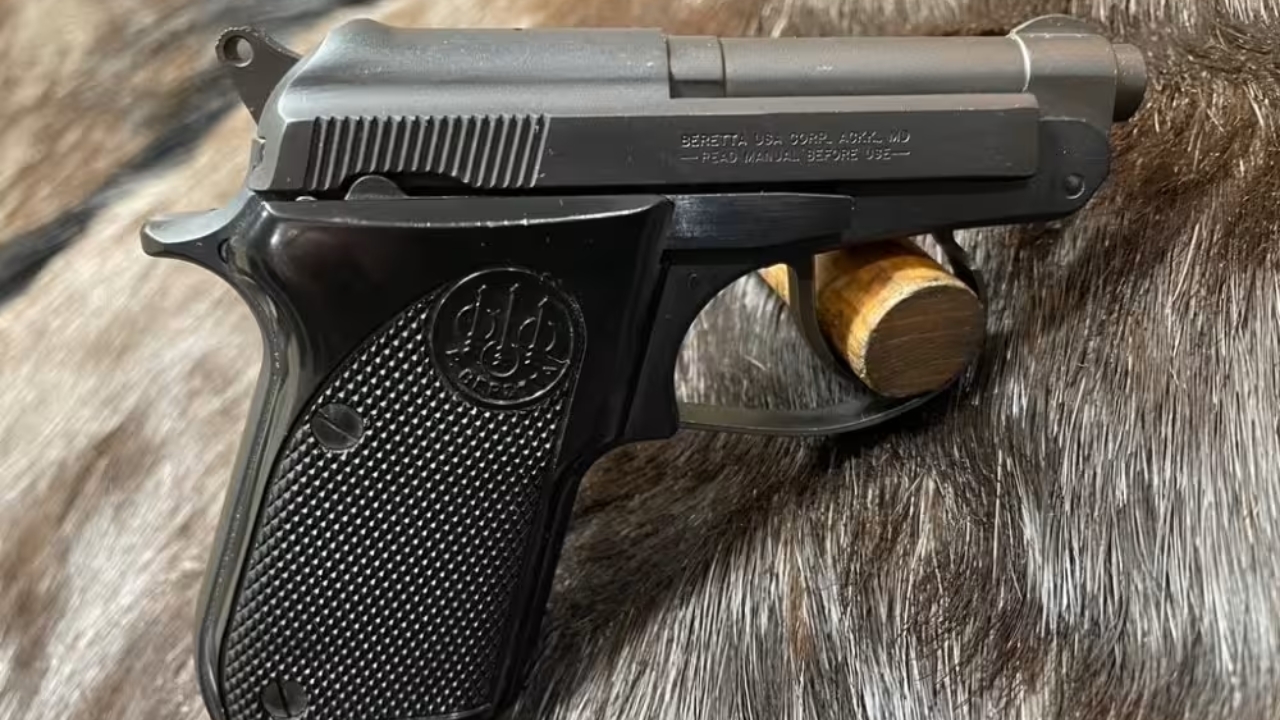
Rimfire is where ammo sensitivity becomes a lifestyle, and the Beretta 21A is a great example. It’s a fun little pistol, and with the right ammo it can run well. Then you change brands and suddenly you’re dealing with failures to fire from harder primers or failures to extract from inconsistent rim dimensions.
That’s not a knock on the gun as much as a reality of .22 LR. Different brands vary wildly in priming consistency, case wax, and velocity. The Bobcat’s small size doesn’t help, and dirty rimfire fouling builds quickly. If you want it to run, you pick reliable, high-quality .22 LR, keep it reasonably clean, and don’t expect bargain bulk to behave the same as premium loads. Rimfire rewards discipline.
Ruger Mark IV (Standard / 22/45)

The Mark IV is one of the most dependable .22 pistols out there, but it still plays the rimfire game. Change ammo brands and you can see a shift in cycling reliability—especially when you move from hotter high-velocity loads to softer standard-velocity ammo that doesn’t have the same impulse.
Most Mark IV issues that show up “after switching ammo” end up being a mix of the new ammo’s power level and how dirty the gun is. Rimfire fouling builds fast, and a load that was barely enough to cycle a clean gun might not cycle a dirty one. If you want it to run across brands, keep the chamber clean, keep the bolt face clean, and avoid the weakest bargain ammo when you’re expecting flawless function.
AR-15 with a .223 Wylde match chamber (tight chamber builds)

A tight .223 Wylde match chamber can shoot incredibly well, and then you change ammo brands and start seeing failures to fully chamber or sticky extraction. It’s not always the ammo being “bad.” Sometimes the chamber is simply less forgiving of case dimensions, coatings, and pressure differences.
Switching from brass-cased, full-power 5.56 to softer .223 loads can also change cycling behavior—especially if the rifle is gassed on the edge for smooth recoil. If your AR runs one brand like a sewing machine and starts acting up with another, don’t ignore it. Check chamber cleanliness, confirm your gas system isn’t undergassed for the new load, and remember that match-style setups trade some tolerance for performance.
CZ 75B

The CZ 75B is beloved for good reasons, but it can show preferences with certain 9mm bullet profiles. Change ammo brands—especially to a blunt-nose load—and you might notice occasional feed hesitations that weren’t there with round-nose practice ammo.
A lot of that comes down to how the CZ feeds from the magazine and the feed ramp geometry. It’s usually not dramatic, but it’s enough to matter if you’re trying to pick a defensive load and assume “any hollow point will do.” If you carry a CZ 75 variant, test a couple hollow points with different profiles. When you find one it likes, you’ll usually get boring reliability. But you don’t want to discover your pistol’s preferences on a bad day.
SIG Sauer P226 (9mm)

The P226 is a duty-class pistol with a strong reputation, but even it can show ammo-related quirks. Change brands and you might see differences in ejection pattern or occasional failures with low-powered practice ammo—especially if the recoil spring is fresh and the ammo is soft.
The P226 tends to run best on ammo that has consistent pressure and a normal recoil impulse. When you go bargain shopping, you sometimes buy inconsistency. That inconsistency shows up as weak extraction, stovepipes, or erratic ejection that turns into reliability concerns over time. The pistol isn’t “fragile,” but it’s honest. If you’re running cheap ammo for volume, pick a brand that’s consistent and stick with it. Your gun will thank you.
Remington 597 (.22 LR)

The Remington 597 can be a fun .22 rifle when it’s sorted, and it can also be the kind of gun that runs great with one ammo brand and turns sour with another. Change brands and you might get failures to feed, failures to extract, or inconsistent cycling that makes you start swapping magazines and blaming everything.
Again, rimfire variation plays a huge role, but the 597’s system can be less tolerant than some other .22 rifles. Ammo wax, rim thickness, and velocity all matter. If you want a 597 to behave, keep it clean, use quality ammo, and don’t mix and match bulk packs expecting identical results. When you find what it likes, it can run fine. When you don’t, it can waste your range time fast.
Ruger Mini-14

The Mini-14 is a classic “ranch rifle,” and many of them run well for years. But switch ammo brands—especially between .223 and 5.56 loads with different pressure—and you can see changes in cycling behavior that feel like the rifle suddenly developed a personality.
Some Minis toss brass hard with hotter ammo and feel sluggish with softer loads. That change can show up as occasional short-stroking, weak ejection, or inconsistent feeding depending on magazine quality. Minis also tend to be more magazine-sensitive than people like to admit, and ammo changes can expose that. If you want it dependable, use good mags, choose consistent ammo, and confirm function after any change. The Mini will usually tell you what it likes.
Mossberg 930 (12 gauge)

Shotguns don’t get enough credit for ammo sensitivity, and the Mossberg 930 is a prime example. It can run great with heavier field loads and then choke when you switch to lighter target loads—or vice versa—depending on the setup and how clean the gun is.
Gas systems and friction matter, and different brands of shells can vary in power more than you’d think. If the 930 is dirty, marginal ammo gets exposed fast. The fix is usually straightforward: keep the gas system clean, use loads that match the gun’s preferences, and don’t assume every “cheap birdshot” is interchangeable. If you’re using it for defense or hard use, you want a tested load that cycles every time, not whatever was cheapest at the counter.
Like The Avid Outdoorsman’s content? Be sure to follow us.
Here’s more from us: