
A pistol can look flawless when you’re slow-firing at seven yards. The real truth comes out when you start running drills—draws, reloads, one-handed strings, rapid splits, and a little grit in the gun from holster carry. That’s when marginal extractor tension shows up. That’s when magazines that “seem fine” start nose-diving rounds. That’s when a pistol that’s supposedly duty-ready starts choking because it doesn’t like heat, speed, or being slightly out of perfect alignment.
Some of these problems are design choices. Some are quality control. Some are the harsh reality of tiny carry guns being asked to run like full-size service pistols. Either way, if you’ve ever had a gun run 200 rounds of slow fire and then fall apart during simple cadence drills, you know the frustration. These are pistols that should be reliable, but often aren’t once you start pushing them.
Kimber Solo

The Solo looks like it should be a premium carry pistol, and early impressions can be great. It points well, feels tight, and shoots accurately enough to impress you on slow fire. Then you run drills and it starts showing a pattern: it wants specific ammo and it wants it clean.
Once you start moving fast—rapid strings, reloads, and heat—the Solo’s tolerance stack and spring setup can turn into feeding problems and sluggish cycling. It can be picky with lighter loads, and that pickiness becomes obvious when you’re not babying it. Some examples run well, but enough don’t that it’s earned a reputation for being more temperamental than a serious carry gun should be. If your pistol needs “the right mood” to run, drills will find that out.
SIG Sauer Mosquito

The Mosquito was marketed as a trainer, but drills expose its weak spot fast: inconsistent cycling. Slow fire might look fine, especially with ammo it likes. Once you start cadence work, you see the stovepipes, failures to feed, and random short-stroking that make you lose rhythm.
A lot of it comes down to ammo sensitivity and the way the gun handles fouling. Rimfire pistols are already touchy, and the Mosquito magnifies that with a design that doesn’t tolerate small changes well. As soon as the gun gets a little dirty, or the ammo varies, your drill becomes a malfunction-clearing session. If your goal is efficient practice, the Mosquito can feel like it’s fighting you.
Walther P22

The P22 is fun at first. It’s compact, it feels good in the hand, and it can run well for a magazine or two when it’s clean and the ammo is hot enough. Then you start doing real practice—strings, reloads, and a few hundred rounds—and the cracks show up.
Extractor wear, feed issues, and general rimfire sensitivity become hard to ignore. The gun tends to lose its “easy” reliability as it heats up and fouls. That’s the thing about drills: they compress time and stress the system. The P22 often doesn’t keep up, and the stoppages aren’t always predictable. If you want a .22 that builds confidence through repetition, this isn’t the one. It’s a plinker that can turn frustrating fast when you try to run it like a trainer.
Remington R51

The R51 should have been a home run: compact, good ergonomics, and a design meant to shoot soft. On the range, some examples feel great at first. But as soon as you start running drills, you find the reliability issues that haunted the platform—failures to feed, odd stoppages, and inconsistent cycling.
The biggest problem is that it’s hard to trust across round counts and across ammo types. Drills expose those inconsistencies because you’re not giving the gun time to “reset” between shots, and you’re not handling it gently. Even after revisions, the R51’s reputation never fully recovered. A carry pistol that looks good but can’t keep pace under speed is a liability. The R51 is one of the clearest examples of that.
Taurus PT709 Slim

The PT709 Slim often runs well enough when you’re doing casual shooting. It’s easy to carry, the size makes sense, and you can convince yourself you found a bargain. Then drills start revealing what long-time users complain about: inconsistent extraction, occasional feeding issues, and triggers that don’t always feel the same under speed.
Small parts wear and magazine behavior tend to show up when you’re pushing pace. If you’re running reload drills, a magazine that’s slightly out of spec becomes a problem immediately. If you’re running fast strings, any weakness in extraction shows up as a stoppage at the worst time. Some PT709s behave, but enough don’t that it’s not a pistol you want to discover problems with under pressure. Drills are where it stops feeling “fine.”
Taurus PT111 G2 and G2c

The PT111 line became popular because it offered features people wanted at a low price. On paper, it should run like a basic striker-fired pistol. In reality, drills can uncover spotty quality control: erratic ejection, occasional failures to return to battery, and magazines that aren’t always consistent gun to gun.
When you shoot slowly, you might never see it. When you shoot fast, heat and timing matter, and small inconsistencies become malfunctions. Some owners get a good one and swear by it. Others get one that starts acting up as soon as the round count climbs. That unpredictability is exactly what drills bring to the surface. A pistol that’s supposed to be boringly reliable should not feel like a roll of the dice.
Springfield XD-S in .45 ACP

The XD-S is a carry-friendly .45 that can shoot well, and many people like how it feels in hand. The issue is what happens when you run drills in a small, light .45. Timing and recoil management become more demanding, and the gun can show sensitivity as it heats up and gets dirty.
Failures to feed, sluggish return to battery, and extractor behavior are the kinds of issues that can appear when you’re pushing pace with a stout cartridge in a compact package. Some of it is the reality of the platform. A tiny .45 has less margin for error than a full-size duty gun. Drills make that margin obvious. If you want a pistol that runs the same whether you’re slow firing or running a timer, small .45s are where surprises often show up.
Glock 42

The Glock 42 is a solid little pistol, but drills can expose something people don’t expect: .380 pistols can be more sensitive than 9mms when the gun is very light and the ammo varies. The G42 is usually reliable, yet fast strings and weak practice ammo can bring out occasional failures to feed or short-stroking in some setups.
It also highlights the difference between “carry reliable” and “drill reliable.” When you’re doing rapid cadence work, you’re stacking heat, speed, and grip changes. A light .380 gives you less momentum to power through marginal ammo or a sloppy grip. The gun can still be a good carry choice, but it teaches you a lesson. If your drills are aggressive, you’ll see quickly whether your ammo and your grip are truly consistent.
Early-production SIG P365

The P365 changed the carry world, but early guns had issues that became obvious under hard use. Some users reported striker-related problems and other hiccups that didn’t always show up in casual range sessions. Drills, with their fast cadence and higher round counts, were where reliability questions got loud.
Later production improved a lot, and many current P365s run extremely well. Still, the early reputation came from real patterns, not internet drama. Small guns are less forgiving, and a micro-compact that’s pushed hard will reveal weaknesses sooner than a full-size pistol. If you’re buying used, the production era matters. Drills are the filter that separates “it’s fine” from “this thing is built to run.”
SIG Sauer P238

The P238 is a handy little .380 with a great feel, but it can be more sensitive than it looks. Drills can expose ammo pickiness and occasional feeding issues, especially if magazines are worn or the gun is run hard without staying on top of maintenance.
Micro pistols live in a world of short springs and limited slide travel. When you start doing rapid strings, heat and fouling can tighten the window. A pistol that ran fine for slow fire can start getting sluggish or inconsistent. The P238 can be reliable, but it’s not always the “runs no matter what” gun people assume it is. If you plan to drill with it, you learn quickly that tiny pistols often require more attention than full-size guns.
Ruger LCP

The LCP is designed to be carried a lot and shot a little, and drills expose that reality fast. It can be reliable for what it is, but when you start running strings, reloads, and one-handed work, the limitations show. Short grips, light weight, and .380 timing can lead to occasional hiccups if your grip changes or the ammo isn’t consistent.
The LCP also heats up quickly, and fouling builds fast in small guns. That matters because micro pistols don’t have much extra energy in the system to overcome friction. It’s not a knock on the design. It’s a reminder of what it was built for. If you want a pistol to run like a duty gun under a timer, tiny pocket guns are where disappointment starts.
Beretta Tomcat

The Tomcat is charming and practical in its own lane, but drills can turn it into a malfunction machine if you’re not careful. Small .32 pistols often run on a narrow reliability window, and the Tomcat’s design and ammo sensitivity can show up once you start shooting fast.
Heat, fouling, and inconsistent grip can cause failures that you won’t see in slow fire. The tip-up barrel is convenient, but it doesn’t make the gun a high-volume trainer. If you try to run drill after drill, you may see stoppages that feel random. The Tomcat can be a good niche carry gun for some people, but it’s not built to take sustained, fast-paced practice without demanding attention.
Smith & Wesson Bodyguard .380

The Bodyguard is a common carry choice because it’s small and affordable, but drills often expose inconsistent performance. Some examples run fine, while others show failures to feed, weak ejection, or slide timing issues once you start shooting fast and stacking rounds.
The tiny size is part of it. There’s less mass, less travel, and less forgiveness if your grip isn’t locked in. The other part is that these pistols can vary more than you’d like from one sample to another. Under casual use you might never notice. Under a timer, everything gets more honest. If you plan to carry a micro pistol, you want one that you can run hard without drama. This is one that too often turns drills into a troubleshooting session.
SCCY CPX series

SCCY pistols are often bought as budget carry guns, and they can seem fine on the first range trip. The problem is what happens when you try to run them like a serious defensive pistol. Drills can reveal inconsistent ejection, feeding problems, and durability issues that show up faster than you’d expect.
A lot of it comes down to quality control and the limits of a low-cost build. Some people get one that runs. Others get one that becomes a jam factory once the round count climbs. When you’re practicing reloads and fast strings, any weakness in magazines or extraction becomes obvious. A carry gun should feel boring under drills. If you find yourself constantly diagnosing, you’re not training anymore. You’re babysitting.
CZ 75 clones with inconsistent magazines
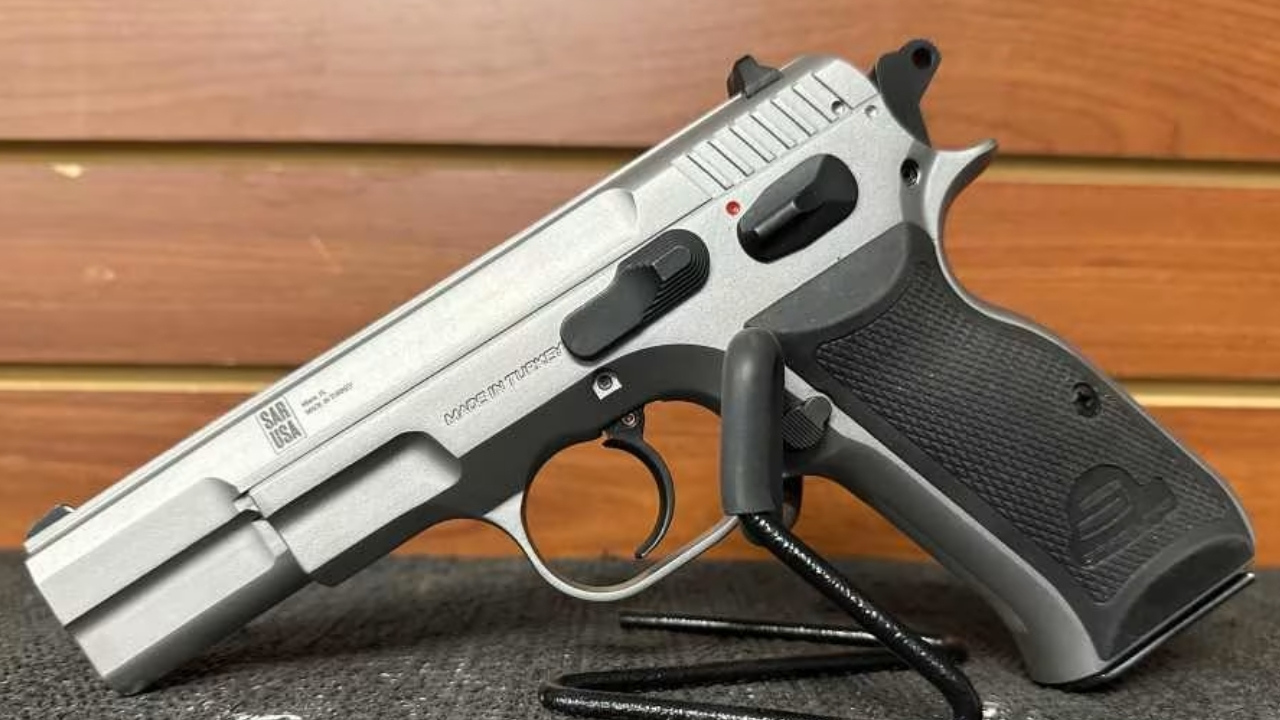
The CZ 75 pattern is usually reliable, but some clones can become drill-problem guns because of magazines and parts tolerance. Slow fire can look perfect. Then you start running reload drills and the mags start causing nose-dives, inconsistent lockback, or feeding issues that don’t show up until you’re moving fast.
The pistol itself may be fine. The weak link is often the support gear—magazines, springs, and small parts that vary by manufacturer. Drills punish weak mags because you’re slamming them in, shooting fast, and heating the gun up. If you’ve got a CZ-pattern clone and it starts acting up during drills, the first place to look is magazine quality and spring health. The design can run. The execution is what gets people.
Like The Avid Outdoorsman’s content? Be sure to follow us.
Here’s more from us:


