Photo credit: Olde English Outfitters/YouTube
Some pistols feel great when they’re new, then develop slop, odd wear, or reliability quirks as round count climbs. The pistols below have a reputation for staying mechanically consistent—lockup still feels right, accuracy doesn’t fall off a cliff, and the gun doesn’t start rattling itself into problems—as long as you replace normal wear parts on schedule.
Here are 15 pistols that tend to stay “tight” after real use.
Glock 17 (Gen5)

A Glock 17 will wear in, but it usually doesn’t wear out in any dramatic way if you keep up with springs. The slide-to-frame fit isn’t meant to feel like a bank vault, yet the gun keeps its functional consistency even after long round counts. That’s why so many high-volume shooters keep them around.
What makes the 17 stand out is that it doesn’t need pampering to remain predictable. Replace recoil springs and other consumables when you should, and it’ll keep running and keep shooting to the same point-of-impact behavior you’ve trained with.
Glock 19 (Gen5)
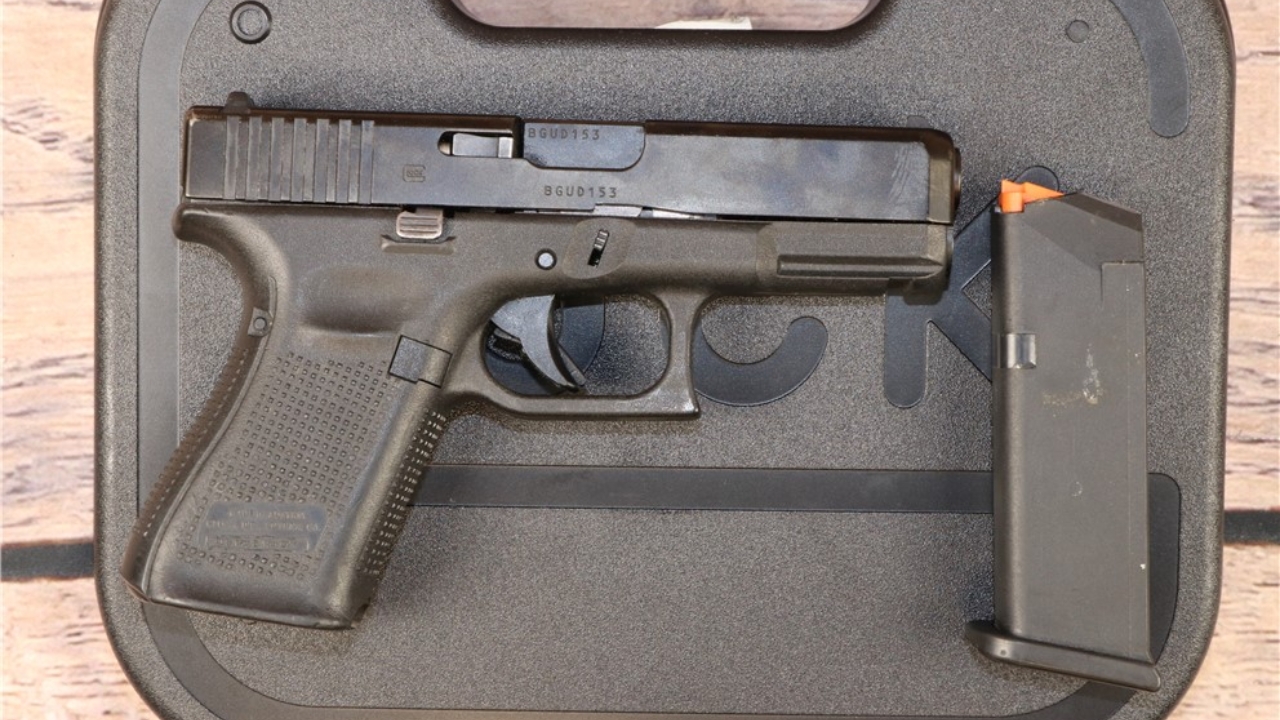
The 19 has the same “keeps behaving” advantage. It might not feel fancy, but it doesn’t tend to develop weird personality traits with age. The gun stays familiar, which matters more than people think—because you want your training reps to translate year after year.
Keep the internals mostly stock, use quality mags, and don’t run it dry for thousands of rounds straight. Do that, and the Glock 19 is one of the most consistent long-term pistols you can own.
SIG Sauer P226 (9mm)

The P226 is known for longevity when it’s maintained correctly. It’s a gun that takes high-volume use well, and many shooters find that it keeps its “solid” feel over time. The lockup, barrel fit, and overall build tend to stay consistent through real mileage.
You’re still on the hook for springs and normal parts replacement, but that’s not a flaw—that’s reality. The point is that after thousands of rounds, the P226 still feels like a serious gun rather than a gun that’s starting to feel loose and tired.
Beretta 92FS / 92G

The 92 series has a long history of high round counts, and many examples stay mechanically consistent longer than people expect. They can develop some rattle, but that doesn’t automatically translate to degraded performance. Plenty of 92s keep shooting well with serious mileage.
The important piece is maintenance and mags. When the gun is cared for, it tends to keep that smooth cycling and stable feel that makes it easy to shoot accurately. It’s one of the reasons people who actually run Berettas tend to stick with them.
CZ 75B

CZ 75s tend to “settle in” nicely and keep going. They’re known for durability, and a lot of owners rack up big round counts without the gun turning sloppy or inconsistent. The steel frame helps the pistol maintain that solid, stable feel.
You do need to keep up with recoil springs and wear items like any other pistol. But the CZ 75B has a well-earned reputation for remaining a dependable shooter long after the honeymoon phase is over.
HK USP (9mm / .45)
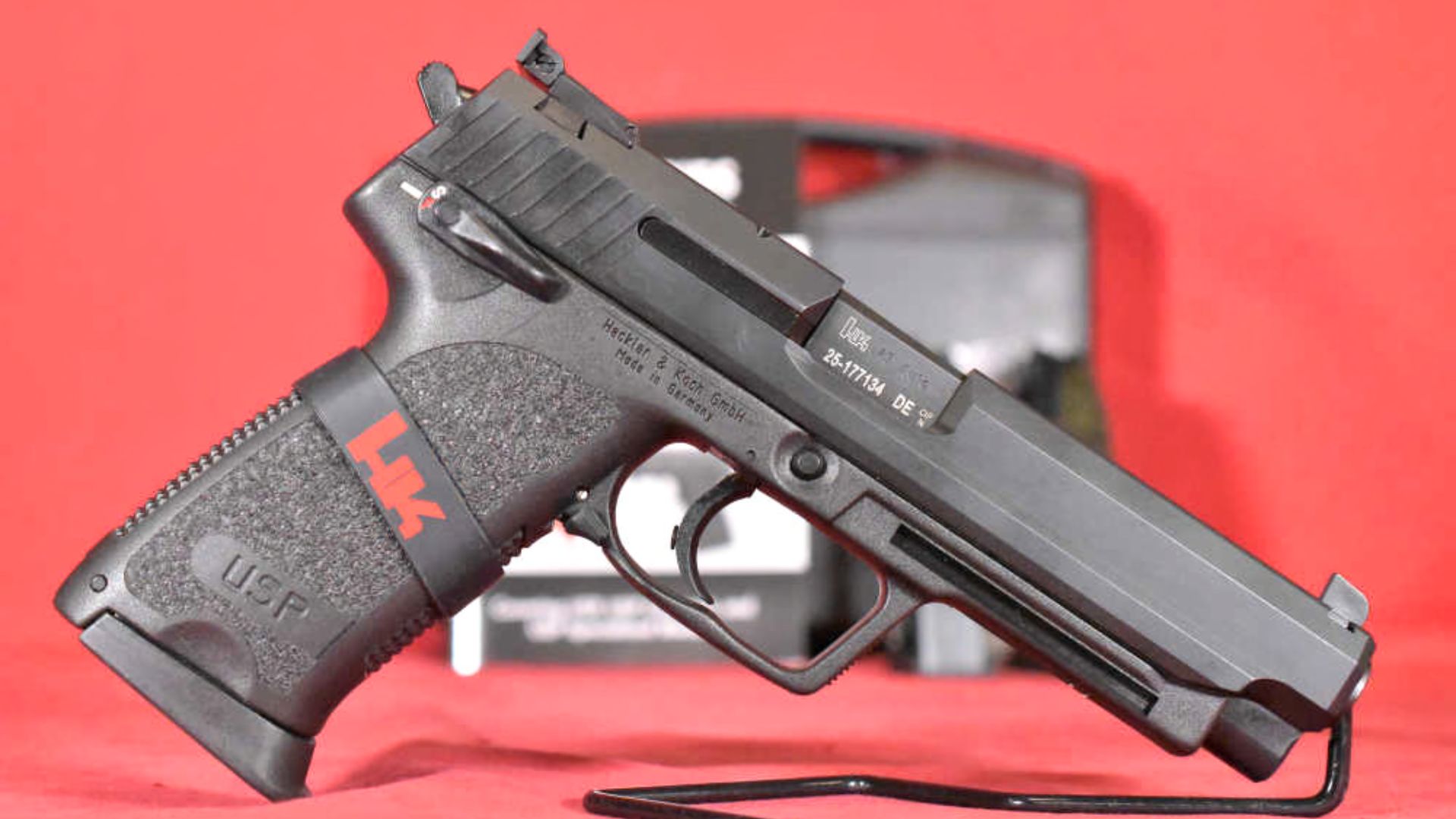
The USP is one of the classic “it doesn’t wear like normal guns” pistols. It’s overbuilt, and it tends to keep its functional consistency even after a lot of use. The gun doesn’t usually develop weird fit issues that make you question it.
That doesn’t mean it’s maintenance-free. It means that when you maintain it, the gun tends to reward you with long-term stability—exactly what you want from a pistol you plan to keep for the long haul.
HK P30
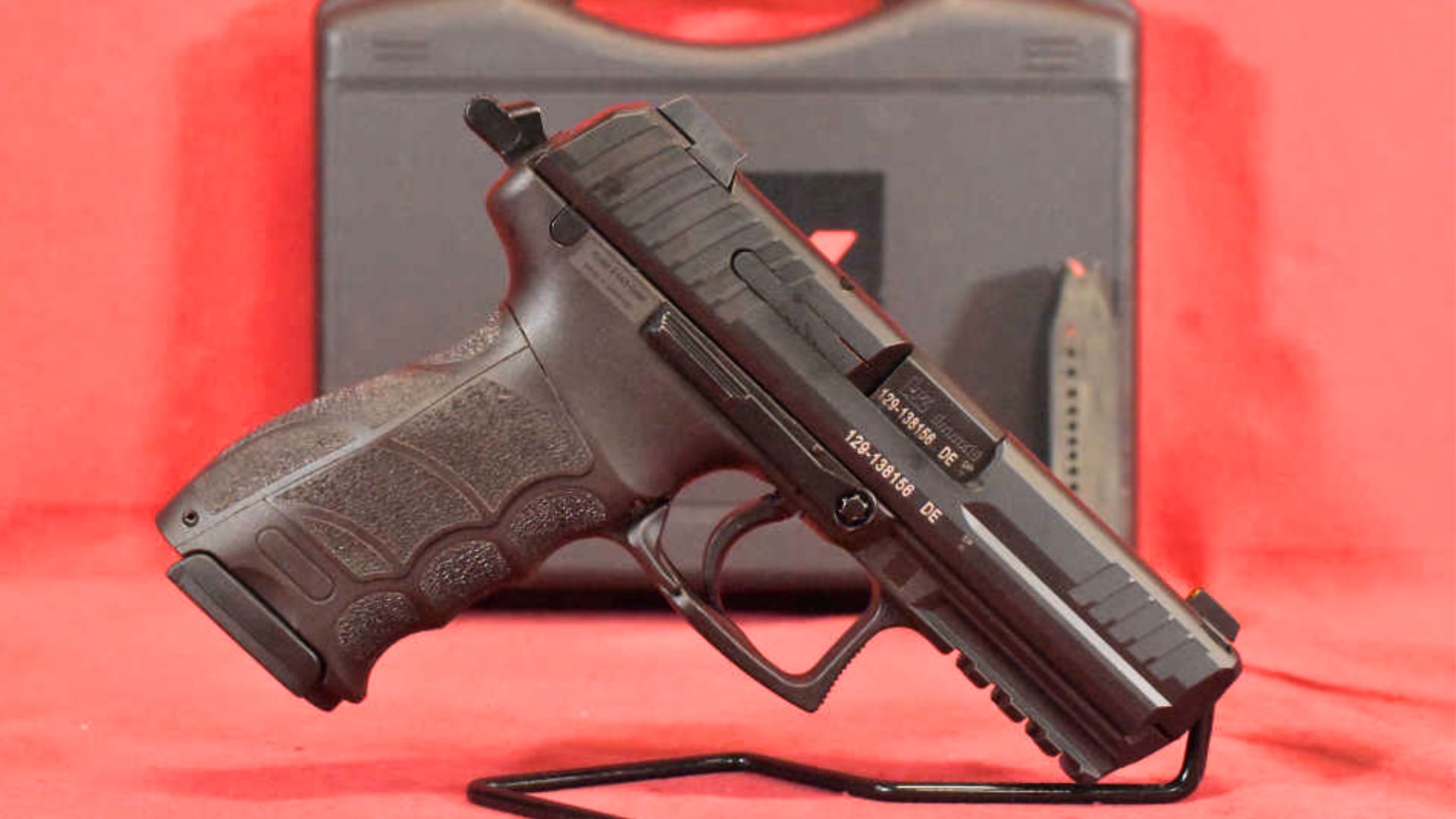
The P30’s durability reputation isn’t hype. It’s a pistol that tends to keep feeling solid with age, and it’s not known for developing slop that changes how it shoots. When you run one hard, it generally stays “itself,” which is what long-term owners appreciate.
As with any pistol, springs are consumables. But if you’re looking for a gun that feels built for real use and doesn’t get loose and vague after thousands of rounds, the P30 is a safe pick.
Smith & Wesson M&P 2.0

The M&P 2.0 line has proven itself in high-volume use, and many shooters find it stays consistent over time. The platform doesn’t tend to develop the kind of looseness that makes you question lockup or reliability, and it continues to shoot well when maintained.
The practical advantage is that it’s easy to support: mags, holsters, parts, and service are straightforward. That matters because “stays tight” is partly about being able to replace wear parts without hassle and keep the gun running like it should.
FN 509

The FN 509 is a pistol that was built with durability in mind, and it tends to hold up well under long-term use. It’s not just about surviving a few boxes of ammo. It’s about surviving training schedules where the gun gets hot, dirty, and used hard.
If you keep up with the basics, the 509 generally keeps its functional feel. That consistency is what “tight” really means in the real world: the gun keeps shooting and cycling the way you trained with.
SIG Sauer P229

The P229 has a long track record of staying solid through heavy use. It’s compact enough to carry but built like a duty pistol, and many owners keep them for years because the gun doesn’t start feeling tired quickly.
It’s a pistol that rewards proper maintenance. If you’re willing to handle springs and periodic replacement of normal wear parts, the P229 tends to keep delivering that locked-in, dependable feel over a long lifespan.
CZ Shadow 2

The Shadow 2 is built for shooting a lot, and it shows. The fit, the weight, and the design are all aimed at high round counts without the gun feeling like it’s getting sloppy fast. Many competitive shooters run these hard and keep them running with routine maintenance.
It’s not a lightweight carry gun, but the point here is longevity and stability. If you want a pistol that can swallow thousands of rounds and still feel mechanically solid, the Shadow 2 has earned that reputation.
Staccato P

Staccatos are built to be shot hard, and when they’re maintained properly, they tend to stay consistent through serious use. The gun feels tight and controlled, and the platform can remain extremely accurate and predictable when it’s treated like the performance tool it is.
The real key is not cheaping out on magazines and not ignoring spring schedules. Do those things, and the Staccato P is one of the pistols that can feel “tight” and confident deep into high round count territory.
Walther PDP (Full Size)

The PDP is widely used by shooters who actually train, and many find it stays consistent as round counts climb. The gun doesn’t tend to develop odd slop that changes how it returns to target, and it remains a strong performer when maintained.
The PDP’s advantage is that it’s easy to shoot well, so people actually practice with it. A pistol that encourages practice and then holds up under that practice earns a spot on a list like this.
Glock 34 (Gen5)

The Glock 34 is a high-round-count friendly pistol because it’s easy to shoot well and easy to keep running. The long slide and balance help keep the gun stable, and it tends to maintain consistent behavior even after lots of use.
Like other Glocks, it’s about replacing wear parts and not doing dumb mods. Keep it simple, maintain it, and the 34 stays predictably “tight” in the ways that matter: reliability and repeatable shooting performance.
Beretta 92X Performance

This is a heavy, purpose-built Beretta that’s meant to be shot a lot, and it tends to hold up well because it was designed for sustained use. The gun feels solid, shoots flat, and many owners find it stays mechanically consistent through serious round counts.
It’s not for everyone, and it’s not cheap. But if the goal is a pistol that stays stable and confident after thousands of rounds, the 92X Performance is exactly the type of design that belongs in the conversation.
Like The Avid Outdoorsman’s content? Subscribe to our newsletter so you never miss an article.
Here’s more from us: