Photo credit: Guncademy by Pew Pew Tactical/YouTube
A lot of pistols leave the factory running exactly the way they should. They feed, eject, lock back, and hold zero with the parts they were designed around. Then owners start chasing a “better” version of the same gun. They swap triggers, connectors, striker springs, recoil assemblies, mag releases, guide rods, compensators, and magazine extensions, all while assuming the pistol will keep the same built-in reliability margin it had before. That is where plenty of good handguns start becoming projects.
The hard truth is that many modern pistols are already balanced systems. Change one part and you may get away with it. Change three or four at once and you can start stacking small problems into one bigger one. A gun that once ran clean suddenly gets picky about ammo, starts short-stroking, stops locking back, or develops light primer strikes. These are the pistols that often run well right up until owners decide they need fixing.
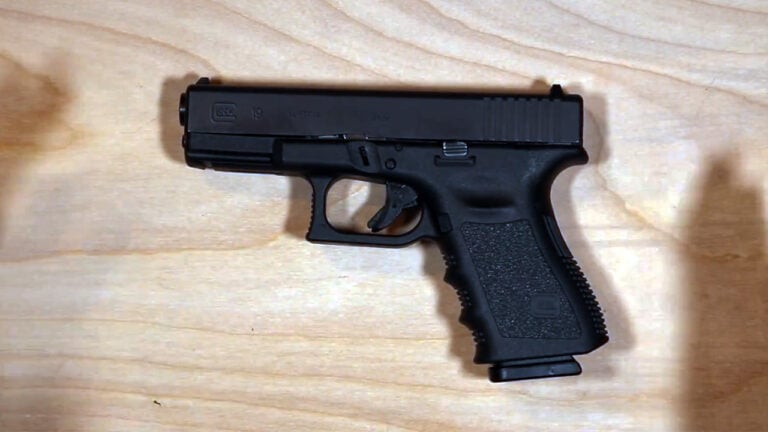
Glock 19

The Glock 19 may be the clearest example of a pistol that usually runs best when left mostly alone. Out of the box, it is built around a very specific balance of slide mass, spring weight, trigger parts, and magazine timing. That balance is a big reason the gun earned its reputation in the first place. The trouble starts when owners decide a carry pistol needs a lighter connector, reduced-power striker spring, aftermarket barrel, and extended controls all at once.
Each one of those changes can seem minor by itself. Together, they can turn a dependable pistol into something that suddenly feels ammo-sensitive or inconsistent. A Glock 19 will often tolerate some changes, but it does not always tolerate a pile of them stacked without thought. The more owners try to turn it into a race gun, the more likely they are to learn that “improved” and “more reliable” are not the same thing.
Glock 43X
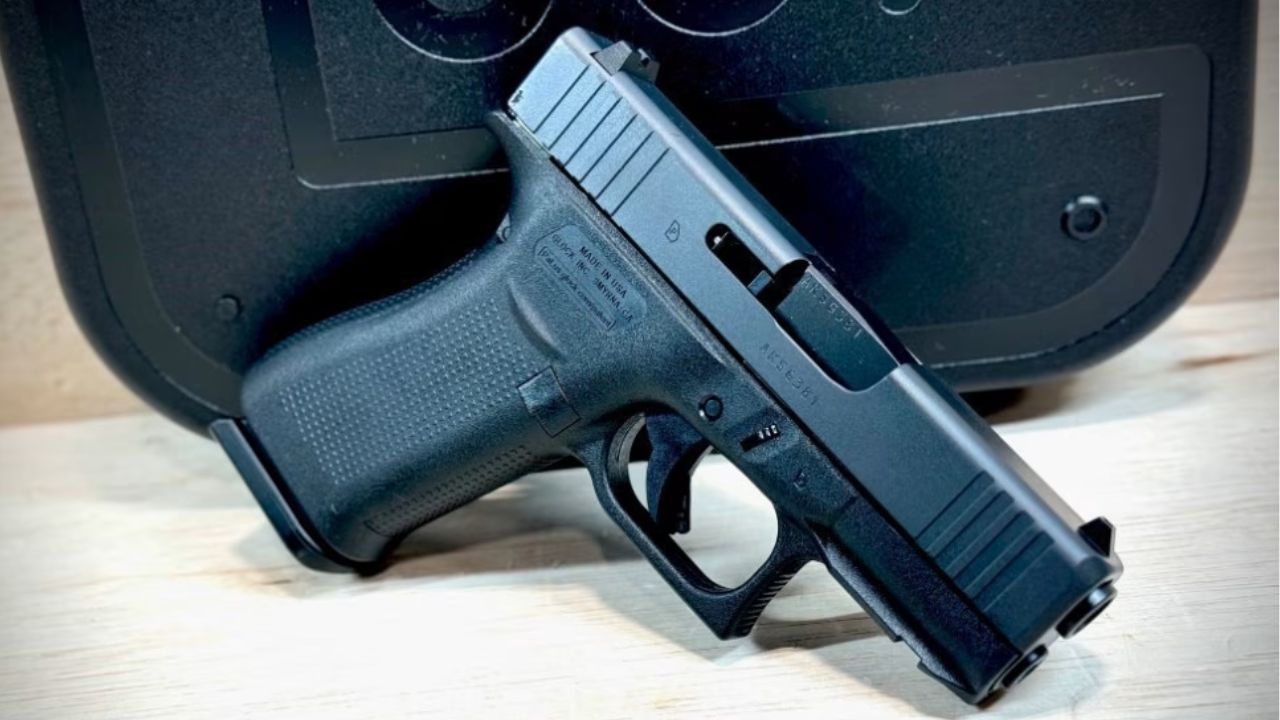
The Glock 43X runs well in factory trim because it was built around a compact, narrow-frame system with limited extra margin to begin with. That matters more than people think. A smaller pistol already has less room for error in recoil control, magazine timing, and spring balance. Once owners start changing triggers, mag catches, magazine bodies, and internal springs, the gun can lose the easy consistency that made it appealing in the first place.
A lot of people start with magazine changes, especially when they want more capacity. That is usually where the first unintended side effects show up. Then the “fixes” begin, and one modification starts chasing another. Before long, the pistol that used to run with factory mags and factory internals now has a list of preferred parts and a shorter list of ammo it still likes. The 43X can be excellent, but it is not a platform that always rewards tinkering.
SIG Sauer P365

The P365 became popular because it packed a lot into a very small footprint while still running better than many earlier micro-compacts. That is exactly why owners often get overconfident with it. They assume a pistol this advanced can absorb endless upgrades without complaint. Then they start adding aftermarket triggers, extended magazines, comped slides, altered recoil springs, and every little carry tweak they can find, and the system stops acting like the calm factory gun they started with.
Micro-compacts are compact compromises by nature. That means timing and spring balance matter a lot. Once you start messing with those variables, the margin gets thinner fast. A P365 can absolutely be customized, but the more the owner tries to turn a tightly packaged carry pistol into a hand-built hybrid of range gun and carry gun, the more likely reliability starts slipping. Small guns can run very well. They just do not always forgive constant “upgrades.”
Heckler & Koch VP9

The VP9 has a strong reputation because it comes from the factory feeling more refined than a lot of striker-fired pistols. The trigger is good, the ergonomics are excellent, and the gun usually runs exactly the way a serious defensive pistol should. That is also what makes owners overconfident. They start with a pistol that already shoots well, then decide it needs a lighter trigger kit, altered springs, aftermarket striker parts, and a comp to make it feel even flatter and faster.
That is where the trouble starts. The VP9’s factory balance is part of why it earned trust in the first place, and once owners start changing the ignition and recoil side together, they can narrow that reliability window without meaning to. A pistol that once ate broad ammo types and ran clean can start getting pickier than it was ever meant to be. The VP9 is a very good handgun, but it proves a familiar point: “better feel” and “better function” are not always the same thing.
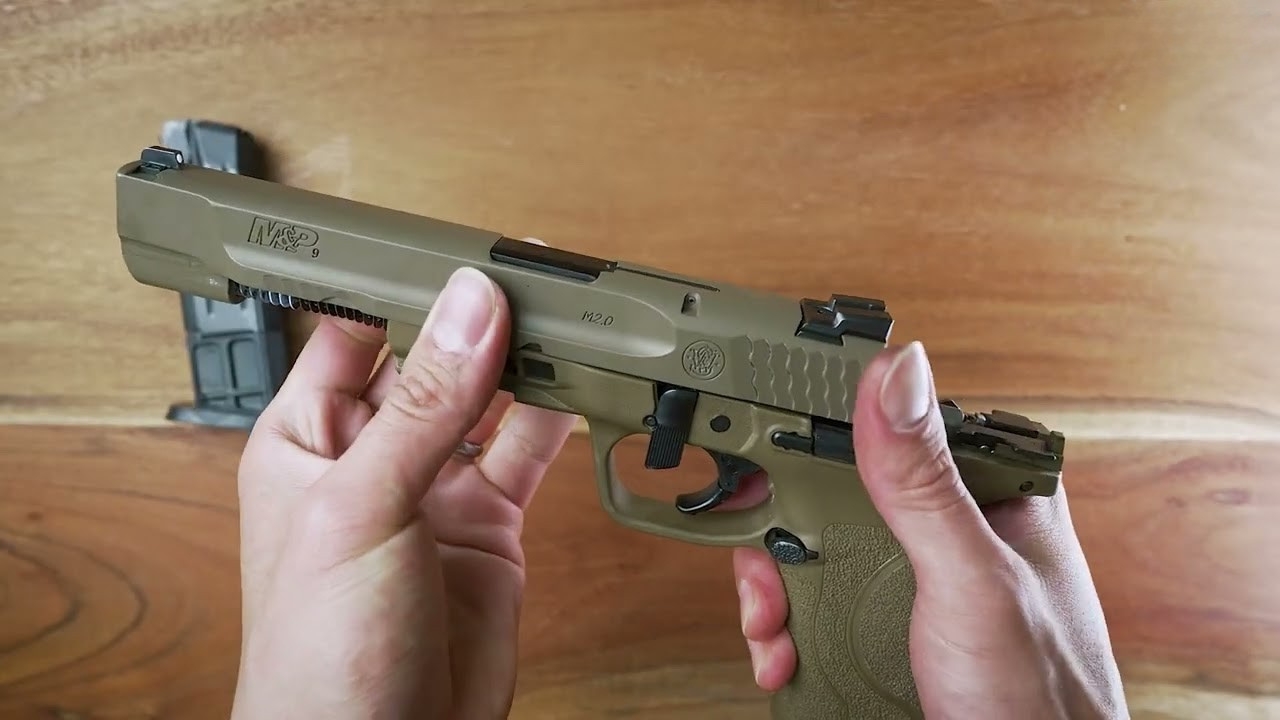
Smith & Wesson M&P 2.0
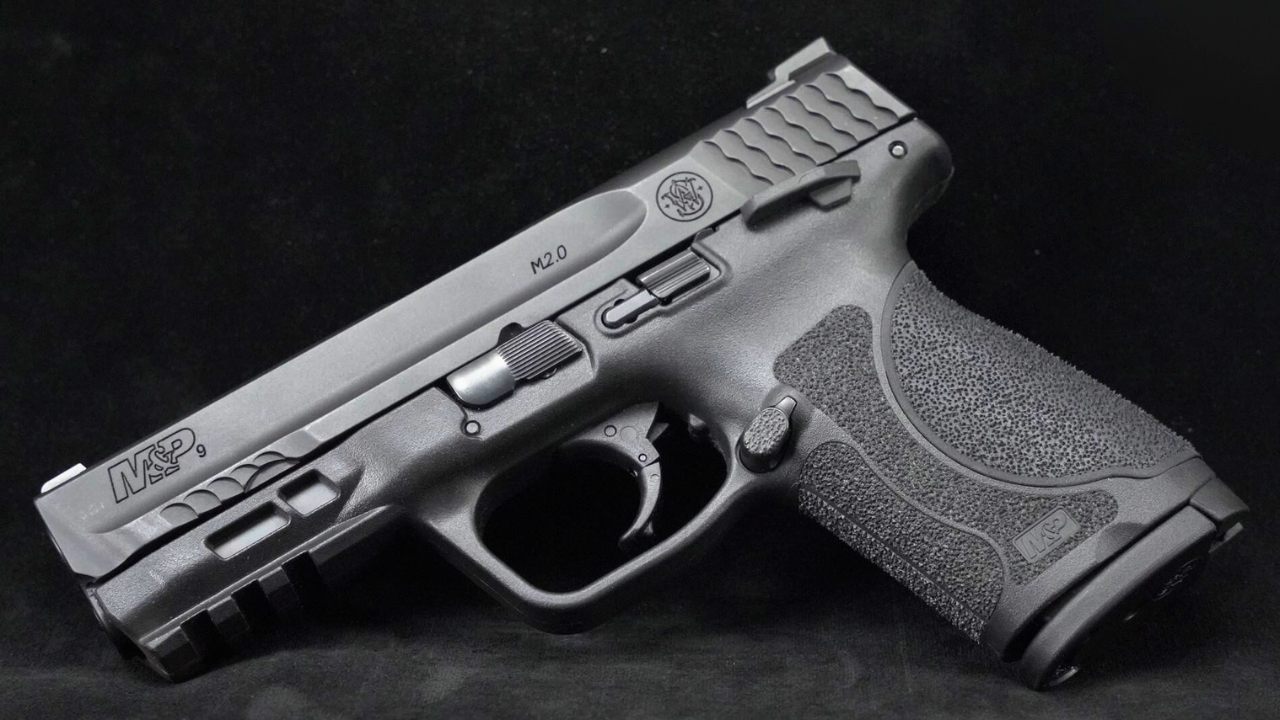
The M&P 2.0 has a strong reputation as a factory-ready pistol, which is exactly why so many owners decide to “perfect” it. They like the ergonomics, like the reliability, and then convince themselves the trigger needs help, the sights need changing, the guide rod should be metal, and the internals need to feel more competition-ready. The pistol often handles one or two thoughtful upgrades just fine. The trouble starts when the owner decides every part needs replacing at the same time.
That is usually when the pistol stops feeling like one coherent system and starts feeling like a collection of opinions. Reset feel changes, spring weight changes, ignition can change, and suddenly the gun that once ate everything now gets picky or starts behaving differently under speed. The M&P 2.0 does not need to stay bone stock forever, but it absolutely proves a point: once owners start modifying a reliable gun out of boredom instead of necessity, reliability can become the first thing they accidentally tune out.
Springfield Hellcat
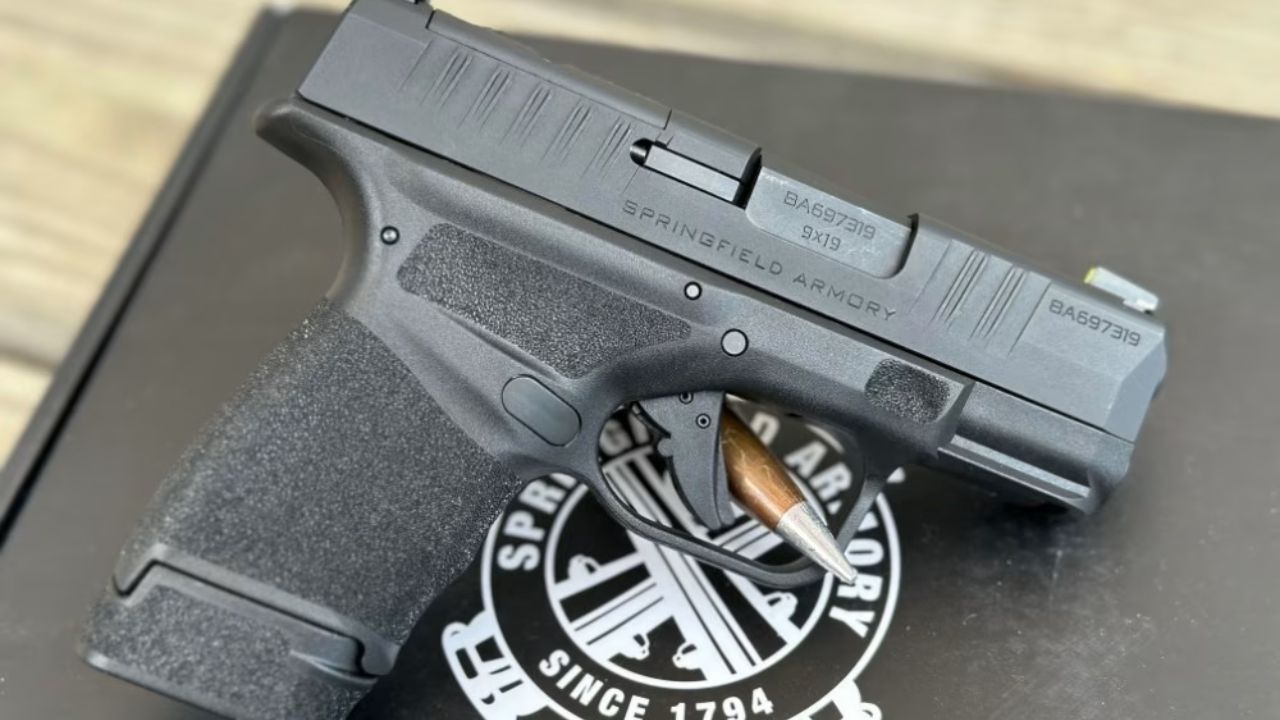
The Hellcat was built to do a hard job in a very small package, and factory engineering is a big reason it succeeds as often as it does. That is also why owners should be cautious when they start trying to “improve” it. A micro-compact has less extra mass, less travel, and less room for internal timing changes than a larger pistol. Once an owner adds a compensator, changes the recoil spring, swaps trigger parts, and starts extending magazines, the system can become noticeably less forgiving.
The funny part is that many owners start this process because the gun already works and they simply want it to feel more like a larger pistol. That is where unrealistic expectations usually get expensive. The Hellcat is a compact defensive handgun, not a blank canvas for endless reengineering. It can be personalized, sure, but the farther the owner pushes it from factory balance, the more likely it starts reminding them why it ran best before they touched everything.
Springfield XD-M Elite
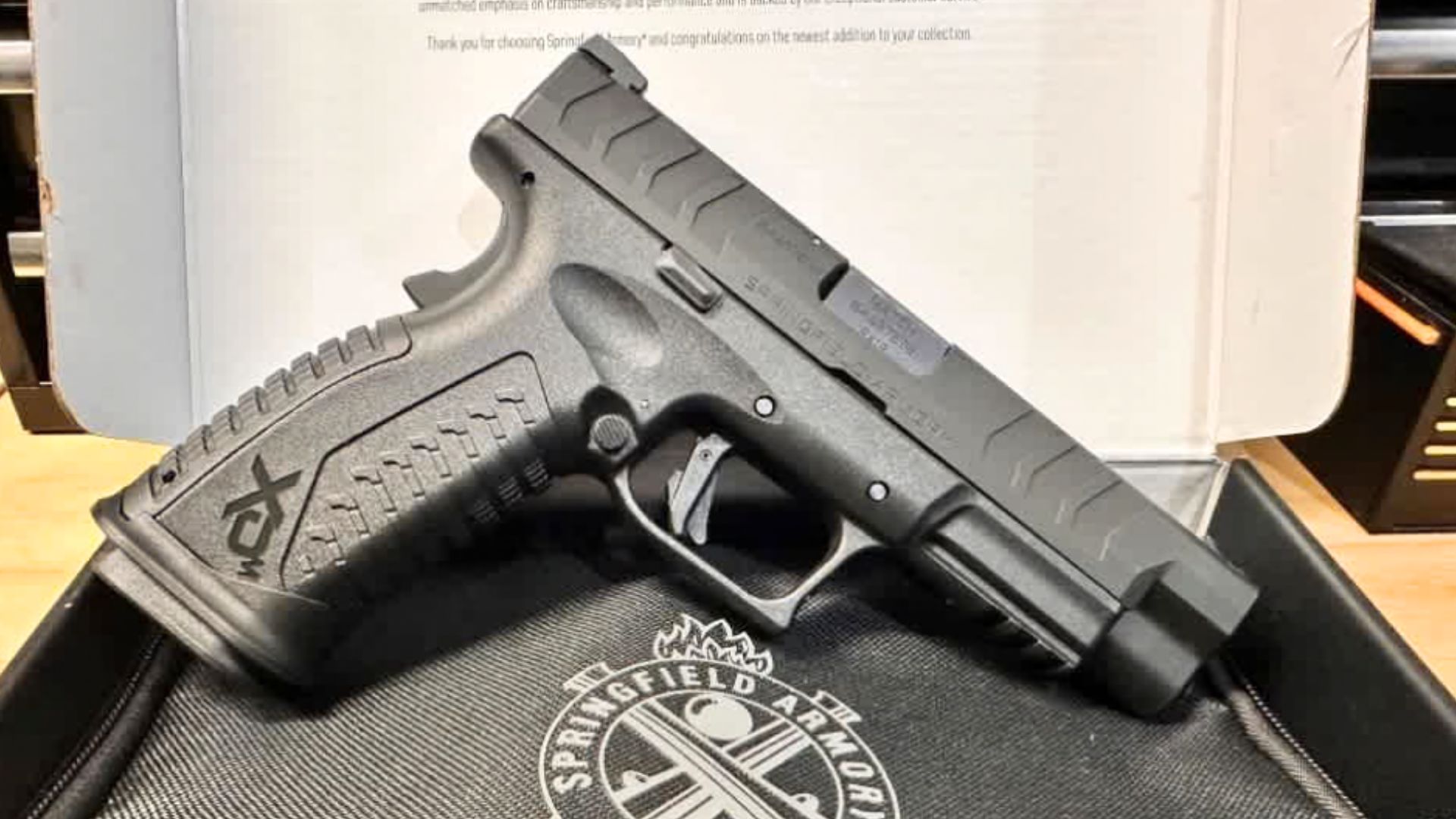
The XD-M Elite often runs well in stock trim because Springfield already pushed it toward the “upgraded” side of the market from the beginning. It comes with features many owners claim to want: decent sights, usable trigger feel, and a setup aimed at practical performance. That should reduce the urge to tinker, but it often does the opposite. Owners buy it because it already feels enhanced, then immediately start layering on more trigger work, guide rods, magwells, barrels, and comp setups.
That can work in a dedicated range build. It can also go sideways if the owner forgets the pistol was already designed around a certain recoil and cycling pattern. The more aggressively the XD-M gets modified, especially when people start chasing lighter feel and faster cycling at once, the more likely reliability gets narrower instead of better. A pistol that began life as a solid all-arounder can end up becoming a very specific, very picky setup that no longer tolerates the wide range of use it once did.
Walther PDP

The Walther PDP has become a favorite because it is already a good shooter right out of the box. That should make it an easy pistol to leave mostly alone. Instead, that strong starting point often convinces owners it will become incredible if they keep pushing it farther. Then the optics plate gets changed, the trigger gets swapped, the recoil system gets altered, and the owner starts chasing a softer, flatter, faster version of a pistol that already worked well enough.
The issue is not that the PDP cannot be modified. The issue is that many owners start solving problems they do not actually have. Once that starts, the chance of introducing a new problem rises fast. The gun that once ran broadly and predictably can begin acting like it wants certain loads, certain magazines, or a very specific grip to stay reliable. The more a good factory pistol becomes a rolling project, the less surprising it is when reliability stops feeling factory-level too.
CZ P-10 C
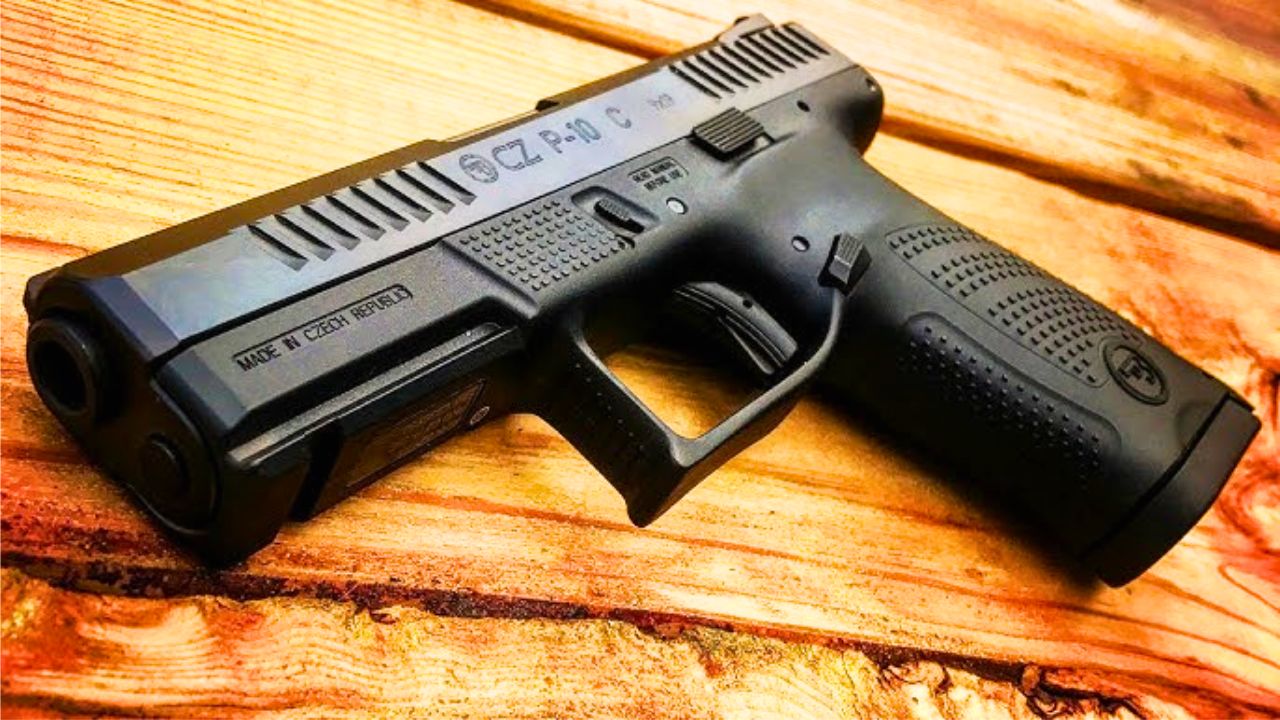
The CZ P-10 C gets a lot of respect because it feels excellent in the hand and usually shoots very well in factory form. That is exactly the kind of pistol owners love to “optimize.” They start with a trigger they want lighter, controls they want bigger, and recoil behavior they want flatter. None of that sounds unreasonable until the pistol becomes a stack of aftermarket assumptions instead of the consistent factory gun it used to be.
A lot of problems begin when people confuse a pistol that can be tuned with a pistol that needs to be tuned. The P-10 C already does a lot right. Once owners start changing internals and spring rates while also altering how the gun locks up and cycles, they can quickly lose the broad reliability that made the pistol so appealing. It is one thing to personalize a pistol. It is another thing to keep swapping parts until the original design balance becomes something you can only remember.
CZ P-07

The P-07 tends to reward owners who learn the DA/SA system rather than trying to convert the pistol into something it was never meant to be. Unfortunately, a lot of people start by deciding the trigger must be radically changed, the decocker or safety setup must be altered, springs must be lightened, and the whole gun should feel more like a competition pistol. The P-07 can be improved thoughtfully, but it can also be made much less dependable by owners chasing a completely different personality.
DA/SA guns rely on more interconnected parts than many striker-fired owners realize. Once you start changing spring pressure and ignition-related components, the chance of compromising reliability increases fast. Light strikes, inconsistent reset feel, and changes in double-action pull behavior can show up sooner than people expect. The P-07 often runs very well if you let it be what it is. It gets less predictable when owners start trying to sand away every part of its character.
Beretta 92FS

The Beretta 92FS has a long reputation for reliability, and that reputation makes owners feel safe experimenting. They assume the gun has enough history and durability to absorb endless changes without any downside. Then the tinkering starts. Lighter hammer springs, altered trigger bars, oversized controls, recoil changes, and various internal swaps all get added in the name of making the pistol smoother, lighter, or more modern than the old factory setup.
A lot of those changes can work if done carefully and with real understanding. The problem is that many owners stack them casually and expect the same military-grade dependability they started with. That is when ignition issues, timing quirks, or inconsistent lock-back behavior can begin creeping in. The 92FS does not become unreliable because it is fragile. It becomes less reliable because owners mistake its robust design for permission to turn every proven part into an experiment.
1911 Government Model

A good Government Model can run beautifully in factory trim, especially when the builder already understood the platform. The trouble is that 1911 owners are often incapable of leaving “good enough” alone. Triggers get tuned lighter, recoil springs get swapped, extractors get replaced, safeties get changed, magazines get mixed endlessly, and suddenly the owner is surprised that the pistol no longer feels as forgiving as it did when it was a complete, working system.
The 1911 is the king of pistols that owners love to improve into unreliability. Part of that comes from the platform’s culture. It invites customization, and there is nothing wrong with that in the hands of somebody who knows exactly what they are changing and why. In careless hands, though, every “upgrade” can become one more little shift away from the balance the pistol needed to stay consistent. Plenty of 1911s run great—until the owner gets ambitious.
Colt Commander-length 1911
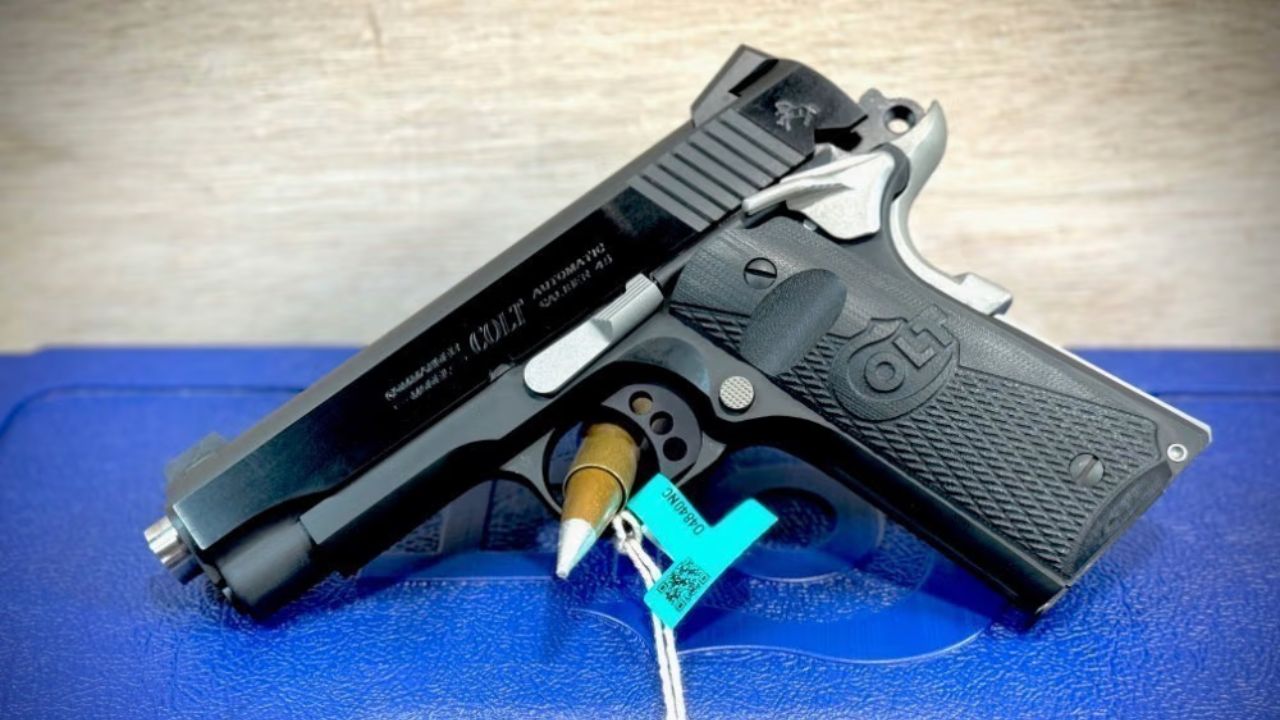
The Commander-length 1911 raises the stakes even more because shorter 1911s usually have less extra margin than a Government Model. That means the owner has even less room to make casual changes without affecting reliability. Unfortunately, a lot of people treat a Commander exactly the same way they treat a full-size 1911: new springs, lighter trigger work, different magazines, altered internals, and maybe a carry comp or barrel swap, all in the name of making it “better.”
That is how a pistol that once carried and ran well starts becoming temperamental. Commander-size 1911s can be excellent, but they are less tolerant of sloppy parts stacking and bad assumptions. Once owners start changing things without respecting the shorter format’s tighter operating window, problems show up faster. What felt like a refined carry gun in stock form can become the gun that always needs one more tweak, one more test, and one more excuse before it is trusted again.
Ruger SR1911

The SR1911 is another example of a factory 1911 that often runs better before the owner starts “fixing” what was not broken. Ruger gave buyers a solid, straightforward 1911 that appealed to people who wanted the platform without stepping into full custom territory. That should have made it an easy gun to shoot, maintain, and leave largely alone. Instead, many owners treat it like a starting point for a home-brew custom build the moment it comes out of the box.
That usually means the same familiar pattern: lighter springs, altered ignition parts, new extractors, changed guide rods, and a constant stream of aftermarket experiments. The more those changes pile up, the more the original reliability can fade. A 1911 can absolutely be tuned well, but “tuned” is not the same thing as “stuffed with parts.” The SR1911 often proves that a dependable factory pistol can be turned into a fussy one by owners who cannot stop chasing imaginary gains.
Kimber Pro Carry

The Kimber Pro Carry tends to attract exactly the kind of owner who loves the idea of a refined carry 1911 and then immediately decides it needs refinement. It starts as a trim, attractive pistol with the familiar 1911 appeal people want for concealed carry. Then the owner starts chasing a lighter trigger, different magazines, a new recoil setup, polished internals, and all the little adjustments that sound smart in isolation and risky in combination.
The challenge is that carry-length 1911s are already less forgiving than many full-size guns. They can run well, but they benefit from thoughtful restraint. Once parts start changing without a clear plan, reliability margin can shrink fast. A pistol that once carried confidently and cycled cleanly may become the gun that now wants certain mags, certain loads, and constant second-guessing. The Pro Carry can be a very good pistol. It simply proves that not every “upgrade” is an actual improvement.
FN 509

The FN 509 comes from the factory as a serious-duty-minded pistol, which is exactly why owners often get themselves in trouble with it. They assume a pistol built that stout can absorb any aftermarket experiment without complaint. So they start replacing triggers, changing striker-related parts, tuning springs, adding comps, swapping barrels, and building what they think will become a better defensive pistol. Sometimes it does. Plenty of times, it becomes a pickier version of a gun that was already doing its job.
Duty pistols tend to be engineered around broad reliability, not around the lightest trigger or the softest shooting setup a hobbyist can imagine. Once the owner starts chasing those feel-based improvements, they may be trading away the very reliability the pistol was purchased for. The 509 usually runs well when treated like the factory fighting pistol it is. It often becomes less trustworthy when owners start trying to make it feel like something else entirely.
Like The Avid Outdoorsman’s content? Subscribe to our newsletter so you never miss an article.
Here’s more from us: