Photo credit: riopatuca/ShutterStock.com
Some calibers sound great when you read the ballistics chart, but fall apart the second you take them into the field. Real hunting conditions don’t care how well a round behaves at the bench or how impressive a velocity number looks. Cold weather steals energy, wind exposes unstable bullets, and marginal construction shows up fast when you hit bone instead of paper.
Plenty of hunters learn too late that certain cartridges only perform when everything goes perfectly. These are the calibers that struggle when you step off the range and into real terrain—where angles, brush, wind, and adrenaline reshape every shot.
.22 Magnum
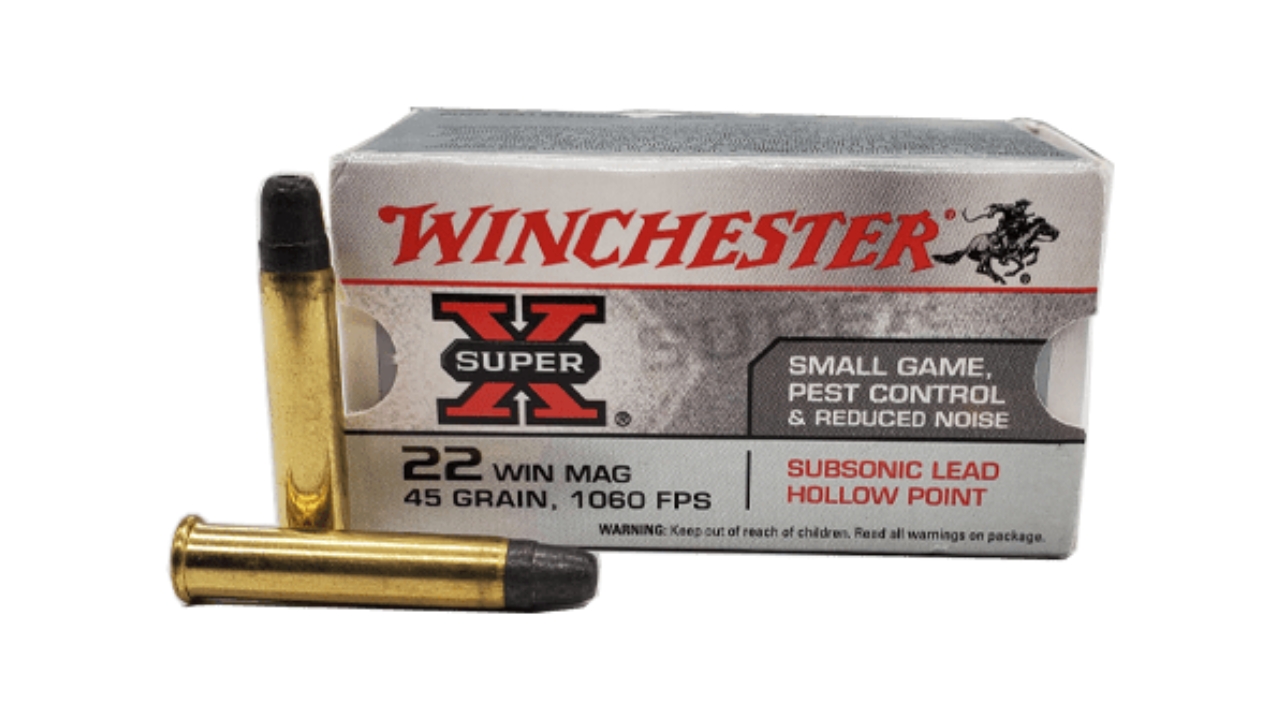
The .22 Magnum punches above the .22 LR, but it still lacks the penetration and terminal consistency needed for deer-sized game. On paper, the flat trajectory looks appealing. In real terrain, wind drifts the lightweight bullets easily, and impacts lose steam faster than you expect.
Even with modern loads, the cartridge struggles on quartering shots or when the animal’s moving. Hunters who try it for anything larger than varmints often learn quickly it can’t handle bone or longer distances. It’s fun for small game, but it simply doesn’t translate to big woods performance.
.17 HMR

The .17 HMR is lightning-fast, but that speed doesn’t make up for its fragility. In calm, controlled conditions, the round is impressively accurate. Add even a light breeze and the tiny bullet wanders.
The cartridge also lacks the weight and construction to penetrate reliably on anything larger than varmints. Even perfect broadside hits on coyotes can produce unpredictable results. It’s a great small-game performer, but once conditions shift or shots extend, the .17 HMR shows exactly why it’s not a true hunting round for bigger animals.
.223 Remington (on larger game)
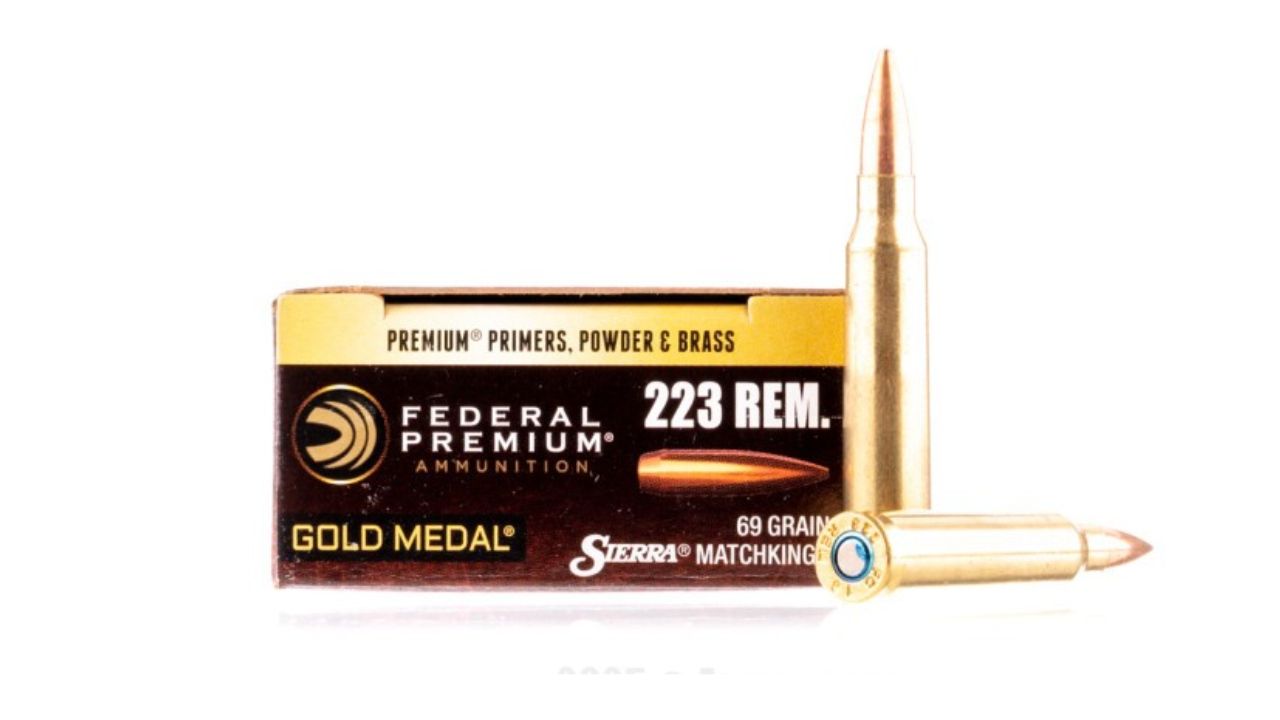
The .223 Remington can work on deer with the right bullet, but the margin for error is razor thin. Wind pushes light projectiles off course, and performance drops sharply when shots aren’t perfectly broadside.
Penetration varies wildly depending on the load, and real-world angles often expose that limitation. Plenty of hunters make it work, but it demands tight shot discipline that’s hard to guarantee when deer aren’t cooperating. It shines for varmints and predators, but it’s a stretch when conditions get messy.
.204 Ruger

The .204 Ruger is a predator-round powerhouse, but it behaves poorly once conditions turn unpredictable. The high velocity comes with tiny bullet weights that don’t buck wind or brush well.
Even slight gusts push the bullet off its line, and energy fades quickly beyond moderate distances. Hunters who try to stretch the cartridge past its comfort zone often end up with wounded coyotes or clean misses. It’s precise on calm days but fragile when the environment fights back.
.25-20 Winchester

The .25-20 has charm, but charm doesn’t equal performance. With slow-moving, lightweight bullets, the round struggles with both penetration and trajectory. Even under ideal conditions, shot placement must be perfect.
Once cold air thickens, wind picks up, or brush interferes, the round’s weaknesses become obvious. It simply doesn’t carry enough energy to punch through bone, and the drop becomes exaggerated at modest distances. It’s a nostalgic small-game caliber, not a field-ready choice when stakes are higher.
.22 Hornet
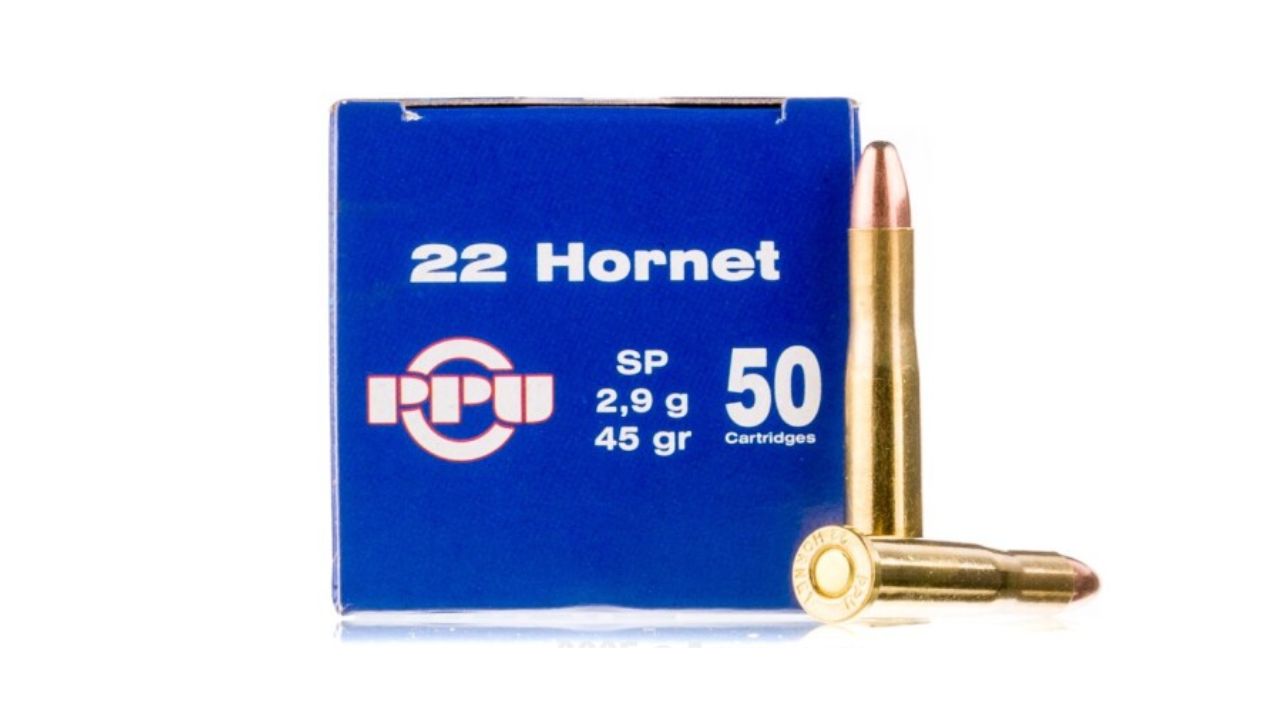
The .22 Hornet bridges rimfire and centerfire, but lands closer to rimfire performance in the field. Lightweight bullets and modest velocity create issues in wind, and even controlled-expansion designs struggle on tougher game.
While it’s quiet and soft-kicking, it’s also extremely sensitive to shooting angles. Quartering shots, shoulder impacts, and longer distances quickly overwhelm the Hornet’s capabilities. Many hunters keep it for varmints only after learning the hard way that it can’t handle inconsistent conditions.
.30 Carbine

The .30 Carbine has a following, but its performance window is narrow. Round-nose bullets lose energy fast, and the trajectory becomes unpredictable beyond close range.
Even with soft-point loads, the cartridge struggles to penetrate reliably on deer-sized animals, especially when the shot isn’t perfect. Wind pushes the bullet more than most expect, and brush deflects it easily. While it’s fun and historically interesting, it’s simply not a dependable option in real hunting environments.
7.62×39 (with cheap ammo)

The 7.62×39 can be effective with modern hunting bullets, but many hunters still rely on steel-cased FMJ or soft-point surplus that performs poorly. These loads are inconsistent, sensitive to temperature, and prone to shallow penetration.
Trajectory is also a challenge. Past 100 yards, drop increases dramatically, and wind drift becomes noticeable. On paper, it has the energy for deer. In practice, inconsistent ammo and limited bullet design make it unreliable unless you’re selective and keep shots close.
.30-30 Winchester (with outdated ammo)

The .30-30 itself is capable, but traditional round-nose loads show their limits in harsher conditions. They shed velocity quickly, expand unpredictably in cold weather, and struggle on raking shots where deeper penetration is needed.
Hunters who rely on decades-old ammo often experience lackluster performance compared to modern ballistic-tip options. When the weather turns cold or shots come at poor angles, old-style loads can underperform and give the caliber an undeserved bad name.
6.5 Grendel
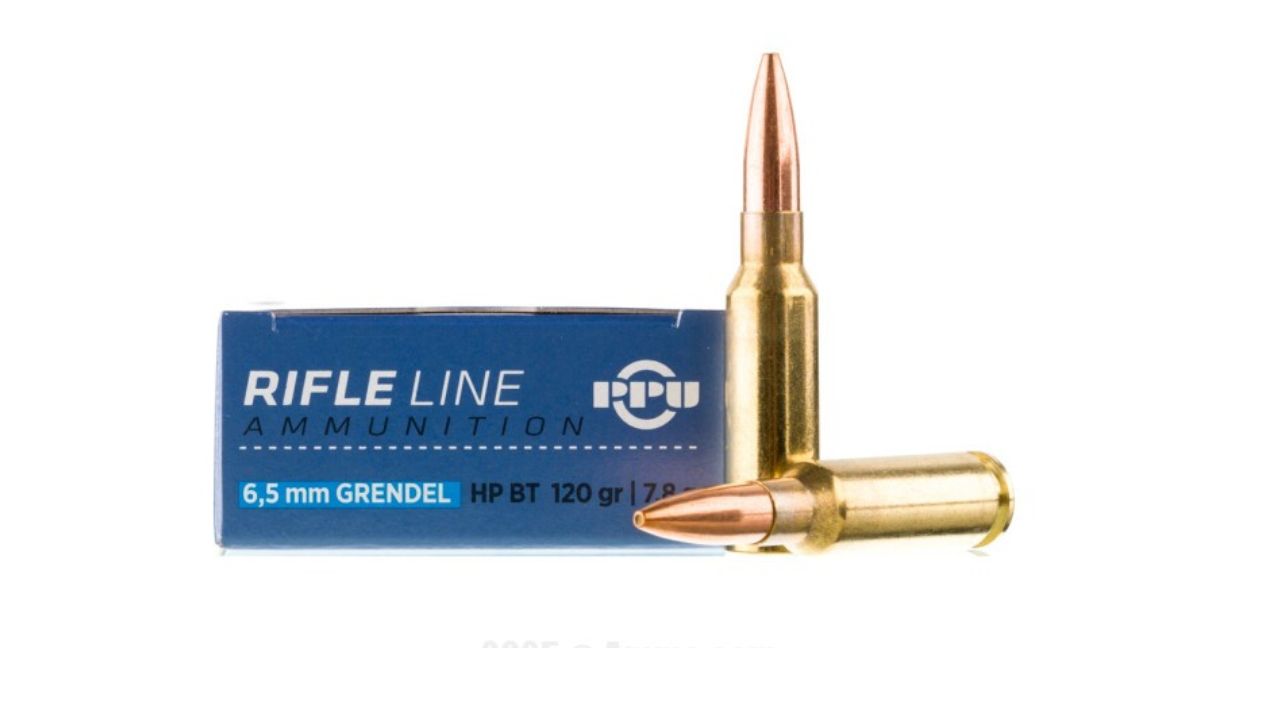
The 6.5 Grendel shines in moderate conditions, but its real-world hunting window is narrower than many believe. With limited case capacity, velocity drops fast in cold air, and wind drift becomes noticeable at typical hunting ranges.
Penetration suffers with lighter bullets when hitting shoulder bone or quartering animals. While the round excels for precision shooting, it doesn’t always maintain the authority needed when shots aren’t ideal. It works, but it’s not as forgiving as larger 6.5mm cartridges.
.45 Colt (from low-pressure loads)

The .45 Colt can be powerful from modern revolvers, but many factory loads are still held to older pressure standards. Those mild loads produce shallow penetration and unpredictable expansion.
In tough conditions—thick hide, wind, cold temperatures—the bullet’s limited velocity shows immediately. Hunters expecting hard-hitting performance often find themselves disappointed unless they specifically choose modern, high-performance loads. Even then, the effective range remains very short.
.357 Magnum (from short barrels)

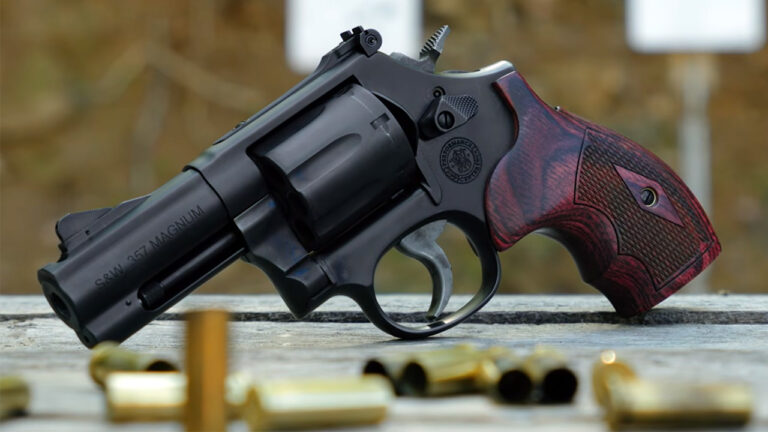
The .357 Magnum is capable, but short-barrel revolvers rob it of velocity. Heavy bullets leave the muzzle slower, expansion becomes unreliable, and penetration varies depending on the shot angle.
In cold weather or wind, the round loses authority quickly. It works well up close, but hunters who expect carbine-like performance from a snub-nose or compact revolver often discover the real-world limitations the hard way.
.450 Bushmaster (with soft cup-and-core bullets)

The .450 Bushmaster performs well with bonded or monolithic bullets, but early or budget cup-and-core loads can fragment on bone. That leads to shallow wound channels and inconsistent performance at common deer distances.
The round hits hard, but its low velocity and bullet construction become critical in real field conditions. Hunters who choose the wrong load often blame the caliber when it’s really a bullet issue exacerbated by cold temperatures or tough angles.
.243 Winchester (with light varmint bullets)

The .243 Winchester is incredibly versatile, but only when you choose the right bullets. Many hunters grab lightweight varmint loads, which explode on impact and lack penetration.
These bullets perform fine on paper or coyotes, but once you hit the shoulder of a whitetail, they fall apart. Wind also pushes the lighter bullets noticeably. With proper deer bullets the caliber works, but with varmint ammo, it absolutely can’t handle real-world conditions.
5.45×39
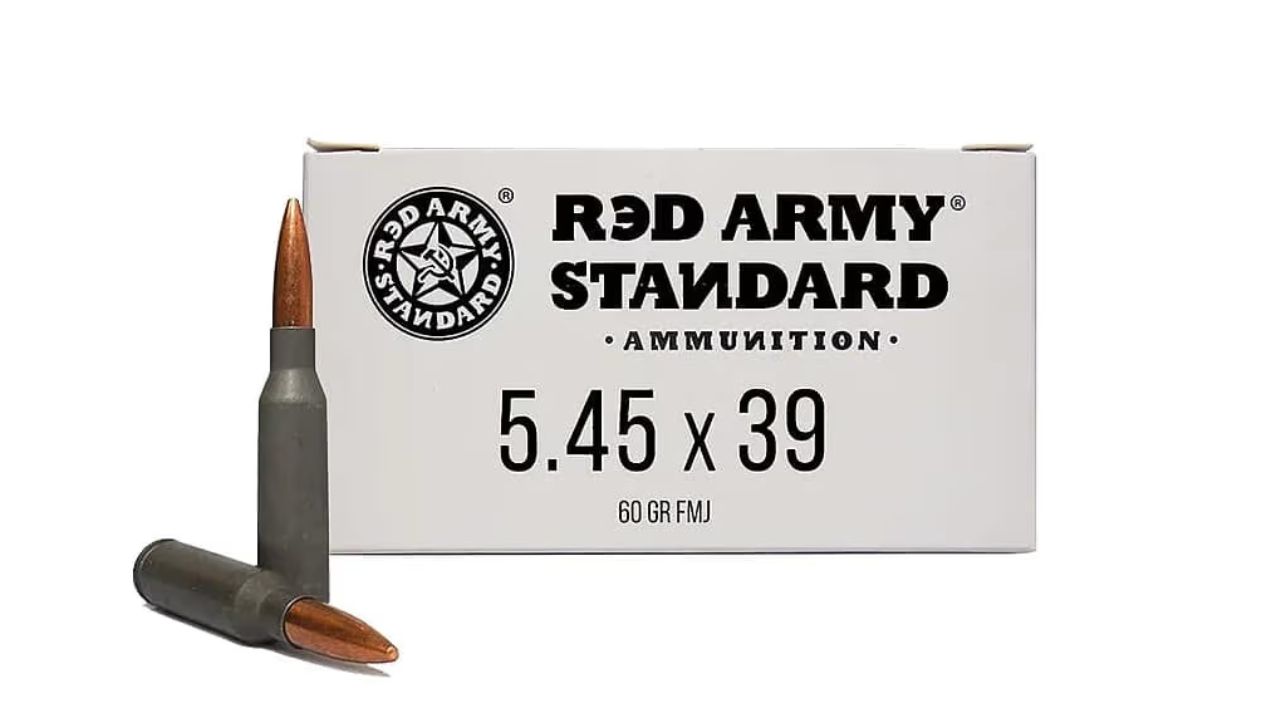
The 5.45×39 is fast and flat, but terminal performance depends heavily on yaw and fragmentation—both of which drop off dramatically at longer ranges or in cold weather.
Even when conditions are ideal, the round lacks the mass needed for consistent penetration on deer-sized game. Wind drift adds another layer of unpredictability. It’s a great range caliber and a solid small-game round, but real hunting conditions expose its limitations immediately.
Like The Avid Outdoorsman’s content? Subscribe to our newsletter so you never miss an article.
Here’s more from us: