Photo credit: 704 TACTICAL/YouTube
Carry guns live a harder life than range guns. They get sweat, lint, dust, temperature swings, and constant rubbing. That’s normal. What’s not normal is when the gun itself starts showing serious wear early—peening, broken small parts, failing mags, cracked frames, or springs that give up way sooner than you’d expect.
This list is about pistols that tend to leave owners saying, “I shouldn’t be seeing this already,” especially when they’re carried a lot and shot enough to verify reliability.
SCCY CPX-1

SCCY pistols are bought for the price, but heavy carry plus regular shooting can expose weak points: small parts wear, magazine issues, and general quality variation. Some people get a decent one. Others don’t.
A defensive pistol needs consistency across thousands of cycles, not just “it ran today.” When you start replacing parts early or dealing with recurring stoppages, confidence drops fast.
SCCY CPX-2

The CPX-2 has a similar ownership pattern to the CPX-1—lots of them out there, lots of mixed experiences. The trouble is that carry guns have to be dependable and durable, because the whole point is long-term daily use.
If the gun starts feeling “tired” early—weak ejection, changing trigger feel, mags acting up—it’s not worth babysitting when there are proven options in the same size class.
Taurus G2C

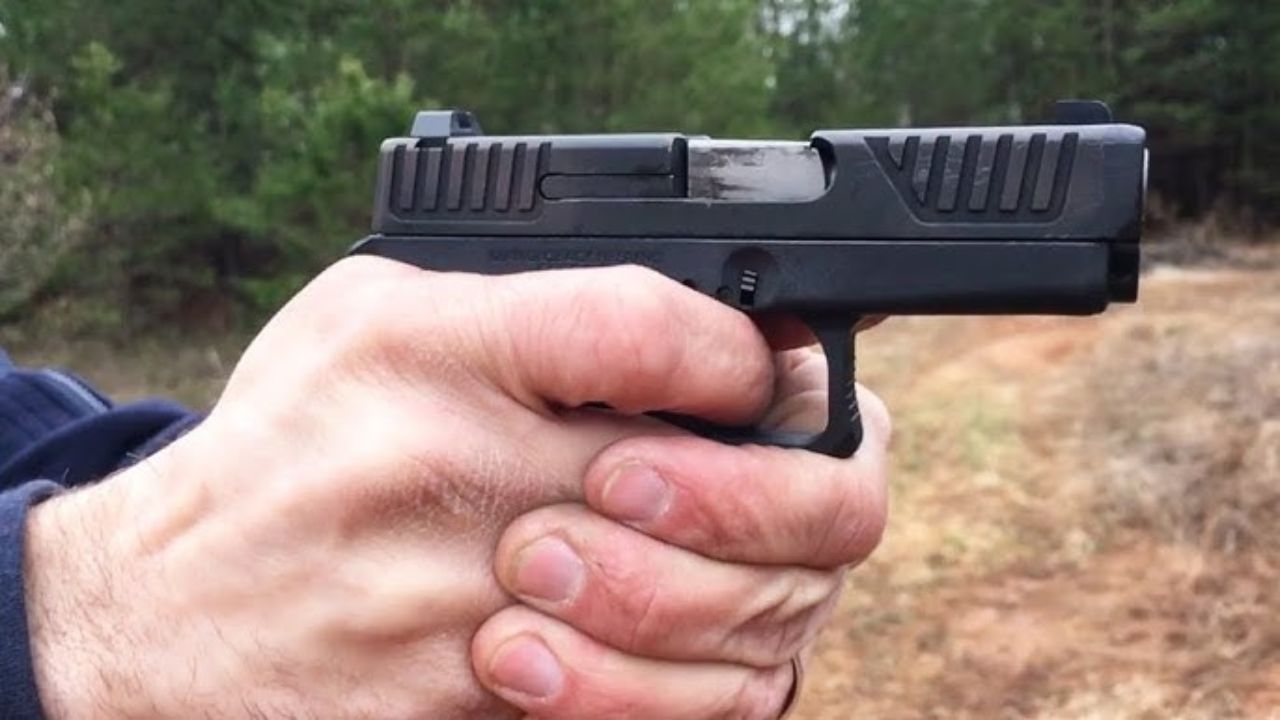
The G2C can be a value buy, but when people complain, it’s often about longevity: parts wear, triggers changing over time, and occasional internal issues that shouldn’t show up early. That’s where “cheap” stops feeling cheap.
You can get a good one and be happy. But if your sample starts acting up before you’ve even put real training rounds through it, it’s the kind of pistol that makes buyers swear off the brand for a while.
Taurus PT-111 Millennium (earlier generations)
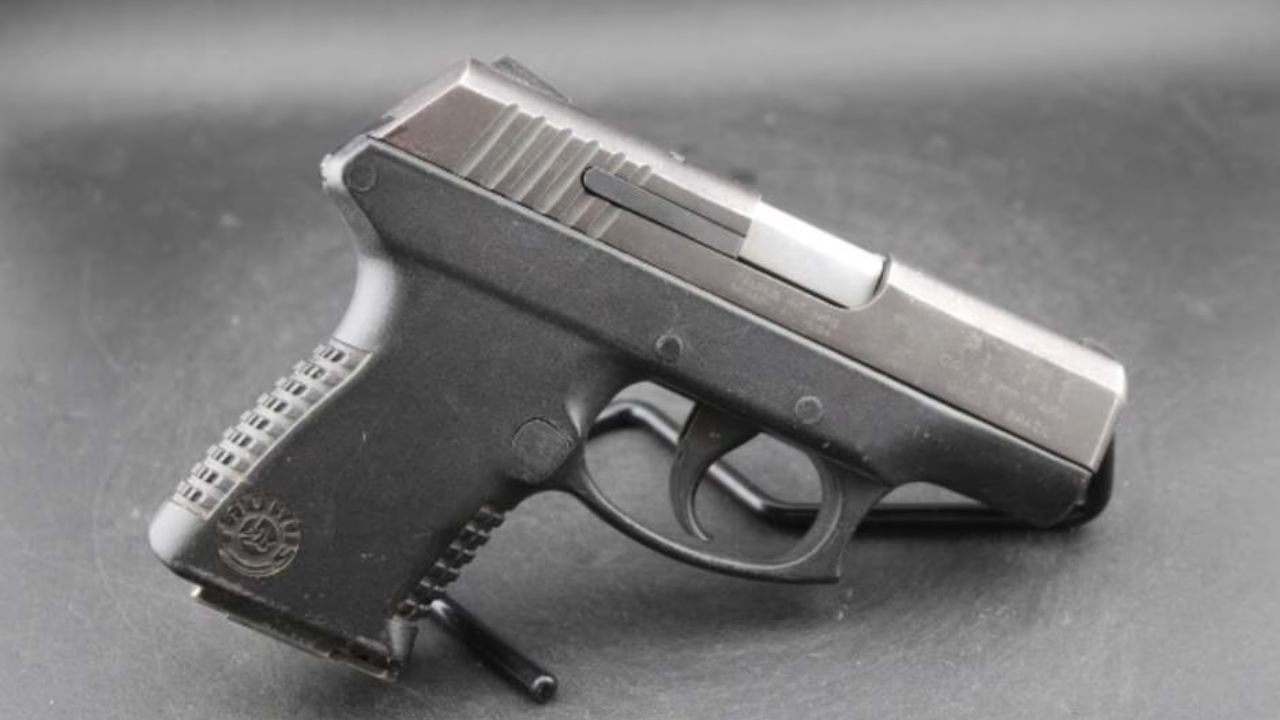
Older Millennium series guns can be especially hit-or-miss. If you’re carrying and shooting regularly, small durability issues become big problems—because you’re handling the gun constantly and relying on it.
If a pistol starts needing attention early, you don’t keep thinking “it’s fine.” You start thinking “what’s next?” That mindset is the opposite of what you want in a carry piece.
Diamondback DB9

The DB9 is tiny and easy to carry, but very small 9mms put a lot of stress on springs and small parts. Owners often find they need more frequent maintenance and replacement parts than they expected.
If you bought it to be a constant carry gun and then you’re chasing reliability as round count grows, it starts feeling like a gun that lives on the edge. Some folks accept that. Many don’t.
Diamondback DB380

Same story in .380: small package, hard working parts. With micro pistols, you’re often trading shootability and durability for concealment, and DB380 owners commonly report that the platform can be sensitive and maintenance-heavy.
If you’re carrying daily, you want a pistol that stays predictable as it wears in. When it starts feeling less predictable with time, it doesn’t stick around.
Jimenez JA-9
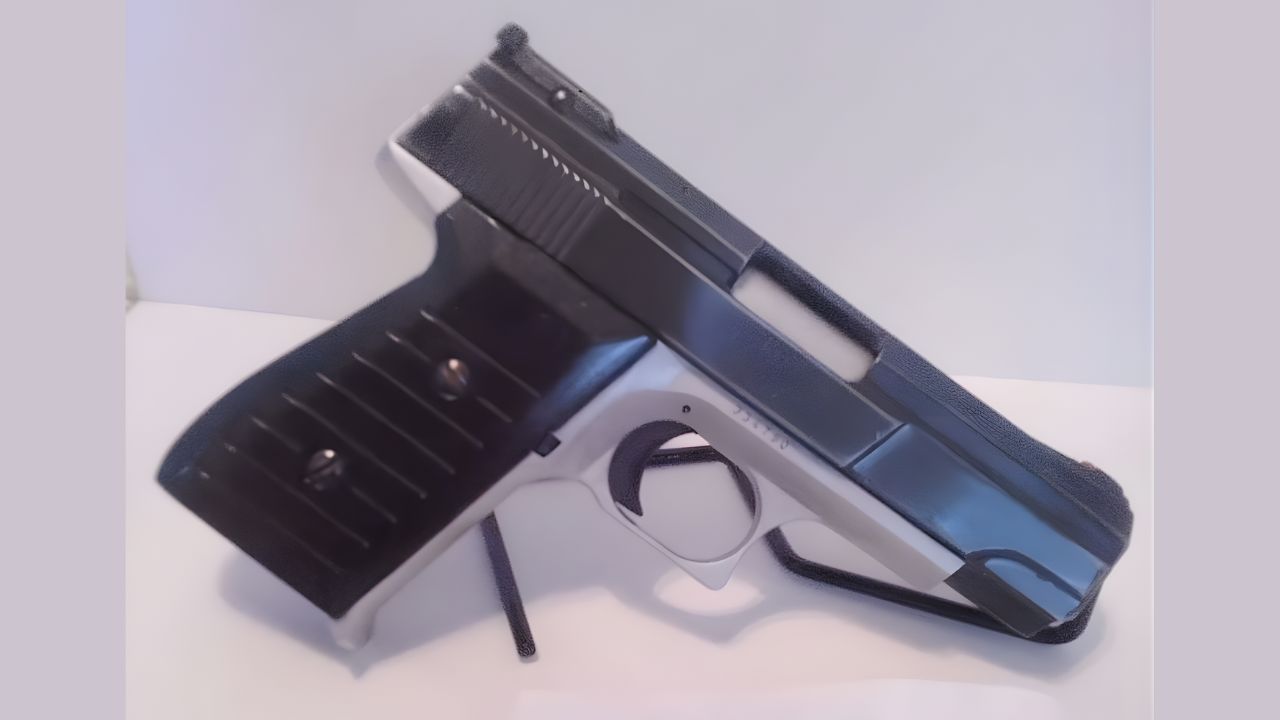
These ultra-budget pistols have a reputation for rough internals and questionable durability. If the gun starts peening, loosening, or showing functional wear early, it’s not surprising—but it’s still a bad deal for defense.
A carry gun isn’t a place to “try your luck.” When you see significant wear early, most owners decide they’d rather spend more once than keep paying for problems.
Lorcin L380

Pocket .380s like this often show the downsides of low-cost materials and loose tolerances. Wear patterns can show up quickly, and that wear often ties directly to reliability.
If a gun’s long-term plan is “hope it keeps running,” it’s not a smart carry choice. That’s why these tend to get replaced by something more proven.
Bryco Arms Jennings Nine
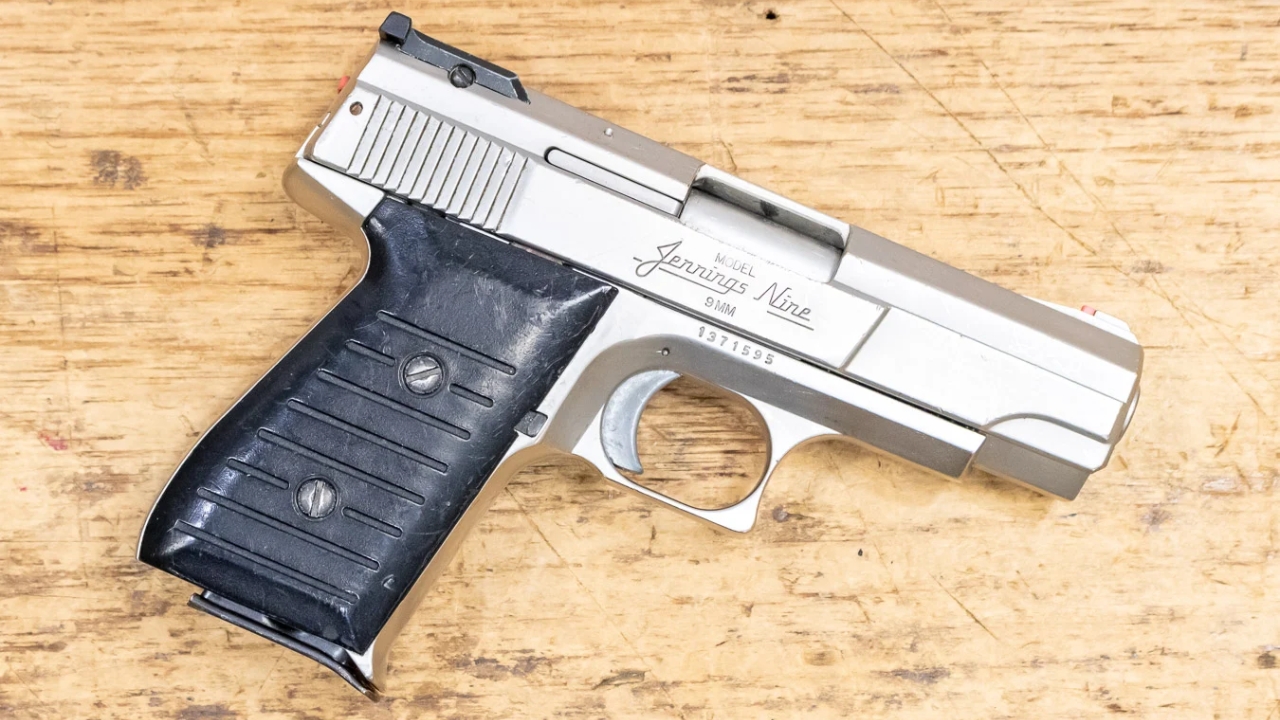
These guns are common on the used market, and that’s part of the problem. Many have lived hard lives already. When you combine unknown history with a platform that wasn’t built for long-term high-round-count use, wear problems show up.
If your “new-to-you” pistol starts shedding confidence fast, you learn a quick lesson: some deals are only deals at the cash register.
Kel-Tec P-11

Kel-Tec has made plenty of working guns, but the older P-11 is one that can feel rough and can show wear in ways that annoy owners—especially when carried constantly and shot regularly. It’s not a fragile gun, but it can feel like a compromise.
When the gun’s shootability and wear patterns combine into “I don’t like running this,” it often gets replaced by newer compacts that are easier to shoot and maintain.
Kel-Tec PF-9
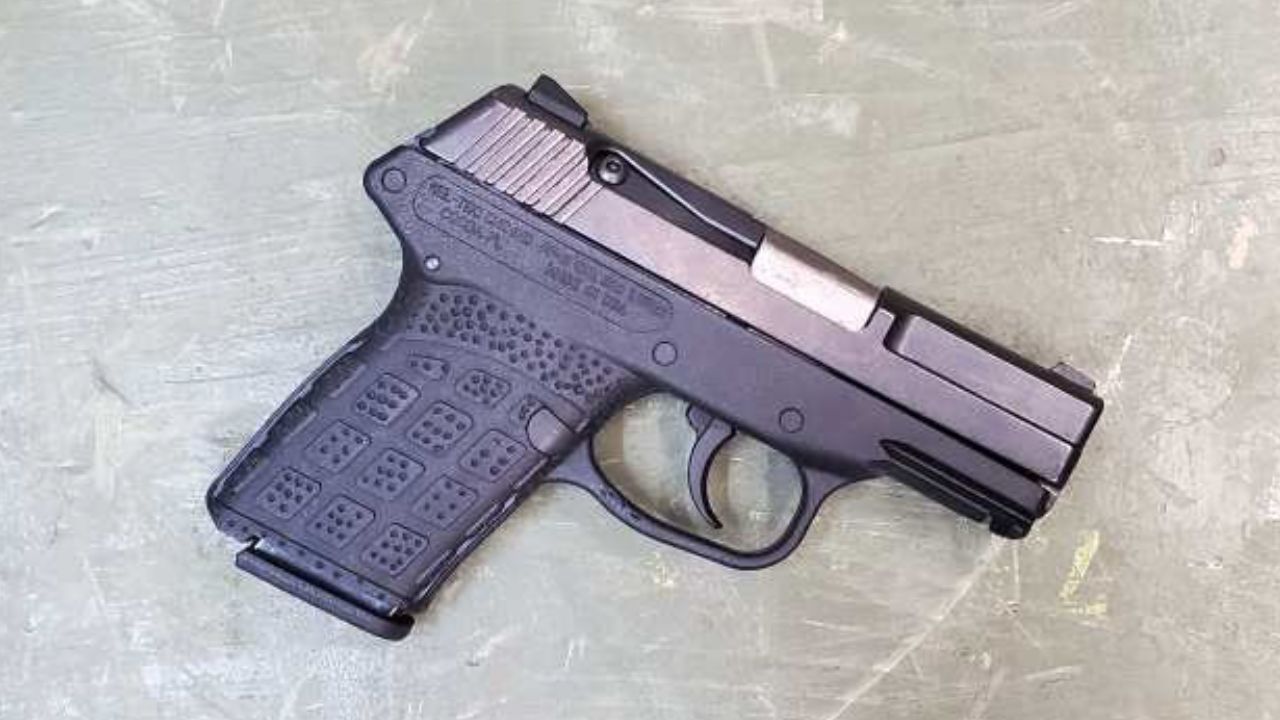
The PF-9 is thin and light, but it’s also a gun that a lot of people describe as a “carry a lot, shoot a little” pistol. If you actually train hard with it, you can start seeing the downside of a very light build.
A carry pistol should be something you can practice with enough to stay sharp. If the gun feels like it’s aging faster than your confidence is building, people move on.
Ruger LCP

The LCP is a classic pocket gun, but it’s still a micro .380. If you run a lot of rounds through one—especially early LCPs—you can see springs and small parts start to feel tired quicker than a larger pistol.
As a deep-carry tool, it can be fine. As a high-volume trainer, it often isn’t. Buyers who expect “shoot it like a Glock 19” often end up disappointed.
SIG Sauer P238 (if not maintained on schedule)

The P238 can be a great little pistol, but small 1911-style guns demand attention: springs, mags, and proper lubrication matter more than many new owners expect. If you neglect it and run it hard, it can start acting up.
When a carry gun requires a more careful maintenance rhythm than you’re willing to keep, it’s easy to label it “high maintenance” and dump it.
Springfield 911 (micro 1911-style)

Like other micro 1911-ish pistols, the Springfield 911 can run well, but it’s less forgiving than a striker gun when it comes to mags, ammo shape, and maintenance. When wear shows up, it usually shows up as reliability weirdness.
If a pistol turns into a project, most people don’t keep it for defense. They keep it for the safe—or they sell it.
Charter Arms Off Duty

Lightweight revolvers are great until you start shooting them a lot. Some older lightweight snubs can show timing and wear issues sooner than people expect if they’re practiced heavily with +P loads.
A carry revolver still needs to stay in time and lock up correctly. If it starts feeling loose early, it’s hard to trust, even if it still “goes bang.”
Like The Avid Outdoorsman’s content? Be sure to follow us.
Here’s more from us: