Photo credit: sootch00/YouTube
A revolver doesn’t have to be rare to climb in value. Most of the “money” guns are the ones people actually want to own: strong designs, clean triggers, classic lines, and a reputation that stayed intact through decades of real use. Add in discontinued runs, older manufacturing details, and the fact that good examples keep getting harder to find, and you’ve got a market that keeps pushing certain models upward.
If you’re paying attention, the pattern is clear. Condition and originality matter more than almost anything else. Boxes, papers, correct grips, and honest finish go a long way. So does knowing what you’re looking at—pinned barrels, recessed cylinders, pre-lock frames, and early production markings can separate an ordinary gun from one that brings real money when it changes hands.
Colt Python (original production)
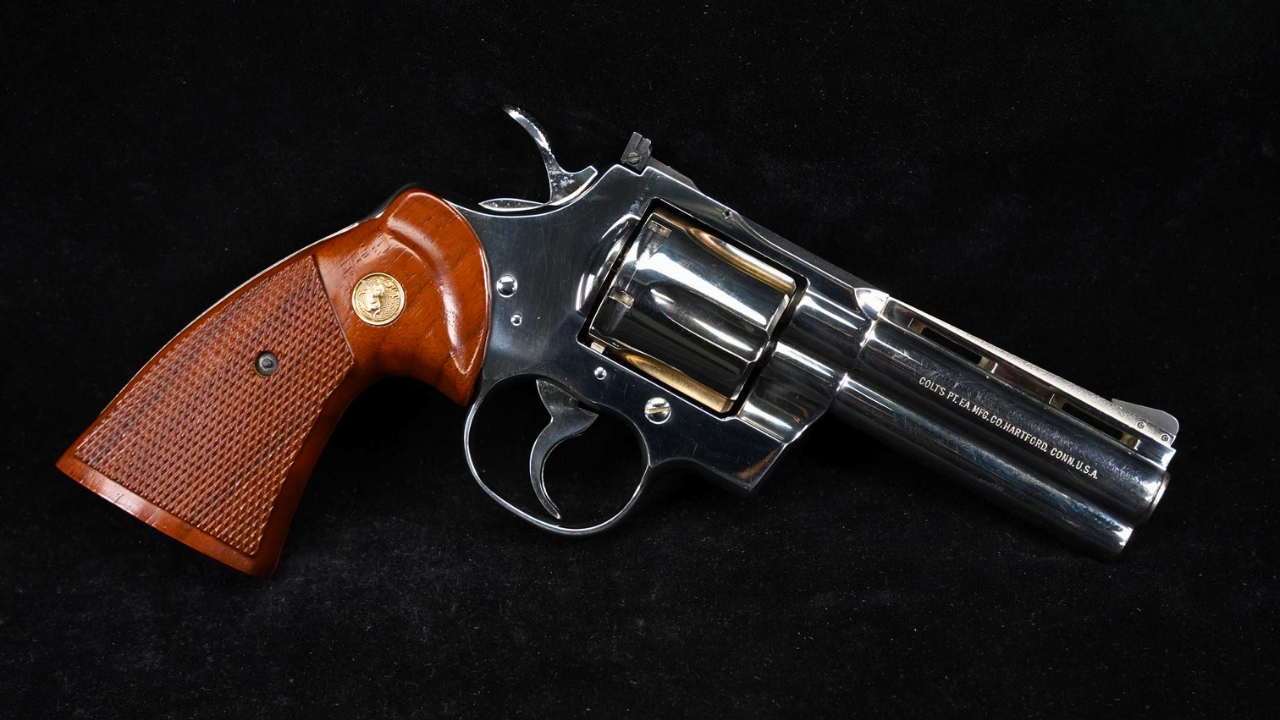
The original Colt Python keeps climbing because it sits at the crossroads of looks, history, and shootability. The old-school polish and deep blue finish still stop people in their tracks, and the action has a feel that newer production rarely matches. When you handle a clean example, you can tell it came from a time when finishing work mattered.
Value growth comes from demand and scarcity working together. Collectors want them, shooters want them, and there aren’t enough clean, unmolested Pythons to satisfy both crowds. Condition drives the price, and originality drives it even more. If you find one with correct grips and no home gunsmithing, it tends to hold attention and money. The market treats the Python like a benchmark, and that keeps pulling prices upward.
Colt Detective Special (early generations)

The Colt Detective Special has always been a practical little carry revolver, and that’s part of why it keeps gaining value. It represents a real era of plainclothes carry, with a compact frame that still feels substantial in the hand. Early guns with correct parts and clean lines draw collectors who want a working classic, not a safe queen only.
Price movement is tied to condition and generation. Older examples with good finish, sharp markings, and the right grips keep getting harder to find, especially ones that weren’t carried hard and put away wet. You also get crossover appeal: revolver collectors want them, and so do people who collect classic concealed-carry guns. When two groups chase the same model, values tend to climb without needing any gimmicks.
Colt Diamondback
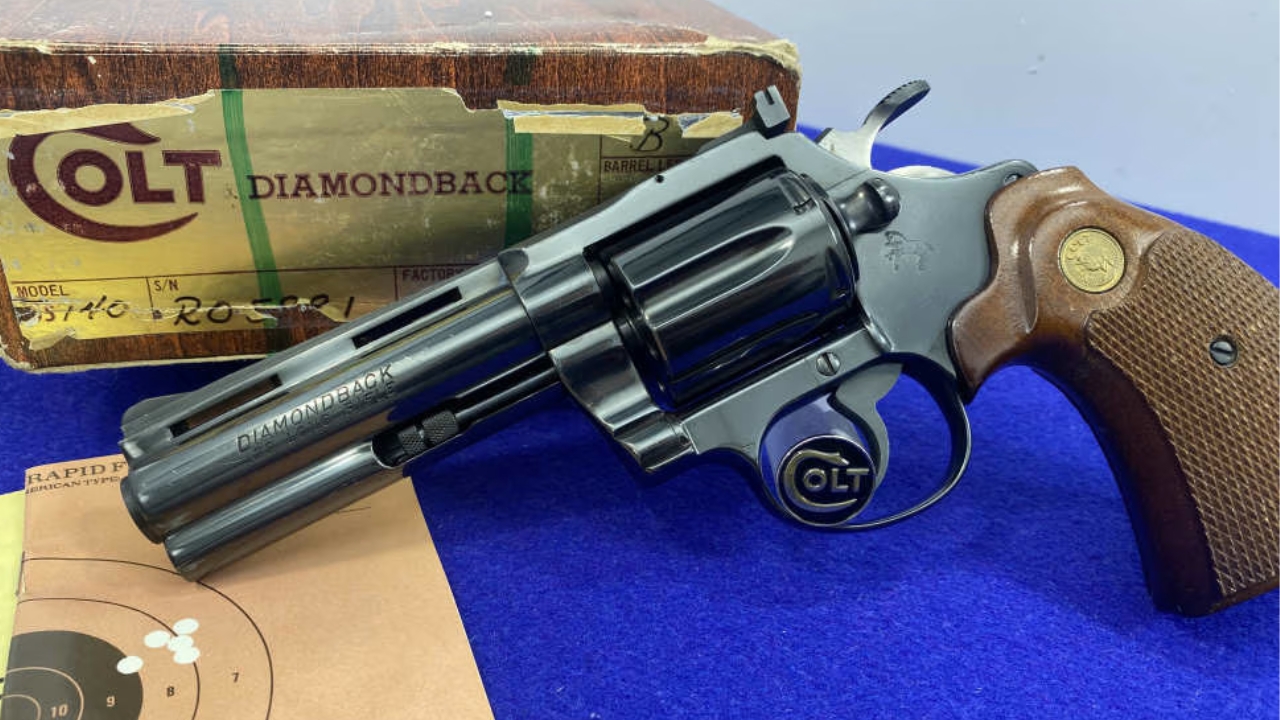
The Colt Diamondback is one of those revolvers that looks like it belongs in a display case but still shoots like a serious tool. It carries the same family resemblance as the Python, and plenty of buyers see it as a more attainable Colt target-style revolver with real collector upside. That perception keeps demand steady.
What pushes value is how many Diamondbacks have been used hard or altered. Clean examples with crisp finish and correct details don’t sit long when they hit the market. The gun also benefits from nostalgia—detective shows, old-school range culture, and that classic Colt profile. If you’re looking at one, originality matters a lot. When the finish is right and the gun hasn’t been “improved” with aftermarket parts, it tends to bring strong money and keep trending upward.
Colt Anaconda (1990s production)

The 1990s Colt Anaconda has been climbing because it checks a lot of boxes: big-bore appeal, Colt name, and a run that ended before the current revival made the model common again. People who want a large-frame Colt revolver often chase the older guns for their place in Colt’s modern history and the fact that they feel like a different era of production.
Value growth is strongest on clean, original examples. Heavy .44s get shot, and they get carried, so finish and timing matter. A tight Anaconda with correct grips and sharp markings has broad appeal—collectors like it, and hunters like it. That mix keeps the price pressure going. When you see one that hasn’t been worn down by years of full-power loads and neglect, you’re looking at the kind of condition that tends to move values up.
Smith & Wesson Model 27

The Model 27 carries serious weight in Smith & Wesson history, and collectors pay for that. It’s the classic N-frame .357 with a level of finish work that’s tough to replicate today. When you pick one up, the fit and the way the action feels usually explain the reputation without any extra talk.
Value keeps rising because great examples are drying up. Many Model 27s were used as duty guns or range guns, so the top-tier collector pieces—clean finish, correct stocks, sharp edges—stand out fast. You also get buyers who want one as a “once” revolver: the kind you buy, keep, and hand down. That kind of demand doesn’t fade quickly. If you’re shopping, look for condition, correct parts, and no amateur polishing. The market rewards correctness.
Smith & Wesson Model 19 (pinned-and-recessed era)

A pinned-and-recessed Model 19 is one of the most loved K-frames ever made, and that love is turning into higher prices. It’s the classic carry-and-shoot .357 that balances well, points naturally, and has a trigger feel people still chase. When you shoot a good one, you understand why it became a reference point.
Values climb because the best ones are getting picked off and kept. Collectors want the older manufacturing details, and shooters want the handling that newer guns don’t always match. Original grips, clean screws, and sharp markings make a difference, and so does keeping it free of heavy modifications. These revolvers also carry nostalgia from an era when a .357 K-frame was a serious working gun. That kind of reputation tends to age well in the collector market.
Smith & Wesson Model 29 (pre-lock, classic configuration)
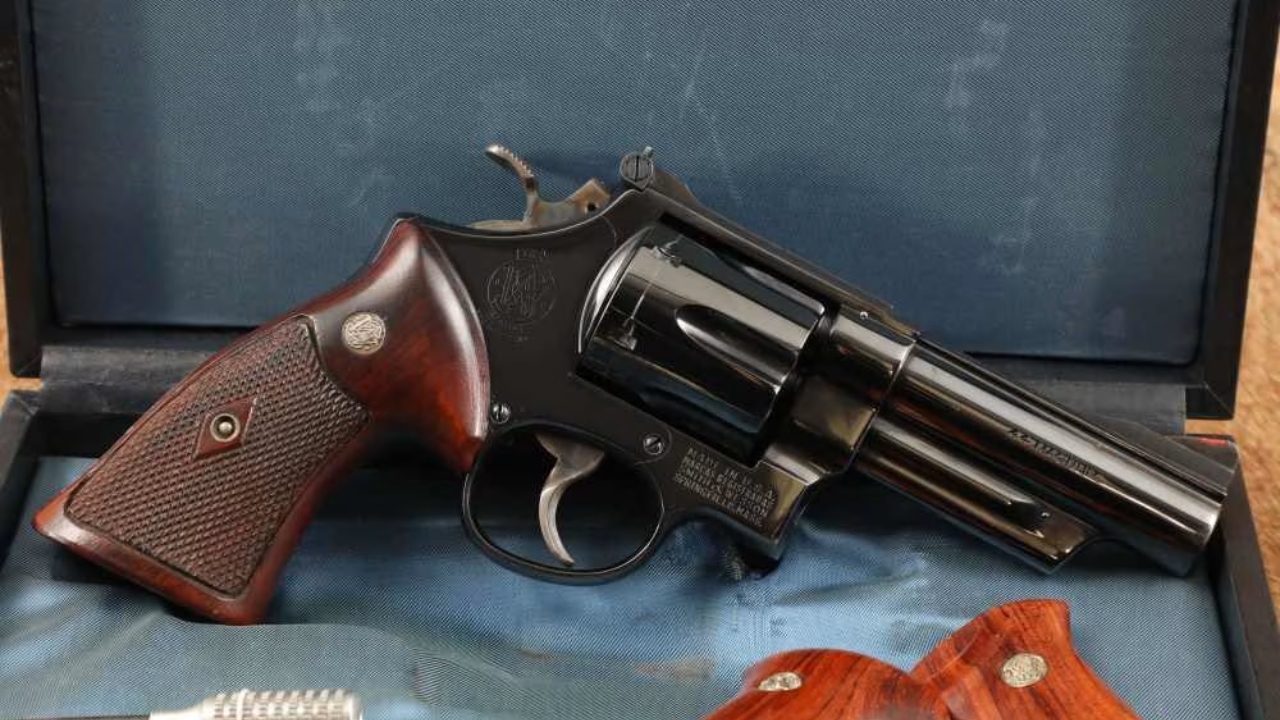
The Model 29 has a cultural footprint that keeps it in demand, and demand pushes value. Even people who don’t hunt with a .44 still want a classic N-frame in the safe, and the older guns have a feel that draws collectors. Fit, finish, and that big-bore presence matter, and the Model 29 has always delivered on those points.
Prices climb fastest on clean, original examples that haven’t been beat up by decades of heavy loads. Timing, endshake, and overall condition matter because buyers have learned what hard use looks like on a .44. You also see strong interest in earlier guns and traditional barrel lengths that people associate with the Model 29’s legacy. If you find one with honest finish, correct stocks, and no questionable “tuning,” it tends to hold attention and money.
Smith & Wesson Model 66 (early stainless guns)
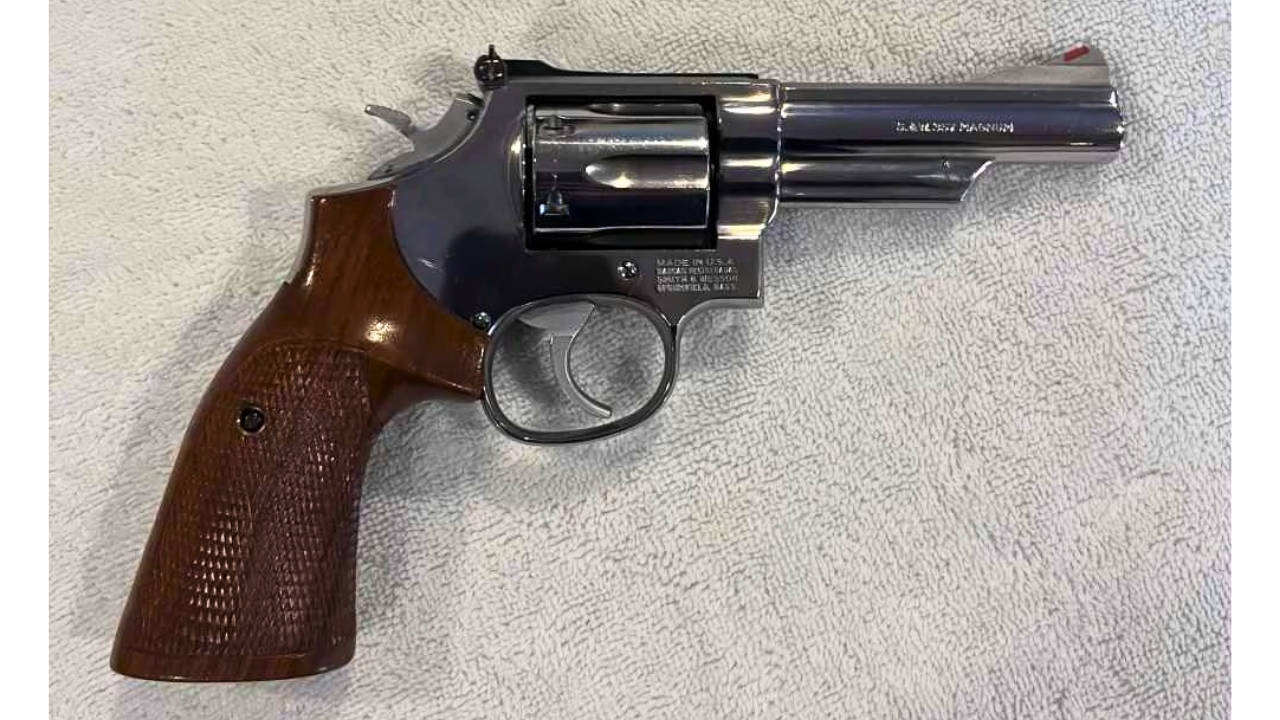
Early Model 66 revolvers keep gaining value because they represent a moment when stainless service revolvers were still new and exciting. You get the familiar K-frame handling, but with corrosion resistance that made them practical duty guns in wet climates. They shoot well, carry well, and they look right doing it.
Value increases are driven by scarcity of clean examples. Many 66s lived hard lives in holsters, so finding one with crisp edges, good finish, and correct parts is getting tougher. Collectors also like the “first-generation” feel of early stainless Smiths, especially when the gun hasn’t been modified. A well-kept 66 appeals to shooters who want a classic they can still run, and collectors who want a true piece of the stainless transition era. That overlap keeps prices moving.
Smith & Wesson Model 586 (early no-lock guns)

The Model 586 has been climbing because people keep rediscovering how good an L-frame .357 can be. It’s big enough to handle steady .357 shooting without feeling harsh, but it doesn’t carry like a boat anchor. The balance is excellent, and many examples have triggers that make you want to slow down and shoot groups.
Collector interest is strongest in earlier configurations and clean, original condition. These guns were often bought to be used, so pristine examples stand out. The 586 also appeals to shooters who want a classic competition-friendly revolver without paying Python money. That creates steady demand, and steady demand drives values up over time. If you find one with sharp finish, correct stocks, and no questionable modifications, it tends to sell quickly. The market treats it like a practical classic that still earns its keep.
Ruger Security-Six (and Speed-Six)

Ruger’s Six-series revolvers keep gaining value because they are tough, practical, and no longer made. The Security-Six and Speed-Six were built for hard use, and they earned reputations as working guns that kept going. That reputation has aged well, especially as more people look for older revolvers with proven durability.
Value growth shows up most in clean examples and desirable configurations. Many of these were carried a lot, so holster wear is common. When you find one with better finish, correct grips, and tight lockup, it draws attention fast. The Six-series also appeals to buyers who want an older Ruger they can still shoot often without babying it. That shooter-collector overlap keeps pressure on supply. As fewer clean guns stay available, prices tend to keep walking upward.
Ruger GP100 (early production, desirable variants)

The Ruger GP100 has always been a shooter’s revolver, and that’s turning into stronger collector demand as clean early guns get harder to find. People trust the GP100’s strength, and many buyers want one that hasn’t been modified, cut, or worn down. Early production examples and specific configurations can bring a premium when condition is high.
What drives value is the market’s respect for “original and clean.” A GP100 that hasn’t been altered, with correct parts and a sharp finish, stands out because so many have been used hard. The gun also appeals to hunters and outdoorsmen who want a .357 they can shoot a lot. That keeps baseline demand high. When you combine steady demand with a shrinking pool of clean early guns, you get gradual value gains. The GP100 isn’t rare, but excellent ones are not getting easier to find.
Dan Wesson Model 15 (.357 with interchangeable barrels)

Dan Wesson revolvers have been creeping upward in value for years, and the Model 15 is a big reason why. The interchangeable barrel system gives you real versatility, and shooters respect how well many of these guns perform. When a revolver has a reputation for accuracy and a design that stands apart, collectors eventually take notice.
Value jumps are strongest when the package is complete. Extra barrels, the shroud tools, correct cases, and factory paperwork change the game. Many Model 15s have been pieced together over time, so complete, correct sets draw serious interest. You also get demand from revolver shooters who want a performance-oriented classic that still feels different than mainstream options. When a gun appeals to both collectors and shooters, prices tend to trend upward. A clean, complete Dan Wesson setup is the kind of listing that disappears quickly.
Colt King Cobra (original runs)

The original Colt King Cobra has been gaining value because it sits in a sweet spot: Colt name, practical .357 size, and a run that feels more finite than people assumed at the time. It’s a revolver many buyers passed over when they were easy to find, and now they’re circling back with stronger wallets.
Condition matters a lot because many were carried and shot regularly. A clean King Cobra with correct grips and no amateur work draws attention. It also benefits from the broader Colt revival effect—when people get excited about classic Colts, the models below Python level often move up with them. The King Cobra is also a revolver you can actually use, which keeps demand healthy. If you find one that’s tight, clean, and original, it tends to bring a stronger price than it did not long ago.
Smith & Wesson Model 642 / 442 (older, clean examples)

Airweight J-frames like the 642 and 442 keep creeping up because they’re always relevant. People keep carrying them, and that constant real-world use thins the pool of clean, older examples. When a gun stays popular for decades, the nice early specimens start becoming collector pieces without anyone announcing it.
Value growth shows up most when condition is high and the gun is unaltered. Many snubs get carried daily, so finish wear is common. A clean example with correct parts and good lockup stands out quickly. These revolvers also have a practical nostalgia factor: they represent the “grab-and-go” era of concealed carry that never truly went away. You might buy one to carry, but plenty of buyers buy one to keep. That combination keeps prices moving upward, especially on clean older runs.
Smith & Wesson Model 36 (Chiefs Special, earlier guns)

The Model 36 has been rising because it’s a true classic carry revolver with deep history and wide appeal. It’s small, steel, and built around a role people still understand: a revolver you can carry a lot and shoot enough to stay competent. Earlier guns, especially those in clean condition, have become harder to find as they get absorbed into collections.
Collectors like the older details and the traditional look, while shooters like the way a steel J-frame handles compared to lighter snubs. That creates steady demand. Prices move most on examples that haven’t been modified and still wear correct parts. A Model 36 with sharp markings and clean finish tends to get snapped up, because it hits that sweet spot between true collector piece and usable gun. As more people chase classic revolvers with real carry history, the Chiefs Special keeps climbing.
Freedom Arms Model 83
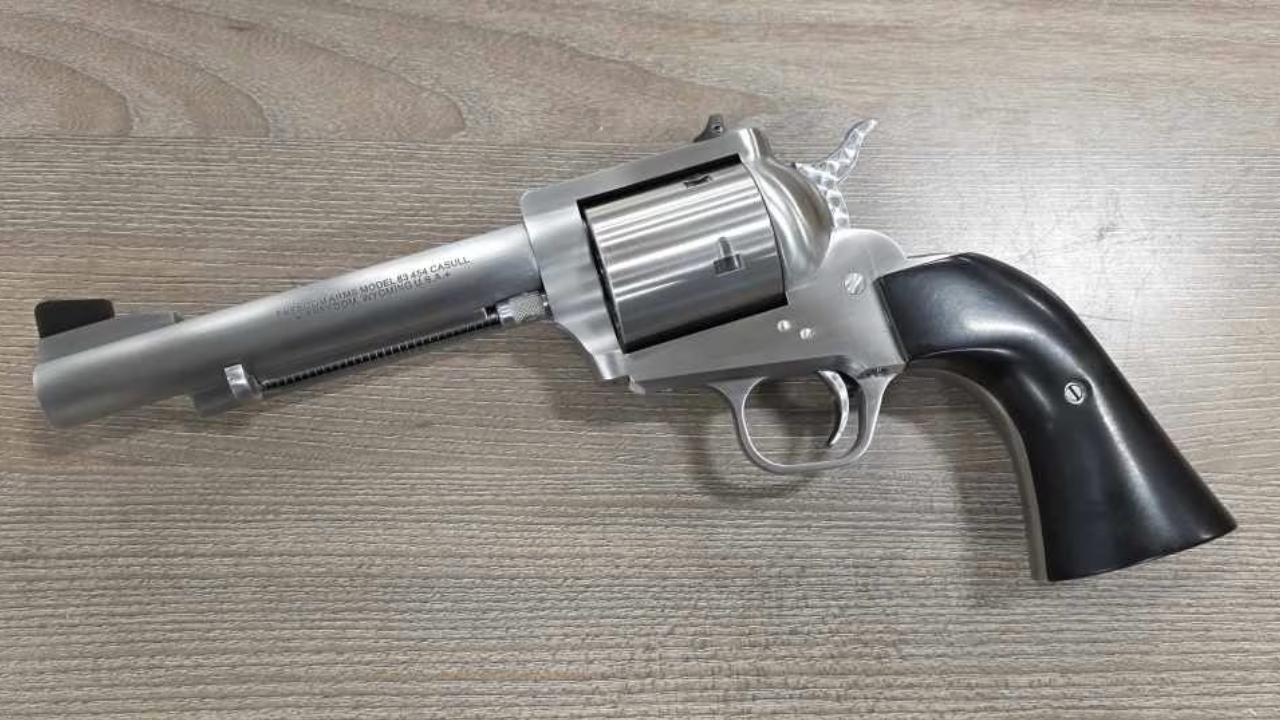
The Freedom Arms Model 83 sits in a different category than mass-produced revolvers, and that’s why it carries strong value momentum. Fit and machining are on another level, and serious handgun hunters know it. When a revolver has a reputation for strength and precision, it holds its place in the market even when trends shift.
Value gains come from limited supply and a buyer base that understands what it is. These guns aren’t everywhere, and owners tend to keep them. Condition and configuration matter, but even used examples often command strong prices because the underlying build quality stays respected. The Model 83 also benefits from the steady interest in big-bore revolvers for hunting and backcountry carry. When a revolver is both a working tool and a collector-grade piece, prices usually trend up over time. You see that pattern clearly with Freedom Arms.
Like The Avid Outdoorsman’s content? Be sure to follow us.
Here’s more from us: