Photo credit: Alexey Spehalski/Shutterstock.com
A “rough hunt” doesn’t have to be a blizzard or a weeklong pack-in trip. Sometimes it’s one wet morning, one dusty ride in the truck, or one hard bump getting in and out of a stand. The rifles that lose people fast are the ones that start acting weird the second conditions aren’t perfect—sticky extraction, magazines that puke rounds, rust showing up overnight, or a zero that walks for no good reason.
These picks aren’t “every single one is junk.” They’re rifles that have a long-enough trail of field complaints that plenty of hunters decide they’re done after one bad trip.
Remington Model 700
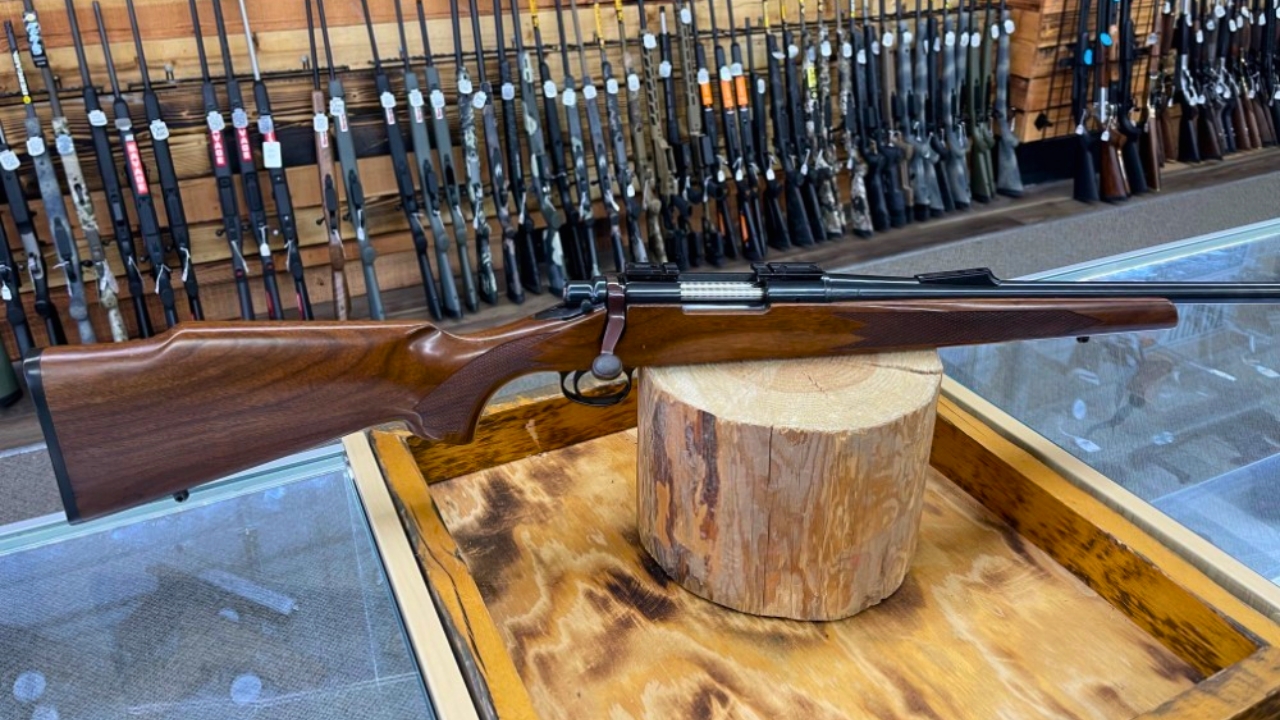
A lot of these rifles shoot well, but the trust issue shows up when you’re dealing with older trigger concerns, inconsistent QC across years, and rifles that sometimes need a little attention before they feel rock solid. In the field, “little attention” can feel like a big deal when you’re cold and tired.
If you’ve got one that’s been flawless, great. But if you get one that starts giving you sticky bolt lift, weird feeding, or anything that feels off, that’s the kind of rifle some guys sell fast because they don’t want doubts living in the back of their head.
Remington 770
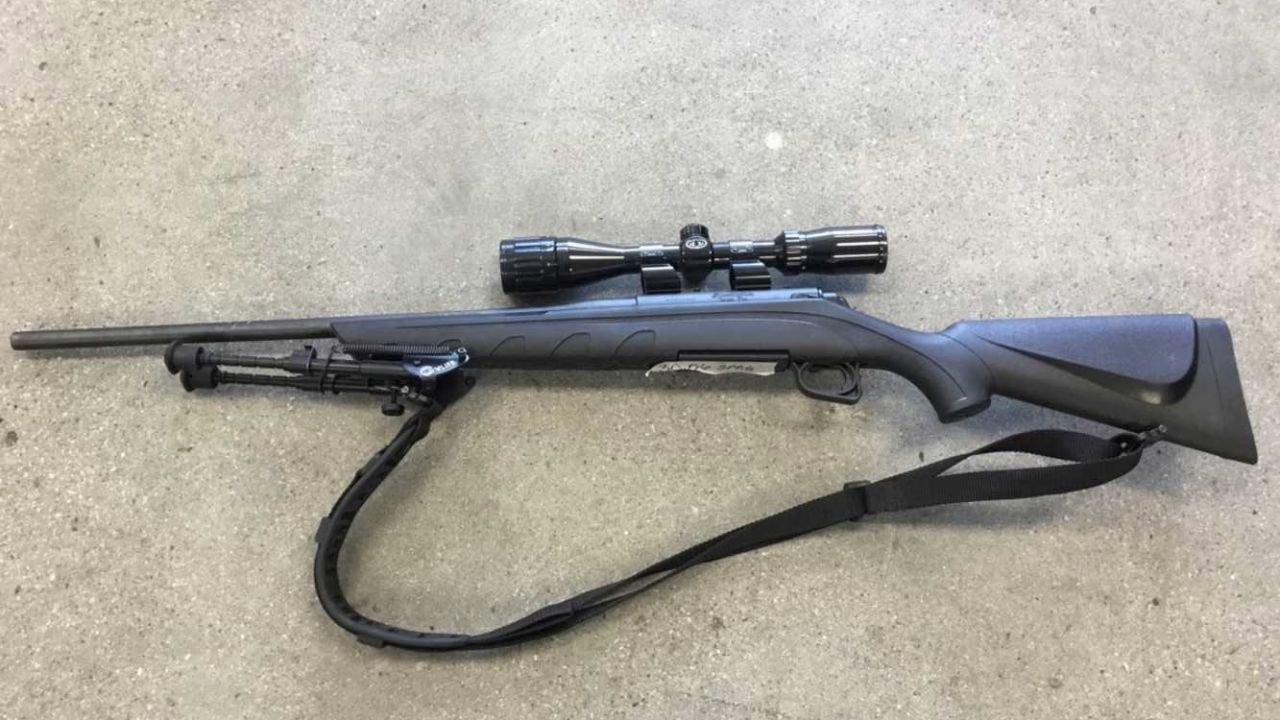
The 770 gets people because it’s cheap and often comes scoped, but rough conditions are where budget shortcuts show. The factory optics and mounts are common weak points, and if the rifle takes a bump or gets wet, problems show up quick.
A hunting rifle should feel boring. When you’re fighting the bolt, chasing a wandering zero, or dealing with a scope that won’t stay put, it stops being about the hunt and turns into “why did I bring this thing?”
Ruger American Ranch

The Ranch is a handy rifle, and plenty run great. The trust breaker is when you get one that’s picky about magazines or has feeding quirks tied to mag fit. Rough hunts amplify that because you’re loading in bad light, gloves on, and moving fast.
If the mag doesn’t lock in positively every time, or rounds nose-dive when the rifle gets jostled, guys lose faith quick. You can often fix it with the right mags and setup, but many don’t want to start a hunt with “it should be fine.”
Savage Axis

Axis rifles can shoot better than their price suggests, but some of the early, flexible stock setups can make the rifle feel inconsistent after it gets bumped, rested on a hard surface, or exposed to temperature swings. That’s where confidence starts slipping.
A stock that flexes into the barrel or changes how the action sits can turn “it was zeroed” into “why is it two inches off today?” One rough hunt is all it takes for a lot of folks to move on.
Mossberg Patriot
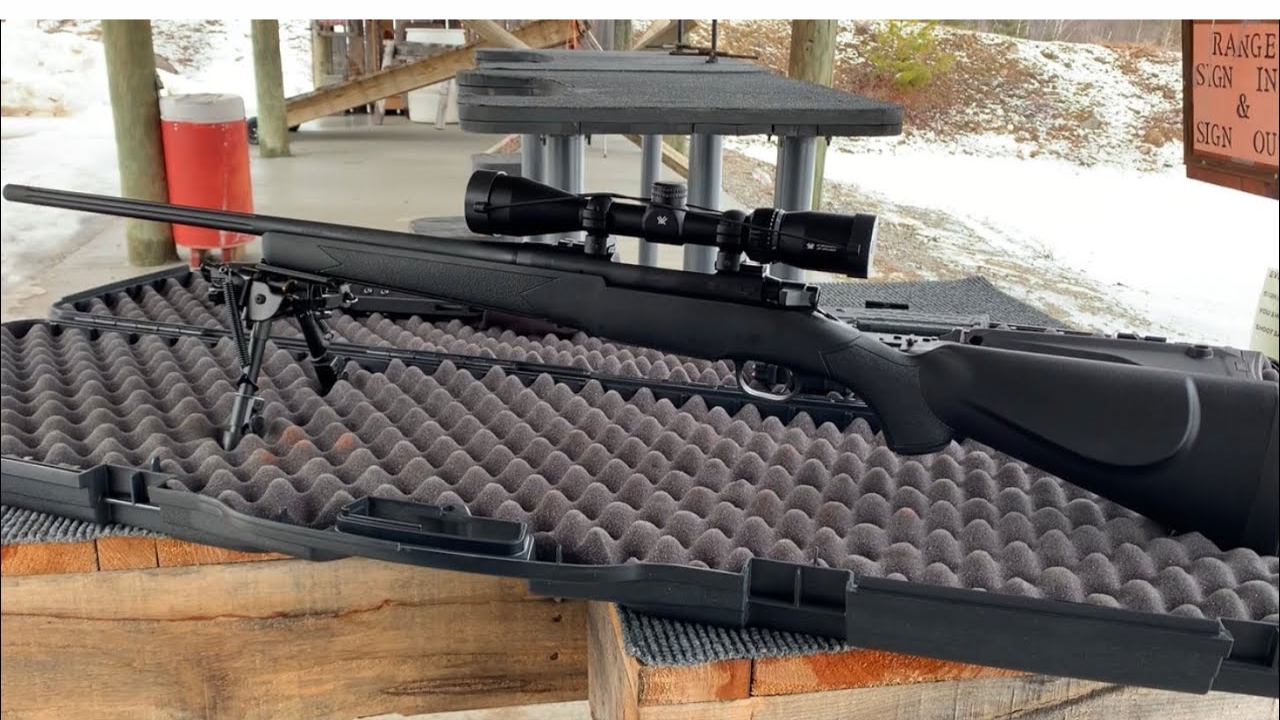
The Patriot’s biggest issue isn’t one single flaw—it’s that some examples feel like they need more tinkering than a hunting rifle should. Rough bolt feel, occasional feeding complaints, and “budget rifle” fit-and-finish can create that nagging doubt.
When you’re cold, wet, and trying to get a follow-up shot, you want a rifle that cycles smooth and predictable. If your first hunt turns into fighting the action or the magazine, many hunters decide that’s enough.
Ruger Mini-14

Mini-14s can be reliable as a tool, but the older thin-barrel guns are known for opening up groups as they heat. In a hunting context, that matters when you fire a couple shots checking zero, then expect the next one to land the same.
If your first outing includes a “why did it suddenly start throwing rounds?” moment, it’s hard to un-feel that. Newer, heavier-barrel variants improved, but the older reputation still follows the platform.
Browning BAR

The BAR is a great rifle when it’s clean and fed ammo it likes. But semi-auto hunting rifles can lose trust fast if they show any cycling hiccups in cold weather, gritty conditions, or with underpowered loads.
A lot of guys buy a BAR expecting it to run like a service rifle and then learn it’s a hunting semi-auto that needs proper cleaning and good mags/loads. If your first hunt includes a jam at the wrong time, plenty of people don’t stick around to troubleshoot.
Winchester Model 70

Model 70s are usually solid, but the “trust breaker” happens when a rifle is sensitive to action screw torque or bedding and starts shifting point of impact after a hard ride or temperature changes. That’s not unique to the Model 70, but it shows up in some setups.
Hunters who don’t want to think about torque values in camp tend to dump rifles that act finicky. If your first trip ends with a zero you don’t recognize, it’s hard to sleep easy behind it.
Tikka T3x Lite (magnum chamberings)
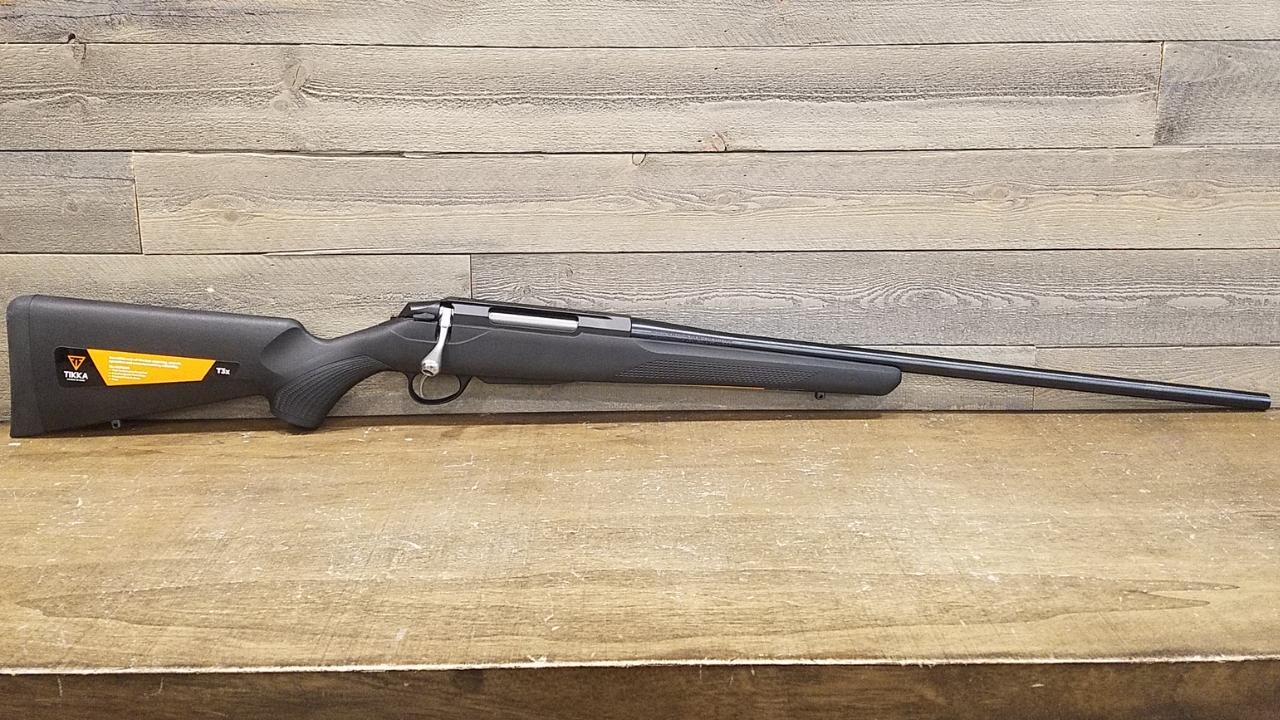
Tikkas are generally excellent, but the Lite in a magnum can be a rude first hunt if you didn’t fully respect the recoil and muzzle jump. That recoil can make people flinch, lose follow-through, and then blame the rifle when groups fall apart.
The “never trust again” moment is often personal: you start doubting every shot because you don’t like how the rifle behaves. If the rifle scares you a little, it doesn’t matter how good the barrel is—confidence is gone.
Kimber Mountain Ascent (magnum chamberings)

Same story as other ultralights, but it hits harder here because buyers expect premium perfection. A super-light magnum can be brutal from awkward field positions, and it’s less forgiving of sloppy technique or inconsistent shoulder pressure.
If your first hunt includes a miss you can’t explain and you walk away thinking, “I hate shooting this thing,” it’s common to see these end up on the sale rack quick—especially when the price tag makes the regret sting.
Ruger Hawkeye Alaskan
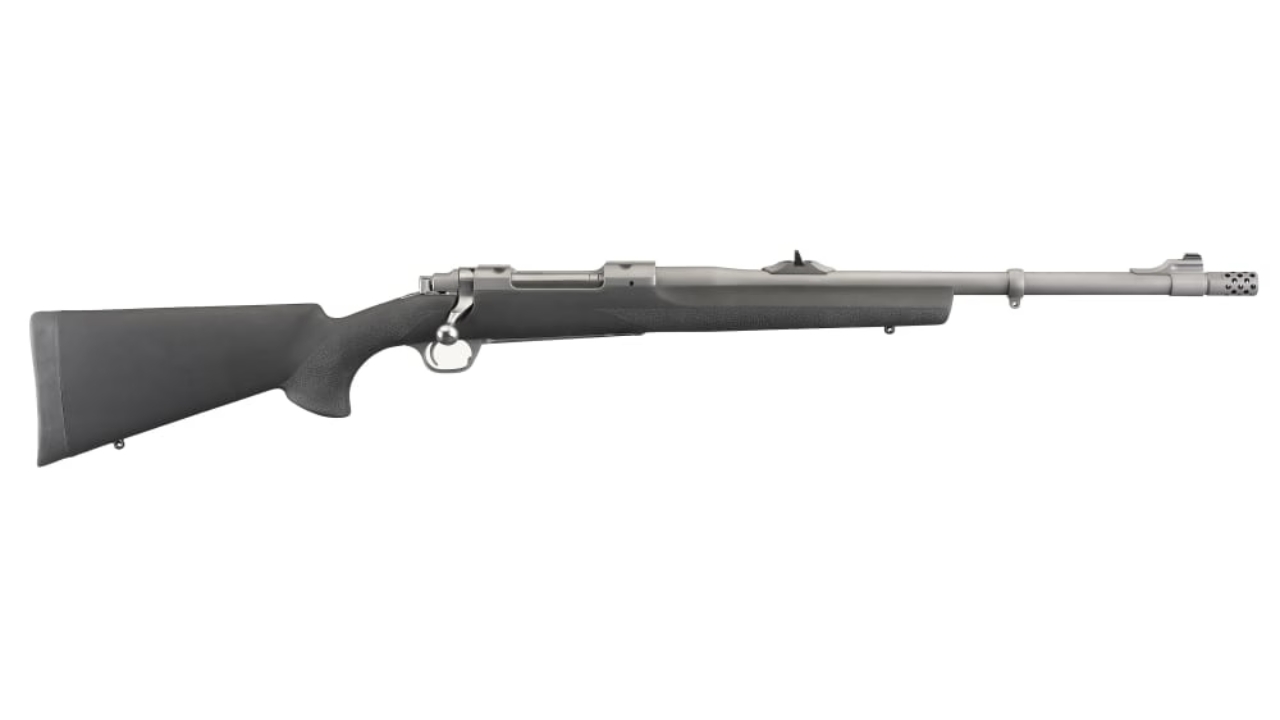
This rifle is built for hard work, but heavy-caliber recoil can turn a first outing into a confidence problem if you’re not practiced. The gun might be fine, but the shooter-rifle combo doesn’t feel controlled.
A rough hunt is when you learn if you can actually run your rifle from field positions. If it beats you up, you’ll hesitate when it matters—and hesitation turns into mistrust fast.
Marlin 1895

Lever guns are great, but a lot of .45-70 setups get picky when you mix bullet shapes, overall lengths, and different factory loads. A hunt is not where you want to learn your rifle hates a certain flat point or polymer tip profile.
If your first outing includes a feeding jam while a hog is moving off, the romance disappears. Most of the time the fix is “run what it likes,” but many hunters don’t want a rifle with food preferences.
Henry Long Ranger

The Long Ranger is a neat idea, but the trust breaker can be magazine-related—fit, feeding feel, or just that “this doesn’t feel as idiot-proof as my bolt gun” vibe in bad weather. Some guys want their hunting rifle to be dead simple.
If you’re fumbling a mag in the dark or fighting a feed issue once, a lot of hunters decide the traditional bolt gun life is better and never look back.
Ruger Precision Rifle

It’s accurate, but a rough hunt exposes practical problems: weight, bulk, snag points, and getting into position quickly. Hunters buy it thinking “laser beam,” then realize the rifle is built for a different job.
If your first outing feels like you brought a bench to the woods, it gets sold. Not because it can’t shoot—because it’s miserable to hunt with unless you’re set up for it.
CZ 527
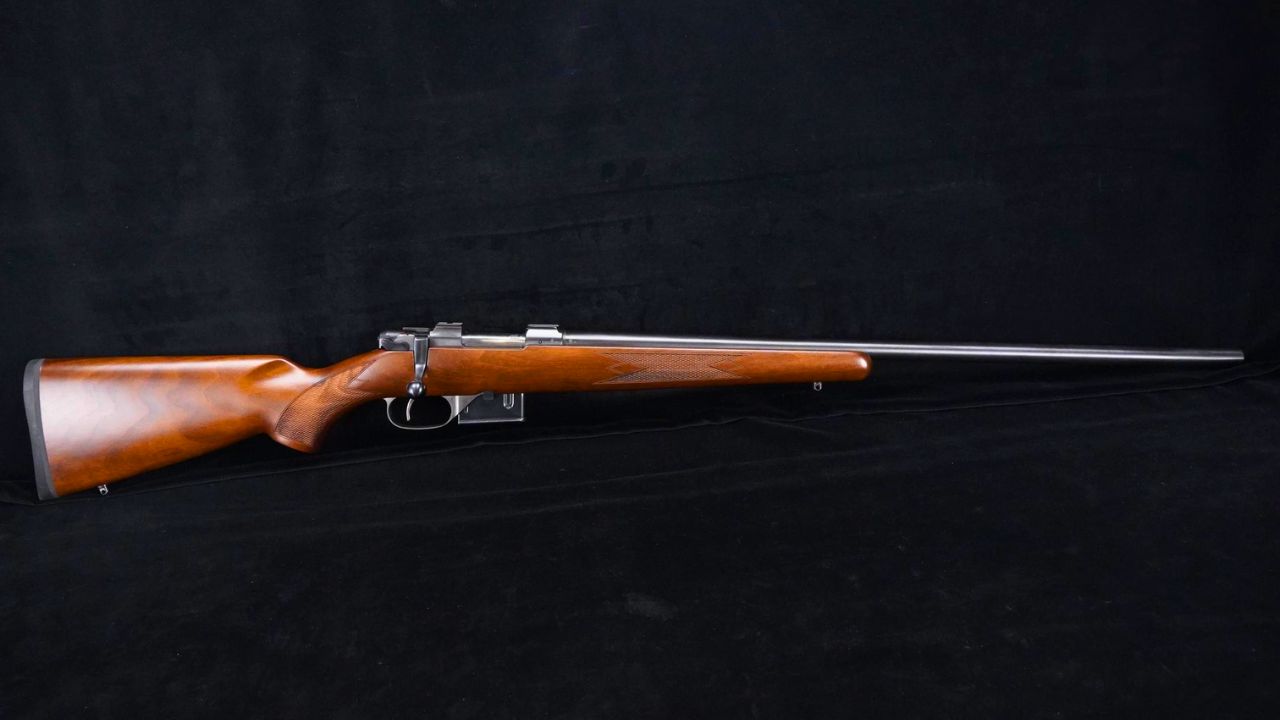
A lot of 527s are great little rifles, but some can feel stiff or picky with certain brass/ammo, especially when dirty. If your first hunt includes sticky extraction or bolt feel you don’t like, it plants a seed of doubt.
Hunters will tolerate quirks in range toys. In the field, most people want simple, smooth, and predictable. If the first trip doesn’t feel that way, they often move on.
Like The Avid Outdoorsman’s content? Be sure to follow us.
Here’s more from us: