Photo credit: WHO_TEE_WHO/YouTube
Clean one-shot kills aren’t magic, and they’re not guaranteed by any headstamp. What makes an animal tip over fast is a good hit through the right plumbing, a bullet built for the job, and enough velocity to make that bullet behave the way it’s supposed to. When all three line up, you get the kind of quick collapse that feels almost unfair. When they don’t, even a big cartridge can leave you staring at hair, tracks, and a long evening.
The rounds below have earned a reputation for fast kills because they carry practical energy, drive bullets deep, and tend to produce decisive wound channels on the game they’re meant for. You still have to do your part—but these cartridges tilt the odds in your favor.
.30-06 Springfield

If you want a cartridge that’s quietly ended more hunting arguments than it’s started, this is it. With quality 150–180 grain bullets, you get enough speed for good expansion and enough sectional density for deep, straight penetration. On deer, it can be dramatic. On elk, it stays honest if you pick a bullet that holds together.
The reason it “drops game” is consistency across real hunting distances. You can shoot it well in most rifles, it handles wind better than lighter rounds, and it doesn’t need perfect angles to reach the vitals. Put it through the heart-lung area and you’ll see why it’s still a benchmark.
.308 Winchester

The .308 wins a lot of one-shot stories because it’s easy to shoot well and accurate in a huge variety of rifles. With modern bullets—150s for deer, 165–180s for bigger-bodied game—it penetrates reliably and expands predictably at practical ranges. You aren’t relying on flashy speed; you’re relying on solid performance.
What makes it feel decisive is the way it pairs with good shot placement. Less recoil than many “classic” deer rounds means you’re more likely to break a clean trigger and stay on target. When you put a tough, controlled-expansion bullet through the lungs, the .308 tends to produce short blood trails—or none at all.
.270 Winchester

The .270 has been folding deer for generations, and it still does it with authority when you use the right bullet. A 130- or 140-grain hunting bullet at .270 speeds expands fast, cuts a wide wound channel, and often exits on broadside shots. That combination leads to quick oxygen loss and fast recoveries.
It’s also a cartridge you can shoot confidently without flinching. That matters more than people admit. The .270’s flat trajectory keeps you from second-guessing holdover on longer fields and ridgelines, and the recoil stays manageable for most hunters. When you put it through the ribs and into the boiler room, animals tend to react like the lights got shut off.
7mm Remington Magnum

This round has anchored a mountain of elk and mule deer because it hits hard, shoots flat, and carries velocity a long way. With 160–175 grain bullets built for penetration, you get deep wound channels and reliable performance at distances where other cartridges start to lose expansion.
Where it earns “one-shot” status is on imperfect conditions—wind, angle, and distance. It gives you enough horsepower to push a tough bullet through shoulder, ribs, and into the vitals with authority. The tradeoff is recoil and muzzle blast, so you have to be honest about what you shoot well. If you can run it calmly and place it right, it can end hunts fast.
.243 Winchester

People love to argue about the .243, but on deer-sized game with the right bullet and good placement, it drops animals quickly. The high velocity helps expansion, and a well-constructed 90–105 grain hunting bullet can still penetrate through the ribs and reach the vitals with plenty to spare.
Its real advantage is that it’s easy to shoot well. If you don’t dread the trigger press, you’re more likely to put the bullet where it belongs. That’s what creates those “dropped in their tracks” moments—clean heart-lung hits with a bullet that expands and keeps driving. It’s not an elk hammer for everyone, but for deer, pronghorn, and similar game, it can be brutally efficient.
6.5 Creedmoor

The Creedmoor gets talked to death, but it earned its spot by being accurate, manageable, and lethal with modern bullets. With 120–143 grain hunting loads, it tends to penetrate deeply and expand reliably on deer-sized animals. When you put it through the ribs, it often produces quick collapses and short recovery distances.
What makes it feel so effective is how well most people shoot it. Low recoil helps you stay steady, and many rifles in this chambering are genuinely easy to tune for accuracy. The cartridge also carries well enough at distance to keep bullets working as intended at normal hunting ranges. If you’re disciplined about angles and bullet choice on larger game, it can deliver very fast kills.
.280 Remington

The .280 is one of the best all-around hunting rounds for North American big game because it balances bullet weight, speed, and shootability. With 140–160 grain bullets, it hits deer like lightning and handles elk with the right construction and placement. It’s a cartridge that doesn’t need tricks to work.
It tends to “drop game” because it creates a strong combination of penetration and tissue damage without beating you up. You get a flatter trajectory than many .30-caliber standards and enough bullet weight to punch through the vitals from a variety of angles. If you want classic performance with modern bullet design, the .280 is hard to criticize.
.30-30 Winchester

Inside sane woods ranges, the .30-30 is a closer-range knockout artist. With modern loads and good bullets, it hits deer with a heavy, authoritative push that often produces quick reactions and short tracking jobs. It’s not a long-range cartridge, but it doesn’t need to be for the places it shines.
The “one-shot” reputation comes from how it’s used: close, steady, and through the ribs. At those distances, velocity is still high enough for expansion, and bullet weight is high enough for penetration. You also tend to shoot lever guns quickly and naturally, which helps with real field shots. Put it where it belongs and you’ll understand why it never stopped being relevant.
.45-70 Government
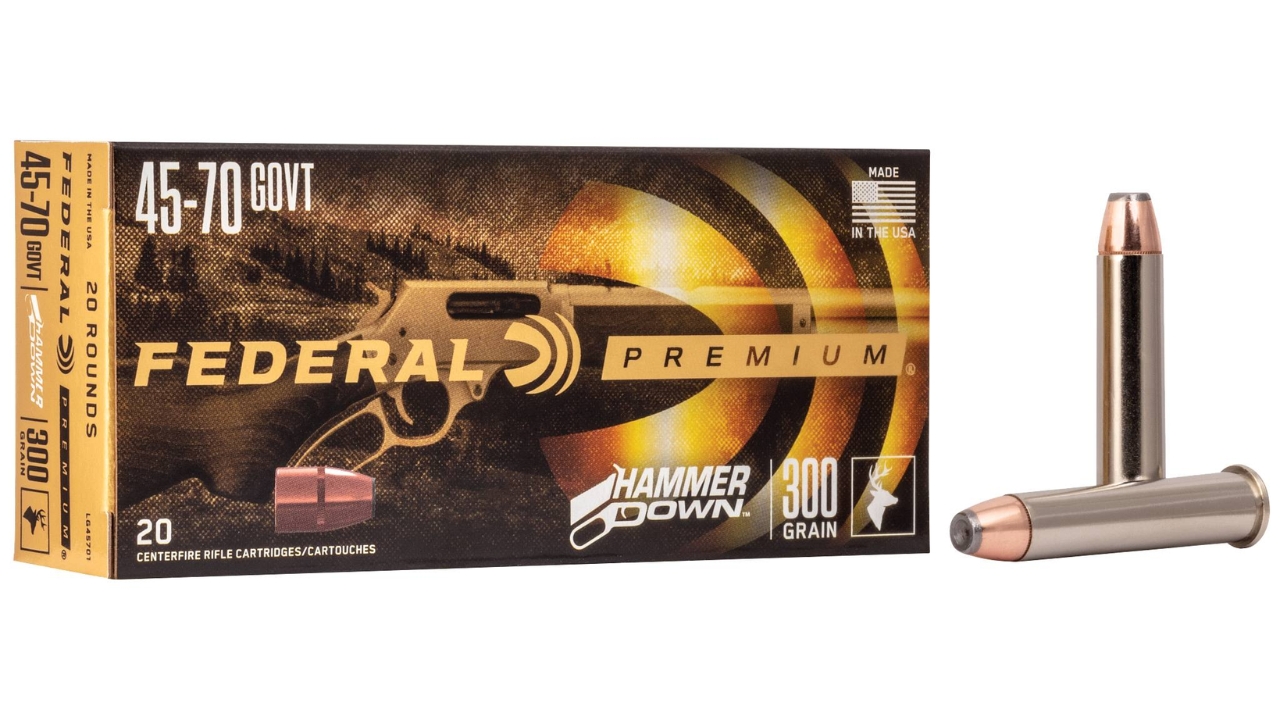
When you’re hunting thick cover, heavy-bodied game, or want a cartridge that ends arguments up close, the .45-70 is hard to ignore. A big, heavy bullet at moderate speed can break heavy bone, drive deep, and leave a wound channel that looks oversized. On hogs, black bear, and big deer, it can end things immediately when the hit is right.
Its “drop them” reputation comes from momentum and bullet diameter, not speed. That also means you have to understand your trajectory and keep your distances realistic. In the right role—close to moderate range—it’s a hammer. If you pick a sturdy bullet and put it through the chest, the results can be fast and decisive.
.300 Winchester Magnum
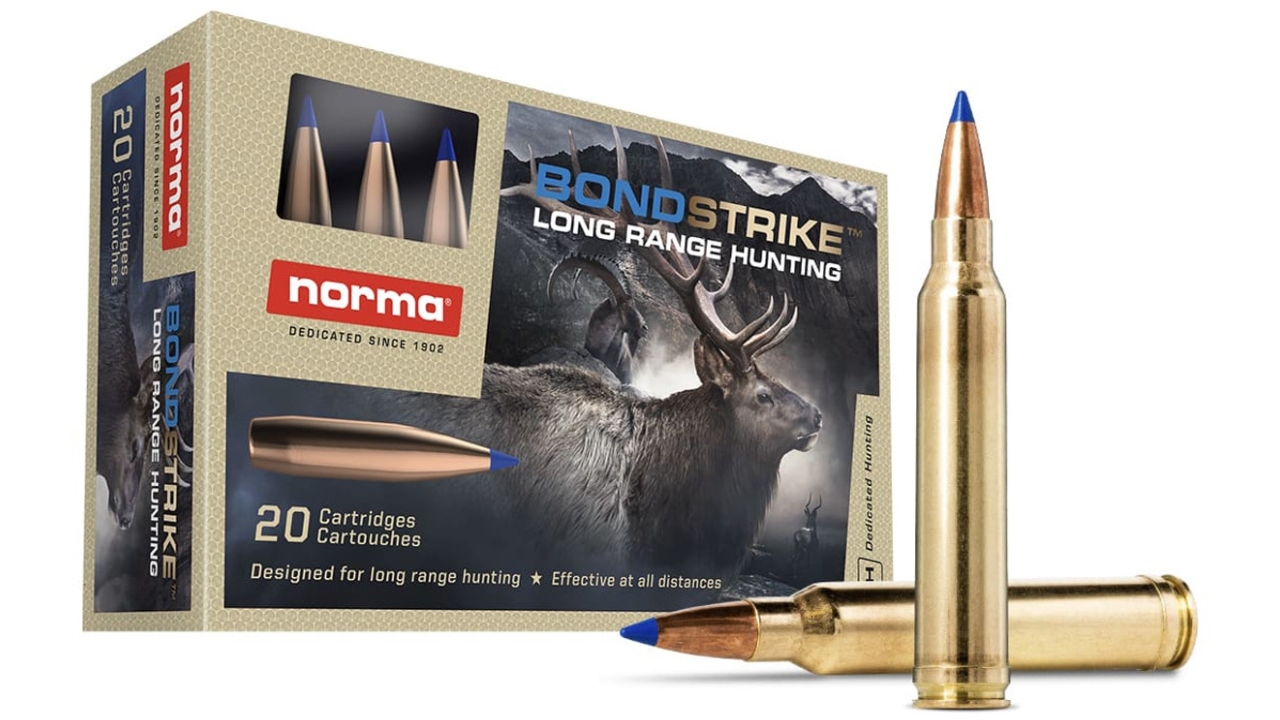
The .300 Win. Mag. is a classic for hunters who want reach and authority on elk and larger animals. With 180–200+ grain bullets designed to hold together, it can drive through shoulder, ribs, and into the vitals with enough leftover energy to exit. That kind of penetration is what turns “pretty good hit” into a quick recovery.
It’s also a cartridge that stays effective when distances stretch. Velocity and energy remain high enough for reliable bullet behavior farther out than many standard rounds. The cost is recoil and blast, and those can wreck your accuracy if you don’t practice. If you can shoot it calmly and place the bullet well, it has a long history of ending hunts with one clean shot.
.338 Winchester Magnum
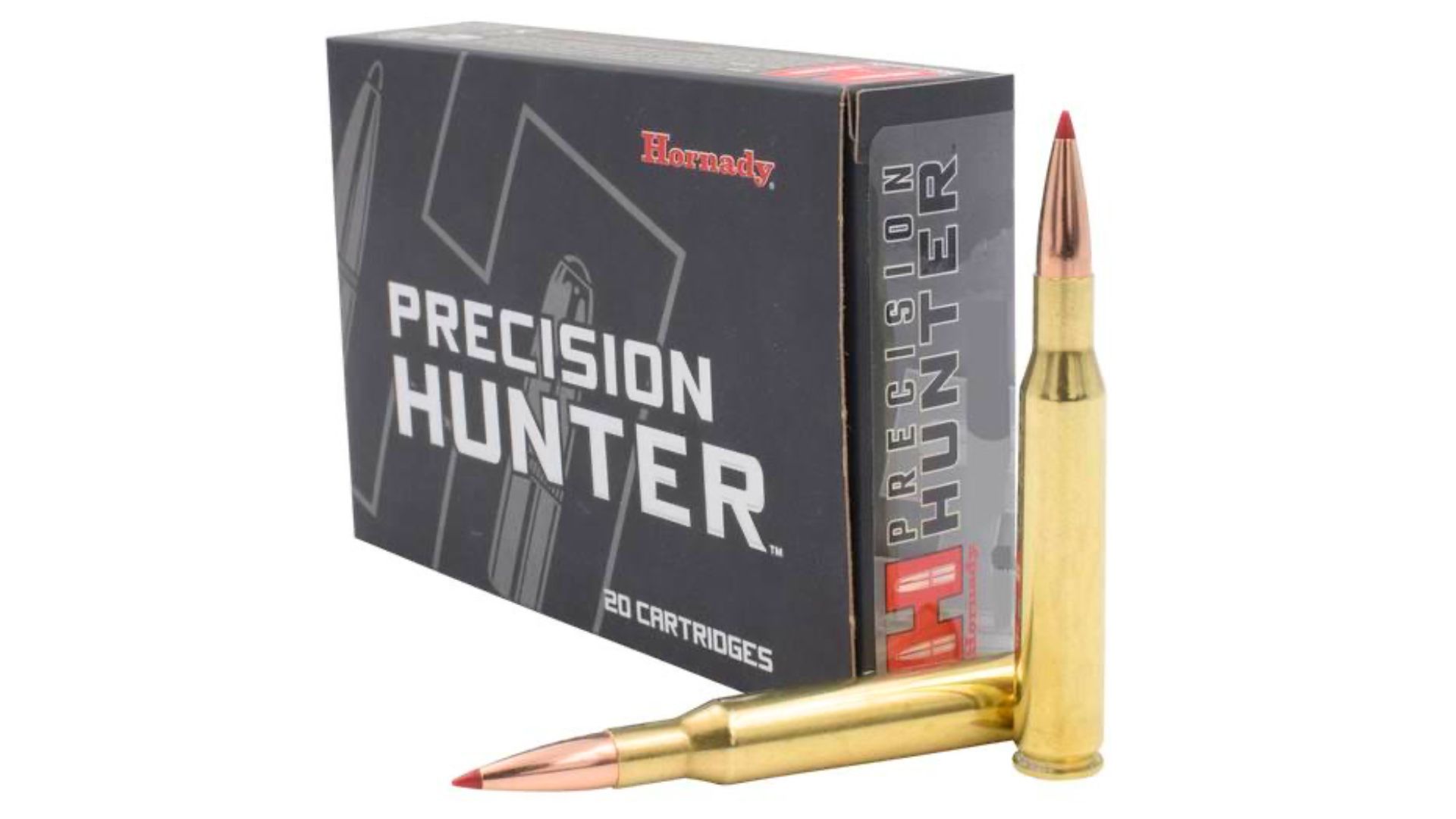
The .338 Win. Mag. doesn’t get carried for fun. It gets carried because it hits with authority and penetrates like it’s angry. On elk, moose, and bear, a 225–250 grain bullet can punch deep and keep driving even when the angle isn’t perfect. That’s where “one-shot” stories come from—tough bullets reaching the vitals every time.
It also tends to create a heavy reaction on impact, which can help animals go down quickly when the shot is solid. The downside is recoil, and that’s not a small thing. You need a rifle that fits you and a load you can shoot without dread. When you’ve got that squared away, the .338 is an old-school problem solver.
.35 Remington

This cartridge doesn’t get enough credit, mostly because it lives in classic rifles and gets overshadowed by newer trends. In the woods, it’s a reliable deer and black bear round that tends to produce quick kills with heavy-for-caliber bullets and solid penetration. It hits with a “thump” that shows up in how animals react.
The reason it can drop game fast is the combination of bullet diameter and practical velocity at typical ranges. You’re not asking it to do long-range tricks; you’re asking it to drive a stout bullet through ribs and lungs in thick cover. Do that, and you’ll often find the animal close by. It’s a cartridge that works better than its current popularity suggests.
7mm-08 Remington

The 7mm-08 is one of the easiest big-game rounds to shoot well, and that alone explains a lot of fast kills. With 140–150 grain bullets, it penetrates reliably, expands well, and stays flat enough for real hunting distances. On deer, it can be decisive without being punishing.
Where it earns respect is in practical field accuracy. Most hunters shoot it calmly, and calm shots land where they’re supposed to land. That’s what creates those “one shot and done” hunts. It’s also flexible—light enough for younger or recoil-sensitive shooters, yet capable enough for bigger-bodied deer and even elk with the right bullet and disciplined shot angles. If you want efficiency without drama, it fits.
.257 Roberts

The .257 Roberts is an old-school deer round that quietly delivers quick kills when used the way it was meant to be used. With 100–120 grain bullets, it shoots flat, expands quickly, and tends to make clean, lethal wound channels on deer and pronghorn. It’s not a cartridge for smashing through heavy shoulder, but through the ribs it can be extremely effective.
It also shines because it’s pleasant to shoot. When you aren’t bracing for recoil, you’re more likely to place the shot precisely and follow through. That’s the difference between a long track and an animal that tips over quickly. In open country where you might take a longer shot at a light-framed animal, the .257 Roberts still holds its own.
.375 H&H Magnum

If you want a cartridge that has ended more big-animal debates than any forum thread ever will, the .375 H&H is it. On moose, big bear, and heavy game, it drives large bullets deep and keeps them straight. A good 270–300 grain hunting bullet can break heavy bone, reach vital organs, and produce the kind of trauma that makes animals run out of options fast.
It’s also a cartridge that demands respect from the shooter. Recoil is real, and you have to practice enough that you don’t rush the shot. When you do your job and place it through the chest, it tends to produce very short recoveries. It’s more gun than most hunts require, but in the right hands it’s a decisive tool.
Like The Avid Outdoorsman’s content? Subscribe to our newsletter so you never miss an article.
Here’s more from us: