Photo credit: Northwest Firearms
Pocket guns are the definition of compromise. They disappear in gym shorts, ride in a pocket holster without making your belt sag, and they’re easy to have on you when a “real” gun would get left at home. The bill comes due when you actually shoot them. Short grips, tiny sights, light weight, and snappy recoil turn practice into work. And when practice isn’t fun, people don’t practice enough—then they act surprised when hits get ugly past spitting distance. None of that means pocket guns are useless. It means you need to pick one with eyes open, and you need to train with it like it’s your primary because, if you’re carrying it daily, it kind of is.
Ruger LCP

The original LCP is the classic “perfect carry, rough shooting” pistol. It’s light enough to forget it’s in your pocket, and that’s exactly why it gets carried so much. Then you shoot it and remember what it is: small grip, long-ish trigger, minimal sights, and recoil that feels sharper than it should for .380 because the gun has almost no weight to soak anything up. Most folks can keep it together at close distances, but you’ll see groups open fast as soon as you try to shoot with any speed. The LCP is a tool for being armed when you otherwise wouldn’t be, and it does that job well. The mistake is pretending it’s enjoyable enough that you’ll naturally practice with it a lot. If you carry one, you need a plan: short, regular practice sessions, a carry load it actually runs, and enough reps that you can shoot it without flinching.
Ruger LCP II

The LCP II improved a few things—trigger feel and overall shootability—but it’s still a tiny, light .380 that’s going to feel snappy and unforgiving. It carries like a dream and prints less than most wallets. On the range, it still punishes sloppy grip, and the short sight radius makes small errors show up big. Where people get annoyed is when they try to shoot it like a compact pistol and wonder why their hands hate them after a box of ammo. It’s not built for comfort. It’s built for carry. The LCP II is easier to live with than the original for a lot of shooters, but it still fits the pocket-gun reality: the smaller it gets, the less fun it is to shoot well. If you carry it, run drills that match its role and don’t expect it to feel like a duty pistol.
Ruger LCP Max

The LCP Max gives you more capacity and a better sight picture than older LCPs, which is huge. But it’s still a tiny .380 that will remind you it’s tiny as soon as you start shooting faster. The bigger capacity can actually trick people into shooting longer strings than they normally would with a pocket gun, and that’s when the “shoot rough” part shows up—hand fatigue, snappy recoil, and grip shifting. The Max is one of the better pocket .380 options because it’s more usable, but it’s still a pocket gun. If you buy it thinking you’ve finally found a micro pistol that shoots like a compact, you’re going to be disappointed. It’s a great carry choice when you accept the tradeoff: you get a gun you’ll actually have on you, but you need to train enough that recoil and grip don’t turn your follow-ups into a mess.
Kel-Tec P-32

The P-32 is one of the easiest pocket guns to carry ever made. It’s thin, light, and basically vanishes. The downside is exactly what you’d expect: tiny grip, tiny sights, and a “this is a tool, not a pleasure” shooting experience. Recoil isn’t brutal because it’s .32 ACP, but the gun is so small that control still isn’t great, and the trigger and sight setup aren’t exactly confidence boosters. What makes it shoot rough isn’t recoil as much as it is the lack of real estate. It’s hard to get a consistent grip. It’s hard to run fast without slipping. And it’s hard to practice a lot because the gun doesn’t encourage you to. The upside is it’s so easy to carry that people actually carry it. If you choose a P-32, you’re choosing “always there” over “range-friendly,” and that’s a legitimate choice if you train around it.
Kel-Tec P-3AT

The P-3AT is another pocket legend for carry and another one that’s not going to win friends at the range. It’s light, thin, and easy to keep on you in situations where anything larger would get left behind. Then you shoot it and remember it’s essentially the “minimum viable pistol.” Recoil is sharp because the gun weighs nothing, and the grip is short enough that you’re fighting for control every shot. People also tend to practice less with it because it’s unpleasant, which turns into “I’m carrying it but I’m not confident with it.” That’s the real danger. The gun carries great, but it’s on you to make it shootable through practice. Short strings, realistic distances, and consistency matter. If you want pocket carry with less punishment, you usually move up to a slightly heavier gun or a better ergonomic design, but you’ll also give up some of that effortless carry.
Smith & Wesson Bodyguard .380

The Bodyguard carries well and shoots rough for a simple reason: it’s small, light, and the trigger/sights combo can feel like work. The recoil itself isn’t insane, but the gun doesn’t give you much grip and it doesn’t reward sloppy technique. A lot of people buy it for the name, carry it a ton, then realize they don’t love shooting it—especially if they’re trying to shoot quickly or push past very close distances. The Bodyguard tends to exaggerate every small error because the sight radius is short and the gun moves more in the hand. It can also be one of those pistols where owners don’t keep up with magazine maintenance because it’s “just a pocket gun,” and then they get annoyed when it doesn’t feel as reliable as a larger pistol. If you carry one, train with it like it matters and keep mags clean. Pocket guns live in lint.
Smith & Wesson M&P Bodyguard 38 (revolver)

The Bodyguard 38 carries unbelievably well. It also shoots rough in a way that surprises people because they assume a revolver is simple and gentle. A lightweight snub with defensive ammo is not gentle. You’ll feel it in your hand, and the small grip makes recoil feel sharper than it should. Double-action trigger work on a tiny revolver is also real shooting, not casual plinking. If you don’t train, your hits and your trigger control will fall apart fast. These guns are carried a lot because they’re easy and reliable in the mechanical sense, but they’re not easy to shoot well. The other issue is that the recoil can make people dread practice, and when you dread practice you don’t get better. A snub can be a great pocket option if you commit to learning it, but it’s not the “easy button” a lot of buyers imagine.
Taurus 605 (small .357 snub)

The Taurus 605 carries nicely, but in .357 it can be a punishment machine. A small-frame revolver with hot loads is the kind of gun that makes people shoot one cylinder and decide they’ve done enough training for the year. That’s exactly why it falls into the “shoot rough” category. Even if you run .38s for practice, many owners still carry .357 and don’t actually train much with it. That creates a confidence gap. The 605 can be a workable pocket revolver if you’re honest about what you’ll actually shoot. A lot of experienced carriers end up using .38 +P loads because they can shoot them accurately and repeatedly. If the gun hurts you every time you train, you won’t train. The gun doesn’t have to win a recoil contest; it has to let you put rounds where they belong.
Ruger LCR .357

Same story, just with a different design. The LCR carries unbelievably well, and the .357 version shoots rough enough that many people end up loading it with .38 +P anyway. The recoil in a lightweight revolver is sharp, and it’s not just “ow”—it affects trigger control and follow-up shots. The LCR trigger can be very usable, but under recoil you still need good technique to run it fast and accurately. The gun is a fantastic “always with you” option, which is why people love it. But if you buy the .357 version thinking you’ll run full-house .357 loads regularly, most folks don’t. They try it once, realize it’s miserable, then practice with softer ammo. That’s fine if you also carry a load you can handle. The rough-shooting problem is when carry ammo and practice ammo live in different universes.
SIG P238

The P238 carries great and has a nice vibe, but it’s still a tiny .380 and it will beat you up more than you expect for the caliber. The recoil isn’t the worst, but the small grip and short sight radius make it harder to shoot well at speed than a slightly larger pistol. It also tends to be the kind of gun people carry because it feels classy and compact, not because they’re committed to shooting it hard. That leads to light practice and big confidence. The P238 can be accurate, but you’ve got to do your part. If you try to run fast drills, you’ll see how quickly a small gun becomes a control problem. The gun carries like a dream, but it doesn’t magically shoot like a compact. If you’re going to rely on it, you need to validate your carry ammo and actually practice with it, not just admire it.
Kimber Micro .380

The Micro .380 is another pocket-friendly gun that can be rough on the range because it’s light, short, and snappy. Many owners love how it carries and how it looks, then they learn they don’t love how it feels after a box of ammo. The big issue is the same one we keep coming back to: tiny guns exaggerate technique errors and punish inconsistent grip. If the gun shifts in your hand, your sights shift, and your follow-ups go ugly. Some Micro .380s also have reputations for being more finicky than larger pistols when it comes to ammo and maintenance, and pocket carry doesn’t help—lint and sweat get everywhere. So you end up with a gun that carries great, but the shooting experience is “why would I do this to myself?” If you’re the type who actually trains, you can make it work. If you’re not, it becomes a “carried not shot” gun.
SIG P365-380

The P365-380 is way more shootable than most pocket .380s, but it still carries so well that it tempts people into using it like a true pocket gun. When you push it hard, it’s still a small pistol with a short grip and quick movement. It’s not rough in the same way as an LCP, but it’s rough compared to a compact pistol because the gun doesn’t give you much to hold onto, and the sight radius still isn’t forgiving. The reason it belongs here is that many shooters buy it expecting “soft shooting” because it’s .380, then they realize it’s only soft relative to micro 9s in the same size class. It still takes work to shoot fast and clean. If you’re willing to train, it’s one of the best options in this category. If you want effortless range comfort, you’re still better off with a larger gun.
Beretta Tomcat
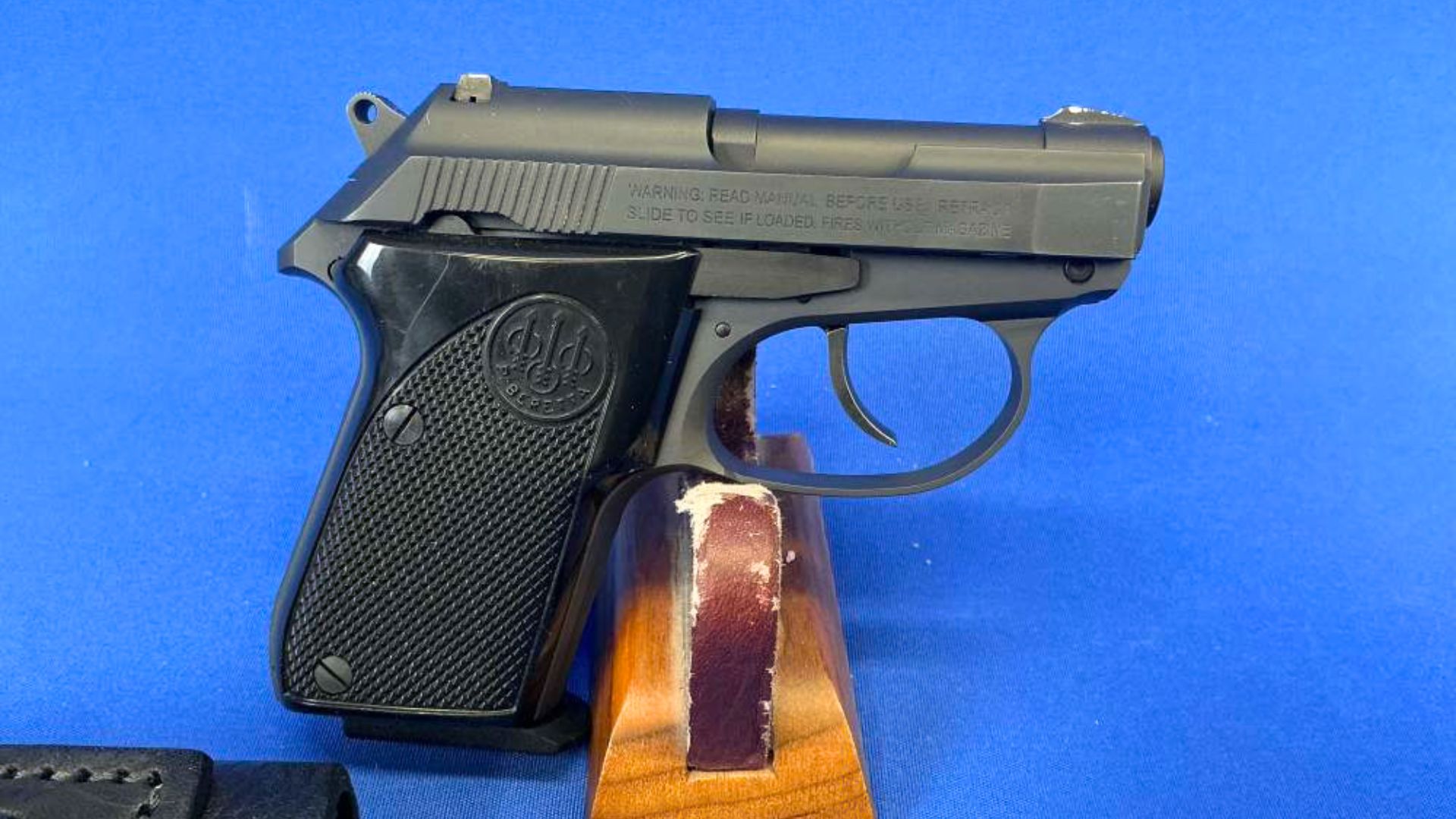
The Tomcat carries easily and shoots rough in a different way: blowback guns can feel sharp, and the ergonomics don’t always reward fast, accurate shooting. It’s a small gun, and it’s not built around a modern “shoot it like a compact” feel. It’s also a gun that a lot of people buy for niche reasons—size, style, or specific carry needs—then they don’t train much with it. When they do shoot it, they realize it’s not a “fun range pistol.” It’s a “carry tool.” Small sights, small grip, and a snappy feel can make it frustrating when you try to do real drills. It can be a solid pocket choice if it fits your needs, but you have to treat it like a specialized tool and accept that practice is going to feel more like work than like entertainment.
Beretta Pico

The Pico is one of those pistols that carries almost too well. It’s slim, lightweight, and disappears. Then you shoot it and understand why you don’t see people running them in serious drills all day. The grip and trigger feel can make it hard to shoot clean, and the recoil impulse in a tiny package feels sharper than you’d expect for .380. The Pico also tends to be a gun people buy specifically because it’s small, not because it’s enjoyable to shoot. So it becomes a “carry a lot, practice a little” setup unless you’re disciplined. If you’re disciplined, you can make it work. If you’re not, it’s the kind of gun that will show up in a drawer later with a half-full box of ammo beside it. Great carry. Rough shooting. That’s the Pico in one sentence.
NAA Guardian .380
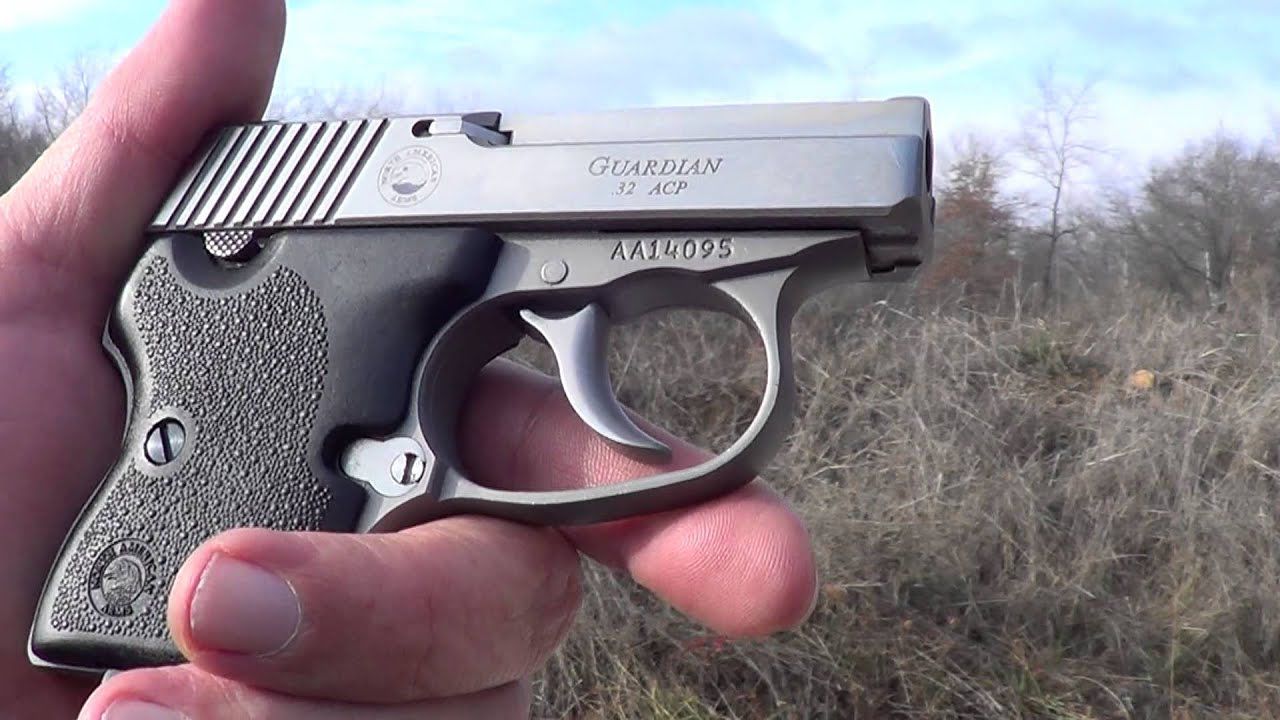
The Guardian carries great and shoots rough because it’s a small, heavy-for-size blowback-style pistol that doesn’t feel like modern micro guns. It’s a tool. Recoil can feel sharp, and the ergonomics aren’t designed to make long practice sessions enjoyable. It’s also a gun people often buy because they want a deep concealment option that feels robust. Robust doesn’t mean comfortable. On the line, you’ll feel the tradeoff quickly: short grip, limited sights, and a shooting experience that’s more about surviving a mag than stacking nice groups. If you actually train with it, you can get competent. Most people don’t train enough with guns like this because they don’t love shooting them, and that’s what makes them dangerous in the confidence sense.
Seecamp LWS-32

Seecamps are famous for being tiny and easy to carry, and also famous for being more of a “get off me” tool than a range gun. The sights are minimal, the grip is tiny, and the gun is not designed around comfortable shooting. It’s designed around deep concealment. A lot of owners carry them because they’re so discreet, then they rarely shoot them because it’s not a pleasant experience. That’s the exact tradeoff this article is about. If you do your part and you keep expectations realistic—very close distances, short strings, and a focus on reliability—the Seecamp can fill its role. But if you buy it thinking you’ll train with it like a compact pistol, you won’t. Most people don’t. That’s why it qualifies as “carries great, shoots rough.”
Glock 42

The G42 is one of the more shootable pocket-capable .380s, but compared to larger pistols it can still feel rough once you start pushing speed. The grip is short, the gun moves more, and your hands don’t get the same leverage as a compact. The reason it belongs here is that many people choose it specifically because it carries easy, and then they try to run it like a bigger Glock and wonder why their hits open up. It’s not bad. It’s just small. If you want a pocket gun that doesn’t beat you up, the G42 is a strong option. But it’s still not a “range comfort” pistol. If you want consistent fast work and clean drills, you’ll do that more easily with something larger. The G42 is the compromise: carries great, shoots decent for its size, still rough compared to real grip and real mass.
Glock 43
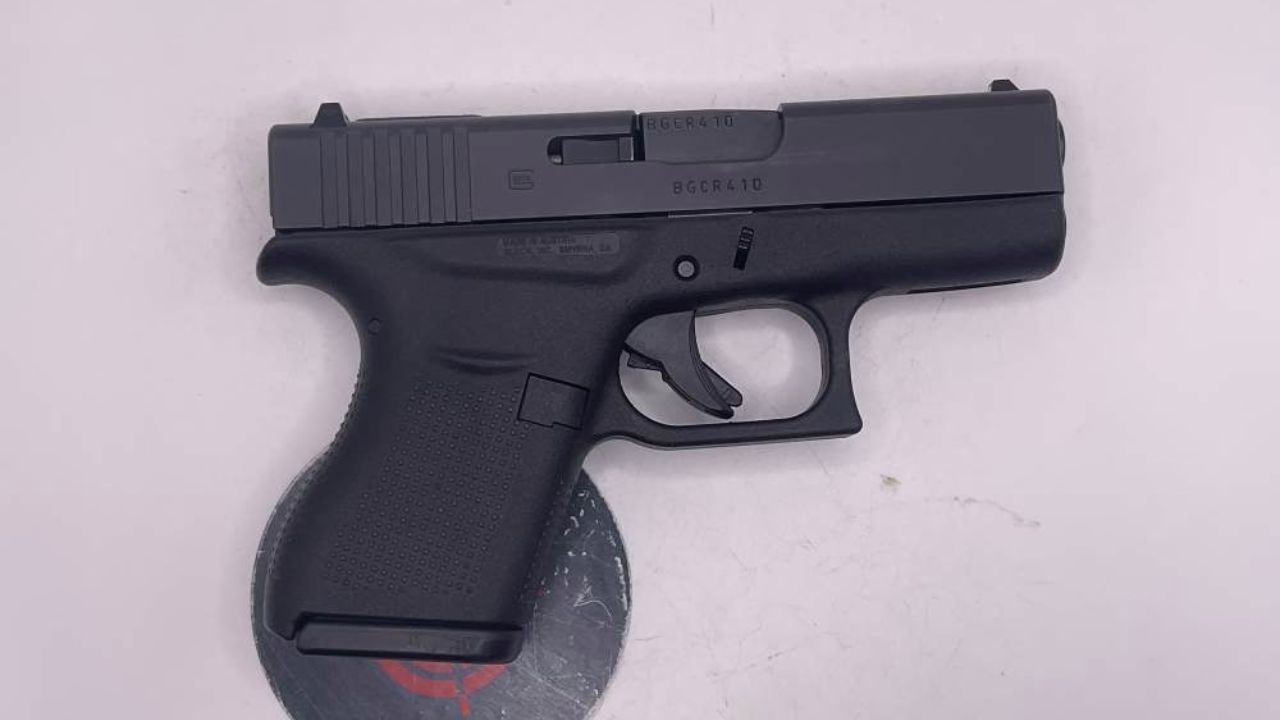
The G43 is a classic example of “easy to carry, harder to shoot well.” In 9mm, the recoil impulse is sharper than many people expect in a slim, short-grip pistol. It carries like a dream for a lot of folks, but on the line it’s work to keep fast follow-ups tight. The short grip means people start adjusting their hands mid-string, and those small shifts show up big. The G43 is totally capable, but it asks more from the shooter than a compact. That’s why a lot of guys move to a slightly larger gun like a 43X or a compact once they realize they aren’t actually practicing enough with the 43. The 43 carries great. It just doesn’t let you be lazy on technique. If you’re willing to train, it’s fine. If you’re not, it’ll expose you.
Springfield Hellcat (micro 9)
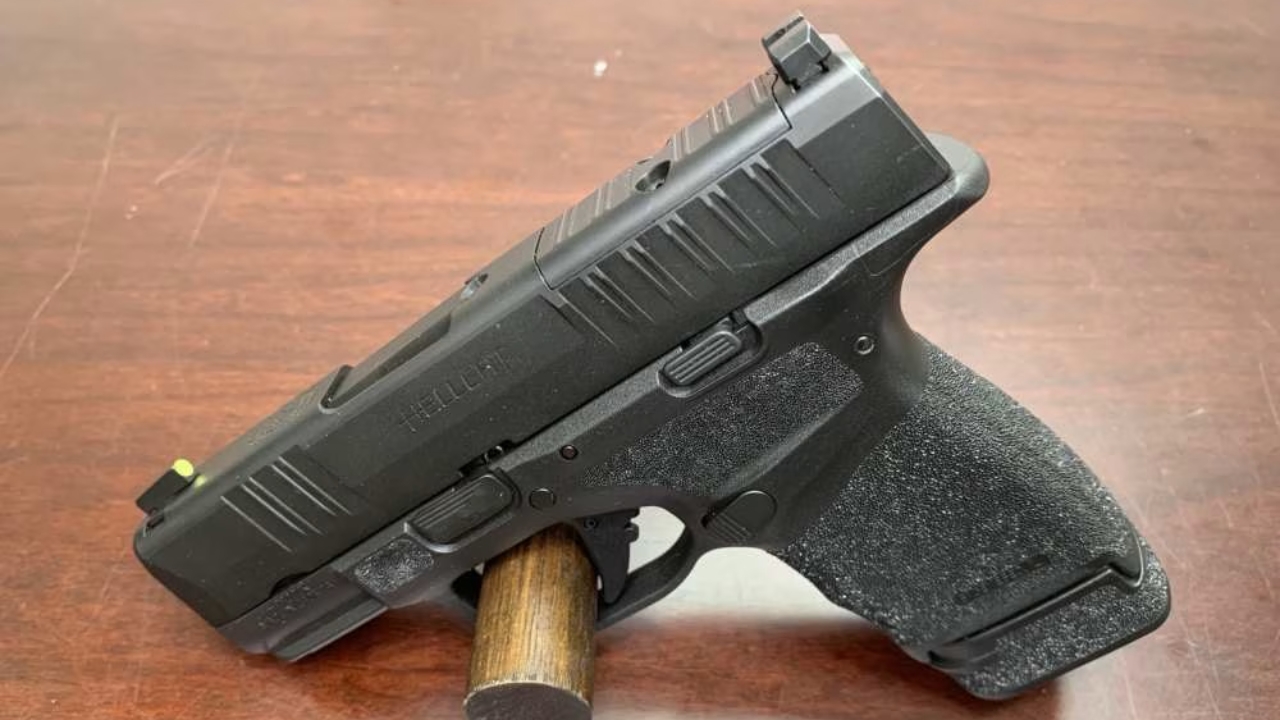
The Hellcat carries great and shoots rough for some shooters because it’s a true micro 9. In a belt holster it’s easy. In a pocket it’s borderline depending on clothing, but it’s still in that “tiny gun” class. When you shoot it, you feel the quick snap and the short grip. Some people shoot it well. Others struggle to keep it flat and consistent. The reason it fits this list is that many buyers choose it for size first, then realize the size comes with a learning curve. If you only ever shoot it slow, you might think it’s easy. The moment you add timing and follow-up shots, the gun demands real grip and real control. It’s not a bad pistol. It’s just small enough that it doesn’t forgive sloppy technique.
Smith & Wesson M&P Shield 9 (original)

The original Shield carries great and shoots rougher than people expect compared to compacts because it’s slim, light, and has less grip than most shooters prefer for long practice sessions. It’s not punishing like an LCP, but it’s in that category where “I can carry this all day” doesn’t mean “I want to shoot 200 rounds through it.” Once you start doing faster strings, you see how much more work your hands are doing to control it. The Shield is a proven carry gun, but it’s also a common “carried a lot, trained less than ideal” gun because it’s just not as pleasant as a compact. If you want it to perform, you have to put in reps. If you treat it like a magic talisman and never train, it won’t save you.
Like The Avid Outdoorsman’s content? Be sure to follow us.
Here’s more from us: