Photo credit: WildMedia/Shutterstock.com
Hog hunting has a funny way of turning “internet consensus” into gospel. Everybody talks about the same few cartridges, and they work. But pigs don’t read forums. What matters is penetration through gristle and shoulder, enough bullet weight to stay together, and a setup you can actually shoot well when it’s hot, dark, and moving fast.
A lot of solid hog rounds get overlooked because they aren’t trendy, they aren’t new, or they don’t have a cool nickname. Some live in the “deer rifle” aisle. Some are old lever-gun staples. A few are the boring, dependable options that never make headlines. If you want a cartridge that puts pigs down without drama, these deserve more credit than they get.
.257 Roberts

The .257 Roberts gets brushed off as a mild deer cartridge, but it’s a quiet killer on hogs when you pick the right bullet. You’re not trying to turn a pig inside out. You’re trying to drive a controlled-expansion slug through tough hide, fat, and into the vitals.
With 115- to 120-grain bullets built for penetration, you get plenty of speed without beating yourself up. That matters on night hunts and follow-up shots, where flinching ruins more hogs than a “weak” caliber ever will. Keep your shot angles honest, lean on quality bullets, and the Roberts does the job with less recoil and less fuss than most people expect.
.25-06 Remington

The .25-06 gets labeled “flat deer round,” then forgotten when hog talk starts. That’s a mistake. With 115- to 120-grain bonded or all-copper bullets, it hits harder than folks give it credit for and tends to punch deep when you’re shooting through gristle and shoulder.
It’s also a cartridge you can shoot well. In the real world, that means more clean kills and fewer late-night tracking jobs. The .25-06 shines on medium-sized pigs and broadside shots, and it still carries enough steam for longer fields where hogs like to stage up before dark. It’s not a brush buster, but it’s far from fragile.
.260 Remington

The .260 Remington lives in the shadow of newer 6.5s, but it’s been quietly stacking game for years. For hogs, it’s a great balance of recoil control and bullet performance, especially with 120- to 140-grain bullets meant for big-bodied animals.
The trick is avoiding soft, thin-jacketed stuff that blows up on shoulder. Use bonded, mono-metal, or tougher cup-and-core hunting bullets and you’ll see why the .260 has a loyal following. It feeds well in short actions, it’s accurate in a wide range of rifles, and it’s easy to spot your hits. When pigs are moving and you need a second shot fast, that matters.
7mm-08 Remington
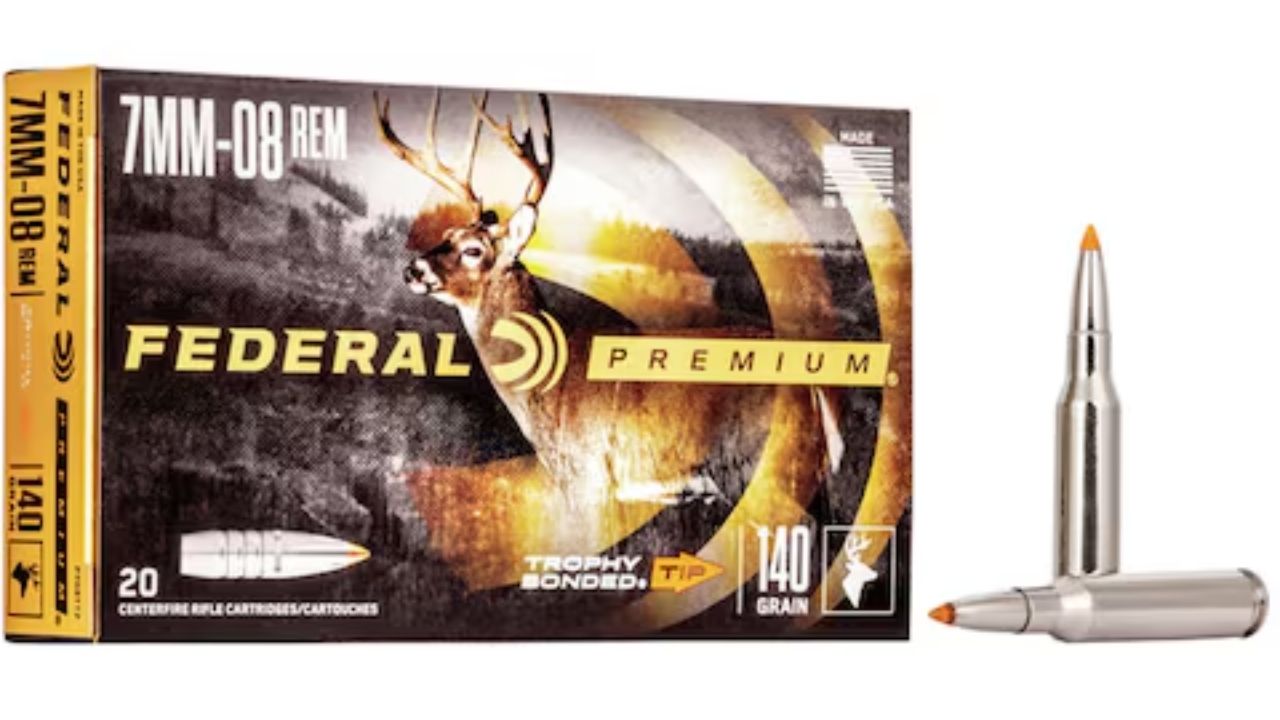
The 7mm-08 is one of the most practical hog rounds going, and it still gets treated like a “kid’s deer caliber.” On pigs, it’s anything but. A 140- to 150-grain bullet with controlled expansion gives you excellent penetration without the sharp recoil of the larger 7mm mags.
It’s also forgiving. You can run it in light rifles, shoot it well off sticks, and keep your head in the scope during the shot. That makes a difference when a sounder breaks and you’re trying to pick a pig, make a clean hit, and stay on target. The 7mm-08 doesn’t need drama to work. It just works.
.270 Winchester

People talk about the .270 for mule deer and open country, but it’s a strong hog cartridge when you stop treating it like a “light bullet” round. With 140- to 150-grain controlled-expansion bullets, it gives you deep penetration and a flatter trajectory than the classic .30s.
Hogs have a way of making you respect bullet construction. The .270 will punish poor bullet choices on hard angles, but with a tougher bullet it breaks shoulders and reaches the vitals reliably. It also has great ammo availability, which matters if you actually hunt a lot instead of building a rifle for the idea of hunting. If your .270 is already in the safe, you’re closer to a hog setup than you think.
.30-30 Winchester

The .30-30 gets dismissed as old-fashioned until you’re in tight cover with pigs at 40 yards. That’s where it earns its keep. With the right bullet, it drives straight and hits with authority without blasting your ears and eyes in the dark like faster rounds can.
Modern loads and better bullets have stretched the .30-30’s usefulness, but you don’t need to pretend it’s a 300-yard hammer. Keep it inside its comfort zone and it’s brutally effective, especially on broadside shots and slightly quartering angles. Lever guns also carry well, point fast, and cycle quickly when pigs turn the woods into chaos. If you hunt thick stuff, this “obsolete” round feels pretty smart.
.35 Remington

The .35 Remington is a hog cartridge that doesn’t get talked about because fewer people own one now. That’s a shame, because it’s built for the kind of work pigs demand—heavy-for-caliber bullets, moderate speed, and straight-line penetration.
In the timber, it hits like a sledge without the recoil and blast that make follow-up shots sloppy. A 200-grain bullet through the shoulder tends to settle arguments fast. You also get a bigger wound channel than the typical .30 caliber deer rounds at the same ranges. If you’ve got an old Marlin or a pump that feeds .35 Rem, you’ve got a hog rifle that deserves more respect than the internet gives it.
.44 Magnum (carbine)

Everybody knows the .44 Magnum in a revolver, but the carbine version is the one that surprises people. Out of a rifle-length barrel, it picks up velocity and turns into a very practical hog tool inside 100 yards, especially with hard-cast or tough hunting bullets.
It’s also easy to run. Recoil is more of a push than a snap, and the rifles are usually handy in trucks, blinds, and thick brush. The .44 doesn’t need speed to do work—bullet weight and diameter handle that. On close-range hogs, it breaks shoulders and keeps driving. You’re not pretending it’s a long-range cartridge. You’re using it where hogs actually get killed.
.45 Colt (carbine)

The .45 Colt gets treated like a cowboy round, but in a strong modern lever gun it becomes a legitimate hog option. With heavy bullets and appropriate loads, you get a wide meplat, deep penetration, and a hit that feels more like a thump than a crack.
This is a cartridge that rewards common sense. Use tough bullets, keep ranges realistic, and don’t chase speed for its own sake. In thick cover, a .45 Colt carbine carries like a walking stick and points fast when pigs pop out at bad angles. It’s also a round you can shoot all day without getting beat up. If you value follow-up shots and handling, it’s worth a second look.
.350 Legend

The .350 Legend catches grief because it isn’t glamorous, but it’s a very real hog cartridge. With proper bullets, it gives you solid penetration and respectable energy without heavy recoil, and it runs well in handy rifles that are easy to carry and easy to shoot.
It’s also practical. Ammo is common in many places, and the rifles tend to be affordable. On hogs inside typical hunting distances, it performs with more authority than people expect, especially with bullets designed to hold together. The Legend isn’t trying to be a magnum. It’s trying to be controllable, accurate, and effective—and those are the traits that matter when you’re shooting pigs in low light and you need your follow-up shot now, not later.
6.8 SPC

The 6.8 SPC lives in the AR world and gets overshadowed by newer hot-rod cartridges, but it’s been putting pigs down for a long time. It hits harder than 5.56 with better bullet weight, and it tends to perform well on hog-sized targets at real hunting distances.
Where it shines is speed and control. In a practical AR setup, you can stay on the gun, watch impacts, and send a second shot without losing the sight picture. That’s a big deal on sounders. Bullet choice matters—pick loads meant for hunting and penetration, not lightweight varmint stuff. With the right ammo, the 6.8 gives you a clean, efficient hog tool that doesn’t get enough credit anymore.
6.5 Grendel

The 6.5 Grendel is often pitched as a “mini long-range” round, and that can make people forget it’s a solid hog cartridge too. With 120- to 130-grain hunting bullets, it gives you good penetration and a calm recoil impulse that helps you shoot better under pressure.
It’s especially useful when hogs hang back in fields or along cutovers and you don’t want to guess holdover. The Grendel carries velocity well for an AR-sized cartridge and tends to stay accurate in practical rifles. The key is using bullets built for tough animals. Do that, and you’ll see dependable performance without needing a big-frame rifle or a cartridge that rattles your teeth. It’s a workmanlike pig round that deserves more respect.
.308 Winchester
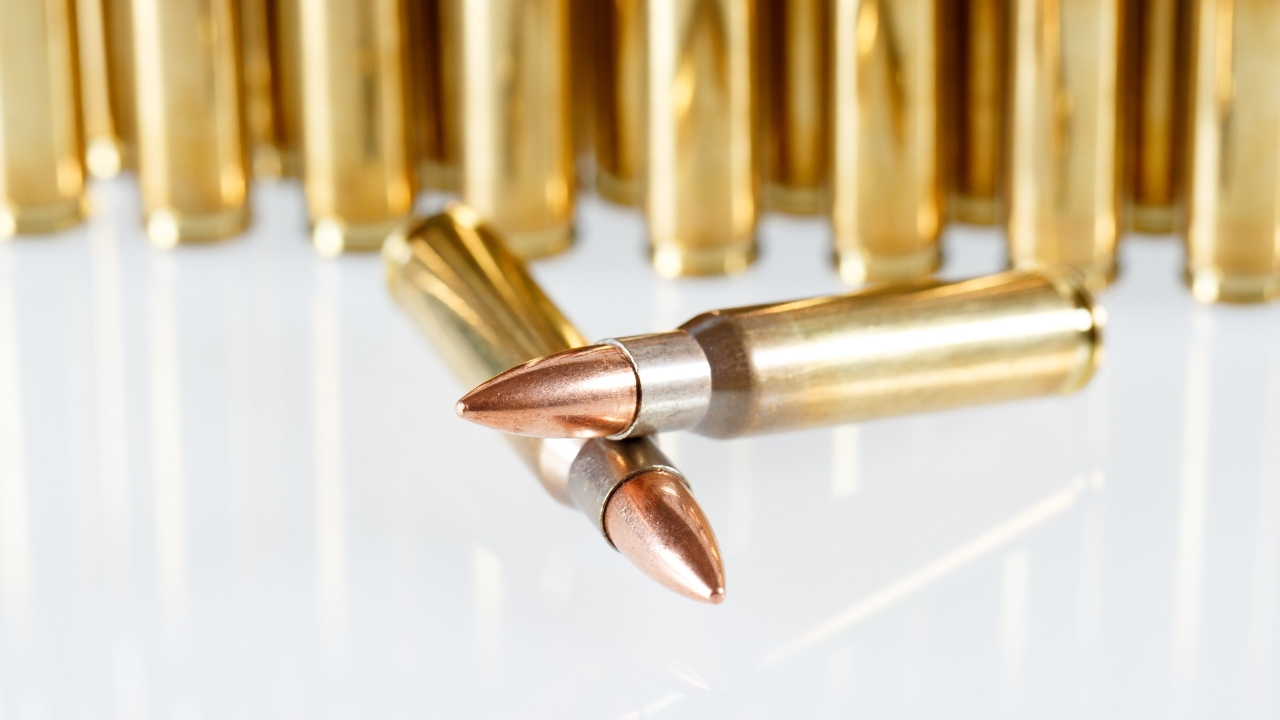
The .308 isn’t overlooked in general, but it’s overlooked as a “do-it-right hog round” because people get stuck on generic deer loads. When you feed it tougher, heavier bullets—165s, 180s, or bonded options—it becomes extremely reliable on shoulder shots and quartering angles.
It also plays nice with short barrels and suppressors, which matters for hog hunting more than most folks admit. You can build a compact rifle that handles well, still hits hard, and doesn’t punish you with blast. The .308 is boring in the best way. It’s accurate, it’s available, and it works when pigs show up at the worst possible moment. If you want a cartridge that doesn’t surprise you, this is one.
.358 Winchester

The .358 Win is the kind of cartridge that makes you wonder why it isn’t more popular for pigs. It takes the .308 case and throws heavier bullets with a bigger frontal area, which translates to strong penetration and a wound channel that looks like real work got done.
It’s not a speed cartridge, and that’s fine. Hogs don’t require flat trajectories as much as they require straight-line performance through tough tissue and bone. The .358 does that well, especially in thicker country where shots come fast and angles aren’t perfect. If you’ve ever watched a pig soak up a hit from a lighter bullet and keep running, you’ll understand why heavier, wider bullets earn loyalty. The .358 earns it quickly.
.45-70 Government

Everybody knows the .45-70, but it still doesn’t get enough credit as a serious hog cartridge because people treat it like a nostalgia round or a shoulder-bruiser. In reality, with sensible loads it’s a close-to-medium range pig hammer that ends problems fast.
The big advantage is bullet weight and straight-line drive. When you hit a pig at bad angles—through the shield, through the shoulder—the .45-70 tends to keep going and keep breaking things that need breaking. You don’t need max loads to get that effect, either. Moderate loads are plenty and let you shoot faster and more accurately. In thick cover, a lever gun in .45-70 feels made for hogs. It’s not trendy, but it’s brutally effective.
Like The Avid Outdoorsman’s content? Be sure to follow us.
Here’s more from us: