Photo credit: Guy J. Sagi/Shutterstock.com
When the mercury drops, even reliable calibers start showing quirks you won’t see on a warm-weather range. Powder burn rates change, brass contracts, and lubricants thicken. The same load that groups perfectly at 65°F can slow down hundreds of feet per second when it’s below zero. Some cartridges are hit harder than others—especially those relying on sensitive powders, tight tolerances, or borderline case capacities. Cold air also thickens, adding drag to lighter bullets and flattening performance where it counts most: terminal impact. If you’ve ever pulled the trigger on a trusted rifle and watched your bullet drop low or fail to expand, you’ve seen what freezing temps can do. Here are the calibers that lose steam, consistency, or reliability once winter digs in.
.300 Blackout
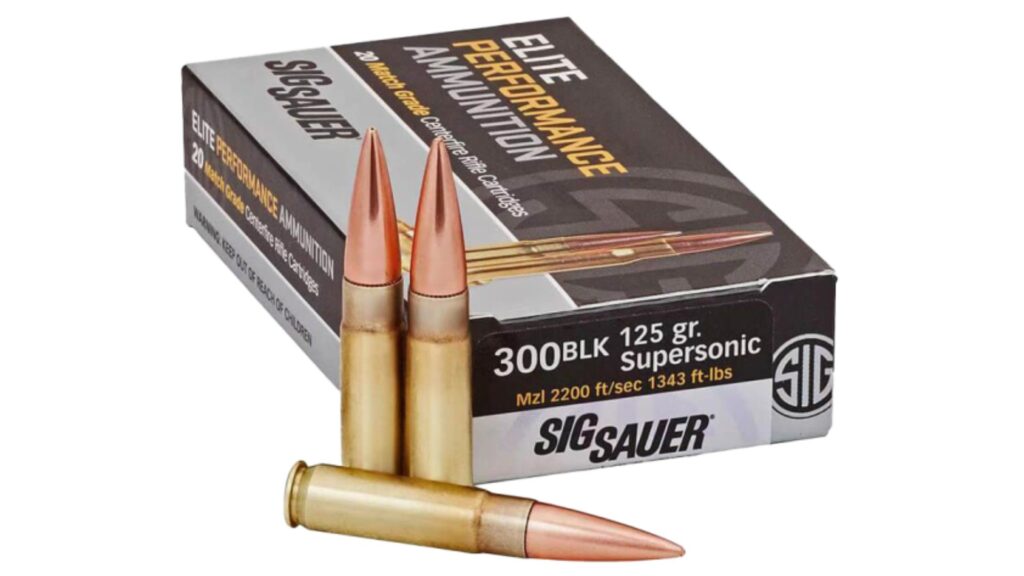
The .300 Blackout is handy in tight timber and suppressed setups, but freezing temperatures don’t treat it kindly. Subsonic loads rely heavily on specific powder burn rates to stabilize, and cold air slows that reaction. When it’s below zero, velocities can drop enough to mess with cycling, leaving you with sluggish ejection or a bolt that won’t lock back.
Supersonic loads fare a bit better, but they still show significant velocity loss and wider group spreads when it’s truly cold. The round’s design favors efficiency over raw pressure, which means there’s not much margin for environmental shifts. Add in heavy bullets and low case capacity, and you’ve got a cartridge that feels lazy in deep winter. It’s great for summer hog hunts, but in the snow, you’ll notice it loses its edge fast.
6.5 Creedmoor
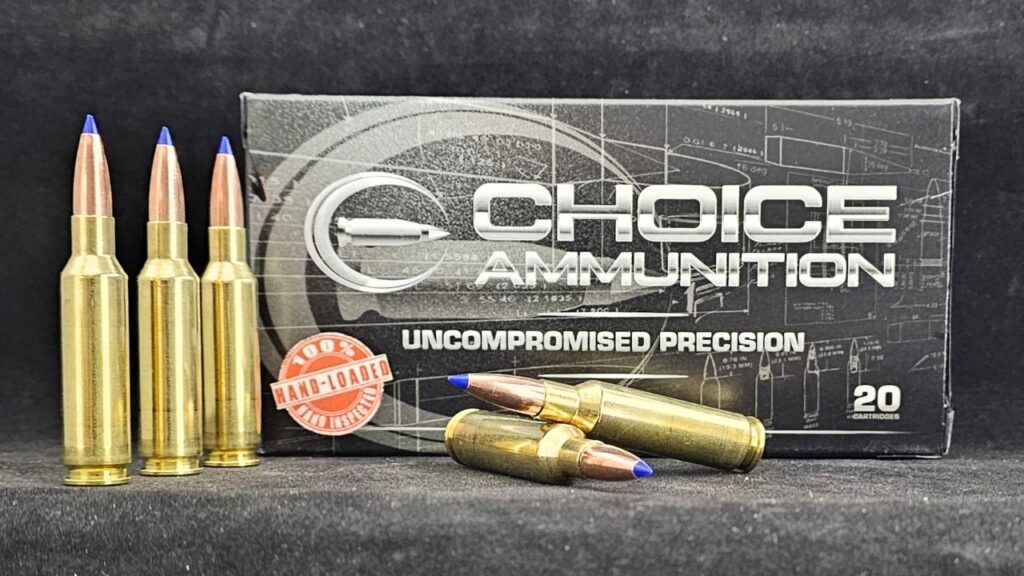
The 6.5 Creedmoor is incredibly accurate, but it’s not immune to cold-weather slowdown. Temperature-sensitive powders are its biggest weakness—especially factory loads that don’t use the newer stable propellants. Drop the temperature 60 degrees, and you’ll see lower muzzle velocity, sometimes by as much as 100 fps or more.
That shift changes everything downrange. Your drop and wind drift data become unreliable, and groups can open up at longer distances. The Creedmoor’s high-BC bullets help fight drag, but if you’re stretching shots past 400 yards in freezing conditions, you’ll see the difference on steel or fur. It’s still a capable round, but it rewards those who handload with temperature-stable powder. Otherwise, you might find your “perfect zero” turning into a mystery once the frost hits your barrel.
.270 Winchester
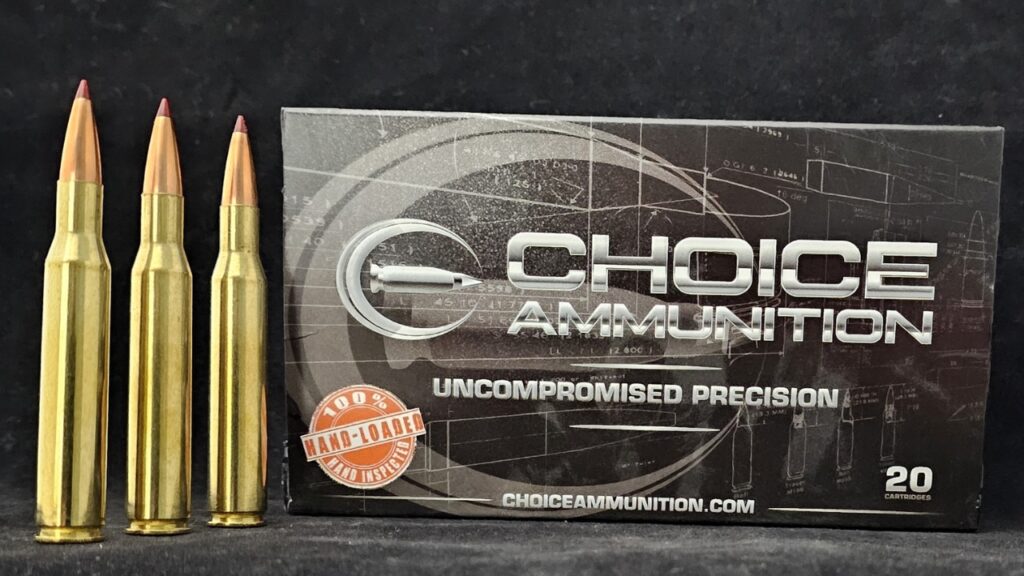
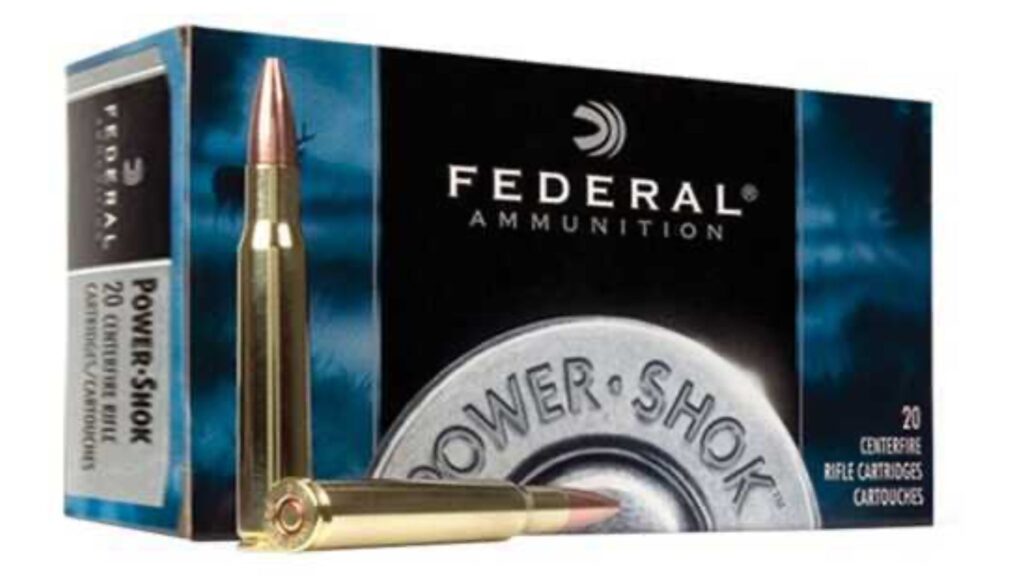
The .270 Winchester has anchored more game than most cartridges ever will, but it doesn’t love the cold. Older factory loads using slower-burning powders often lose noticeable velocity when temps drop below freezing. The .270’s long case and relatively small neck make it sensitive to inconsistent ignition, especially when the powder clumps in the cold.
That means your point of impact shifts low and your energy on target dips—sometimes enough to affect bullet expansion. In frigid conditions, a 130-grain soft point might hit like a midweight instead of the high-velocity round it’s known for. The cartridge still works fine for close-to-moderate shots, but its flat-shooting reputation fades quickly in subzero air. If you’ve ever missed high-country mule deer after a cold snap, chances are your .270 wasn’t burning the way it should.
.30-30 Winchester

Few cartridges are as classic as the .30-30 Winchester, but lever-gun loads don’t always perform their best in freezing weather. The relatively low pressure and slow-burning powders used in factory ammo make ignition inconsistent when it’s cold enough to numb your hands.
Cold air also saps energy from the round’s already modest trajectory. A 170-grain bullet that drops predictably at 150 yards in the fall can start to shoot lower and spread wider groups once the thermometer dips below zero. Older rifles with worn springs or sticky actions only add to the problem. The .30-30 still puts venison in the freezer, but it’s one of those calibers that feels sluggish in the cold—more prone to hangfires, stiffer cycling, and reduced impact performance. It’s dependable, but it needs a warm chamber and reliable powder to stay sharp through winter.
.243 Winchester
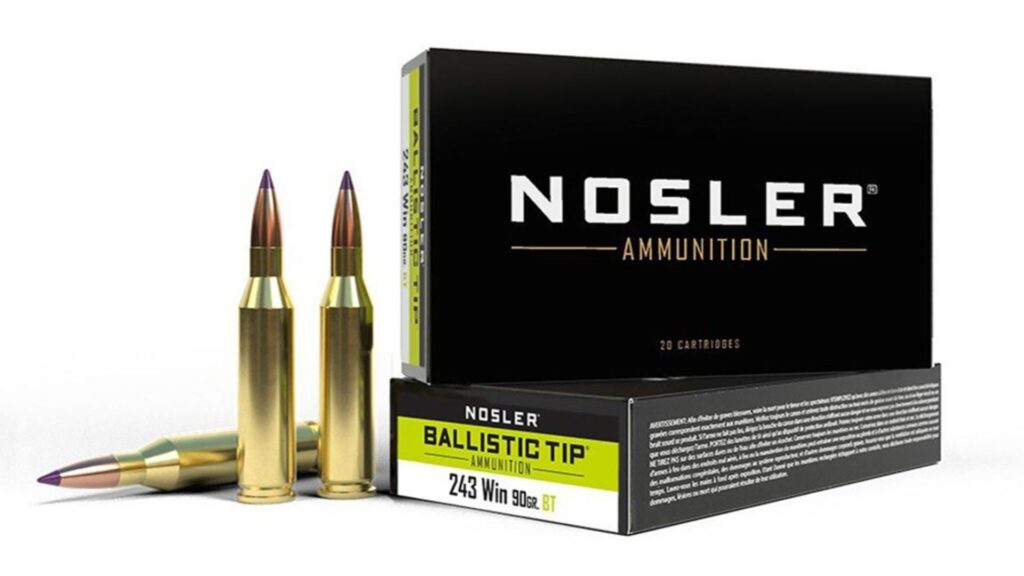
The .243 Winchester is fast, flat, and accurate—but cold weather exposes its dependence on high-velocity powder burn. When temperatures plummet, you’ll notice lower velocities and wider spreads between shots, especially with lighter varmint bullets. The small case capacity leaves little room for inconsistent burn, and in subzero weather, that inconsistency becomes obvious.
The .243’s ballistic advantage relies on speed, so even a small drop in muzzle velocity can throw your trajectory off. Expansion is another issue: lightweight bullets that mushroom perfectly in warm air can act more like solids when they’re cold-soaked and traveling slower. The cartridge still performs, but it’s far less forgiving when the wind bites and your hands are shaking. For hunters who count on pinpoint accuracy, the .243 is one of those rounds that demands perfect conditions to shine.
.22-250 Remington
The .22-250 thrives on velocity, and cold weather cuts straight into its wheelhouse. Its fast-burning powders are sensitive to temperature swings, and the ultra-light bullets it sends downrange lose speed and stability faster in dense, cold air. A 50-grain VMAX that groups tight at 300 yards in summer can start wandering in winter.
When it’s below freezing, you’ll see erratic chronograph readings, stiffer bolt lift, and slower ignition. Factory ammo suffers most because it’s loaded for speed, not stability across temperature extremes. The .22-250 will still drop coyotes cleanly, but those who rely on precise dope will find their charts useless after a cold front rolls through. It’s one of those calibers that rewards fair-weather shooters and frustrates winter hunters every time.
.25-06 Remington
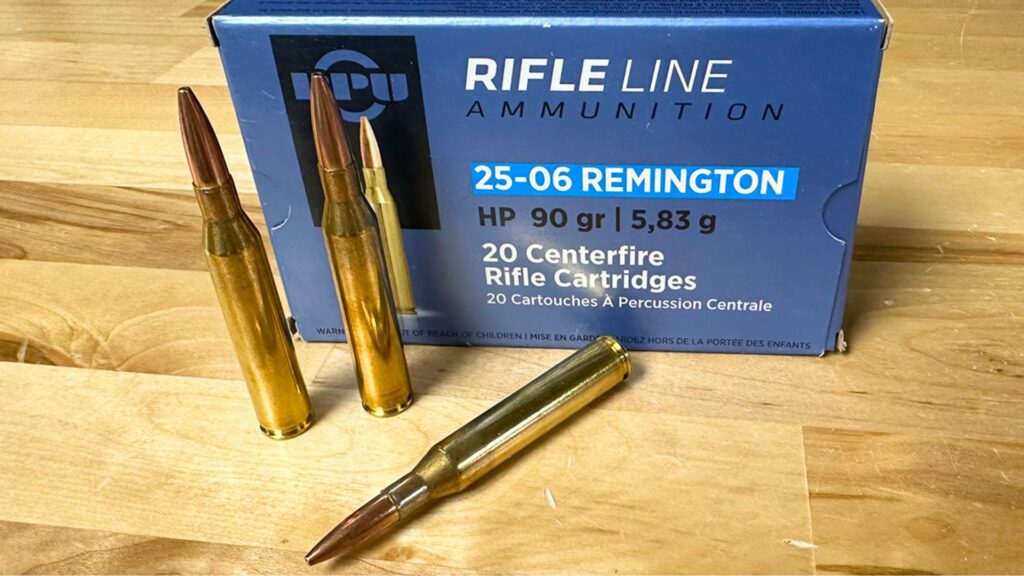
The .25-06 Winchester is a long-range favorite, but it’s sensitive to temperature more than most realize. It burns a lot of powder in a relatively small bore, which makes cold weather a problem for ignition consistency. Drop the temperature below 20°F and your muzzle velocity can sag enough to shift point of impact several inches at 300 yards.
The cartridge’s magic lies in flat trajectories and blistering speed. Once that speed fades, it loses its defining edge. Bullet expansion also becomes less reliable when impact velocities drop, especially with traditional soft points. If you rely on a factory load that already sits near the edge of stability, freezing conditions will magnify every inconsistency. The .25-06 can still perform well, but only if you handload with modern, temperature-stable powders and keep your ammo warm until it’s time to shoot.
7mm-08 Remington
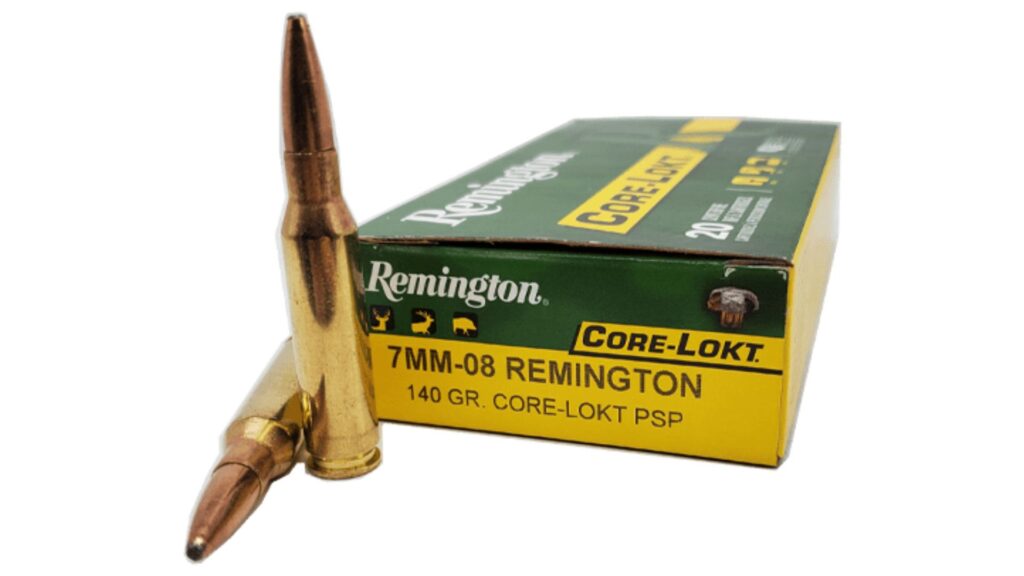
The 7mm-08 Remington has an excellent reputation for accuracy and versatility, but it’s known to lose a bit of pep in cold weather. Its compact case and efficient design make it great for mild conditions, yet that same efficiency means there’s less room for error when temperatures crash.
Factory loads with older propellants can show significant velocity drop—sometimes enough to affect terminal energy and expansion at long range. It’s not that the cartridge becomes unreliable, but it loses the flat trajectory hunters expect. Add in thicker winter air and a bit of wind, and you’ll see why shots that usually land center start drifting low and left. The 7mm-08 is a fantastic all-around caliber, but it’s one that shows you quickly how much temperature really matters.
6mm Creedmoor
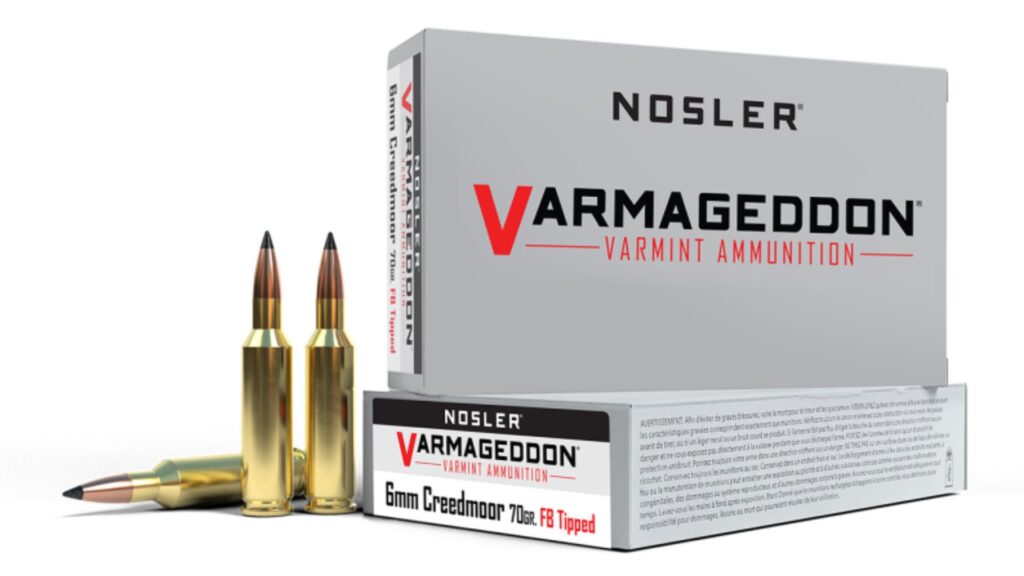
The 6mm Creedmoor is a precision shooter’s dream when it’s warm, but cold weather exposes its downsides. Lighter bullets are more affected by dense air, and the cartridge’s smaller powder charge doesn’t handle temperature variation well. Expect velocity loss and erratic standard deviations if you’re shooting factory ammo below freezing.
The problem isn’t catastrophic—it’s just enough to throw off your drop charts and tighten your margin for error. Long-range shooters in cold climates often find themselves chasing zero, wondering why their hits are suddenly two MOA low. The cartridge still groups beautifully, but it’s more temperamental than its 6.5mm cousin in frigid air. The 6mm Creedmoor is a precision tool, not a cold-weather workhorse. Treat it like one, and it’ll remind you real quick that science trumps hype once winter sets in.
.223 Remington

The .223 Remington is famously versatile, but it doesn’t perform its best in freezing conditions. Most factory ammo uses powders that slow down noticeably in the cold, resulting in reduced velocity and cycling issues in semi-autos. Lightweight bullets also get bullied by thick winter air, drifting more than expected at range.
You’ll notice slower ignition and weaker case pressure if your rifle’s been sitting outside for hours. AR platforms can start short-stroking or failing to lock back after the last round. While the .223 still hits small game effectively, it loses its flat-shooting reputation once the temperature drops into single digits. It’s one of those cartridges that performs fine in theory but leaves you chasing your point of impact when reality freezes over.
.300 Winchester Magnum
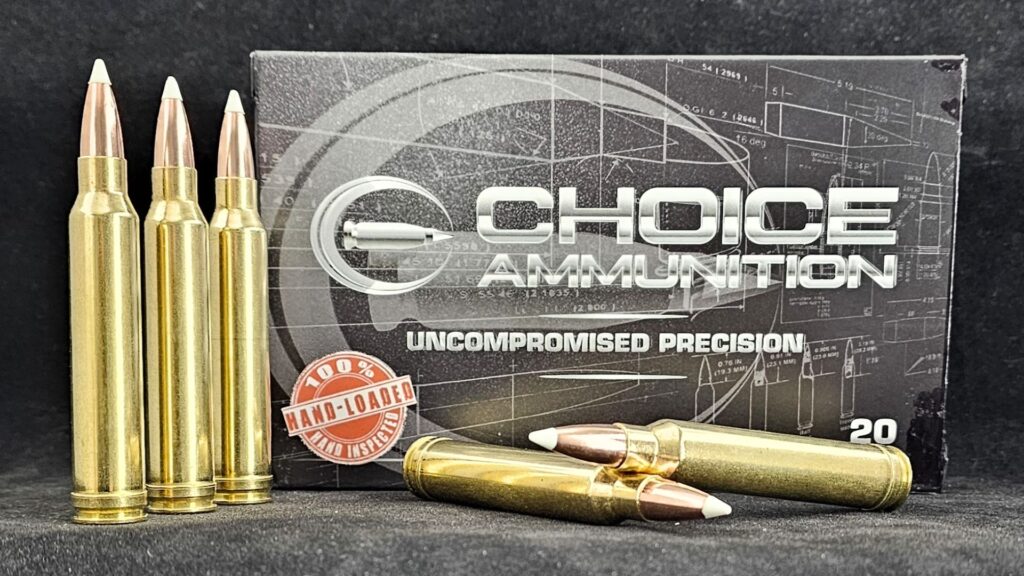
The .300 Win Mag is known for power and reach, but even it’s not immune to cold-weather fade. It burns a heavy powder charge that’s sensitive to temperature—especially with older factory loads. In deep cold, you can lose over 100 fps, and that small drop can throw off your zero by several inches at 400 yards.
It’s not just speed—you’ll also feel stiffer bolt lift and slightly delayed ignition when rounds are frozen solid. The cartridge still hits like a freight train, but its consistency takes a hit when brass and powder are ice-cold. The Win Mag thrives on precision, and cold weather introduces too many variables for factory ammo to keep up. Handloaders using temperature-stable powder don’t have much to worry about, but everyone else will see the cold dull the edge of an otherwise incredible round.
*This article was developed with AI-powered tools and has been carefully reviewed by our editors.