Photo credit: Reloading Quest/YouTube
Predator hunting makes people chase speed. A flat trajectory sounds good, a loud muzzle blast feels serious, and tiny groups on paper make a cartridge look like the answer. But coyotes, foxes, and bobcats do not always require that much noise, recoil, barrel heat, or hide damage.
Some predator calibers are not bad cartridges. Many are excellent in the right setup. The problem is when hunters pick them because they sound impressive instead of because they fit the job. A good predator round should be accurate, practical, easy to shoot, and matched to the animal. These calibers often bring more blast and trouble than real advantage.
.220 Swift
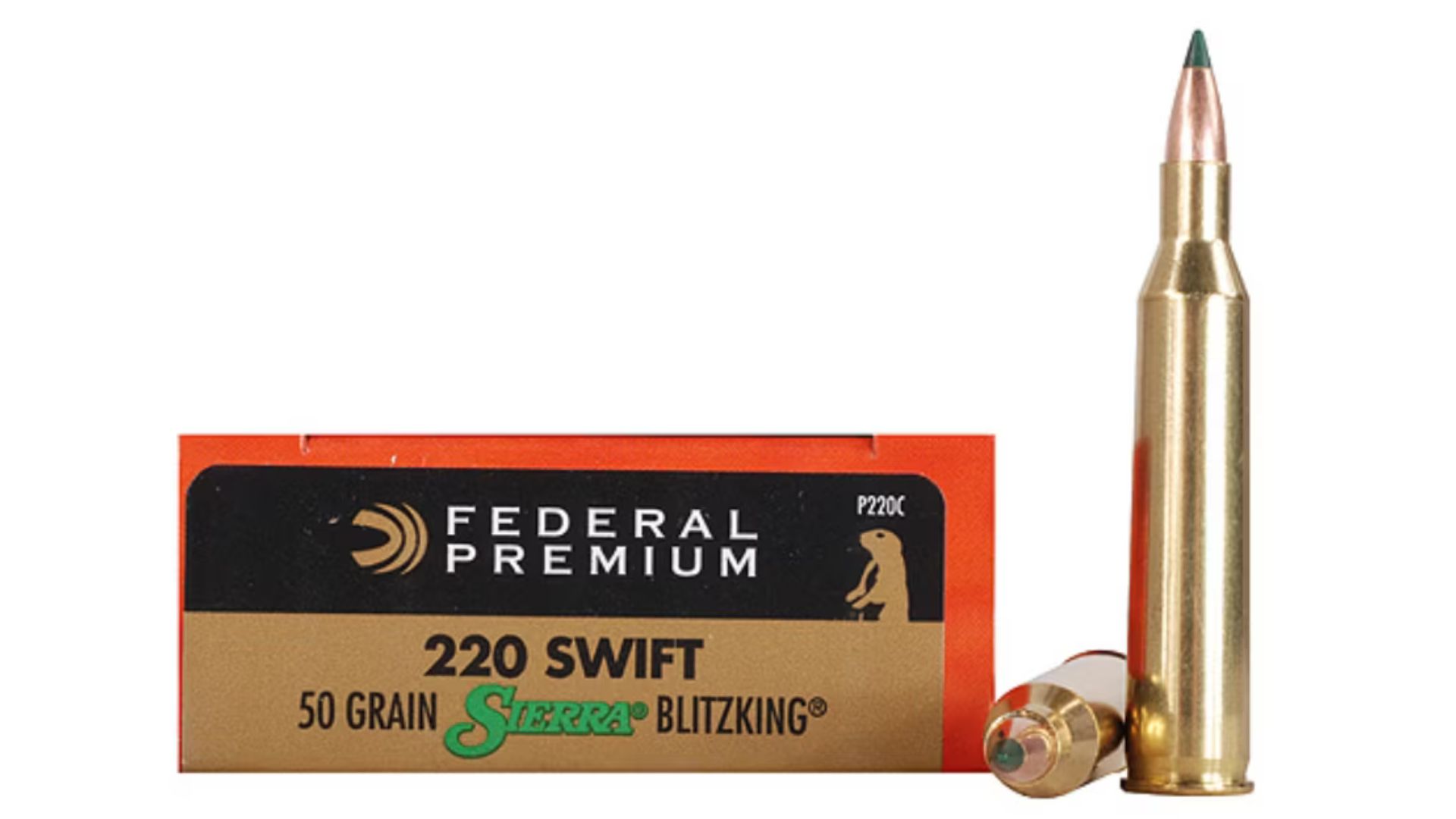
The .220 Swift is legendary for speed, and that is exactly why predator hunters keep talking about it. It sends small bullets extremely fast and has the kind of old-school varmint reputation that still sounds impressive.
But for most predator hunters, it is more cartridge than necessary. It is loud, can be hard on barrels, and does not give enough practical advantage over easier rounds like .223 Remington, .22-250 Remington, or .204 Ruger for normal coyote work. It kills, but it also brings a lot of drama to a job that usually does not need it.
.22-250 Remington

The .22-250 Remington is one of the classic coyote rounds, and it absolutely works. The problem is that some hunters treat it like the only serious predator answer when it can be too much for certain jobs. It is fast, loud, and can be rough on hides with the wrong bullet.
For open-country coyotes, it still makes sense. For fox, bobcat, calling stands near houses, or hunters trying to save fur, it can be more explosive than useful. It is a great cartridge, but not every predator setup needs .22-250 speed and blast.
.223 WSSM

The .223 WSSM sounded exciting because it promised serious velocity from a short, fat case. On paper, it looked like a predator hunter’s laser beam. That kind of performance gets attention fast.
In the real world, it never became a practical standard. Ammo support, barrel heat, rifle availability, and overkill for normal calling distances worked against it. It makes plenty of noise and speed, but most hunters are better served by cartridges that are easier to feed and easier to live with.
.204 Ruger
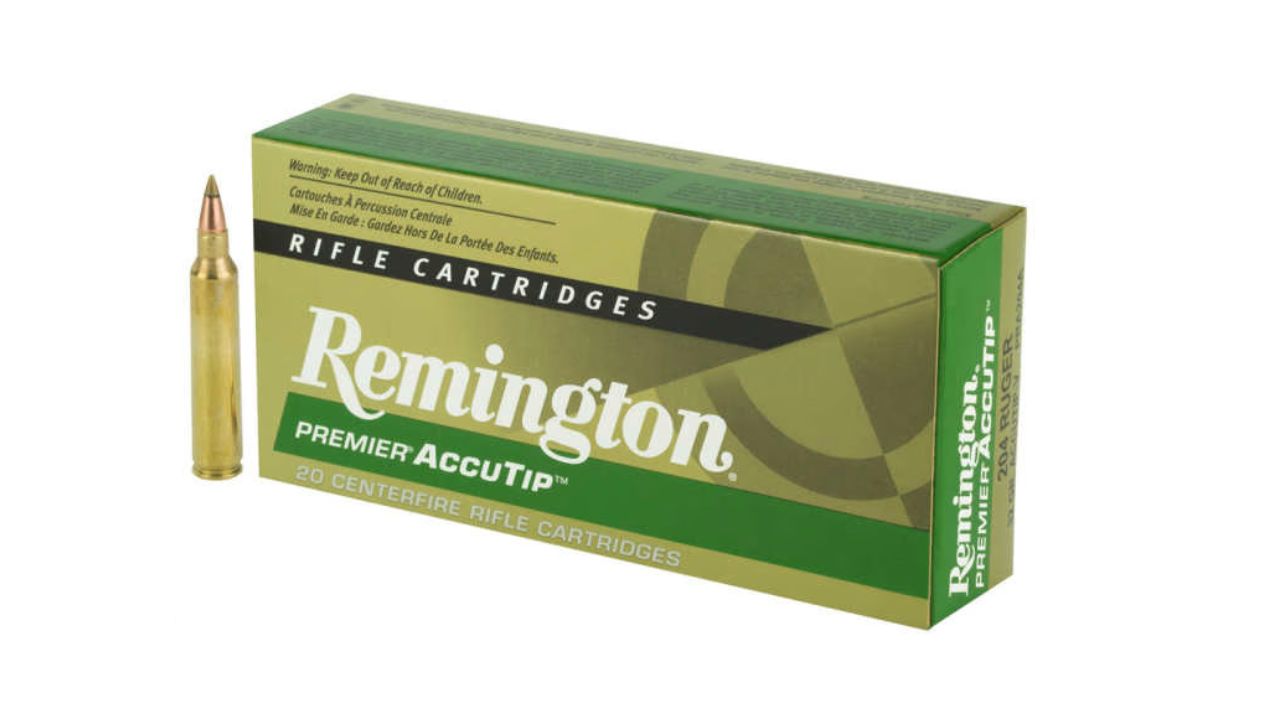
The .204 Ruger is a very good predator cartridge in the right hands, but it can still be oversold. It is fast, flat, and easy to shoot, which makes hunters trust it quickly. On coyotes, though, bullet choice becomes critical.
The issue is that some .204 loads are better suited for prairie dogs and small varmints than tough coyotes at bad angles. When the wrong bullet splashes or fails to penetrate well, the hunter hears a loud crack and watches a coyote leave. The cartridge can work beautifully, but it is not foolproof.
.17 Remington

The .17 Remington has a loyal following among fur hunters because it can be very pelt-friendly when used correctly. It is fast, light, and capable of making clean kills with precise shot placement.
But it also leaves little room for error. Wind, small bullets, fouling, and shot angle matter more than some hunters admit. For a careful caller who knows the cartridge, it can be excellent. For the average hunter looking for easy coyote authority, it can make more noise than certainty.
.17 Remington Fireball
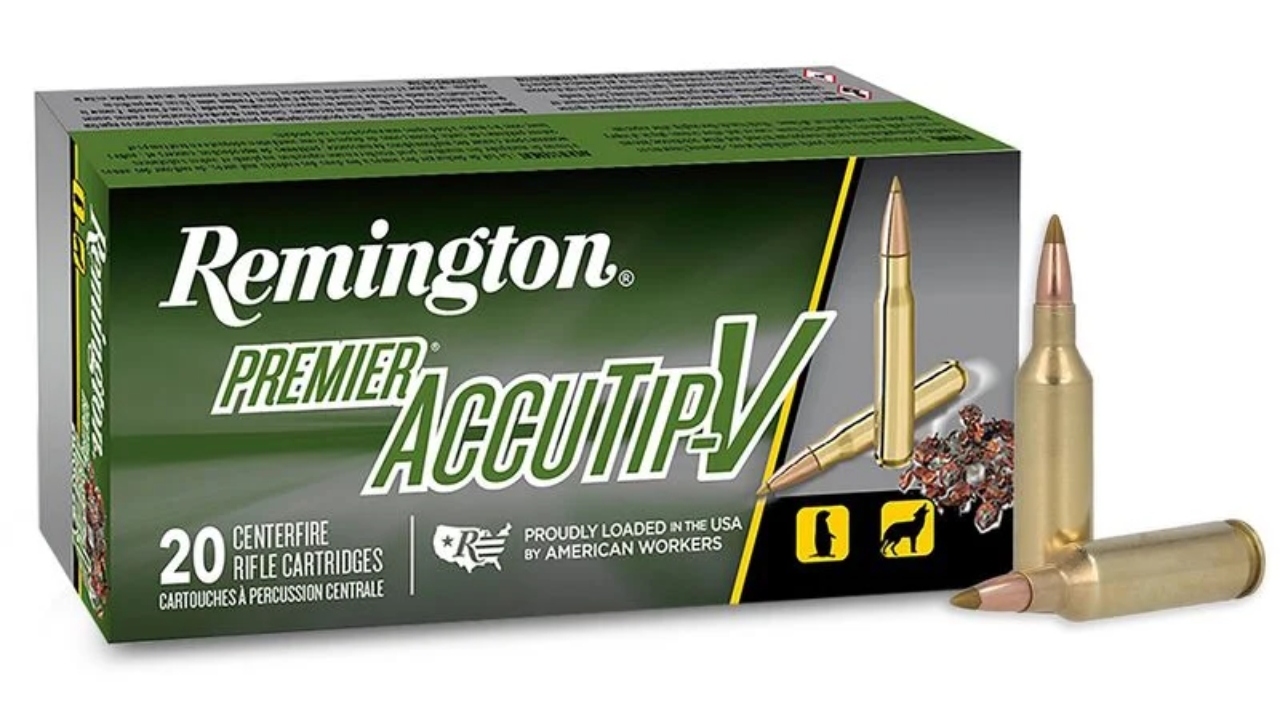
The .17 Remington Fireball is quieter and more efficient than some larger varmint rounds, but it still gets stretched beyond its best role. It is neat, mild, and fun, especially on small varmints.
Coyotes are where the confidence starts to thin. It can work with good bullets and careful shots, but it is not a hammer. Hunters who want a forgiving predator cartridge may find it too narrow. It is interesting, but not the round to choose if you want margin on every stand.
.17 Hornet
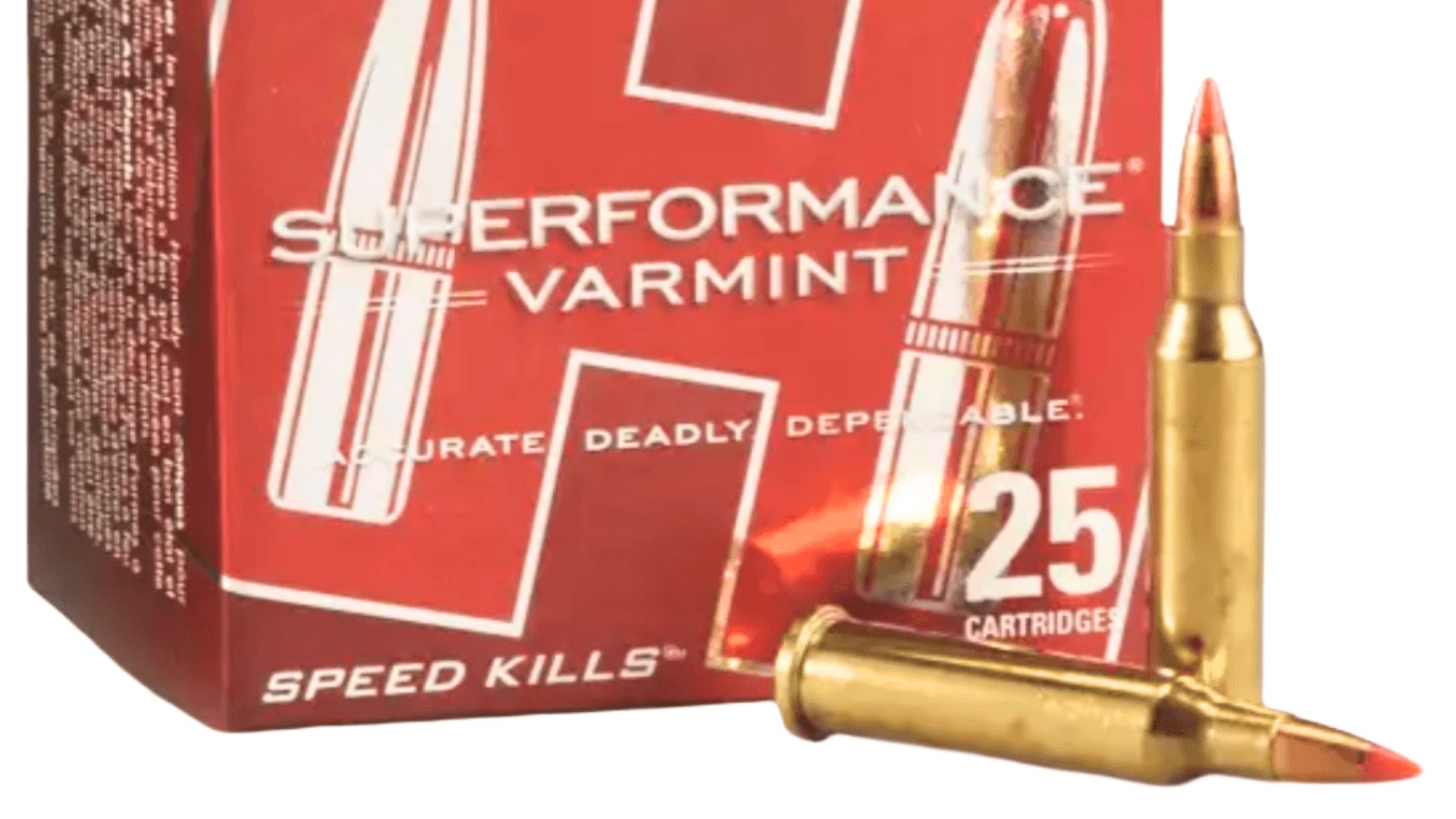
The .17 Hornet is easy to like because it is mild, efficient, and flatter-shooting than its size suggests. It is great for small varmints, pest control, and lower-noise shooting compared with bigger varmint rounds.
But it does not belong in every predator conversation. On fox and smaller animals, it can make sense. On coyotes, especially larger ones or anything past ideal distance, it starts to feel light. It is a fun little cartridge, but it is not a serious all-around predator hammer.
.22 Hornet
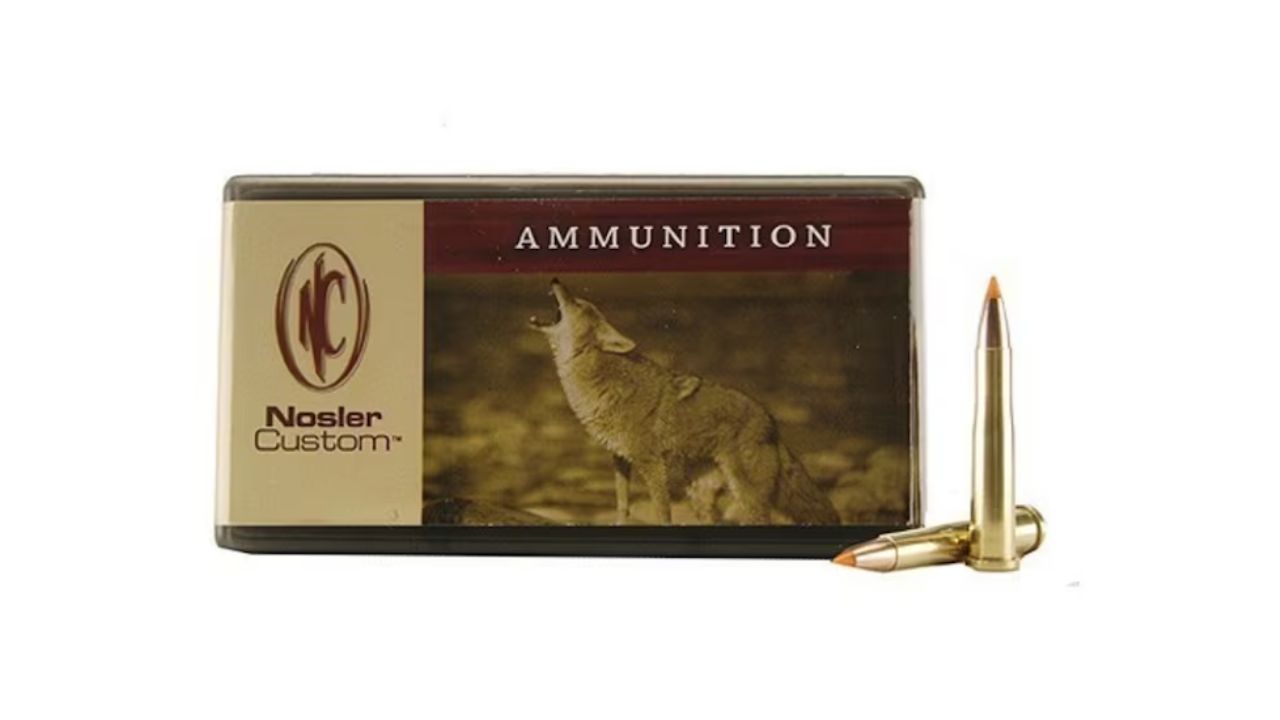
The .22 Hornet has charm, and it can be useful for low-noise predator work. It is mild, old-fashioned, and far more pleasant than the overbore screamers. That makes it tempting for fox and close-range calling.
The problem is that hunters sometimes ask it to do the work of a .223. The Hornet has limited range, modest energy, and a narrow performance lane. It can kill cleanly inside its comfort zone, but push it too far and it starts sounding louder than its results.
.218 Bee

The .218 Bee is one of those old varmint cartridges that people want to love because it has character. It is mild, interesting, and useful in certain rifles. For small predators at modest range, it can work.
But as a general predator round, it is mostly nostalgia. Rifle and ammo options are limited, performance is mild, and it does not bring enough advantage over more common choices. It is not loud compared with magnums, but it still belongs here because it often gets more romance than real field usefulness.
.221 Fireball
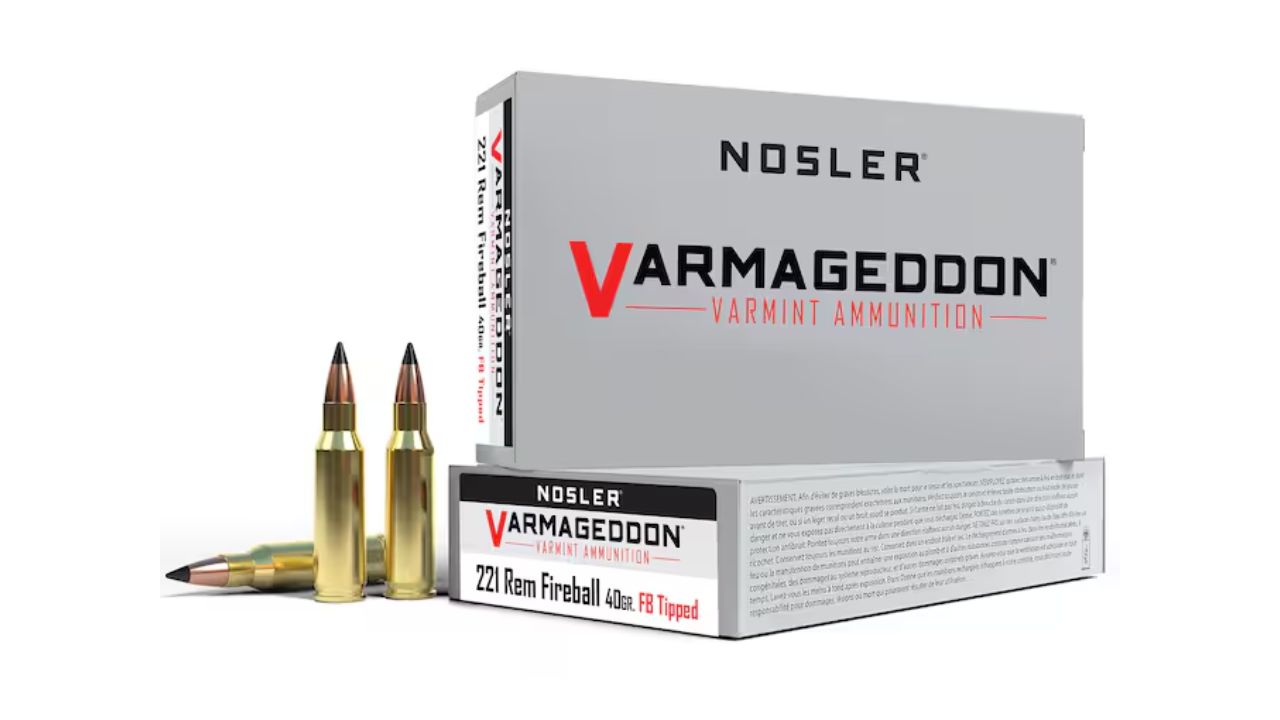
The .221 Fireball is efficient and accurate, and it has a cult following for good reason. It does a lot with a little powder and can be excellent for lower-noise varmint work.
For coyotes, though, it is not as forgiving as some hunters want. It lacks the reach and authority of larger .22 centerfires, and factory support is not as convenient. It is a smart little cartridge for the right shooter, but it can disappoint hunters who expect it to perform like a full-size predator round.
.222 Remington
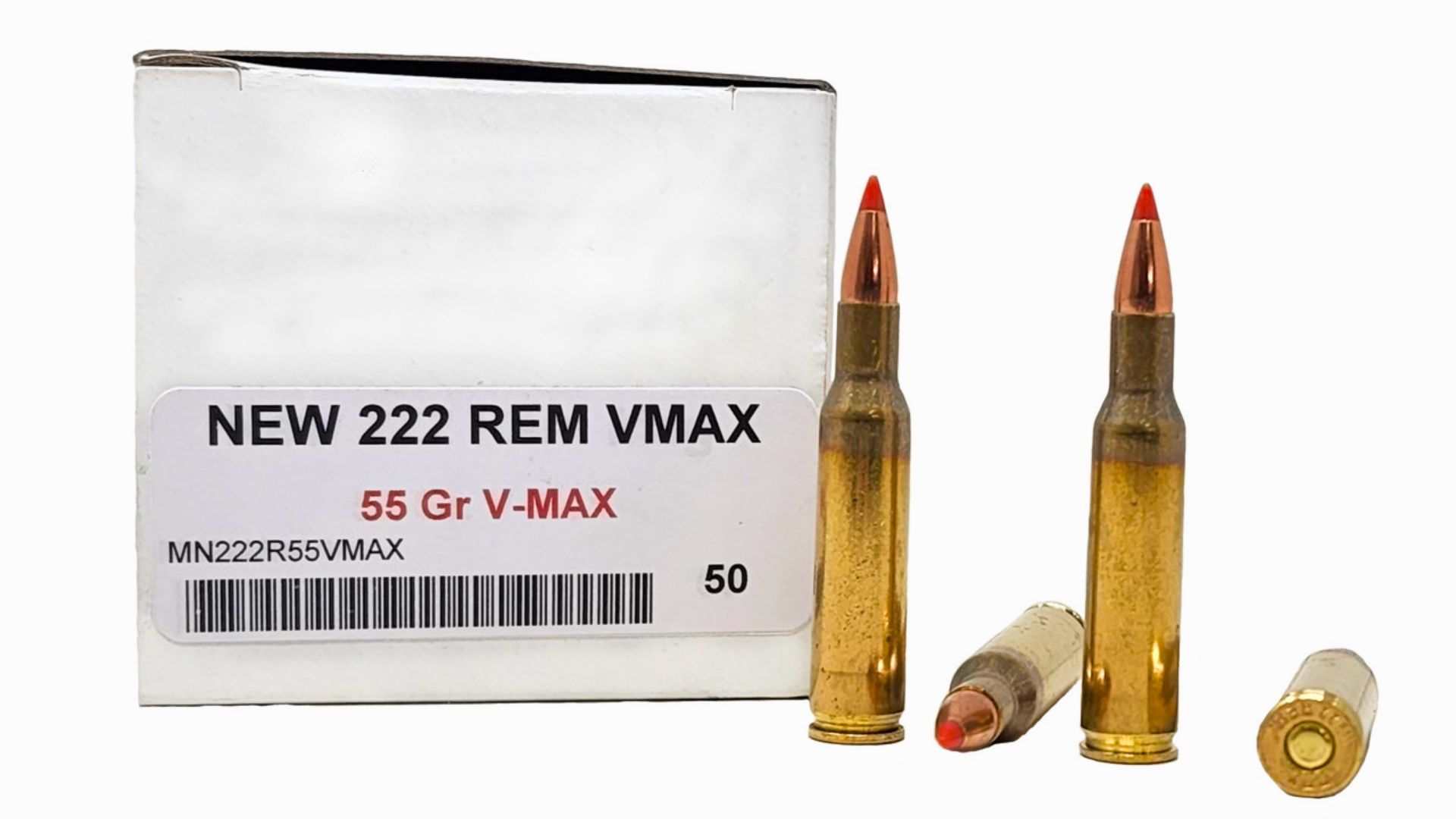
The .222 Remington used to be a target and varmint darling. It is accurate, mild, and pleasant, and plenty of older rifles chambered for it still shoot beautifully. There is nothing wrong with the cartridge inside its lane.
The problem is that the lane has narrowed. The .223 Remington is cheaper, easier to find, and available in far more rifles. For predator hunters today, the .222 often survives on affection more than practicality. It can still kill coyotes, but it no longer makes much sense as the first choice.
.224 Valkyrie

The .224 Valkyrie arrived with big long-range promises, and predator hunters noticed. A small-frame AR cartridge with sleek bullets and better distance performance sounded like a perfect open-country coyote round.
The excitement cooled because the real-world advantage was not as clean as the marketing. Ammo consistency, twist-rate issues, and competition from other AR cartridges hurt it. For predators, it can work, but many hunters found that plain .223, 6mm ARC, or .22 ARC made more sense depending on the job.
.22 ARC
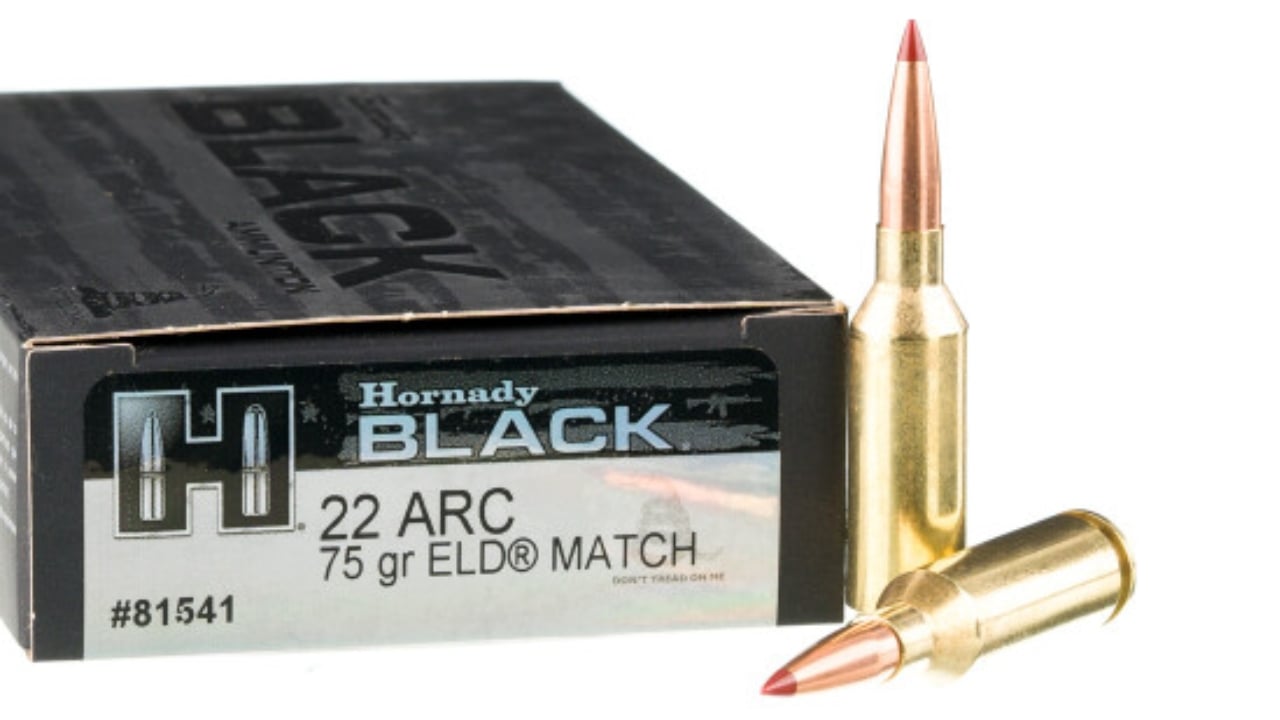
The .22 ARC is newer and more interesting than many older .22 centerfires, especially for AR hunters. It gives shooters better bullet options and more reach than basic .223 Remington. That makes it easy to see why predator hunters are paying attention.
The risk is overbuying performance. For normal calling distances, .223 still kills plenty of coyotes with less cost and less fuss. The .22 ARC may prove itself, but not every predator hunter needs a more specialized AR cartridge just to shoot coyotes inside ordinary range.
6mm ARC

The 6mm ARC has real capability, especially for hunters who want an AR-15 cartridge with better reach and heavier bullets. It can be excellent for coyotes, hogs, and crossover use.
But as a pure predator cartridge, it can be more than many callers need. It is louder and usually more expensive to feed than .223, and it may be harder on hides than smaller rounds depending on bullet choice. It makes sense if predators are only part of the job. If coyotes are the whole job, it may be overbuilt.
6mm Creedmoor
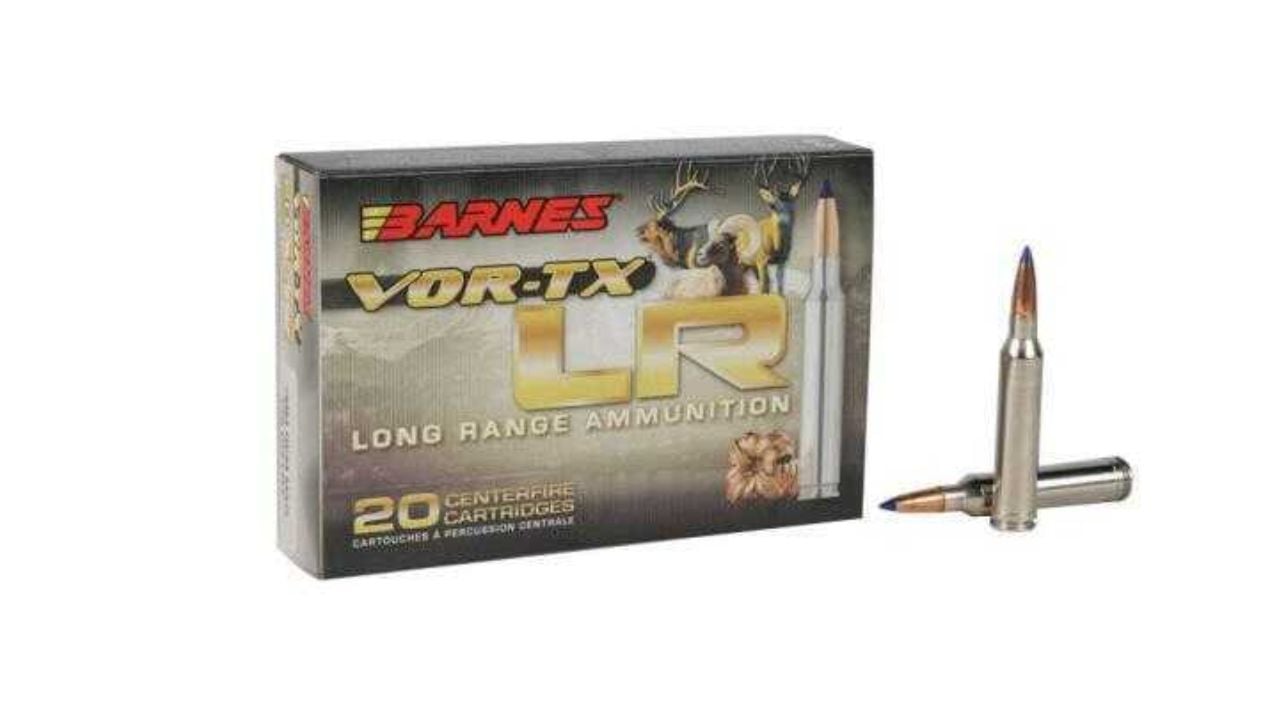
The 6mm Creedmoor is fast, flat, accurate, and very effective. It is also a lot of cartridge for normal predator hunting. Long-range shooters like it because it performs well in wind and carries speed.
For a calling rifle, though, it can be loud, barrel-hungry, and destructive on fur. It shines when distance matters, but most predator hunters are not shooting coyotes like match targets every weekend. It kills hard, but sometimes it brings more blast than the stand requires.
.243 Winchester
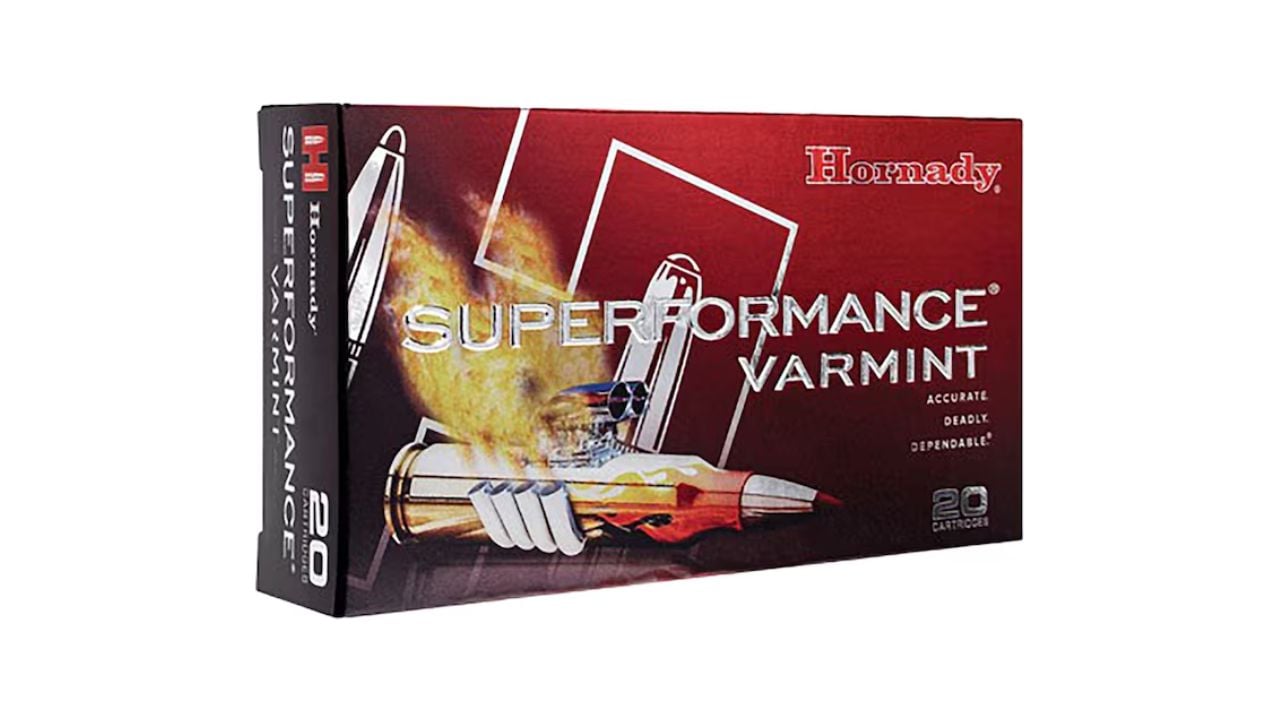
The .243 Winchester is one of the most effective coyote cartridges ever used, but it can also be too much for hunters saving hides. It hits hard, bucks wind better than small .22s, and gives more authority on big coyotes.
That same authority can be the downside. On fox, bobcat, or close coyotes with explosive bullets, it can damage fur badly. It is a great dual-purpose deer-and-predator round, but not always the best dedicated predator cartridge. The kill is there, but subtlety is not.
.25-06 Remington
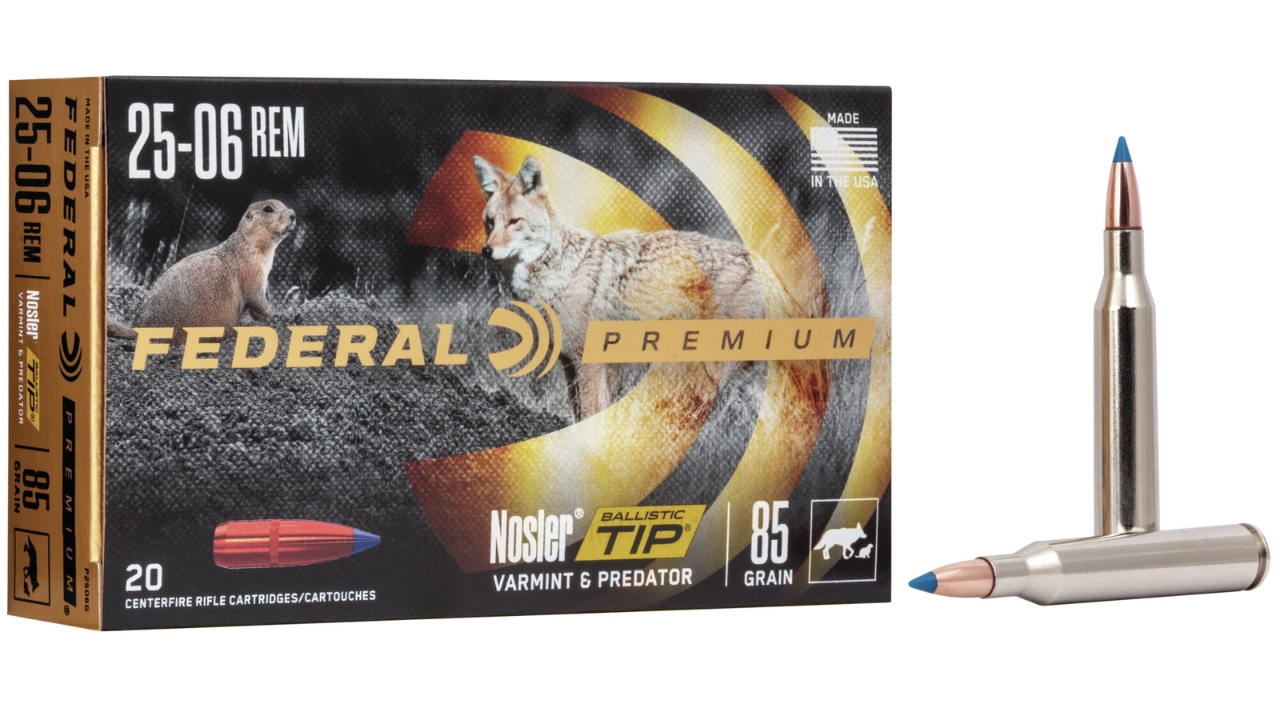
The .25-06 Remington is a flat-shooting deer and antelope round that some hunters use for coyotes because they already own one. It works, but that does not mean it is a sensible predator choice.
It is loud, fast, and usually far more powerful than needed. On coyotes, it can be devastating. On fox or bobcat, it can be ridiculous. Unless the goal is long-range predator shooting with no concern for fur, the .25-06 brings more rifle than the job calls for.
.257 Weatherby Magnum

The .257 Weatherby Magnum is a spectacular open-country deer and antelope cartridge. On predators, it is mostly overkill wearing a fancy suit. It is fast, flat, loud, and expensive to feed.
A coyote hit with a .257 Weatherby is not going to argue. The question is whether it was necessary. For most predator stands, the answer is no. The cartridge burns a lot of powder and makes a lot of noise to solve a problem smaller rounds already handle.
.270 Winchester

The .270 Winchester shows up in predator hunting because many deer hunters already own one. If a coyote steps out during deer season, it works just fine. But as a dedicated predator caliber, it is a poor fit.
It is loud, recoils more than needed, and can destroy hides fast. The .270 is a great hunting cartridge, but predator hunting is one of the places where its strengths are mostly wasted. It kills coyotes, but it does not make a smart calling rifle.
.300 Blackout subsonic

The .300 Blackout subsonic setup sounds perfect for predator hunters who want quiet. Suppressor use, low noise, and a handy AR platform all make the idea attractive. On paper, it seems like a smart close-range calling round.
The problem is terminal performance. Subsonic loads need the right bullet and tight distance limits. Without enough expansion or shot placement, coyotes can run hard. A quiet miss or poor hit is still a failure. For predators, suppressed supersonic loads are often a more practical answer.
Like The Avid Outdoorsman’s content? Subscribe to our newsletter so you never miss an article.
Here’s more from us: