Photo credit: The Old Deer Hunters/YouTube
Some rifles are collectible from day one because everyone knows they are special. Limited runs, fancy wood, anniversary markings, and premium names make that obvious. Those are not the surprising ones. The surprising ones are the rifles that sat in used racks, rode in truck seats, got hunted hard, and looked too ordinary for anyone to treat carefully.
Then they disappeared. Production stopped, imports dried up, certain chamberings became hard to find, or shooters finally realized the rifle had qualities newer guns could not replace. By the time people started paying attention, clean examples were already climbing.
Remington 600
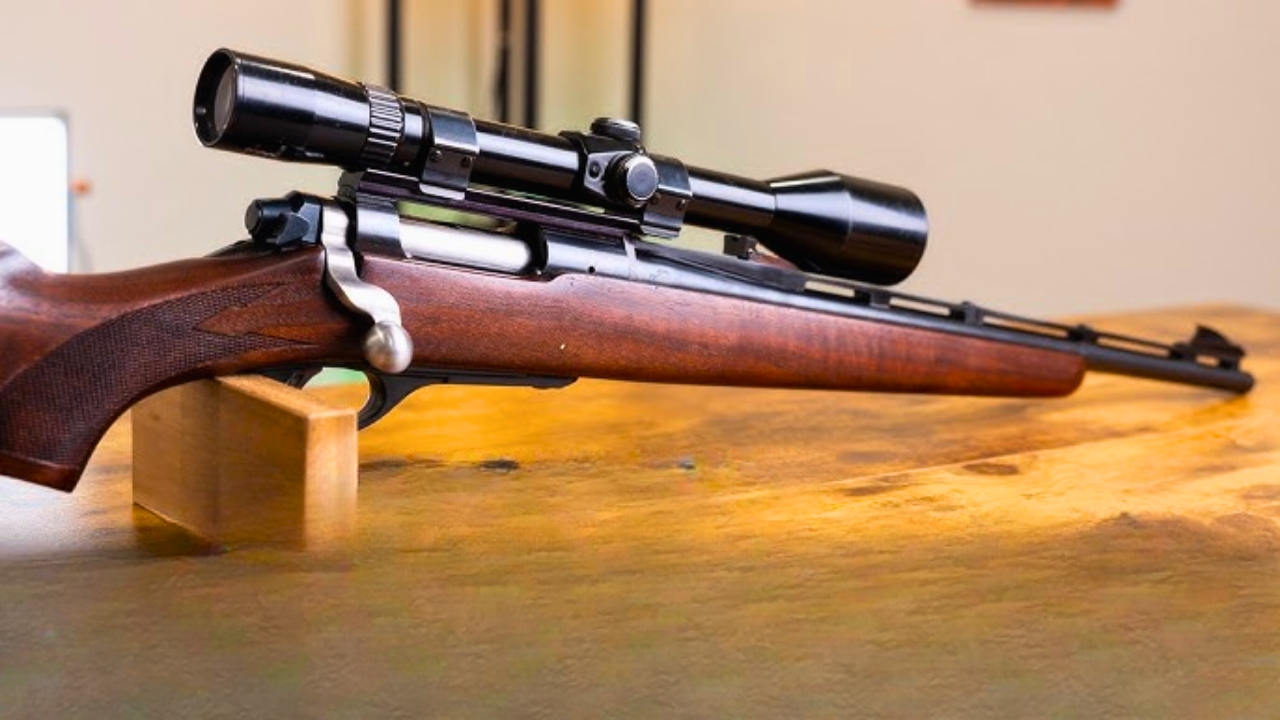
The Remington 600 looked strange enough that many hunters did not know what to do with it. The vent-rib barrel, dogleg bolt handle, short overall length, and odd styling made it easy to dismiss as a weird little carbine rather than a future collectible.
That weirdness became the reason people wanted it later. The 600 was handy, unusual, and chambered in some interesting rounds, including .350 Remington Magnum. It was not built forever, and clean examples now have a following because they represent a time when Remington was willing to take risks.
Remington 660

The Remington 660 was a cleaner-looking follow-up to the 600, but it still stayed under the radar for years. Many hunters saw it as a short little bolt gun with less classic appeal than a Model 700.
Collectors eventually noticed that the 660 had the same compact usefulness without quite as much odd styling. It became especially interesting in harder-hitting chamberings that gave hunters a lot of power in a small rifle. What once looked like a practical carbine now feels like a scarce Remington side trail.
Winchester Model 70 Classic Stainless
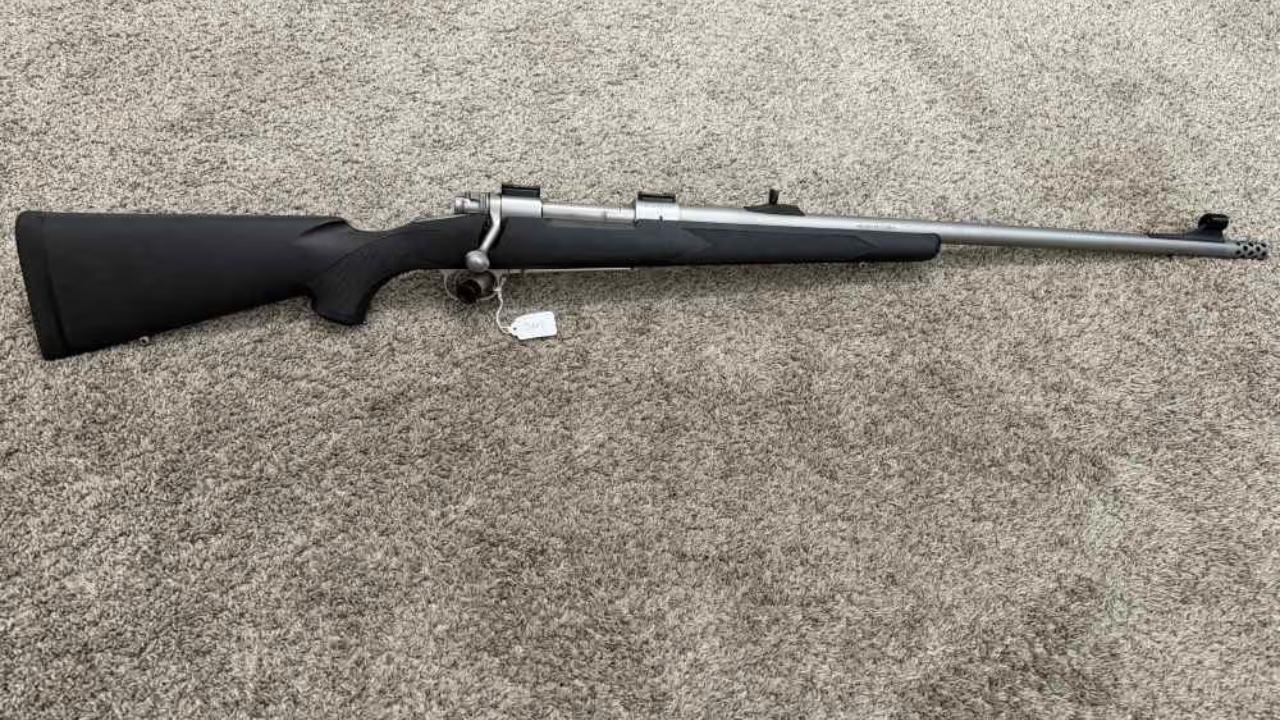
The Winchester Model 70 Classic Stainless did not seem collectible when it was just a weather-resistant hunting rifle. It was a tool. Hunters bought them to beat up in rain, snow, and rough country.
That is why clean ones became more desirable. Controlled-round feed, stainless construction, useful chamberings, and old-school Model 70 handling made it more than just another synthetic rifle. Once production eras changed, hunters started realizing they should have treated some of those rifles with more respect.
Ruger M77 RSI International
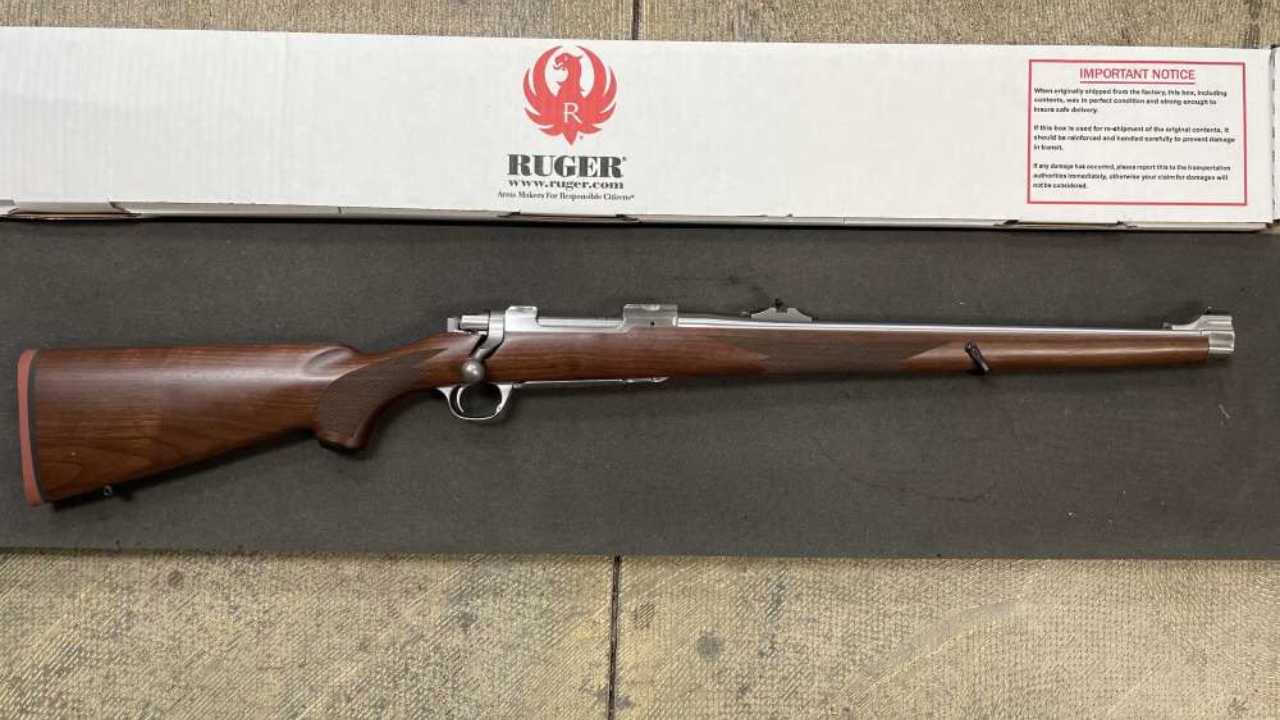
The Ruger M77 RSI International always had a cult following, but plenty of hunters passed on it because the full-length Mannlicher-style stock looked old-fashioned. It did not fit the modern American bolt-gun mold.
That is exactly why it became collectible. The RSI had looks, compact handling, and Ruger strength in one package. It was never the most practical rifle for every hunt, but it had character that modern synthetic rifles cannot fake. Clean examples now attract buyers who want something different from the usual sporter.
Ruger M77
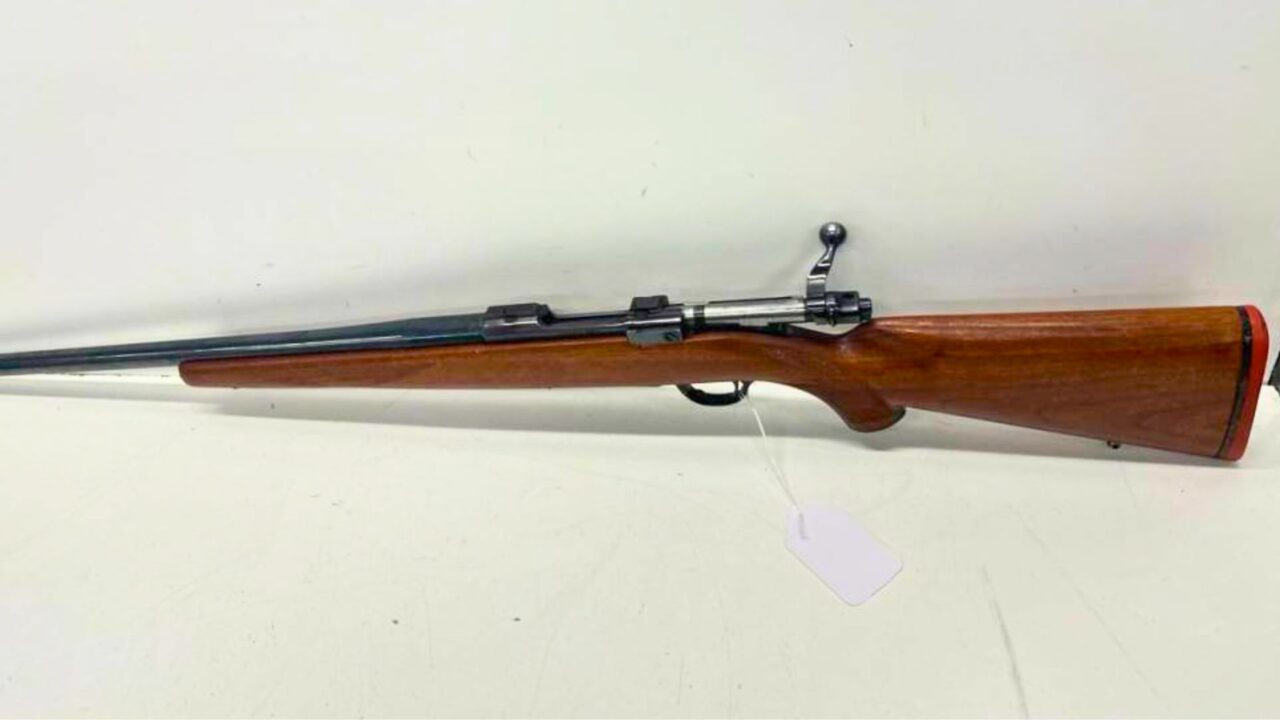
The Ruger M77 was never common enough to become ordinary, but it still did not get the broad attention it deserved when available. It looked like a traditional dangerous-game rifle at a time when many hunters were chasing lighter synthetic guns.
Now the appeal is obvious. Big-game chamberings, controlled-round-feed Ruger actions, express sights, and classic walnut made it feel like a serious rifle from another age. It turned into a collector piece because rifles like it are not built casually anymore.
Ruger 77/357
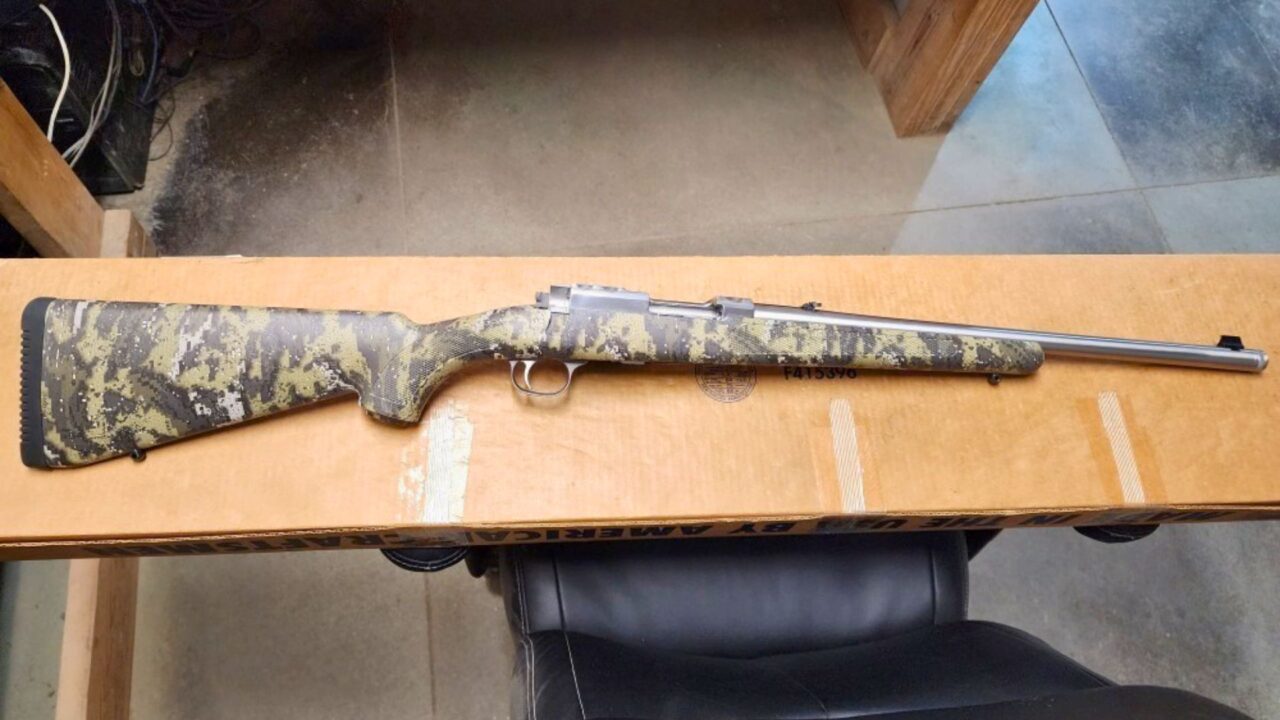
The Ruger 77/357 looked like a niche oddball when it showed up. A bolt-action rifle chambered in .357 Magnum did not make sense to every hunter, especially when lever guns already existed in that space.
Then suppressors, straight-wall hunting, and compact utility rifles became more popular. Suddenly the 77/357 looked smarter than people first thought. It was handy, useful, and different. Once people started wanting one, they found out they should have paid attention earlier.
Ruger 77/22 Hornet
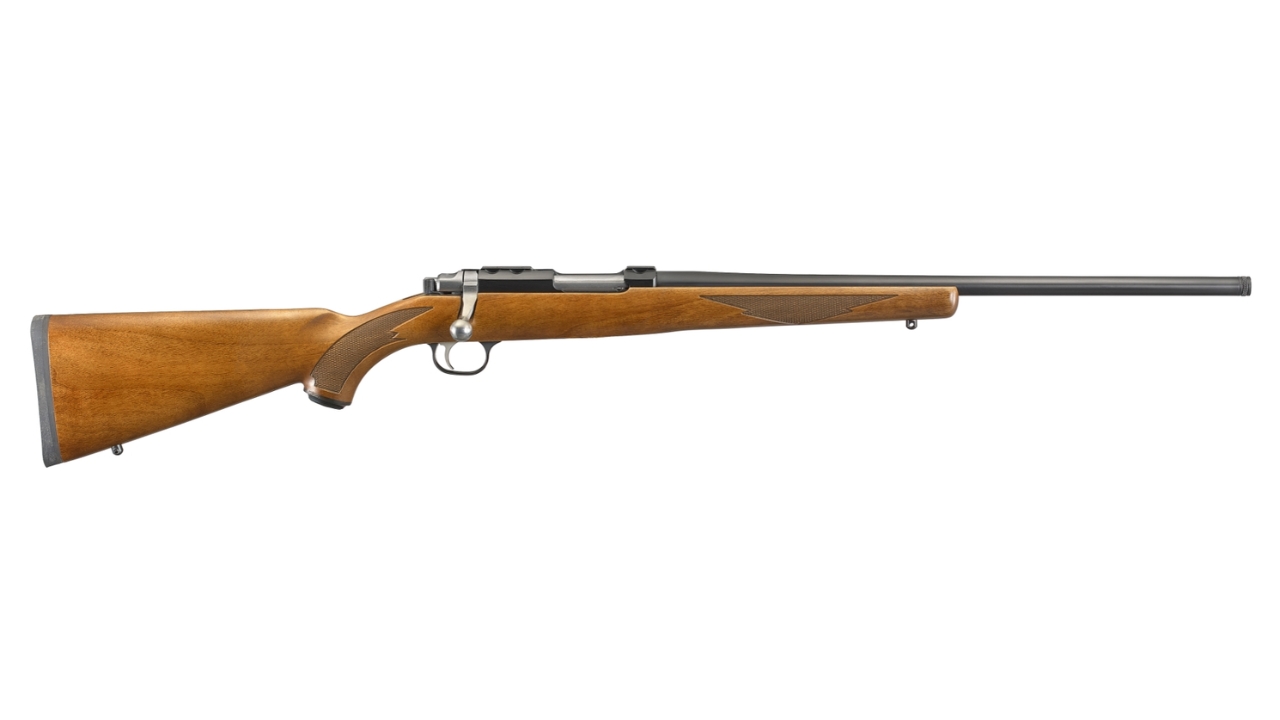
The Ruger 77/22 Hornet was never a rifle for everyone. The .22 Hornet itself is old, mild, and somewhat quirky. That caused many shooters to ignore the rifle in favor of .223 Remington or newer varmint cartridges.
But the 77/22 Hornet became more desirable because it filled a very specific role. It was quieter, charming, useful for small predators and pests, and built with Ruger’s rotary-magazine personality. Clean examples now appeal to shooters who appreciate rifles with a little more character than another .223 bolt gun.
Browning Micro Medallion
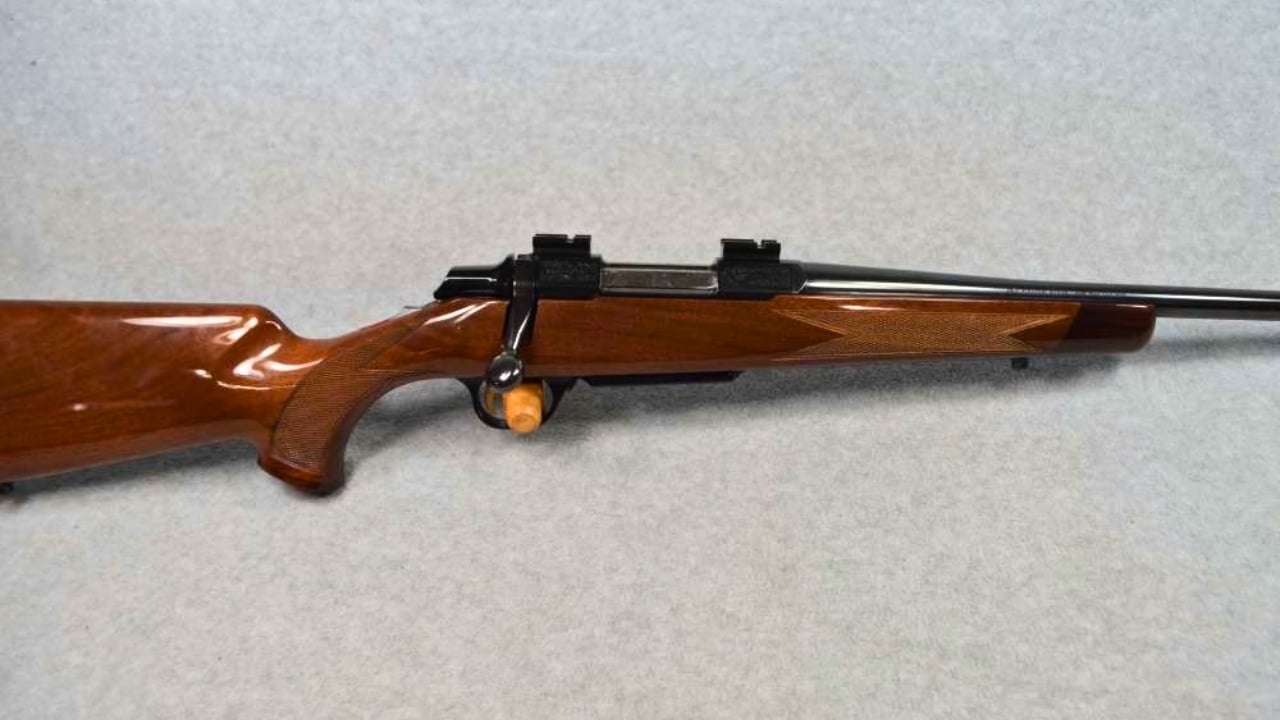
The Browning Micro Medallion was easy to overlook because it was small, pretty, and not marketed like a hard-use mountain rifle. Some hunters saw it as a youth-sized or specialty rifle rather than something to chase.
That changed when people realized how nice these little rifles were. Short actions, good wood, Browning fit and finish, and useful chamberings made them more desirable over time. They turned into rifles people wish they had bought before compact premium bolt guns got harder to find.
Browning A-Bolt Stainless Stalker

The Browning A-Bolt Stainless Stalker once looked like a plain weatherproof hunting rifle. It was common enough that many hunters did not think twice about selling or passing on one.
Now the older A-Bolts have more pull than expected. The smooth action, stainless build, detachable magazine system, and clean hunting feel made them practical in a way many newer rifles still chase. The Stainless Stalker became collectible not because it was flashy, but because it was quietly good.
Browning B-78

The Browning B-78 was a single-shot rifle in a world where most hunters wanted bolt actions or lever guns. It looked beautiful, but the one-shot design kept many practical-minded hunters from seeing it as anything more than a curiosity.
Collectors saw the truth later. The B-78 had classic lines, falling-block strength, and chamberings that made it useful and elegant. It was a rifle from a more patient era. Once it was gone, people started appreciating how hard it is to find a factory single-shot with that kind of style.
Winchester 9422M

The Winchester 9422 was already a great rimfire lever gun, but the 9422M in .22 Magnum became especially desirable. For years, many shooters saw it as a neat little rifle but not something they had to buy immediately.
That was the mistake. A slick Winchester lever-action rimfire in .22 Magnum is exactly the kind of rifle that becomes more appealing after production ends. It works for small game, pests, plinking, and collectors who want quality. Clean 9422M rifles are no longer casual finds.
Marlin 1894P

The Marlin 1894P was a short, ported .44 Magnum lever gun that many hunters overlooked when it was available. It looked like a handy brush gun, but not necessarily a future collector piece.
Now it checks too many boxes to ignore. Short barrel, big-bore pistol cartridge, Marlin lever-action appeal, and limited availability all work in its favor. It became the kind of rifle people want for hogs, deer woods, and collection value all at once.
Marlin 336ER
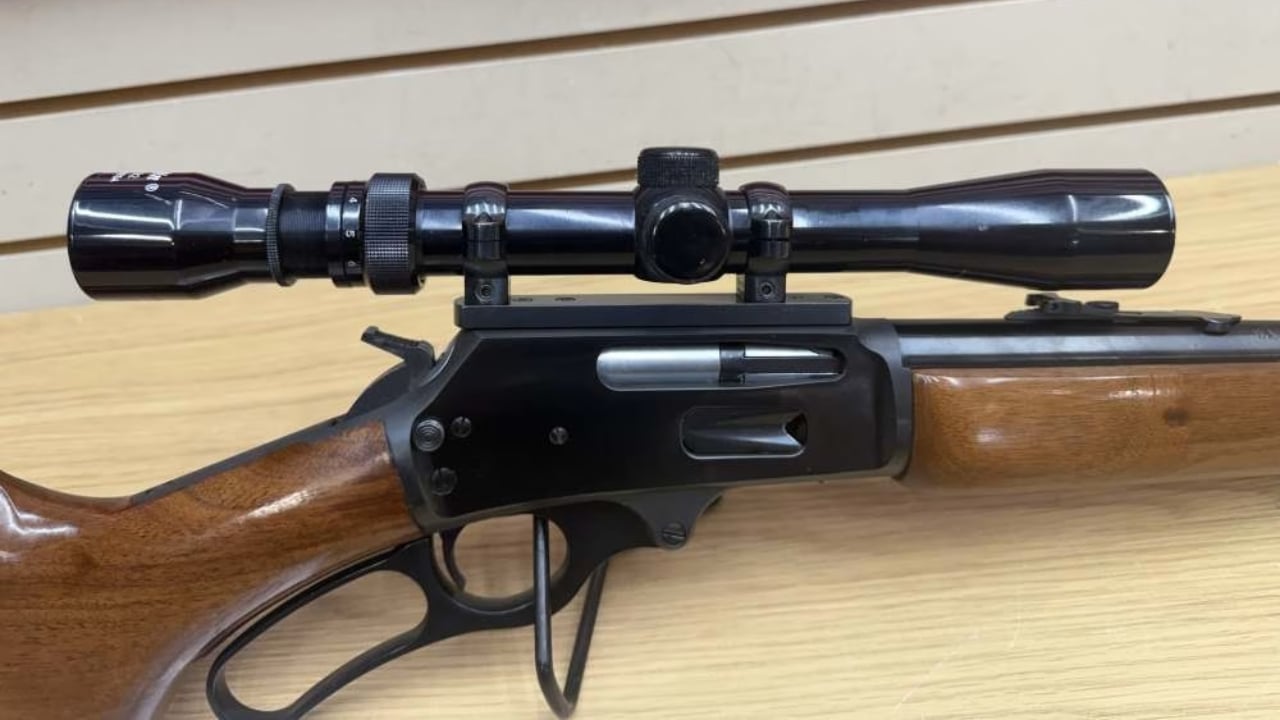
The Marlin 336ER in .356 Winchester is one of those rifles that quietly became collectible because the cartridge and model both stayed niche. Many hunters passed because .30-30 and .35 Remington were easier choices.
That rarity became the draw. The 336ER offered more punch than the standard .30-30 lever-gun setup while keeping familiar Marlin handling. Once .356 Winchester faded from the mainstream, the rifles chambered for it became much more interesting to collectors.
Marlin 375
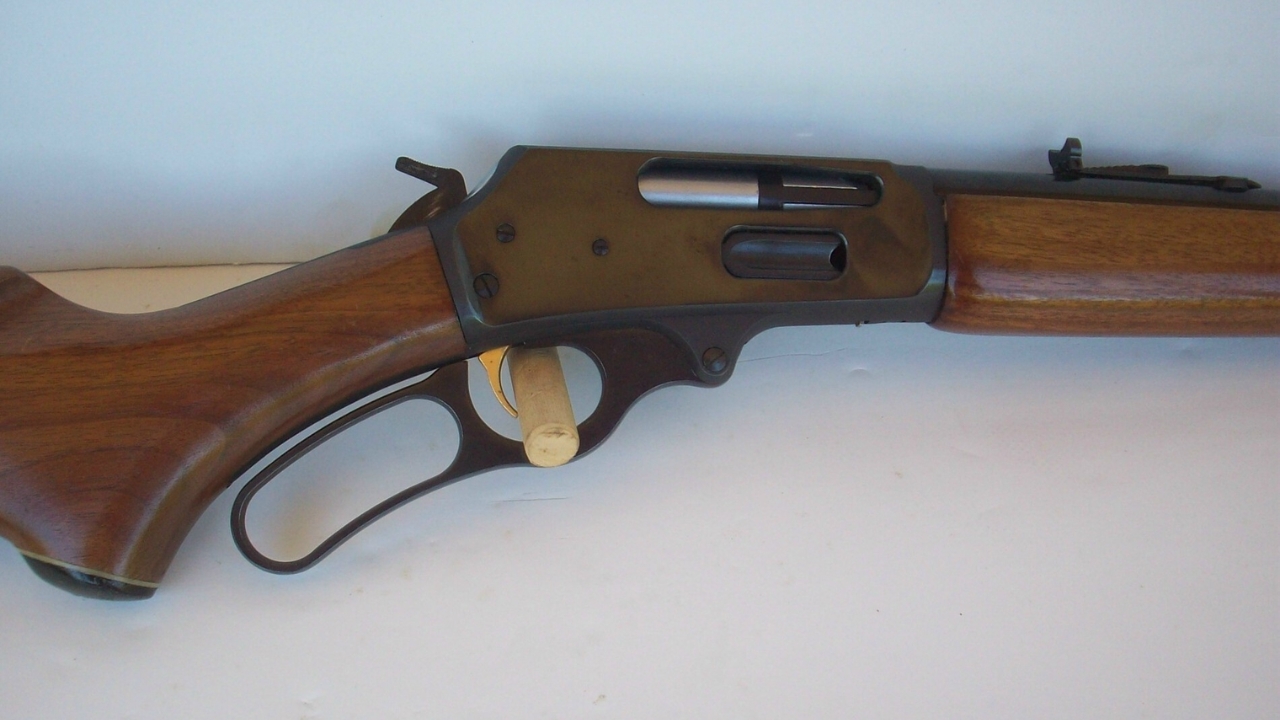
The Marlin 375 in .375 Winchester never became a universal deer-camp rifle. It had a narrow window of popularity and lived in the shadow of more common Marlin lever guns.
That short run helped turn it into a collector piece. The .375 Winchester chambering gives it power and personality, while the Marlin lever platform keeps it practical. Hunters who ignored them when they looked like just another lever rifle now know they missed something unusual.
Savage 24V
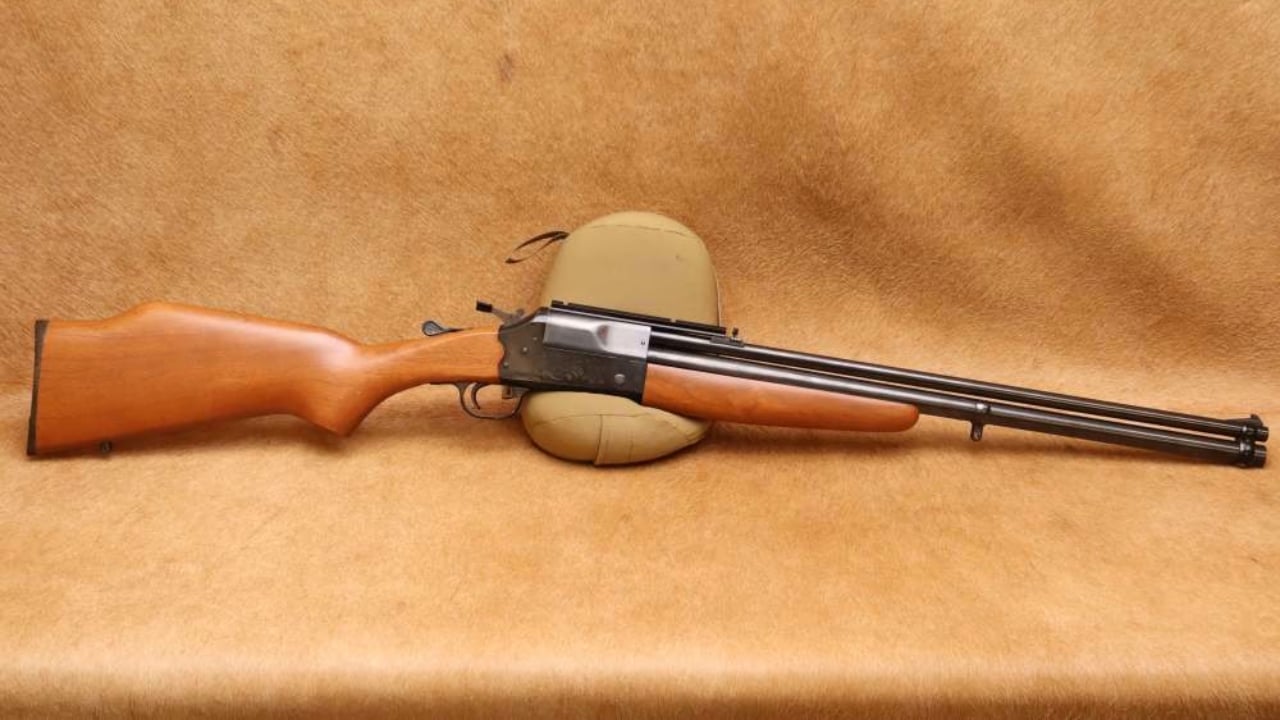
The Savage 24V combination gun was not always treated as collectible. It was a practical over-under rifle-and-shotgun setup, often used as a camp gun, small-game gun, or truck gun.
That utility is why people started missing them. A centerfire barrel over a shotgun barrel gives a hunter real flexibility in a simple package. Modern combination guns are not common in American racks, so clean Savage 24 variants have become more desirable than their old working-gun image suggested.
Remington 541-S
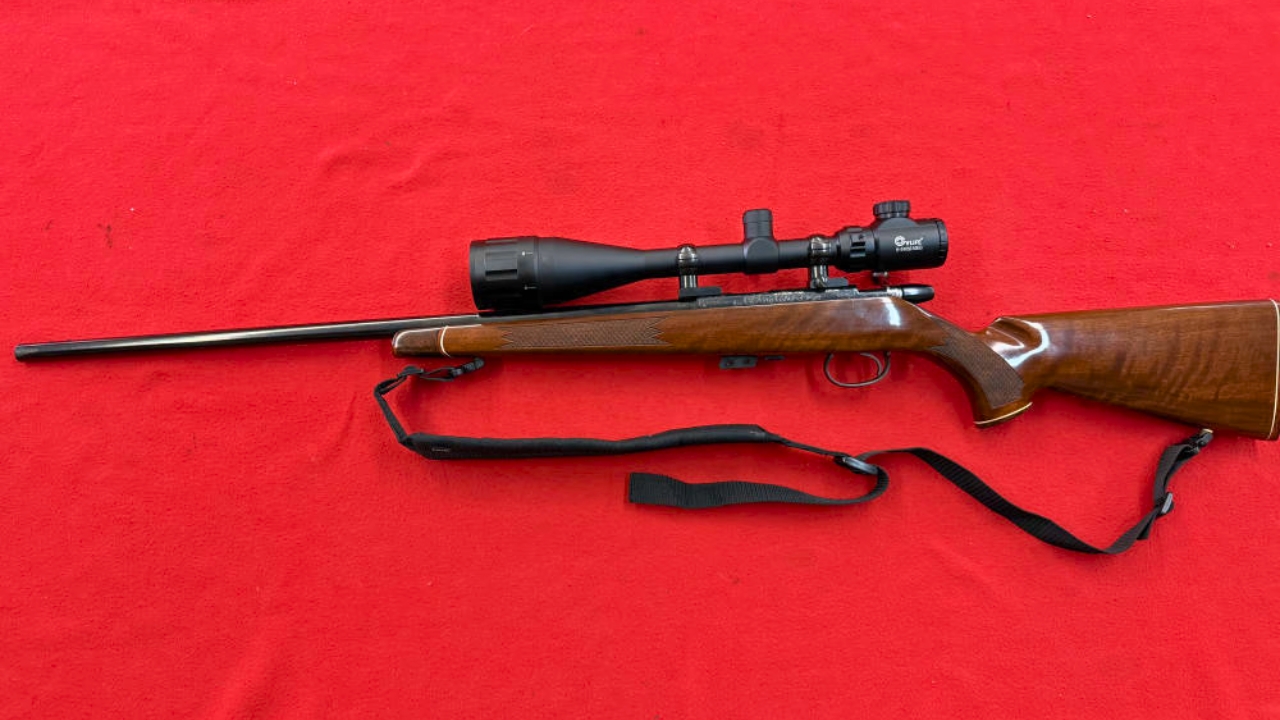
The Remington 541-S looked like a nice bolt-action .22, but many shooters ignored it because rimfires were supposed to be cheap. Spending more for a refined .22 rifle did not make sense to everyone.
Now that attitude looks shortsighted. The 541-S had adult-rifle feel, good accuracy, and a level of finish that stands apart from ordinary plinkers. Serious rimfire people noticed later that these were not just .22s. They were high-quality rifles that deserved better attention from the start.
Kimber of Oregon Model 82
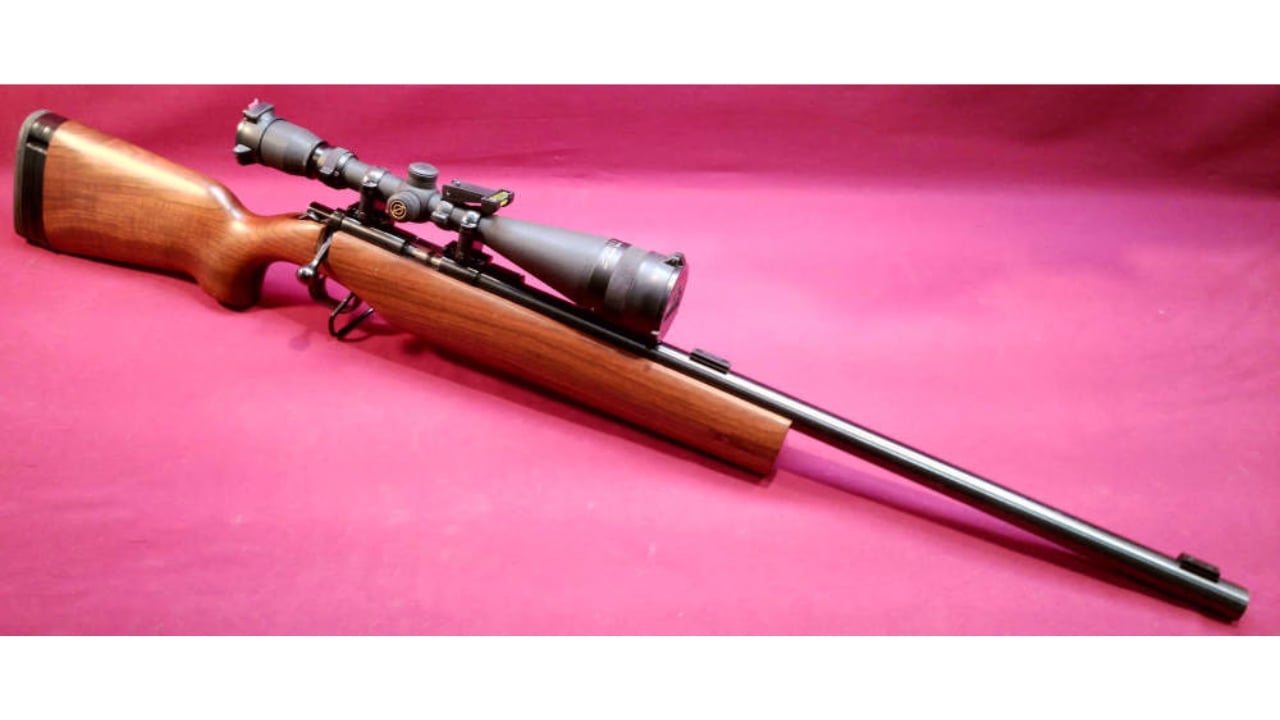
The Kimber of Oregon Model 82 was once a premium rimfire that not every shooter understood. It was expensive compared with common .22 rifles, and many buyers did not yet treat rimfires as serious collector pieces.
That changed hard. Kimber of Oregon rifles developed a strong following because of their quality, accuracy, and limited-production appeal. The Model 82 became the kind of rimfire collectors chase because it represents a specific era of American smallbore craftsmanship that is not coming back.
CZ 527 American
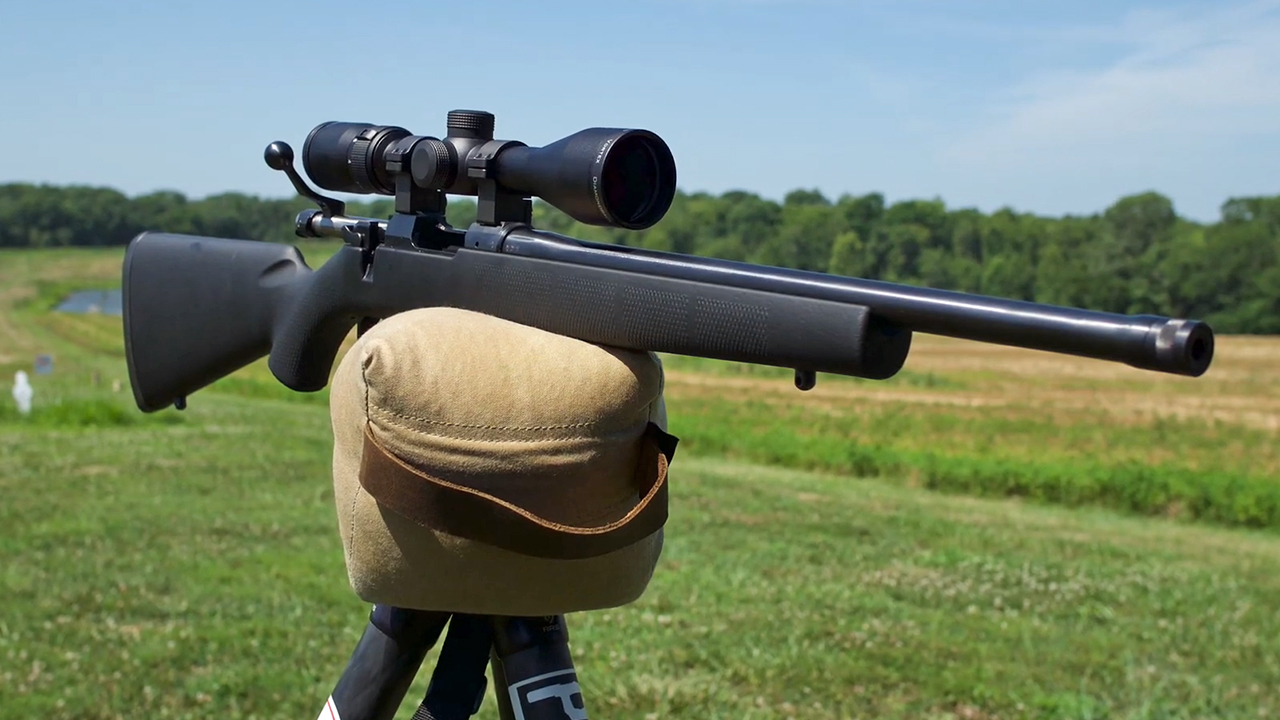
The CZ 527 American looked like a neat little mini-Mauser, but not everyone rushed to buy one. It was chambered in small centerfire rounds and had a set-trigger quirk that some shooters loved and others ignored.
Once the 527 disappeared, people started realizing how special it was. A trim little bolt rifle in .223, .204 Ruger, 7.62×39, .22 Hornet, and other useful chamberings filled a role few current rifles match. The 527 became collectible because nobody quite replaced it.
Sako Vixen
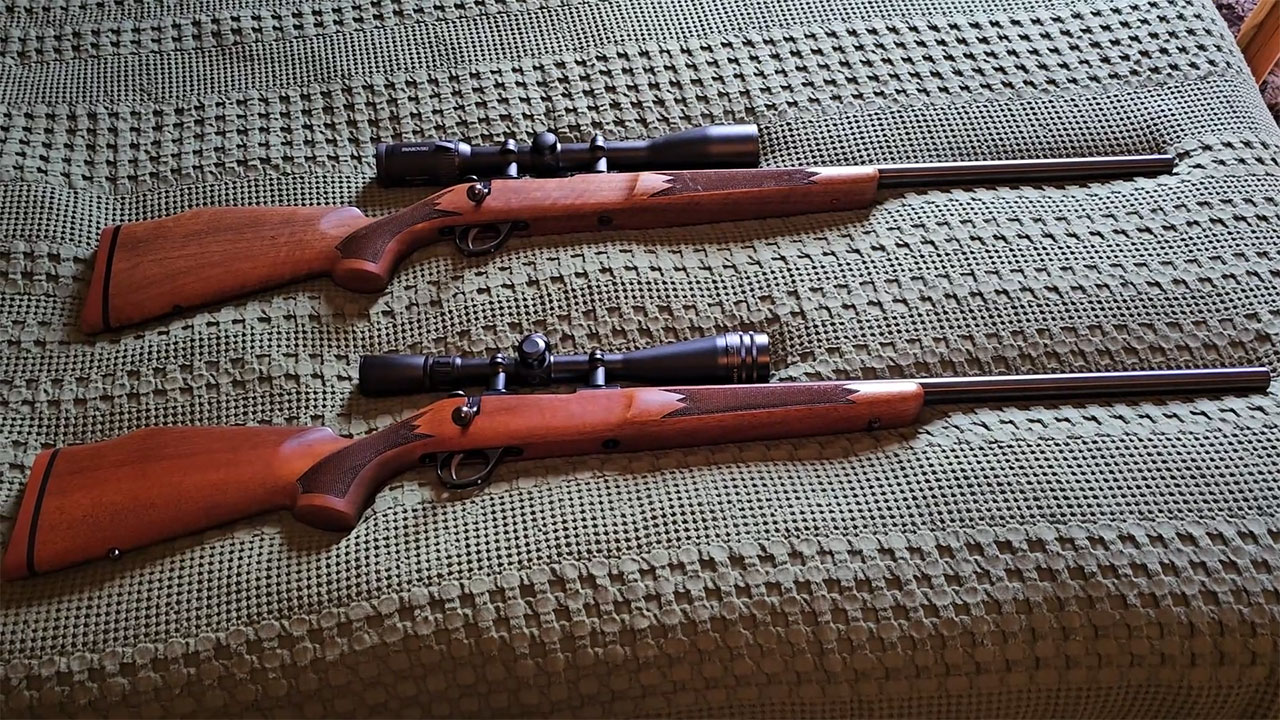
The Sako Vixen is one of those rifles that knowledgeable shooters always respected, but casual hunters often overlooked. It was a small-action rifle meant for small cartridges, and many buyers were more interested in full-size deer rifles.
Now the Vixen stands out as a beautifully built small-caliber sporter from an era when actions were scaled properly. In .222 Remington, .223 Remington, and similar chamberings, it feels refined in a way mass-market rifles rarely do. Collectors noticed too late for the prices to stay friendly.
Cooper Model 21
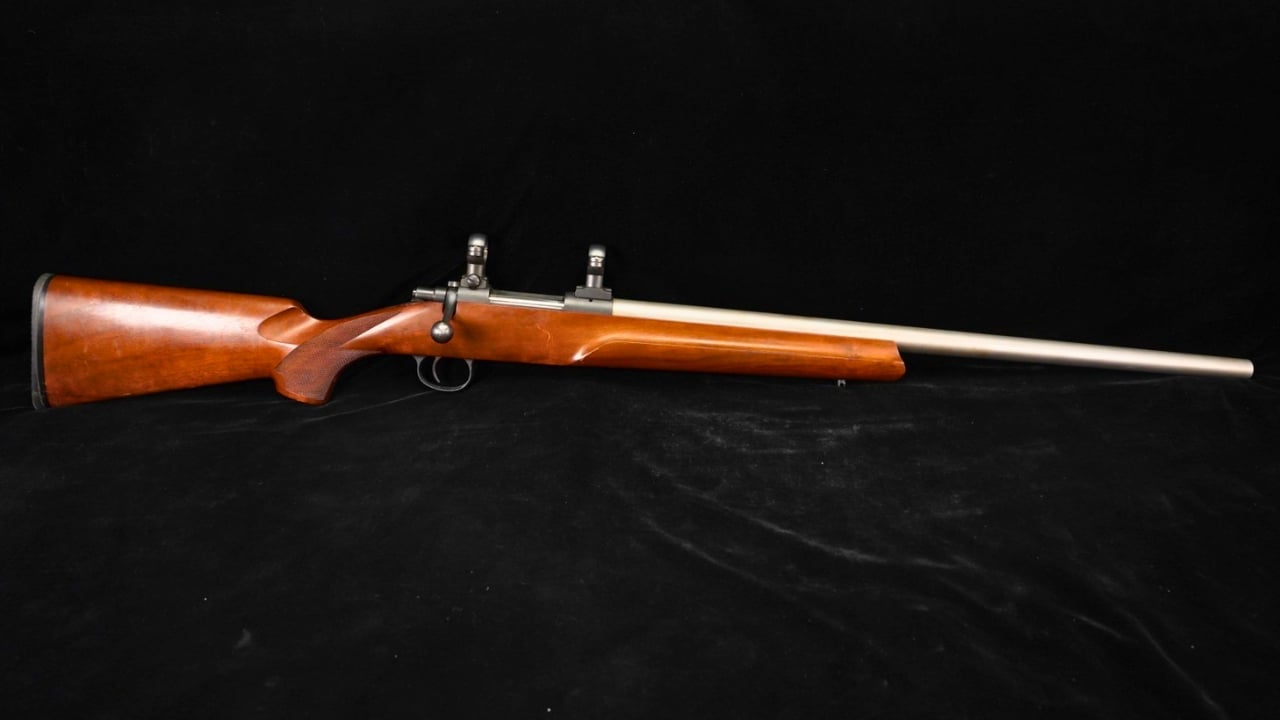
The Cooper Model 21 was never cheap, but it was still overlooked by many hunters who stayed with bigger factory names. It looked like a clean bolt-action rifle, not something that would become increasingly collectible.
Then shooters started realizing what Cooper rifles represented. Accuracy, fit, chambering variety, and semi-custom feel made them stand apart from ordinary production rifles. As Cooper’s original era faded and availability shifted, rifles like the Model 21 became more sought after by people who once passed them by.
Like The Avid Outdoorsman’s content? Subscribe to our newsletter so you never miss an article.
Here’s more from us: