Photo credit: Tima Miroshnichenko/Pexels.com
The hunter knew public land could get crowded.
That comes with the territory. You can scout a spot, wake up early, hike in before daylight, and still find another truck at the access point or another hunter working the same ridge. It is frustrating, but it is not exactly shocking. Public land means shared land.
What he did not expect was for another group to act like the spot belonged to them.
In a Reddit post, the hunter asked if hostility on public land was normal after another group got aggressive over what they seemed to think was “their” area. From his side, he had every right to be there. He was not trespassing, not cutting across private ground, and not knowingly sitting on top of someone else’s setup.
But the other hunters apparently did not see it that way.
They treated the place like it was claimed. That is the kind of attitude that drives public-land hunters crazy because there is a big difference between courtesy and ownership. If someone is already in a spot, most decent hunters will give them room when possible. But nobody gets to act like a stretch of public woods belongs to them just because they have hunted it before.
That is where things started to get tense.
The poster said the other group became hostile, and he ended up climbing down. That decision is the part Reddit really picked apart. In the moment, climbing down may have felt like the reasonable thing to do. Maybe he thought he could talk it out. Maybe he wanted to de-escalate. Maybe he did not want to sit in a stand while people were angry nearby.
But several commenters felt getting down may have given the hostile group exactly what they wanted.
Once he left the stand, the encounter moved from distance to face-to-face. And that can be risky when everybody is armed, annoyed, and standing in the woods with no neutral person around. A tree stand gives space. It gives visibility. It keeps the hunter out of immediate reach. Climbing down puts him in the same physical area as the people already acting aggressive.
That is why some commenters said his first mistake was leaving the stand.
That may sound harsh, but it makes sense in a certain way. If someone is yelling, threatening, or trying to intimidate you on public land, the goal is not to win the argument. The goal is to stay safe and keep a record if needed. Getting down to argue can turn a dumb access dispute into a confrontation nobody can easily walk back.
The whole story shows one of the ugliest parts of public hunting. Most people understand the rules when they are calm. Public land is public. First come does not mean forever. You can have a favorite spot, but so can somebody else. If another hunter beats you there, you move or adjust.
But some people do not handle that well.
They scout a place for years, hang a stand where legal, get trail-camera photos, or kill a deer there once, and somewhere along the way they start thinking of the area as theirs. Then when another hunter shows up, they take it personally. Instead of moving on, they pressure the other person to leave.
That kind of pressure can be subtle, like walking too close or talking loudly. Or it can be direct, like confronting someone and telling him he needs to get out.
The poster’s situation seemed to sit in that second category. It was not just awkward overlap. It was hostility.
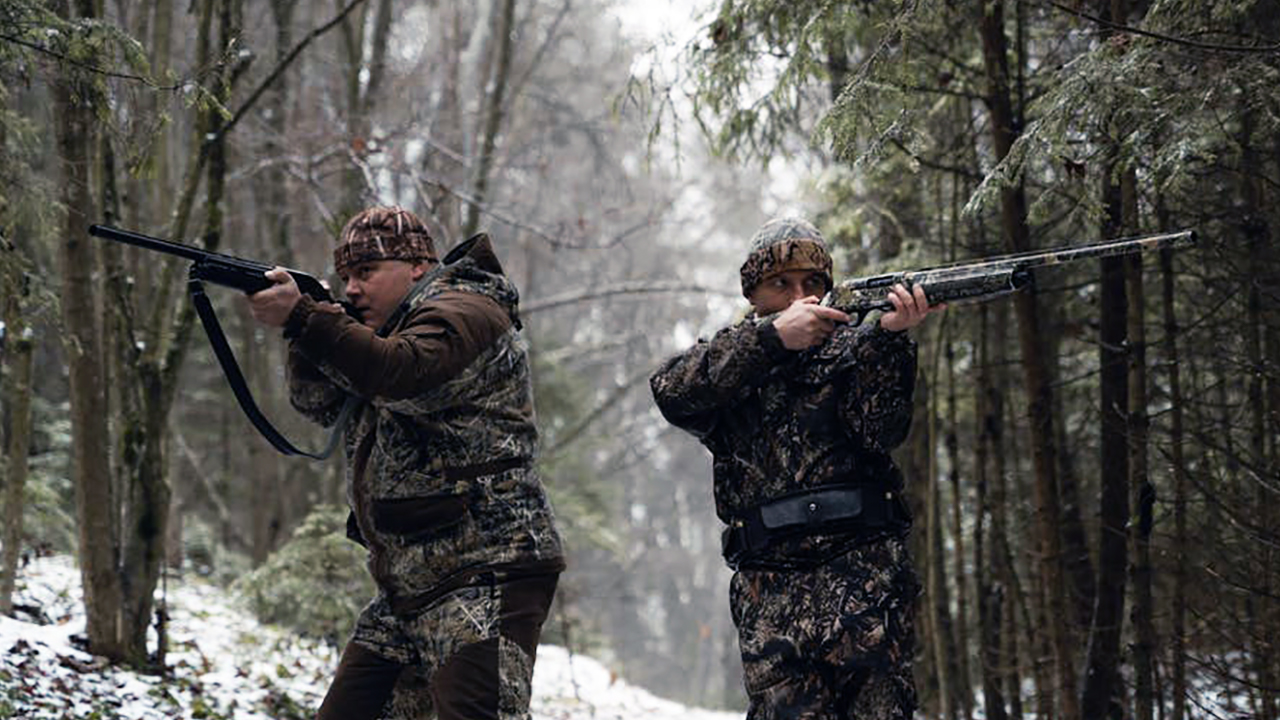
And on public land, hostility feels different during hunting season. People are carrying rifles, shotguns, bows, knives, and sidearms. They are often wearing camo. They may be tired, cold, frustrated, or angry that someone “ruined” their morning. Add ego to that, and the woods get uncomfortable fast.
The safest move may not always be the most satisfying one. Sometimes it is better to leave, even when you are right. Sometimes it is better to stay put, call a game warden, record what you can, and avoid walking into an argument. The right answer depends on the exact situation, but one thing is clear: no deer is worth turning a public-land dispute into a fight.
The hunter came away wondering if this kind of hostility was normal.
The answer from Reddit was basically: it happens, but that does not make it acceptable.
Public land brings out all kinds of people. Some are generous and respectful. Some are clueless. Some are territorial in a place where they have no right to be. The best public-land hunters learn to expect other people, give space when they can, and refuse to act like a stand location is a deed.
The hostile ones make everybody else’s season worse.
Commenters were pretty clear that public land does not belong to whoever gets angry first.
Several people said if the other group wanted exclusive control, they needed to lease or buy land. Public ground means anyone following the law has the right to be there. A group may have hunted a spot for years, but that history does not give them authority to run other hunters off.
Others focused on safety and said climbing down may have been a mistake. Their point was not that the poster did anything wrong morally. It was that moving closer to hostile people in the woods can make a bad situation worse. If someone is already acting aggressive, keeping distance may be smarter than trying to hash it out face-to-face.
A lot of hunters suggested calling a game warden if the group threatened him, harassed him, or tried to interfere with his legal hunt. In many places, hunter harassment laws can apply when someone intentionally disrupts lawful hunting. Even if it does not rise to that level, a report can create a record if the group keeps acting that way.
Some commenters said they would rather leave than sit near angry strangers with guns. That is not because the hostile group is right. It is because being right does not matter much if the situation feels unsafe. A deer season is long. A bad confrontation can follow a person much longer.
Others said public-land hunters should always have a backup plan. If one spot is occupied or tense, move to another. That does not excuse bad behavior, but it keeps one group of jerks from ruining the whole day.
The main message was simple: public land is shared, and nobody gets to claim it through intimidation. But if another group is acting hostile, the smart move is to protect yourself first and prove your point later through the proper channels.